











Loading...
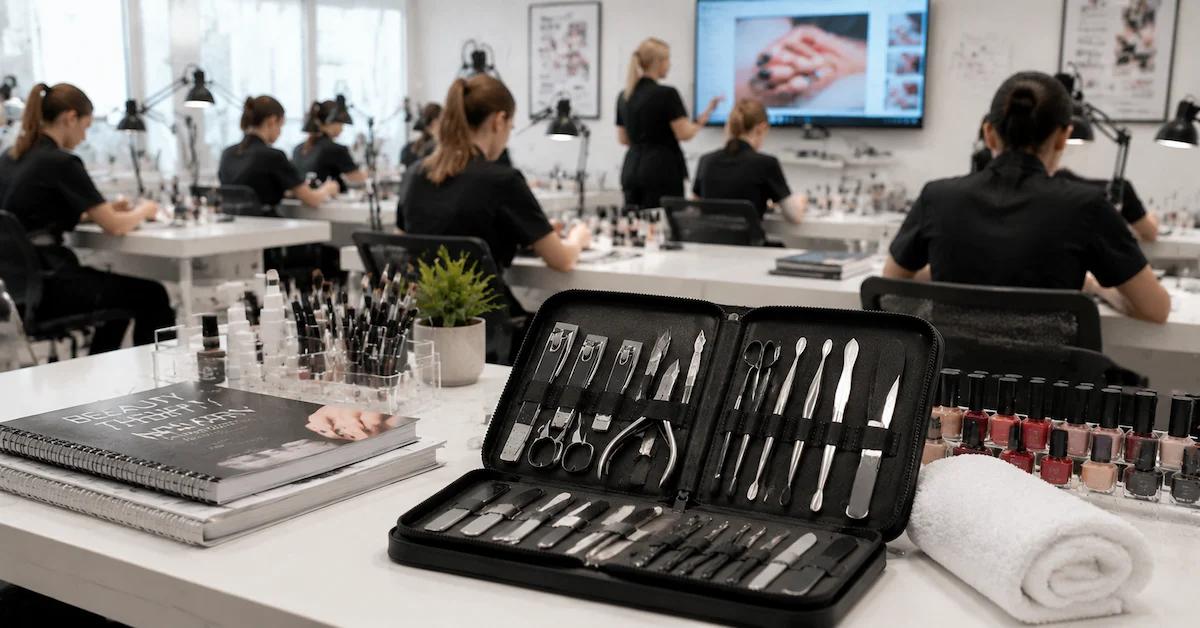
1. Why the right beauty-school toolkit matters more than it first appears 2. What a practical training kit usually needs to cover 3. A quick-reference way to think about kit contents 4. Material and construction: what buyers can infer, and what they should not assume 5. How this differs from general salon equipment 6. Selection criteria that actually help in a purchasing decision 7. Common mistakes schools and buyers make 8. Practical advice for training programs and salon starters 9. What this product picture tells a buyer at a glance 10. FAQ for buyers comparing beauty training kits 11. Is a nail kit relevant when shopping for hairdressing school tools? 12. Should schools prioritize tool count or tool quality? 13. Why does the case matter so much? 14. Final buying thought

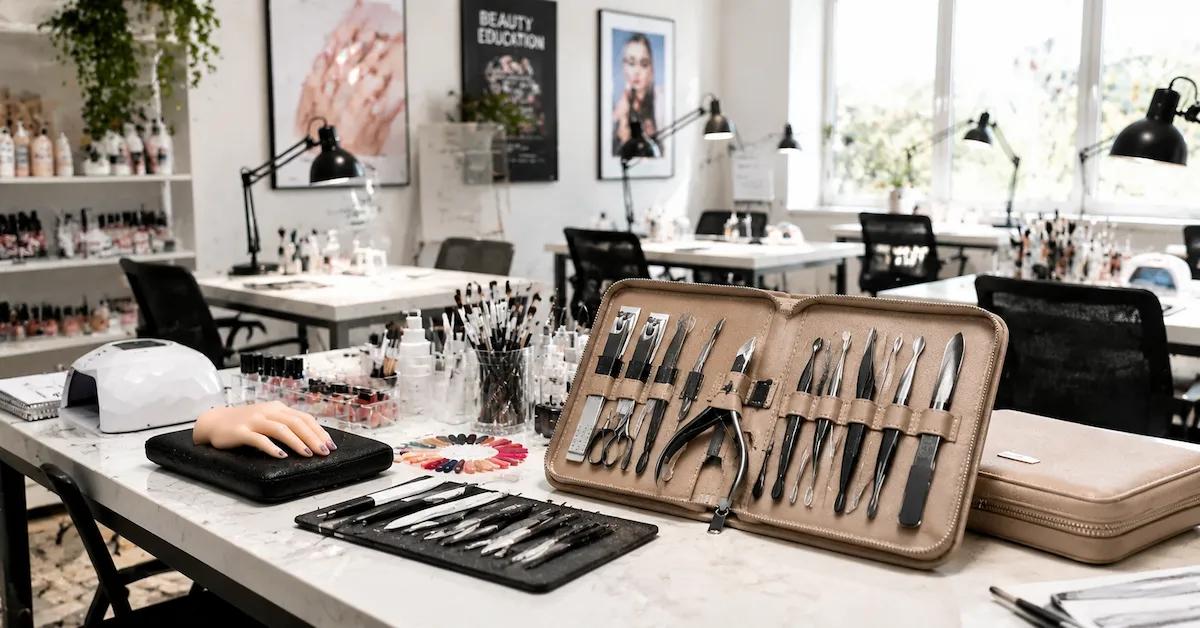
1. Why professional beauty tools matter before a student ever sees a client 2. What a training-focused beauty kit is designed to do 3. Key features buyers should notice first 4. How schools and salons should evaluate salon training equipment 5. Why esthetician school tools need to be easy to teach from 6. Materials and construction: what is visible, and what should be checked 7. Common mistakes buyers make with beauty training kits 8. What this kind of kit helps a new technician learn 9. Buyer guidance for schools, salons, and training programs 10. FAQ 11. A practical next step for buyers
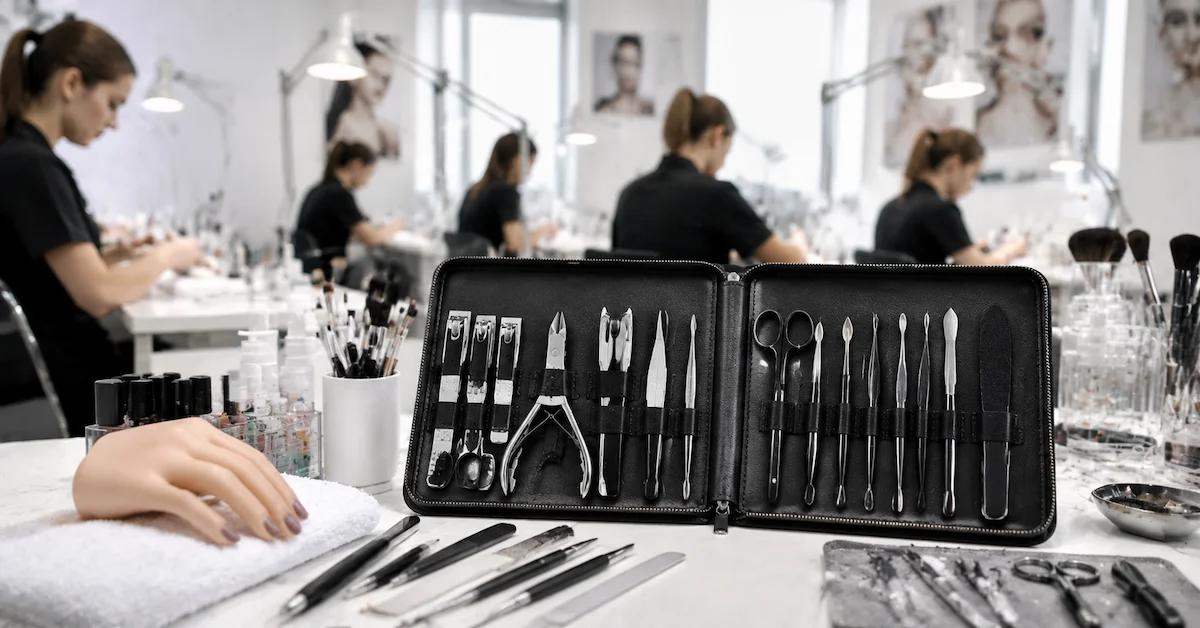
1. Why beauty schools need the right tool kits, not just more supplies 2. What a training-ready manicure and pedicure kit usually needs to do 3. Quick-reference view: what buyers should look for 4. What is visible in this type of manicure kit 5. Why the case matters more than many buyers expect 6. How schools can evaluate beauty tools before buying 7. Common mistakes when sourcing cosmetology school tools 8. What this kind of kit is best suited for 9. Buyer advice for sourcing teams and program directors 10. FAQ: practical questions schools often ask 11. Next step for buyers
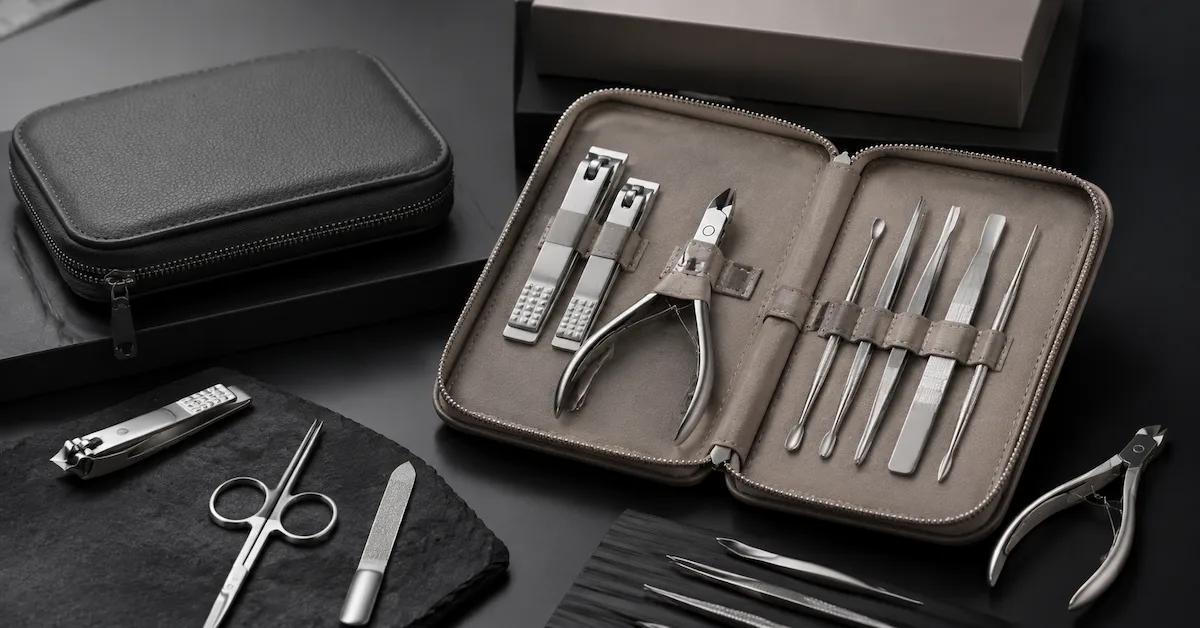
1. Why buyers look for a custom grooming kit manufacturer 2. What a private label grooming kit usually needs to do well 3. Typical structure of a custom grooming kit 3.1 Case construction 3.2 Tool assortment 3.3 Finish and presentation 4. Where this product fits in the market 5. Selection criteria buyers should not skip 6. Common mistakes in grooming kit sourcing 7. Practical advice for sourcing teams 8. FAQ 9. What to request before you place an order
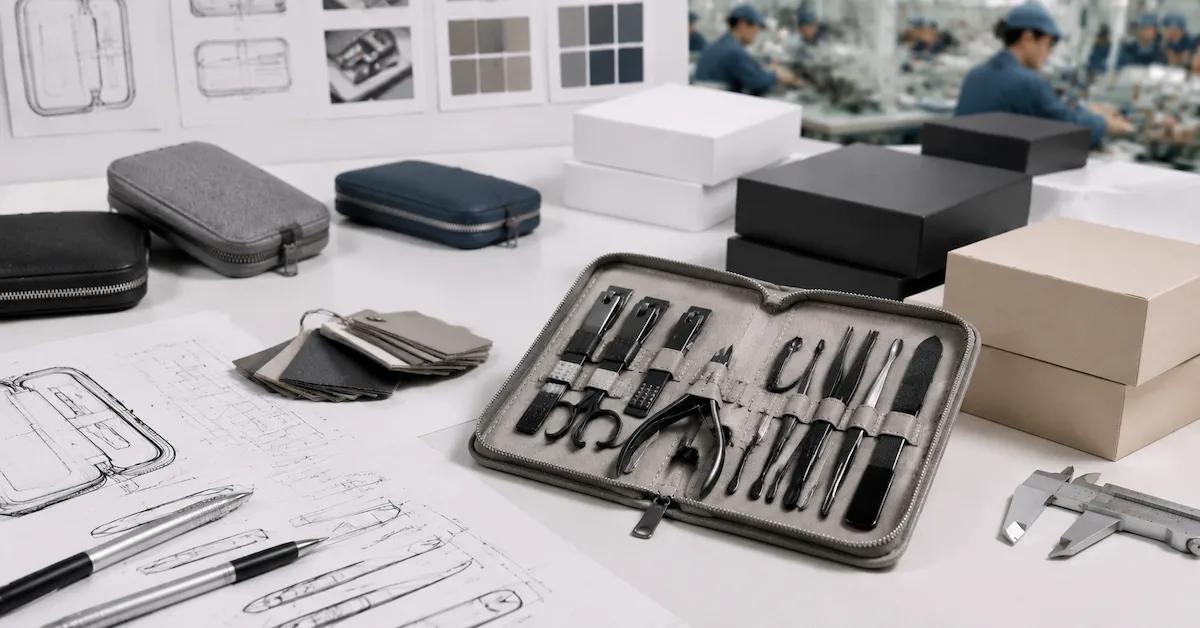
1. What buyers are really asking when they search for a custom grooming kit manufacturer 2. A quick look at what a good kit has to do 3. What the product structure suggests 4. Why OEM and private-label projects take more coordination than they first appear 5. Core selection criteria for sourcing teams 6. Common mistakes buyers make with grooming kit programs 7. How to evaluate a custom grooming kit supplier before you commit 8. What this product type is best suited for 9. Questions to ask during sampling 10. FAQ 11. Next step for sourcing teams
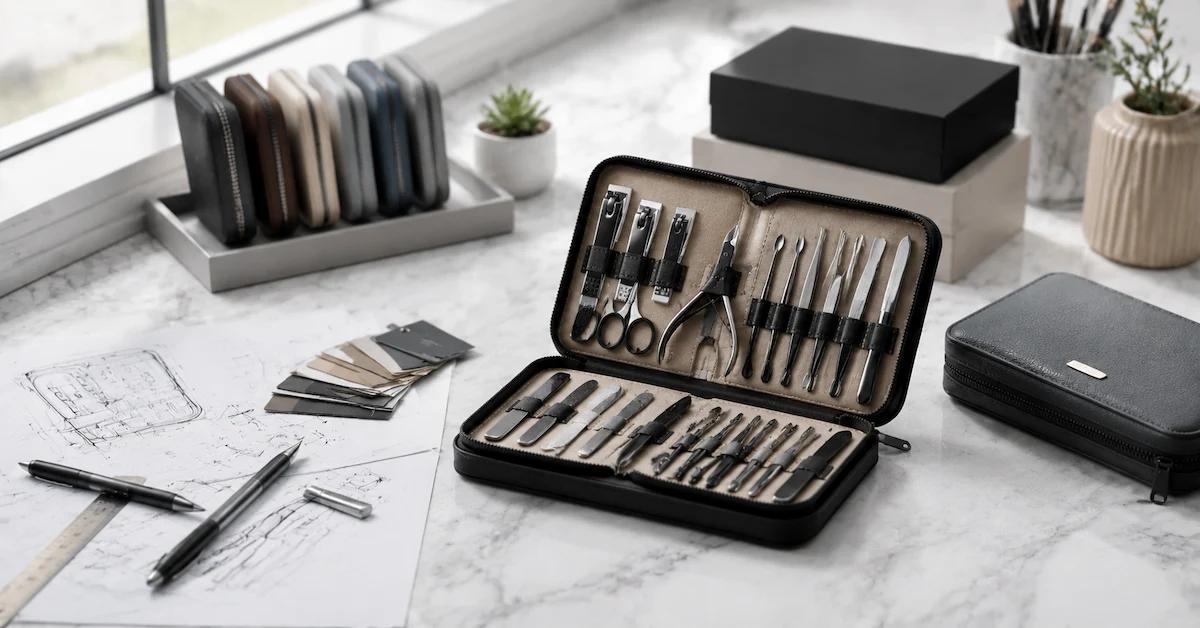
1. What buyers really mean when they search for a custom grooming kit manufacturer 2. What is typically inside a custom grooming kit 3. Why the case matters as much as the tools 4. Common buying scenarios for these kits 5. What to look for when comparing manufacturers 6. Selection criteria that actually affect the end product 7. Common mistakes buyers make 8. Practical questions to ask before placing an order 9. Why this product format keeps selling 10. FAQ for sourcing teams 11. Next step for buyers