











What buyers really mean when they search for a custom grooming kit manufacturer
When sourcing teams look for a custom grooming kit manufacturer, they are rarely shopping for a simple box of nail tools. They are usually trying to solve a packaging, branding, and merchandising problem at the same time. The product has to look credible on a shelf, travel well in a bag, and still feel like a useful everyday item once the customer opens it. That balance is harder than it sounds, especially when the order needs to support private label grooming kit programs, retail gifting, or salon resale.
A grooming kit is one of those small products that can quietly damage a brand if the details are off. A loose clipper, a flimsy case, or tools that shift around in transit can make the whole set feel cheap. On the other hand, a compact, well-organized set with a protective hard case gives buyers something they can assess quickly: function, presentation, and portability. Those are the three things that matter most here.
What is typically inside a custom grooming kit
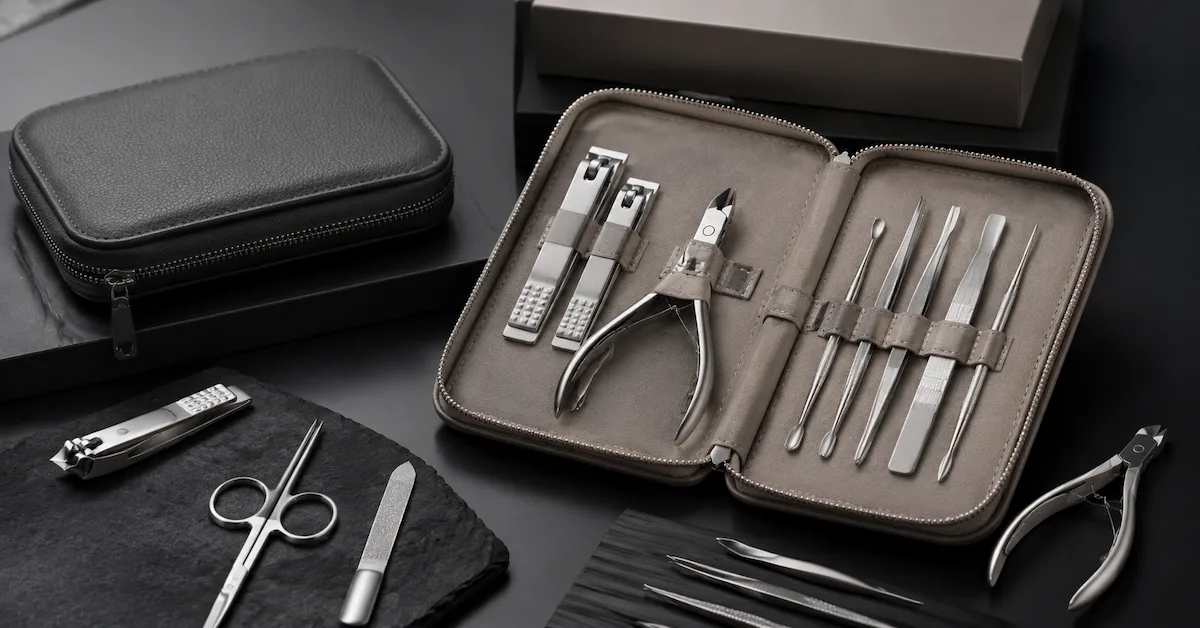
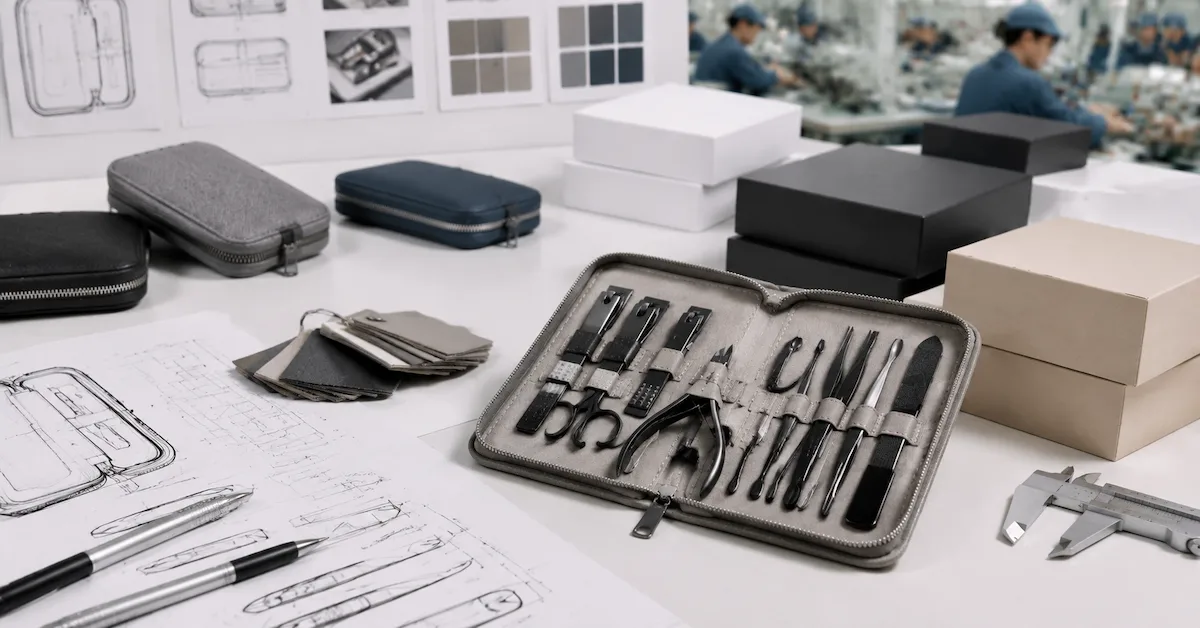
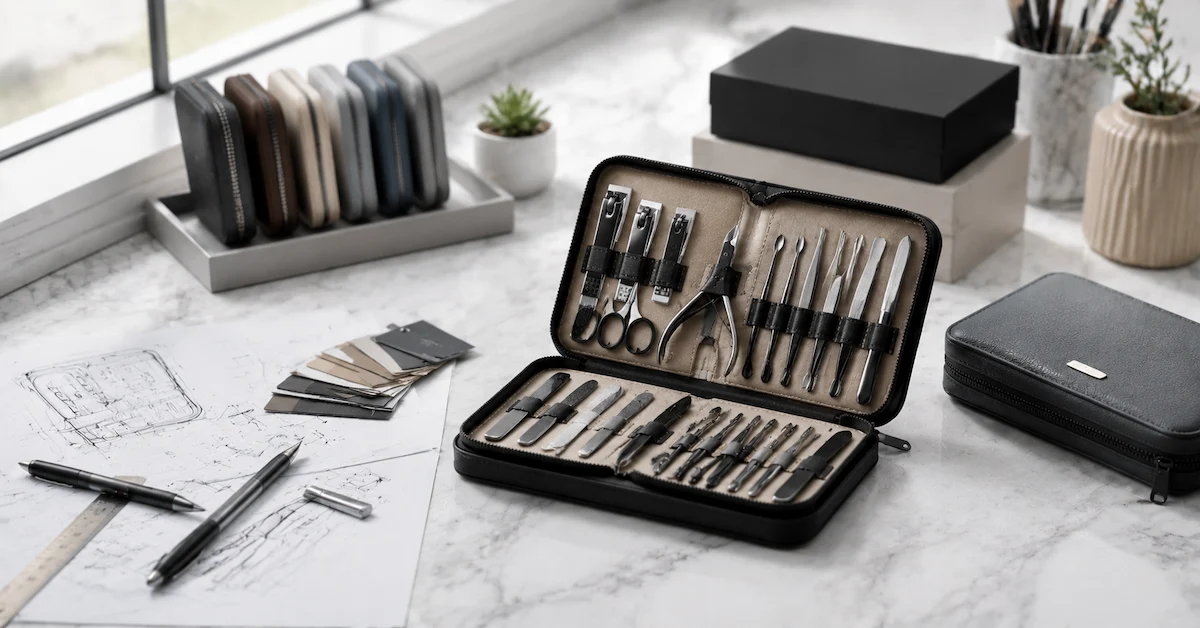
Based on the product format described here, the kit is a manicure-pedicure tool set in a zippered hard case. That kind of set usually includes a mix of nail clippers, scissors, cuticle nippers, tweezers, and several smaller grooming tools such as pushers, files, or pedicure implements. The visible layout matters almost as much as the tools themselves. If each item sits in an elastic strap or fixed position, the set feels more controlled and more giftable.
The case design is also part of the product story. A black molded or semi-rigid shell with a textured exterior and a zip closure suggests a focus on portability and protection. That is a practical choice for travel sets and retail grooming kits because the case keeps the contents together and reduces the chance of damage in a bag or drawer. The light-colored interior lining, meanwhile, makes the tools easier to see at a glance, which is a small but useful detail for end users.
Why the case matters as much as the tools
For many buyers, the case is not just packaging. It is the product’s perceived value. A set of polished metal tools inside an unstructured pouch can feel unfinished. Put the same tools into a rigid, neatly arranged case and it reads more like a complete system. That perception matters in promotional programs, retail displays, and private label personal care lines where the customer judges quality in seconds.
There is also a practical angle. A hard or semi-rigid case helps protect sharp or pointed items from rubbing against each other. It also keeps the set cleaner during transport. I would still advise buyers to ask how the tools are retained inside the case, because elastic straps can loosen over time if the layout is not well considered. That is one of those small details that often gets missed until samples arrive.
Common buying scenarios for these kits
The same core product can serve very different channels.
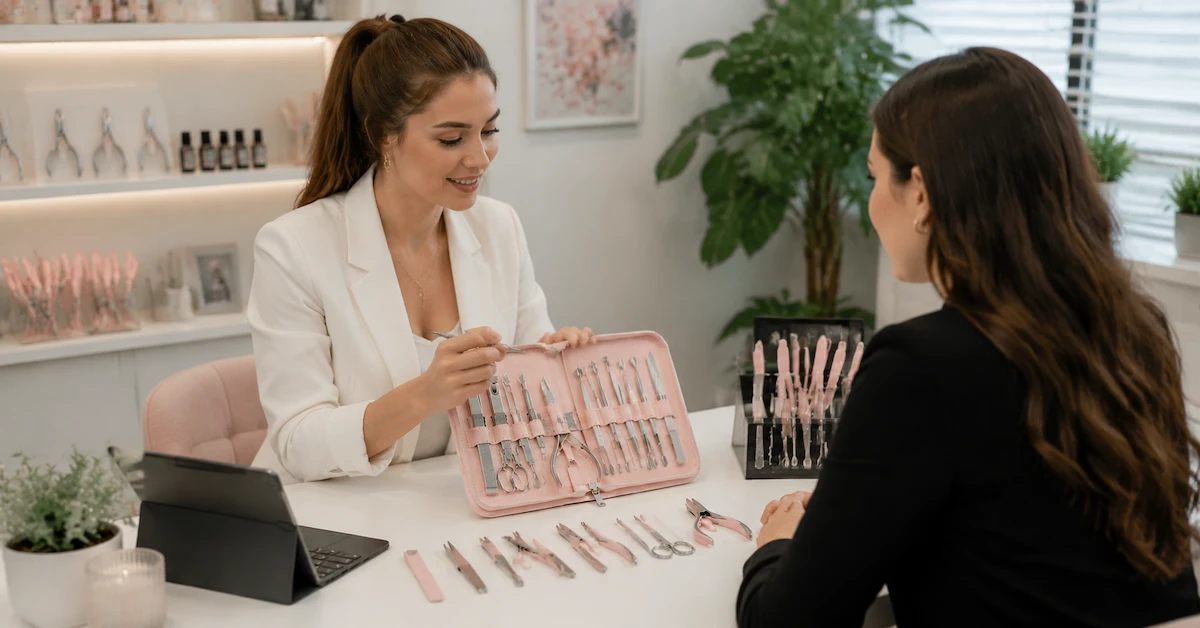
Retail buyers often want a compact set that looks polished on shelf and feels giftable. The visual arrangement of tools, the case finish, and the overall footprint become part of the sales story.
Salon and spa buyers may want a practical kit for resale or customer convenience. In those cases, the emphasis tends to be on usefulness, tool assortment, and a clean presentation.
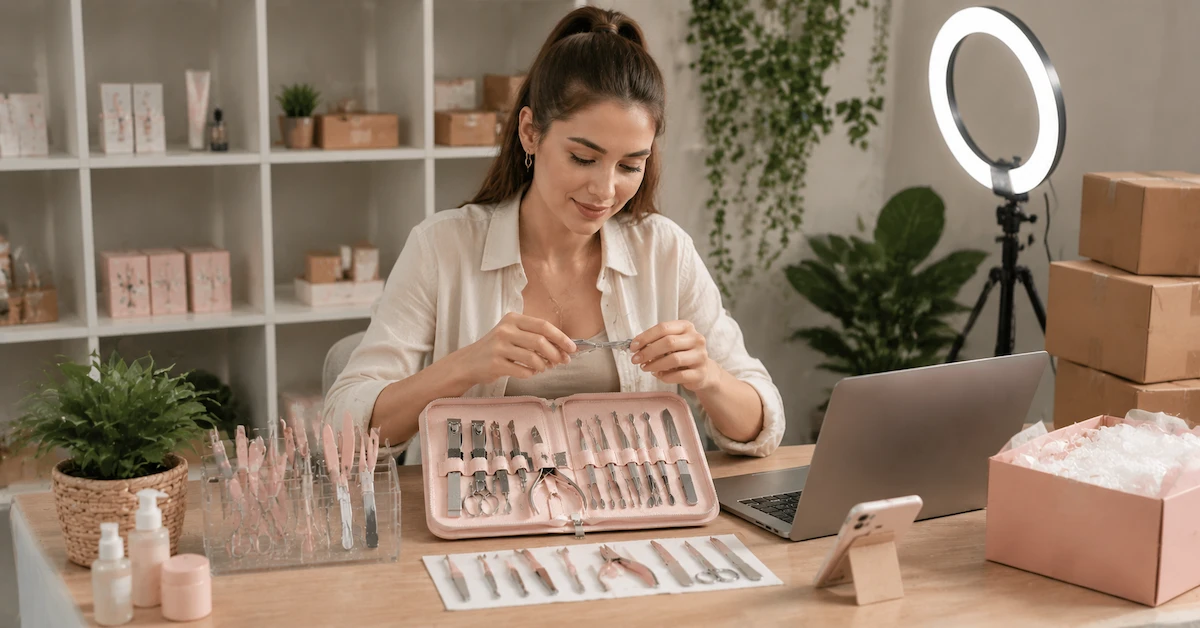
Promotional buyers and brand owners usually care most about customization. They may want a logo on the case, a coordinated colorway, or a tool mix that aligns with their brand position.
That is why a custom grooming kit supplier is often judged not just on assembly, but on flexibility. Can the factory adapt the tool set? Can it modify the case surface or interior layout? Can it support a private label grooming kit launch without making the buyer redesign everything from scratch?
What to look for when comparing manufacturers
Not every manufacturer that assembles grooming kits is equally useful to a sourcing team. The right partner should be able to handle both product consistency and presentation details.
A few points are worth checking early:
Tool assortment: The visible product includes mixed metal hand tools, which is a good sign for versatility. Ask whether the set can be changed for different markets or price points.
Case structure: The exact material is not confirmed here, so buyers should verify whether the case is leather, PU, EVA, or another synthetic construction. That affects cost, feel, durability, and branding options.
Tool retention: Elastic straps are common, but they should hold tools firmly enough to avoid rattling and misalignment.
Finish consistency: Polished metal tools can look premium, but only if the finish is even across the set.
Branding options: Private-label programs often depend on case decoration, insert cards, or packaging labels rather than the tools alone.
Supply flexibility: If the product is meant for different sales channels, the factory should be able to support variant builds without turning every order into a custom engineering project.
Selection criteria that actually affect the end product
Engineers and product teams often focus on materials first, while sourcing managers look at price and lead time. For grooming kits, you need both views at once, but the deciding factor is usually the user experience.
Tool assortment should match the intended use. A travel set does not need the same breadth as a salon resale set. Overloading the case with too many small implements can make the set feel busy rather than useful.
Storage discipline matters. If the tools move around inside the case, the product can look disorganized even before first use. That is not just cosmetic; it also affects perceived quality.
The outer case should suit the channel. A compact, zippered shell is often a smarter choice for travel and gift formats than a soft pouch, because it gives the set a more structured presence.
The branding surface should be planned early. A private label grooming kit is easiest to execute when the manufacturer understands where the logo, label, or mark will live and how it will reproduce on the chosen material.
Common mistakes buyers make
One frequent mistake is treating all grooming kits as interchangeable. They are not. A set aimed at a pharmacy shelf needs different visual cues than one intended for a corporate gift program.
Another issue is assuming the tool count tells the whole story. A multi-piece kit can still be poor value if the tools are awkwardly packed or if the case feels cheap in hand.
Some buyers also forget to confirm the exact case material. That matters more than many people expect. The description may say hard case or zippered shell, but that still leaves open the question of PU, EVA, molded synthetic, or something else. Each one behaves differently in production and use.
A final caution: do not assume the product is ready for professional-grade claims unless the supplier has supplied supporting evidence. The safest approach is to describe the set by its visible structure and intended channel, not by overstating performance.
Practical questions to ask before placing an order
Here is the short list I would use in a buyer-supplier conversation:
Can the tool mix be customized for our market?
What is the actual case material and interior lining construction?
How are the tools secured inside the case during shipping?
What branding methods are available for the exterior?
Can the supplier produce the same kit in different colorways or packaging formats?
What quality checks are performed on the assembly before packing?
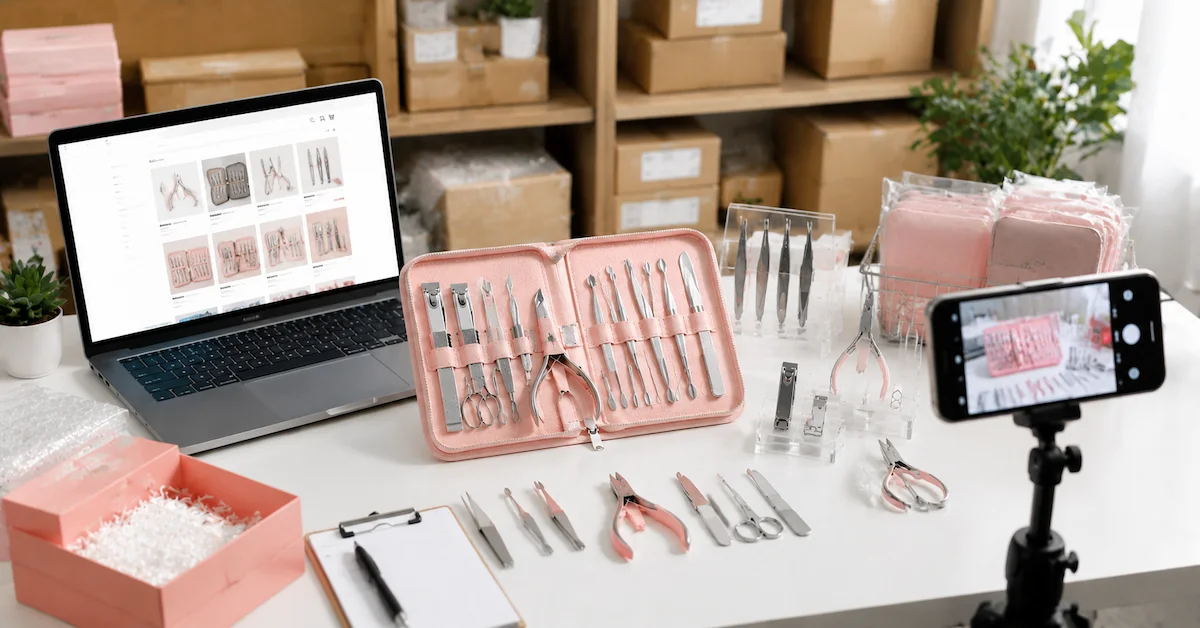
Those questions may sound basic, but they reveal whether the manufacturer is truly set up for OEM work or just assembling off-the-shelf parts.
Why this product format keeps selling
The market for compact grooming sets stays healthy because the product solves an everyday problem without demanding much shelf space. People want portable tools. Retailers want a clean display item. Brand owners want something that can carry a logo without looking like a disposable giveaway. The zippered hard case and organized tool layout answer all three needs at once.
That said, the category is crowded. If the kit is going to stand out, the details must be deliberate: a sensible assortment, a case that feels sturdy, and presentation that looks finished rather than improvised. Buyers notice that instantly, even if they do not say it out loud.
FAQ for sourcing teams
Is this type of grooming kit better for retail or promotional use?
Both. The structured case and mixed tool assortment make it suitable for retail, but the same format also works well for private label and promotional programs.
Can the contents be changed?
Usually yes, if the manufacturer supports OEM assembly. The exact degree of customization depends on the factory’s tooling and packaging setup.
What should I verify in samples?
Check tool fit, case closure, visual alignment, finish consistency, and how the kit holds up when opened and closed repeatedly.
Next step for buyers
If you are comparing a custom grooming kit manufacturer or a custom grooming kit supplier, start with the sample in your hand, not the product description on paper. Open the case, check the retention, study the finish, and make sure the assortment matches the market you are serving. A well-built private label grooming kit does not need to be flashy. It just needs to look coherent, carry the brand cleanly, and survive the way people actually use it.