Beauty Tools for Online Stores: How to Choose Kits That Sell
Beauty tools for online stores sell best when they are easy to understand at a glance, organized enough to trust, and practical enough to use after delivery. That sounds simple, but it is where many listings fail. A kit may look attractive in a photo and still underperform if the assortment is unclear, the case is flimsy, or the product feels too generic to justify a purchase.
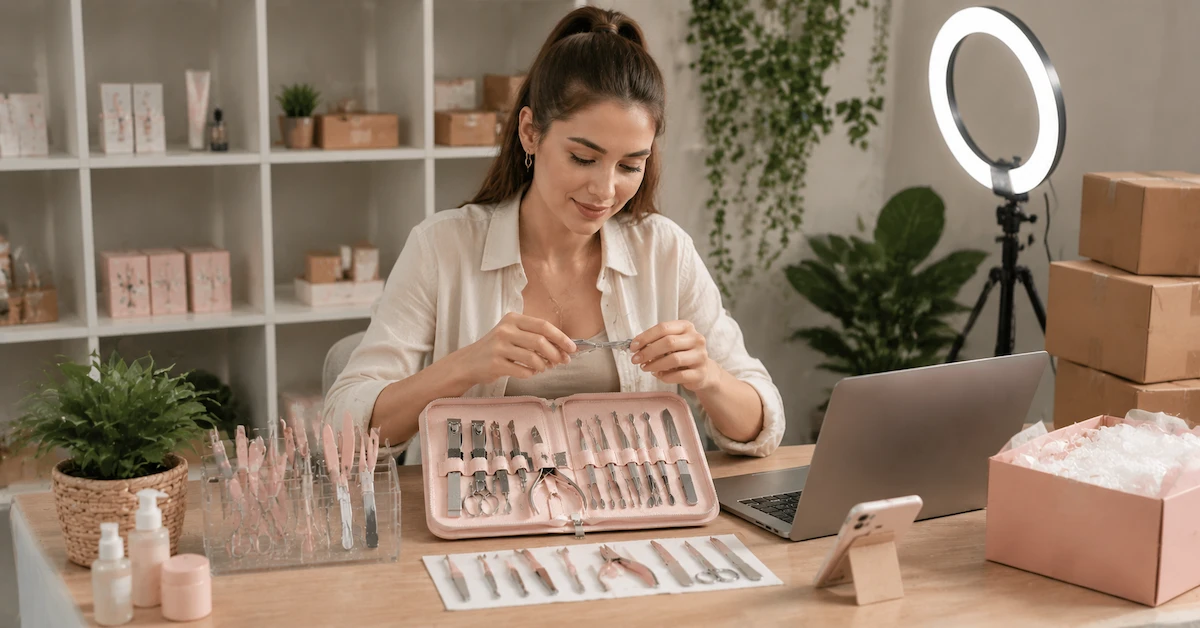
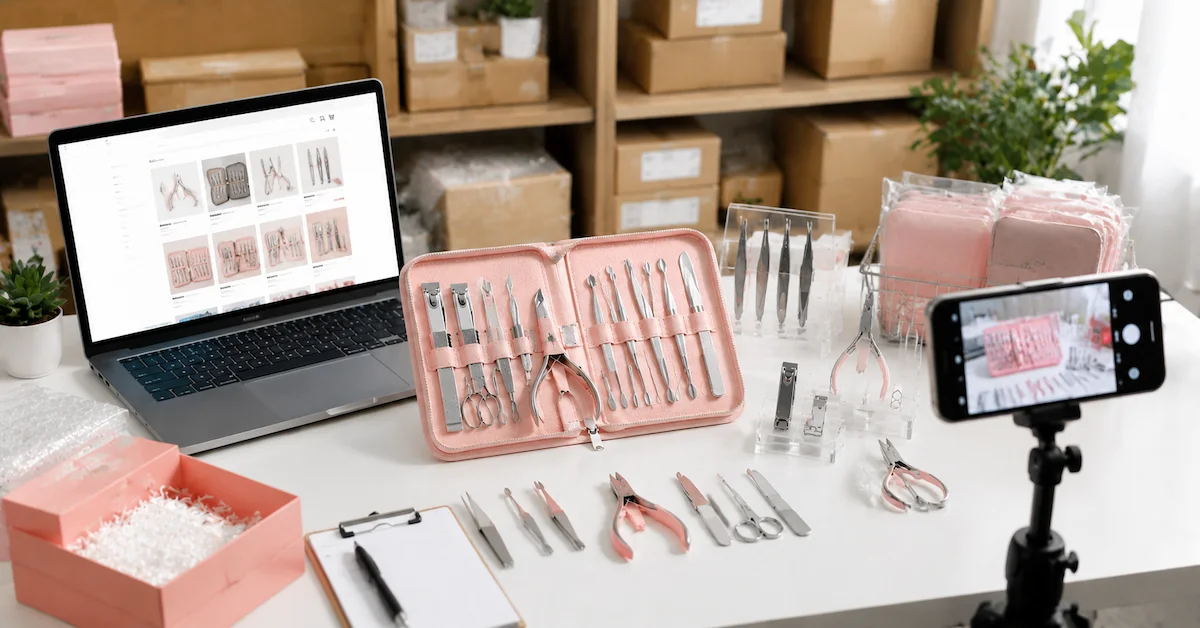
This guide focuses on one clear topic: how to evaluate beauty tool kits for ecommerce, salon retail, and presentation-led selling. It uses the same buying logic that applies to a manicure or pedicure set with assorted metal implements, pink handles, and a pink carry case with stitched retention slots. In that type of product, the case is not just packaging; it is part of the value proposition.
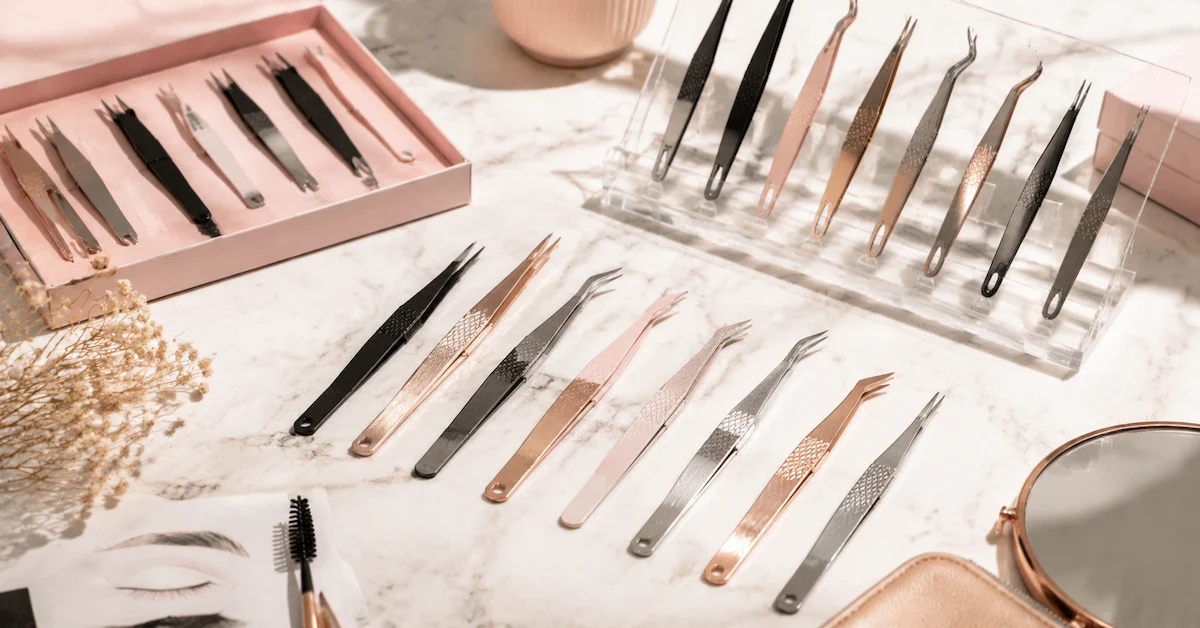
If you are building a range, comparing supplier samples, or deciding how to list a set online, the goal is the same: choose a kit that photographs cleanly, ships safely, and feels complete when the customer opens it. For a broader view of product formats, you can also review the current product range or compare options in the beauty collection.
What shoppers are really buying
Online shoppers rarely buy beauty tools for the tools alone. They are buying convenience, order, confidence, and a sense that the set will solve more than one small problem. A manicure or grooming kit promises fewer separate purchases, less clutter, and easier storage. That is why the same product can appeal to home users, salon customers, gift buyers, and mobile professionals for different reasons.
In a listing, the customer is quietly asking a few practical questions: Does this set include the pieces I actually need? Will the tools stay in place? Does the case make the product look hygienic and reusable? Will it fit in a drawer, travel bag, or salon station? If the answer to those questions is obvious, the listing has a better chance of converting.
For sets built around nail care, utility matters more than decoration. Buyers want tools that suggest real tasks: shaping, trimming, cuticle care, cleaning, and general grooming. A pretty case can help, but it cannot make up for a weak assortment. The product should communicate that it is useful first and giftable second.
What makes a kit easier to sell online
The most reliable ecommerce performers tend to share the same traits. None of them is flashy, but they reduce uncertainty and make the product easier to understand.
- A visible assortment: Shoppers should be able to tell what is included without guesswork.
- Clear organization: A fold-open case or fixed slots make the set feel intentional and reusable.
- Consistent finish: Matching handles, polished metal, and a neat case improve the first impression.
- Safe presentation: Tools should stay aligned during shipping and storage.
- Simple value story: The product should explain why this set is easier than buying loose pieces.
A pink-handled manicure and pedicure set in a pink carry case is a good example of how appearance and function can support each other. The color gives the set a recognizable identity, while the stitched retention slots help the tools look orderly. That combination is often more useful than an oversized assortment with poor presentation.
For ecommerce teams, the product page should answer three things quickly: what the set is, how it is stored, and who it is for. If the customer has to work too hard to infer those points, the listing will lose momentum.
Quick comparison: what to prioritize by sales channel
The best kit for one channel is not always the best kit for another. A salon shelf, a marketplace listing, and a training counter all reward different strengths. Use the table below to match the kit to the channel instead of trying to force one universal version into every channel.
| Sales channel | What matters most | What to show or verify | Common mistake |
|---|---|---|---|
| Salon retail | Credibility, organization, reusable storage | Neat case layout, tool consistency, tidy finish | Choosing a set that looks decorative but not serious |
| Marketplace listings | Clarity, complete visuals, low return risk | All pieces in one frame, open case view, clear tool shapes | Images that hide the assortment or storage format |
| Training and demos | Portability, quick access, orderly presentation | Tools that stay in place and open neatly | Bulky kits that are hard to reset between uses |
| Gift or impulse purchase | Visual appeal, compactness, perceived value | Case color, finish quality, clean packaging | Overcomplicating the set with too many unrelated pieces |
| Private-label range | Consistency, repeatable assembly, branding space | Stable case construction, predictable finish, clear labeling | Building a line that changes too much from batch to batch |
How manicure and pedicure kits are typically made
Understanding how these kits are assembled helps buyers evaluate where quality can slip. The tools themselves are usually metal components that go through cutting, forming, sharpening or edge finishing, and polishing. Some pieces may also receive a plated or coated finish, depending on the design. The case is a separate component, often cut and stitched from fabric or a synthetic material, then fitted with retention slots or elastic-style holders.
That split matters because the product is only as reliable as its weakest part. A metal tool can look polished and still disappoint if the edge is inconsistent or the handle finish feels rough. Likewise, a strong-looking case can be undermined by loose stitching, snagging closure hardware, or slots that stop holding the tools after repeated opening.
Buyers should inspect the kit as a system, not as separate pieces. Check how the tools sit in the case, whether the open-and-close action feels smooth, and whether the arrangement remains tidy after handling. If the set is meant for repeated use, the storage design should support that use instead of making it harder.
For consumer goods sold into different markets, it is also sensible to check current product safety expectations and the supplier documents that support them. If you sell into the EU, review the General Product Safety Regulation; if you sell in the U.S., check Consumer Product Safety Commission guidance where relevant. Always verify the current version and ask the supplier for the documents that apply to the exact item you plan to list.
What to inspect before you buy or list
Before placing an order or publishing a listing, inspect the product with the same questions a customer would bring to it after delivery. A simple internal checklist can save time later.
- Assortment clarity: Can you identify every tool and explain its purpose?
- Finish consistency: Do the tools look matched, aligned, and free from obvious surface flaws?
- Case construction: Are the seams, slots, and closure built to hold up through handling?
- Storage logic: Does the layout make it easy to put the tools back in place?
- Listing accuracy: Does the product copy match what is physically supplied?
- Shipping readiness: Will the set stay organized during transit?
These are small checks, but they matter because beauty tools are low-tolerance products in ecommerce. A bent tool, a loose slot, or a confusing photo can affect the entire customer experience. The best kits reduce friction from the first image to the first use.
When reviewing samples, ask whether the tool package and the case were designed together or assembled separately. A well-matched set usually feels more deliberate. A poorly matched one may still sell, but it is harder to position as premium or giftable.
How to choose the right assortment for your channel
The right assortment depends on who will use the kit and where it will be sold. More pieces are not always better. What matters is whether the set covers the expected use case without feeling cluttered.
For salon retail
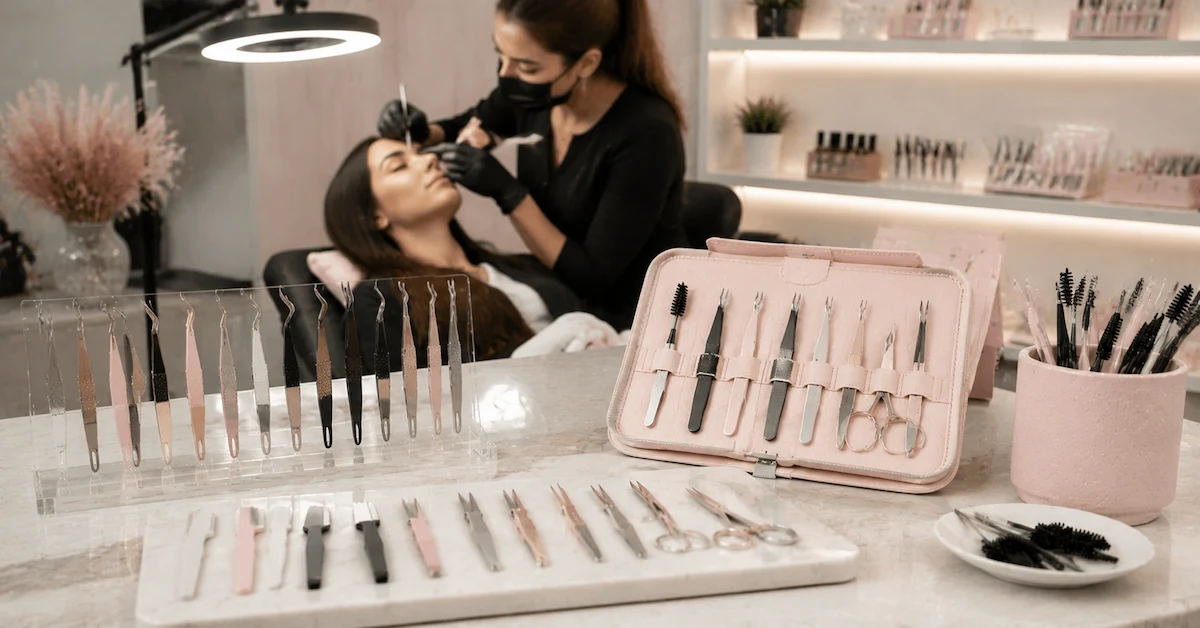
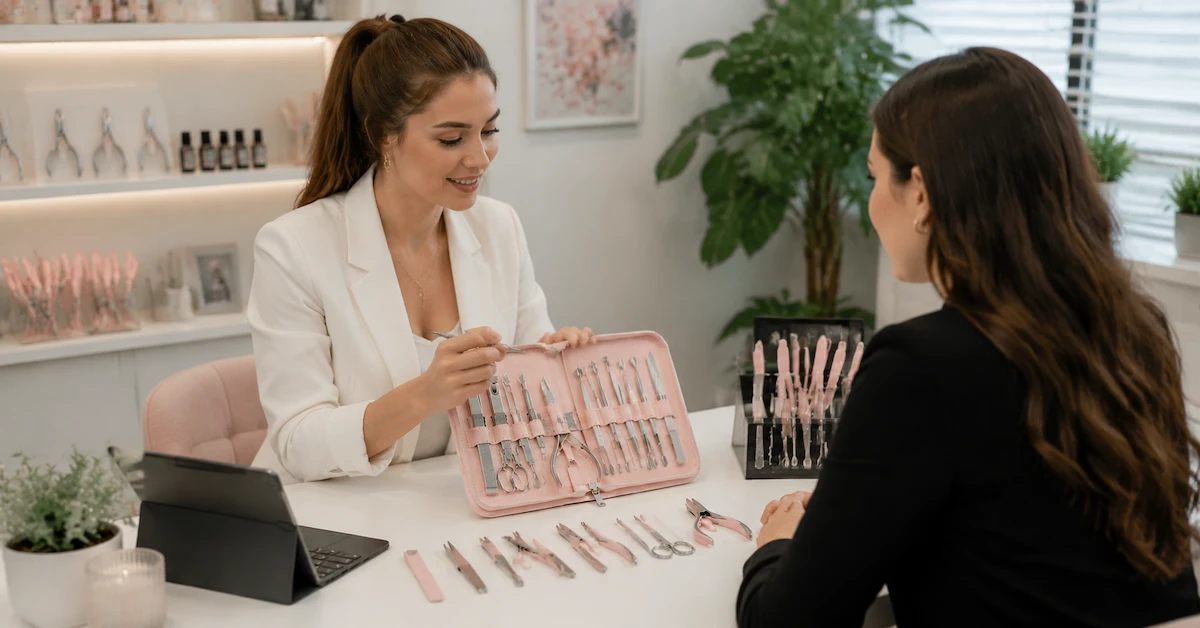
Salon buyers usually want the set to look credible beside professional products. That means clean organization, a reusable case, and a practical mix of tools that suggest routine grooming rather than novelty. The goal is not maximum variety. The goal is a tidy, trustworthy set that fits a salon environment.
For marketplace listings
Marketplaces reward clarity. Show the entire kit, the inside of the case, and the shape of each tool. If the case opens flat, show that. If the tools are retained by stitched slots, make that visible. Buyers on crowded platforms often make fast decisions, so the listing must do the explanatory work.
For training, demos, and presentation use
Training counters, beauty schools, and mobile presentations value portability and easy reset. A compact case that opens neatly and keeps tools in place can support a demonstration better than a larger set with loose components. In these settings, order and speed often matter more than breadth.
Supplier evaluation questions that reduce risk
A good supplier conversation should go beyond appearance and focus on how the kit is built, packed, and described. If you are evaluating a beauty tool assortment, ask questions like these:
- What materials are visible on the tools, handles, and case?
- How are the tools finished and assembled?
- How is the case constructed, and how are the retention slots secured?
- What exactly is included in the set as shipped?
- What documents can support the product description and market-specific compliance review?
- How should the product be described without overstating performance claims?
For private-label buyers, consistency is especially important. If you plan to place the set alongside other beauty accessories, the finish, case color, and assembly quality should look intentional from one unit to the next. Small changes in alignment or trim can become obvious once the product reaches a customer.
If you need a new assortment or want to compare several kit styles, send your requirements through a sourcing inquiry or contact the team with the channel you are targeting. Clear channel information makes supplier feedback more useful.
Common mistakes buyers make with beauty tools online stores
One of the most common mistakes is choosing a kit because it looks good in a single image. Visual appeal matters, but it does not replace structure. If the assortment is unclear or the case does not hold the tools well, the product can still generate returns even when the photography is strong.
Another mistake is making claims that are broader than the supplier evidence supports. Unless the documentation confirms a specific material, coating, or performance feature, keep the copy careful. Avoid language that implies professional-grade durability, sterilization compatibility, or corrosion resistance unless those points are verified for the exact item.
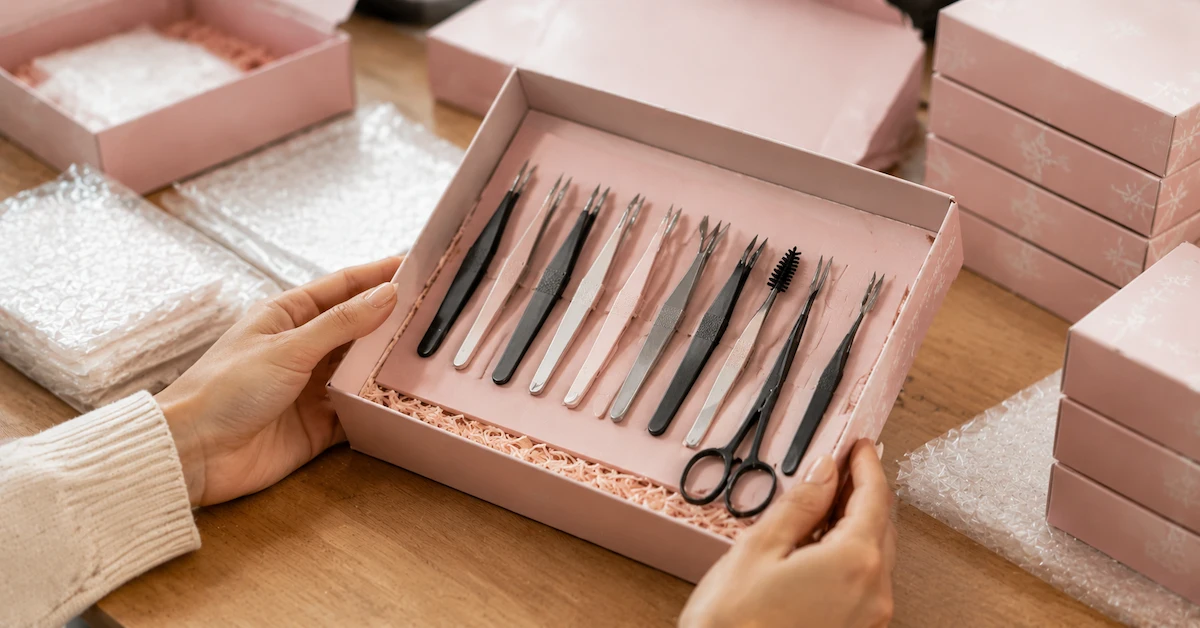
Buyers also sometimes ignore packaging fit. The outer box may look polished, but if the case shifts inside the package, the customer may receive a scuffed or disorganized set. In this category, presentation is part of the product experience, not a separate layer.
Finally, do not copy the same listing language across beauty categories. Makeup tools, hair styling tools, and nail care kits all live under the beauty umbrella, but they are not bought for the same reasons. Nail tools are judged by organization, precision, and usability. Hair tools are judged differently. The message should follow the product, not the category label alone.
FAQ
Can I request samples before placing a larger order?
Yes, sample requests are a sensible part of sourcing beauty tools. Use the sample to check finish, case construction, tool fit, and how the set photographs in your own listing style.
What if I need customization?
Customization usually starts with the case, presentation, labeling, or assortment layout. Share the channel you are targeting so the supplier can respond with options that match the intended use.
How do I judge quality without overcomplicating the process?
Focus on simple, repeatable checks: alignment, smooth handling, case retention, clean stitching, and accurate product content. A kit that passes those checks is easier to sell and easier to support after launch.
How should I think about lead time?
Lead time depends on the exact product configuration, order scope, and packaging requirements. Ask the supplier to confirm timing for the version you want, rather than assuming a standard timeline applies to every set.
What is the safest way to launch a new kit online?
Start with a clear product description, honest imagery, and a channel-specific use case. If the kit is designed for salon retail, say so. If it is better suited to gifting or travel, present it that way instead.
The decision that matters most
The most important choice is not whether the kit looks attractive in isolation. It is whether the product works as a complete ecommerce item: easy to understand, easy to store, easy to inspect, and easy to trust. A manicure or pedicure set with assorted metal implements, pink handles, and a stitched pink carry case succeeds when the structure supports the appearance.
If you evaluate beauty tools this way, you reduce the gap between the listing and the customer experience. That usually leads to better conversions, fewer support issues, and a cleaner fit for your channel strategy. If you are building that kind of assortment now, start by reviewing product options, confirming the exact contents, and matching the kit to the place it will actually be sold.
For the next step, you can explore available beauty tool options or send your brief through the inquiry page if you want a kit matched to a specific retail channel.