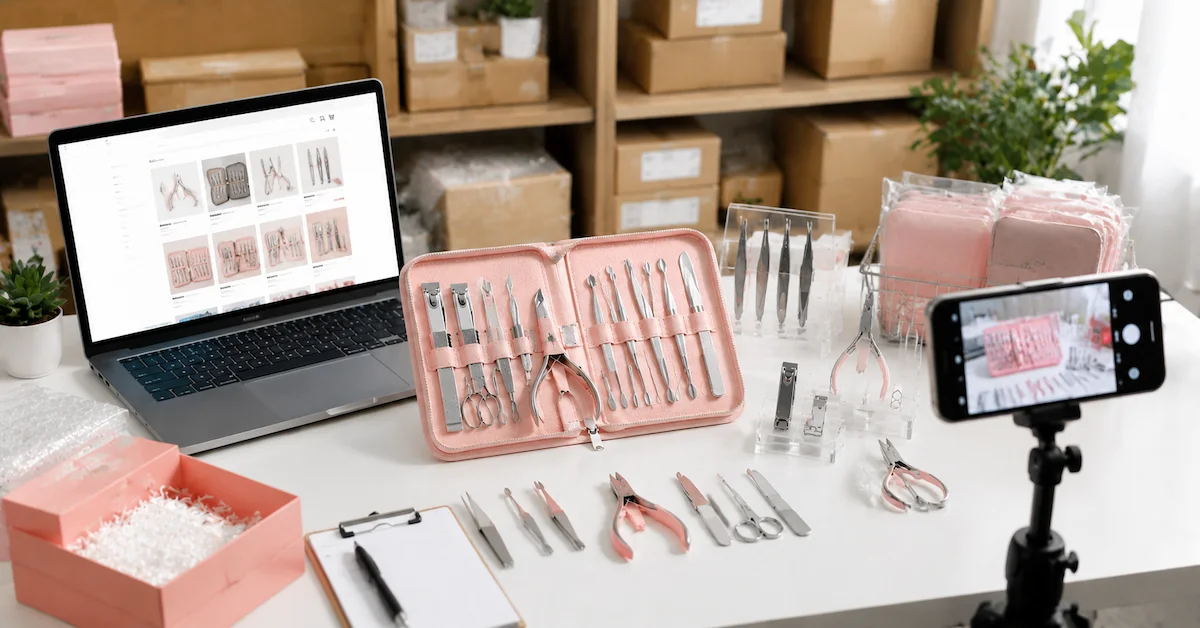
Wholesale Eyebrow Tools: A Practical Buyer Guide for Professional Kits
Wholesale eyebrow tools look simple, but buyers should treat them as precision grooming products with both functional and retail expectations. A useful eyebrow kit must help technicians brush, shape, trim, isolate and finish brows efficiently, while also presenting well in a case that protects the tools during storage, travel and merchandising.
For salons, lash studios, beauty supply distributors, cosmetic counters and private-label teams, the main sourcing question is not only which tools are included. It is whether the full set is consistent, easy to inspect, suitable for the intended use and supported by clear supplier information. The following guide explains what to review before ordering eyebrow grooming tools wholesale, including components, materials, finishes, case quality, customization, cost factors and supplier evaluation.
What Buyers Usually Need from a Wholesale Eyebrow Tool Set
A professional eyebrow tool set should support the normal grooming workflow from preparation to finishing. In practice, that means the set should allow the user to brush brow hair into position, identify stray hairs, remove or refine hairs with tweezers, trim longer ends with scissors and return the tools neatly to a case.
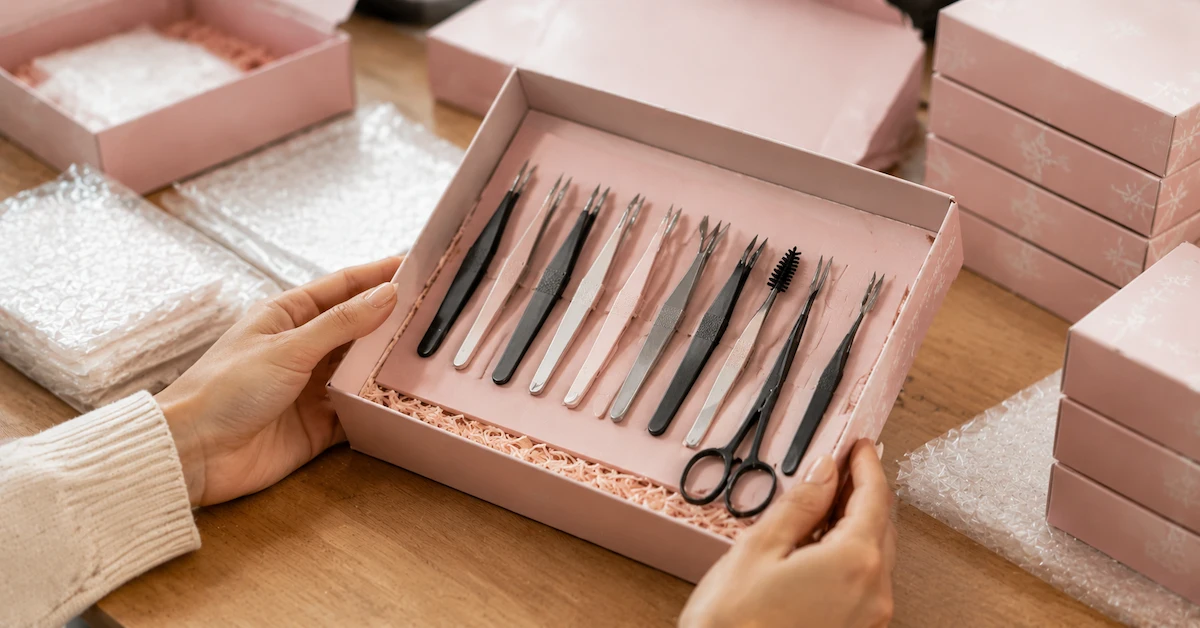
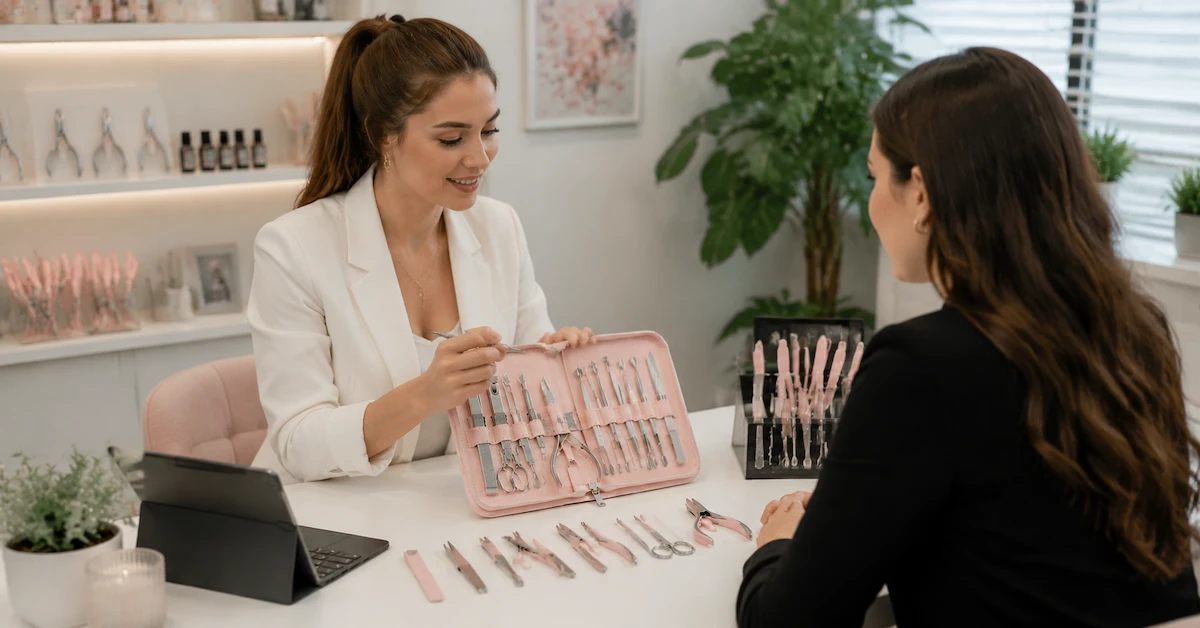
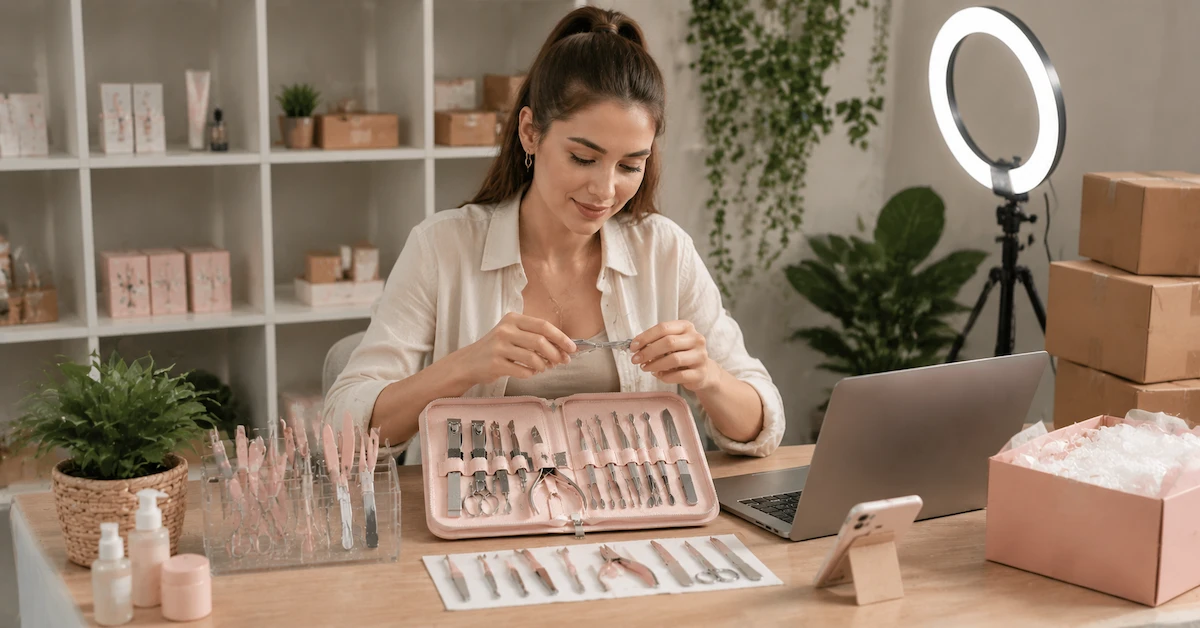
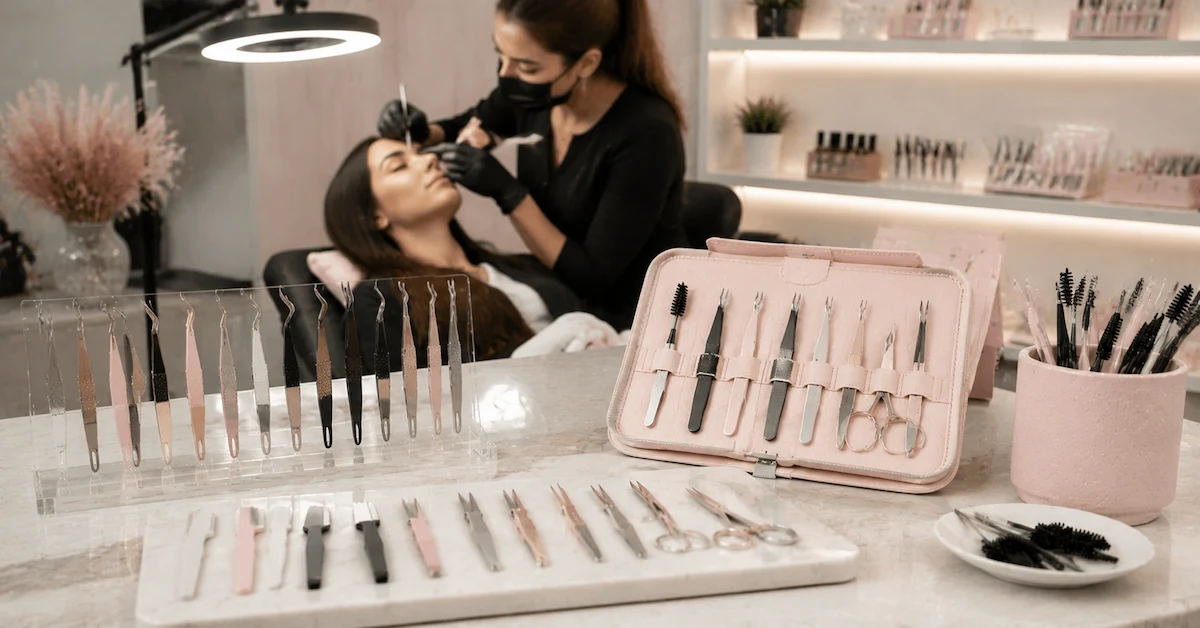
The product style described here is a compact multi-tool eyebrow grooming kit with slim metal tools, black spoolie brushes and a pink zippered case. That combination is relevant for both professional and retail channels because it gives buyers a complete, portable presentation rather than loose individual tools. The case is not only packaging; it is part of the product experience. A kit that stays organized is easier for a mobile technician to carry and easier for a retailer to display.
Before comparing suppliers, define the target channel. A salon-use kit may place more emphasis on grip, alignment, repeated handling and cleaning routines. A retail giftable kit may place more emphasis on color, case finish, compact presentation and perceived completeness. A beauty supply distributor may need both: reliable function and shelf appeal.
Core Components in Professional Eyebrow Grooming Tools
Most wholesale eyebrow kits combine several small grooming tools. The exact assortment can vary, but buyers should understand the purpose and risk points of each component before approving a sample.
Tweezers
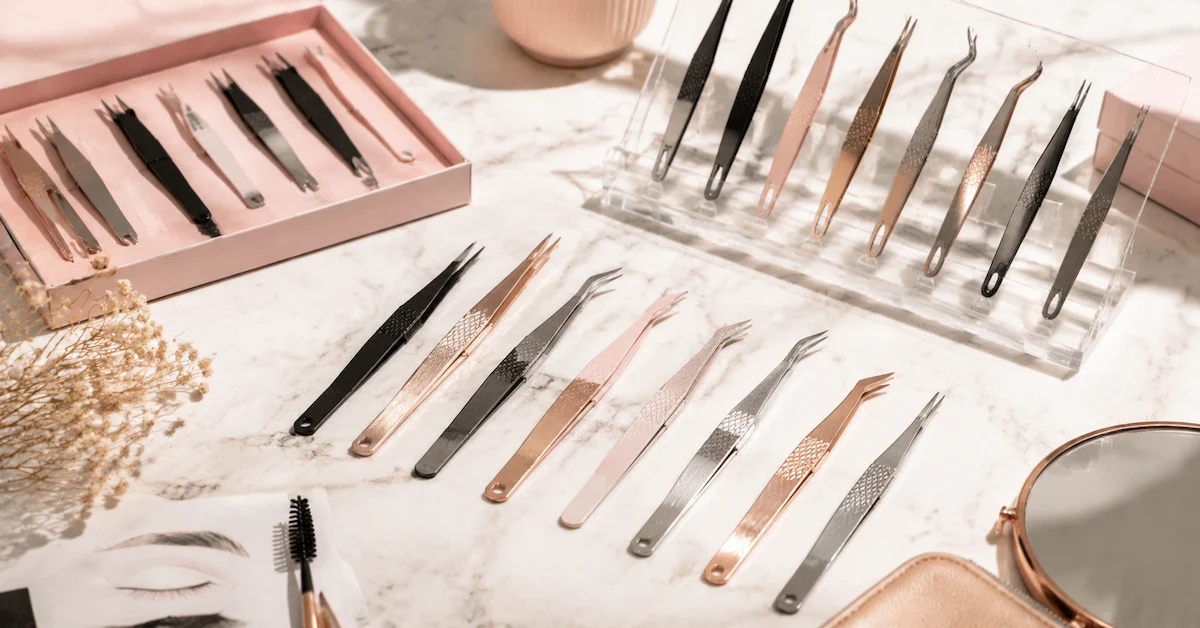
Tweezers are usually the most important metal tool in an eyebrow set. They may have slanted, angled or pointed tips depending on the intended use. For B2B sourcing, tip alignment is more important than appearance alone. The tips should meet cleanly, close evenly and grip fine hairs without excessive force. Poorly aligned tweezers create immediate user frustration because they slip during detail work.
During sample review, open and close each tweezer repeatedly. Check whether the spring tension feels controlled, whether the arms twist sideways and whether the tips meet from edge to edge. If the kit contains more than one tweezer style, inspect each one separately rather than approving the set based on the best-looking tool.
Scissors and Trimming Tools
Small brow scissors are used after brushing the hair upward or outward. Their job is not heavy cutting; it is controlled trimming in a small area near the face. That makes pivot feel, edge consistency and handle comfort important. A scissor can look clean in a product photo but still bind, loosen or feel unstable in use.
Buyers should check whether the scissors open smoothly, close without grinding and cut cleanly at the tip as well as nearer the pivot. If scissors are included primarily for retail value, they still need to perform well enough that the end user trusts the set.
Spoolie Brushes
Black spoolie brushes are common in eyebrow grooming kits because they help align brow hair before trimming or shaping. They are a lower-cost component compared with metal tools, but they strongly affect the user impression. A spoolie that bends too easily, sheds or sits crooked in the case can make the whole kit feel less professional.
Inspect brush heads for firmness, straightness and secure attachment to the handle. For retail assortments, also check whether the brush color and handle finish match the visual language of the full kit.
Organizer Case
The zippered pink case is a practical feature for wholesale buyers. It supports portability, keeps tools together and gives the product a finished retail presentation. A case with pockets, loops or stitched holders also reduces movement inside the kit, which helps protect tool finishes from rubbing during transport.
When reviewing samples, do not treat the case as secondary. Check zipper action, seams, lining, pocket retention and how securely each tool sits in its assigned position. If the case is too loose, tools may scrape each other. If it is too tight, users may struggle to remove and replace tools quickly.
Materials, Coatings and Finish Questions to Ask
The supplied product information indicates metal eyebrow tools that appear to be stainless steel or coated metal, combined with a faux-leather or similar synthetic case. This is a common structure for the category, but buyers should not rely on appearance to confirm material specifications. Ask the supplier to identify the tool material, coating process where applicable and case material used for the approved version.
Stainless steel can be a practical choice for small beauty tools, but the exact grade, surface treatment and finishing process affect corrosion behavior, cleaning suitability and long-term appearance. If a supplier describes a tool as stainless steel, request written material details and confirm whether the final production version matches the approved sample.
Coated or colored handles can improve shelf appeal, especially when matched with a pink case or a coordinated beauty theme. However, coatings should be evaluated for wear at contact points, edges and tool tips. A color finish that chips easily can quickly reduce perceived quality even when the underlying tool remains usable.
For synthetic cases, review the outer finish, interior lining, stitching, zipper and any adhesive points. Faux leather or leatherette materials are often chosen because they provide a polished presentation without the maintenance requirements of real leather. Still, case durability depends on construction details, not only on the material name.
If products will be sold into regulated markets, ask the supplier which chemical or material declarations are available for the destination region. Depending on market and product scope, buyers may need to review requirements such as EU REACH restrictions or California Proposition 65 warnings. Requirements can change, so verify current versions and request supplier documents rather than assuming compliance from a product description.
How to Compare Eyebrow Tool Kits Before Ordering
Good wholesale evaluation combines functional testing, visual inspection and pack-out review. A kit can look attractive online and still fail in daily use if the tweezers slip, the scissors bind or the tools do not sit securely in the case.
Use the following checklist when comparing eyebrow grooming tools wholesale:
| Inspection Area | What to Check | Why It Matters |
|---|---|---|
| Tweezer tips | Alignment, grip, closing consistency and spring feel | Determines precision and technician confidence |
| Scissors | Pivot smoothness, edge contact, tip cutting and handle comfort | Affects trimming control and repeated-use comfort |
| Spoolie brushes | Brush straightness, firmness, shedding and handle attachment | Influences preparation, finishing and perceived value |
| Metal finish | Scratches, burrs, coating coverage and visible defects | Impacts retail appearance and user trust |
| Case construction | Zipper, stitching, pocket retention, lining and tool fit | Protects the set and improves portability |
| Pack-out consistency | Correct tool count, placement and final presentation | Reduces returns, complaints and repacking work |
| Supplier documentation | Material details, product photos, packing method and compliance documents where needed | Supports repeat orders and market entry review |
For a first review, request samples that represent the actual proposed configuration, not a generic showroom set. If the supplier offers several eyebrow and beauty tool assortments, compare options through the wider beauty tool product range so the selected kit fits your assortment rather than duplicating existing items.
Cost Factors That Influence Wholesale Eyebrow Tools
Price is important, but buyers should understand what drives cost before choosing the lowest quote. Eyebrow kits combine several cost layers: metal tool construction, surface finish, number of components, case material, packaging, customization, inspection requirements and order complexity.
A larger component count can raise perceived value, but only if every tool is useful. Adding tools that do not support the brow workflow may increase cost and clutter without improving the user experience. In many cases, a focused set with strong tweezers, reliable scissors, good brushes and a well-made case is more commercially sensible than a crowded kit with inconsistent tools.
Finish choices also influence cost. Polished, satin, matte or coated appearances may require different processing and inspection attention. A colored handle or coordinated case may support retail positioning, but buyers should ask how color matching and surface quality are controlled in production.
Packaging can also change the economics. A zippered case may be part of the product, while an outer carton, sleeve, label or retail box may be part of the sales channel requirement. If the kit is intended for beauty supply shelves, product teams should review barcode placement, warning labels where applicable, language requirements and display orientation. For online sales, protective shipping and photography consistency may matter more.
Common Sourcing Mistakes and How to Avoid Them
The most common mistake is approving the appearance without testing the tools. Eyebrow grooming is detailed work. If the tweezers do not grip or the scissors do not cut smoothly, the case color will not save the product.
Another mistake is ignoring batch consistency. A single sample may be acceptable, but wholesale orders require repeatable assembly. Ask how the supplier checks tool count, placement, finish defects and case condition before packing. Buyers should also keep an approved sample for comparison so future shipments can be reviewed against a clear reference.
Some buyers also overvalue the number of tools in the set. More pieces can help retail presentation, but too many low-relevance tools can confuse the user and increase inspection burden. Match the kit to a real use case: salon brow grooming, lash studio retail add-on, mobile makeup kit, cosmetic counter accessory or personal grooming bundle.
Finally, do not assume cleaning, sterilization or rust-resistance performance unless the supplier provides specific documentation for the exact product. Beauty professionals often follow local sanitation rules set by state boards, health departments or salon regulators. Those rules vary by location and may change, so buyers should verify current requirements and confirm whether the selected tools and case materials are suitable for their intended cleaning procedures.
Supplier Evaluation Questions for B2B Buyers
Choosing an eyebrow tool supplier is about more than finding a matching product photo. The supplier should be able to explain the kit configuration, material options, finishing choices, packing method and customization possibilities without making unsupported claims.
Before placing a larger order, ask practical questions such as:
- Which components are included in the approved eyebrow kit, and can the assortment be adjusted?
- What material is used for the metal tools, and are written specifications available?
- Is the pink case material synthetic leather, another coated material or a different option?
- How are tweezers, scissors and brushes inspected before packing?
- Can the supplier provide current compliance documents required for the destination market?
- What customization options are available for case color, logo placement, tool mix or outer packaging?
- How are samples prepared, and will production match the approved sample?
For assortment planning, it can help to review related beauty tools by category through the Olimor collection page. This makes it easier to decide whether eyebrow kits should be sold as standalone items, bundled with lash tools or positioned as part of a broader grooming line.
Best-Fit Use Cases for This Product Style
A compact eyebrow tool kit with metal tools, spoolie brushes and a zippered pink case is well suited for beauty salons, lash studios, cosmetic counters, mobile makeup artists and personal grooming retail. It is especially relevant where buyers want a coordinated all-in-one kit rather than separate loose tools.
For salons and lash studios, the benefit is workflow convenience. Technicians can keep brow tools organized between appointments and reduce time spent searching for small accessories. For mobile professionals, the case helps protect tools during travel and supports a more polished presentation in front of clients.
For retail buyers, the coordinated color and case format can make the product easier to merchandise as a giftable or self-care item. The product should still be selected on function first, but shelf appeal matters in beauty channels. A neat kit can communicate value quickly, particularly when the tools sit securely and the case opens cleanly for product demonstration.
Practical Next Step for Wholesale Buyers
The best next step is to review a physical sample and test it as a complete kit. Open the case, remove each tool, test the function, replace the tools and inspect how the set looks after handling. This simple review often reveals whether the product is genuinely ready for salon, retail or distributor use.
If you are building a new beauty tool line or comparing eyebrow grooming tools wholesale, prepare your preferred tool mix, case style, packaging needs and destination market requirements before requesting a quotation. You can send product details or sample questions through Olimor inquiry, or contact the team directly through the contact page for sourcing discussion.
FAQ for Sourcing and Product Teams
Can I request samples before ordering wholesale eyebrow tools?
Yes. Buyers should request samples for functional review, finish inspection and case evaluation before confirming a larger order. The sample should reflect the intended tool mix, case style and packaging as closely as possible.
Is there an MOQ for customized eyebrow tool kits?
MOQ can depend on the selected components, case material, logo method, packaging and production plan. Ask for the current MOQ based on the exact configuration you want rather than assuming one standard quantity.
Can the kit be customized with different tools, colors or branding?
Customization may be possible for tool assortment, case color, logo placement or outer packaging, depending on the project. Confirm available options, artwork requirements and whether a pre-production sample can be reviewed.
How should buyers confirm quality before shipment?
Use an approved sample, written specifications and a checklist covering tweezer alignment, scissor action, brush condition, finish defects, case construction and packing accuracy. Request supplier documentation that matches the destination market and product scope.
How long does production or delivery take?
Lead time can vary based on order quantity, customization, packaging and production scheduling. Buyers should confirm the current timeline with the supplier when requesting a quotation and before making launch commitments.