

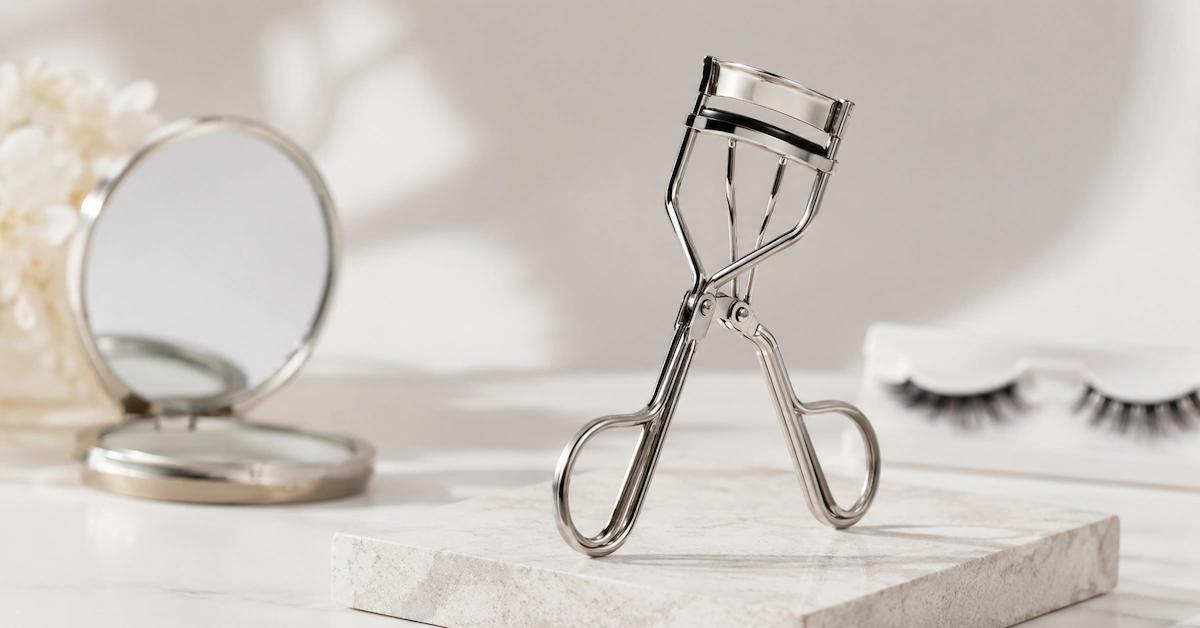
When sourcing a beauty tool, the phrase eyelash curler manufacturer usually means more than “who can make the part.” Buyers are often trying to solve a practical product question: which eyelash curler factory can build a tool that feels comfortable in the hand, clamps evenly across the lash line, finishes well enough for retail shelves, and can be supplied consistently for private label or distribution programs.
That matters because eyelash curlers look simple, but simple products can still cause sourcing headaches. A small issue in the pivot, the pad, the loop handles, or the plated finish can change how the tool performs and how customers judge it. If the fit is awkward or the pressing bar does not align cleanly with the curved jaw, the product can feel cheap even if the metal work is decent. In beauty accessories, appearance and tactile quality are part of the buying decision, not an afterthought.
This article is for sourcing managers, product teams, and buyers who need to compare suppliers with a clear eye. It explains how the tool is built, what manufacturing steps usually matter, and what to ask before you place an order with an eyelash curler supplier.
What an eyelash curler is made to do
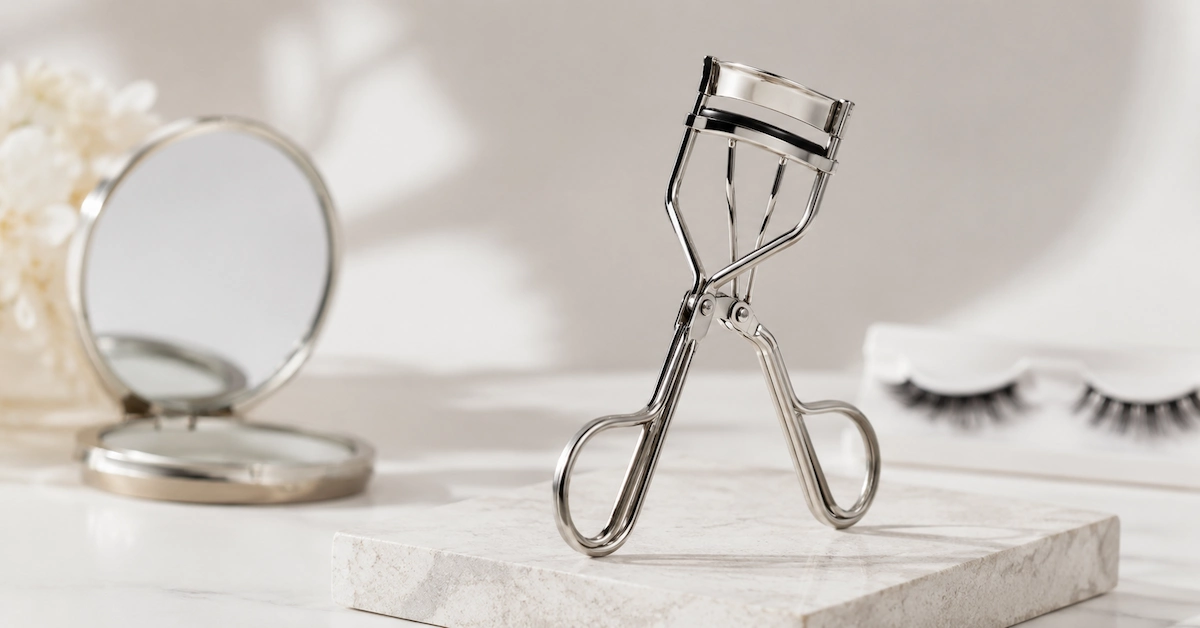
An eyelash curler is a hand-operated beauty tool used to shape eyelashes before mascara or other makeup application. The familiar scissor-style body has two finger loops, a pivot joint, and an upper clamping head with a curved lash pad or pressing bar. The geometry is the whole story here: the jaws need to follow the eyelid line closely enough to hold the lashes without pinching skin.
From a manufacturing standpoint, the product is compact, but it is not trivial. The tool has to open and close smoothly, align consistently, and keep a polished look after handling and packaging. The visible product form often includes a metal body with a silver finish and a dark silicone or rubber insert at the clamping area. That pad is one of the small parts that quietly determines whether the tool feels reliable or frustrating.
Typical manufacturing steps behind the tool
A capable eyelash curler manufacturer will usually combine several processes rather than rely on one. The exact route depends on the design, but the common sequence is familiar across hand tools.
Metal forming and shaping
The main frame is often created through metal stamping, wire bending, or a related forming operation. The scissor-style loops and the arched head need to be shaped with consistent symmetry. Small differences here can show up later as poor alignment between the upper clamping head and the pad.
Assembly and pivot control
The pivot joint is one of the most important functional points. It should allow a smooth squeeze without wobble or excessive stiffness. Even a visually attractive tool can feel wrong if the pivot is loose. Buyers sometimes focus too much on the surface finish and not enough on this mechanical feel, which is a mistake. A tool that looks premium but binds in the hand will disappoint end users quickly.
Surface finishing
The body of the curler often receives a polished silver finish, commonly through plating or similar finishing treatment. The goal is not only appearance. Finishing affects corrosion resistance, scratch visibility, and the overall retail impression. For beauty tools sold in cosmetics channels, a clean finish is part of the product positioning.
Pad installation
The black silicone or rubber pad at the clamping area is a small component, but it carries a lot of user confidence. It helps the jaws press the lashes more evenly and provides the compliant surface consumers expect from a reusable curler. The exact pad material and replacement method should be confirmed directly with the factory rather than assumed from photos.
Why buyers compare suppliers so carefully
On paper, many suppliers can offer an eyelash curler. In practice, buyers are choosing between different levels of execution. One supplier may be strong on cosmetic finish but weaker on assembly consistency. Another may offer a functional tool but with less refined packaging or less stable supply for repeat orders.
The decision is not only about unit price. It is about whether the product fits the channel. A salon supply program may tolerate a plain industrial look if performance is solid. A private-label retail program usually needs a more polished visual standard, and promotional sets may prioritize compactness and presentation. This is why the right eyelash curler supplier should be evaluated in the context of the intended market, not as a generic hardware source.
Key criteria to check before placing an order
1. Jaw alignment and closing feel
Ask for samples and test the closure by hand. The pad should meet the jaw evenly, without obvious twisting. If the geometry is off, customers may need to squeeze harder, which creates a poor first impression.
2. Finish quality under normal handling
The polished metal surface should look uniform from multiple angles. Minor visual marks may be acceptable in low-cost channels, but uneven finish on a beauty tool is easy to notice. The first touch often determines whether a consumer trusts the product.
3. Pad fit and replacement logic
The visible pad appears like a separate component, but do not assume it is interchangeable or replaceable unless the supplier confirms it. Buyers should ask how the insert is installed, whether replacements are available, and what the service life expectations are.
4. Consistency across batches
For retail and private-label programs, the real issue is not one good sample. It is whether the same feel, finish, and alignment can be repeated in volume. Ask the eyelash curler factory how it controls symmetry and assembly checks during production.
5. Packaging and channel fit
The tool itself may be compact and simple, but packaging shapes the perceived value. Some channels need blister packs, some need gift set coordination, and some need plain bulk cartons. Clarify these details early so the factory does not build around the wrong presentation.
Common sourcing mistakes with beauty hand tools
A repeated mistake is treating a beauty accessory like a commodity fastener. Buyers may approve a sample based on appearance alone, then discover the working feel is inconsistent. Another common issue is over-specifying details that the factory cannot verify, such as exact material grades or pad composition, while neglecting the everyday questions: does it close evenly, does the finish hold up, and does the handle feel balanced?
There is also a tendency to skip practical sample testing because the product looks straightforward. That is risky. The manual design is simple, but human comfort is not. A tool that feels awkward for a few seconds in a buyer’s hand can become a return problem once it reaches end users.
Where this product fits in the market
The visible design points to several common use cases: personal grooming, cosmetics retail, salon and beauty supply, private-label beauty tool sourcing, and promotional or gift sets. Because the tool is reusable and compact, it works well in multi-item beauty kits and impulse-buy retail displays. The polished metal finish also helps it sit comfortably in a more premium shelf presentation, provided the assembly quality matches the look.
For a sourcing team, that means the product can move across channels, but only if the factory understands the end-market expectation. A promotional buyer may care most about cost and packaging. A beauty retailer may care more about the tactile impression and visual consistency. A salon distributor may ask for sturdiness and steady replenishment. The same product family can serve all three, but not with the same specification priorities.
Questions to ask an eyelash curler manufacturer
Before you commit, ask direct questions rather than relying on catalog language.
What forming and assembly processes are used?
How is the pivot joint controlled for smooth movement?
What finish is applied to the metal body, and how is surface quality checked?
What is known about the pad material and installation method?
Can the supplier support private-label packaging or promotional set packing?
How is batch consistency verified for appearance and function?
These are not abstract questions. They determine whether the supplier is a true manufacturing partner or just a trading source that can quote a catalog item.
A practical buyer’s takeaway
If you are comparing an eyelash curler manufacturer, do not let the simplicity of the product fool you. The important decisions sit in the details: alignment, finish, pad fit, hand feel, and batch consistency. A reliable eyelash curler factory should be able to explain how those details are managed without overpromising what the product can do.
Use samples, check the closure by hand, and keep the discussion focused on actual use conditions. That approach saves time and avoids the common trap of approving a shiny sample that does not hold up as a commercial product.
Next step for sourcing teams
If you are shortlisting an eyelash curler supplier for private label, retail, or promotional programs, start with a sample review and a process discussion. Ask for the production route, the finishing method, and the pad installation details. Then compare the sample in the same way your customer will use it: by feel, by alignment, and by visual impression.
That is usually where the good suppliers separate themselves from the merely available ones.
Tag:
Related articles
- Beauty Tools Sourcing Guide
- OEM & Private Label
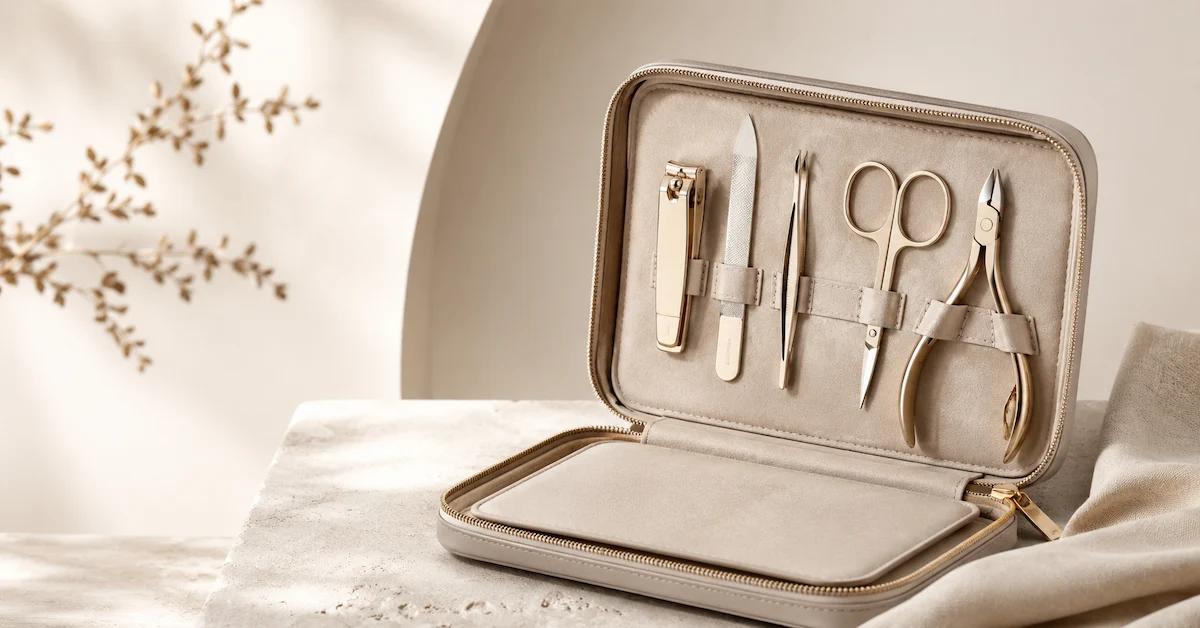
Private Label Grooming Kit Manufacturer: How Brands Build Custom Personal Care Sets
- Beauty Tools Sourcing Guide
- Lash & Brow Tools
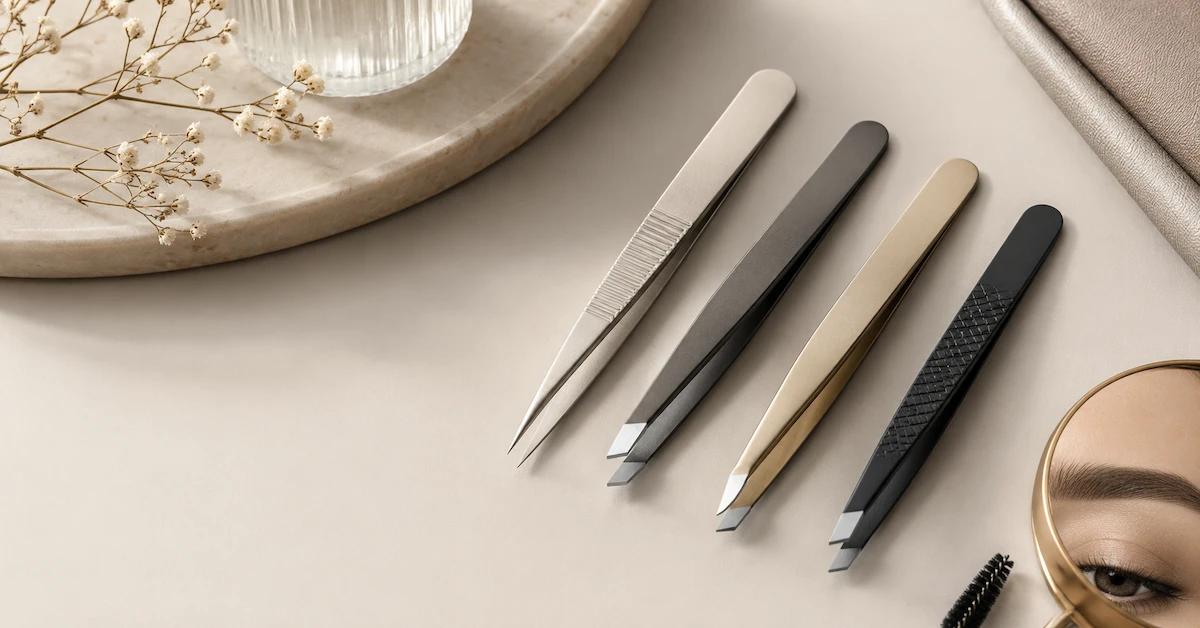
Tweezers for Eyrow Grooming Supplier: B2B Buying Guide for Beauty Brands
- Beauty Tools Sourcing Guide
- OEM & Private Label