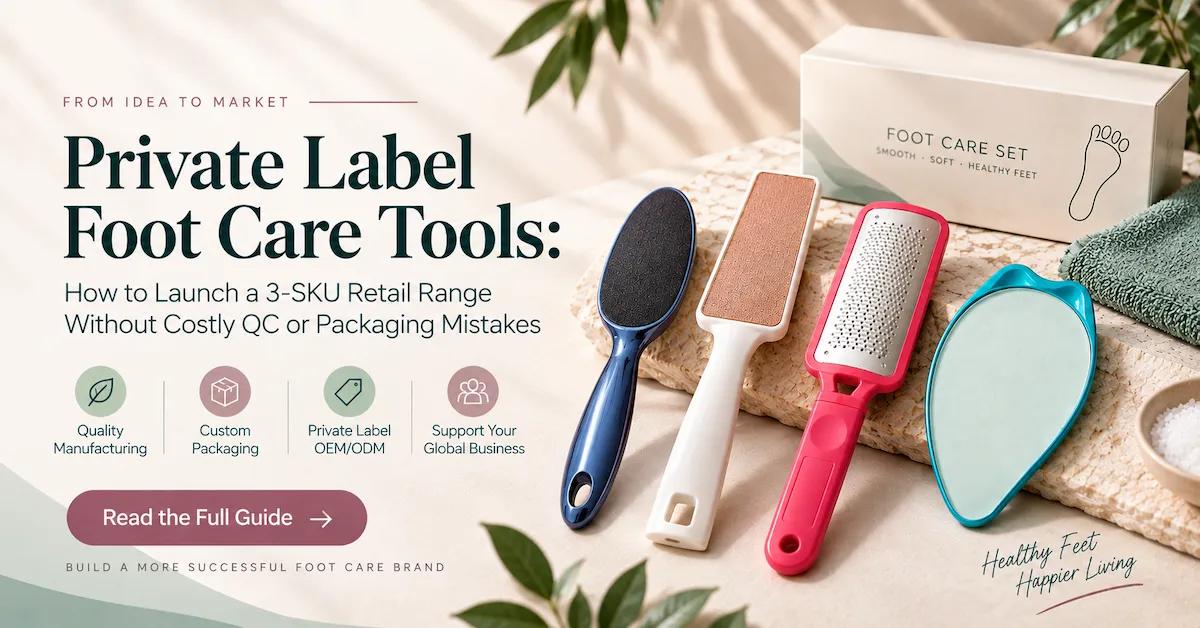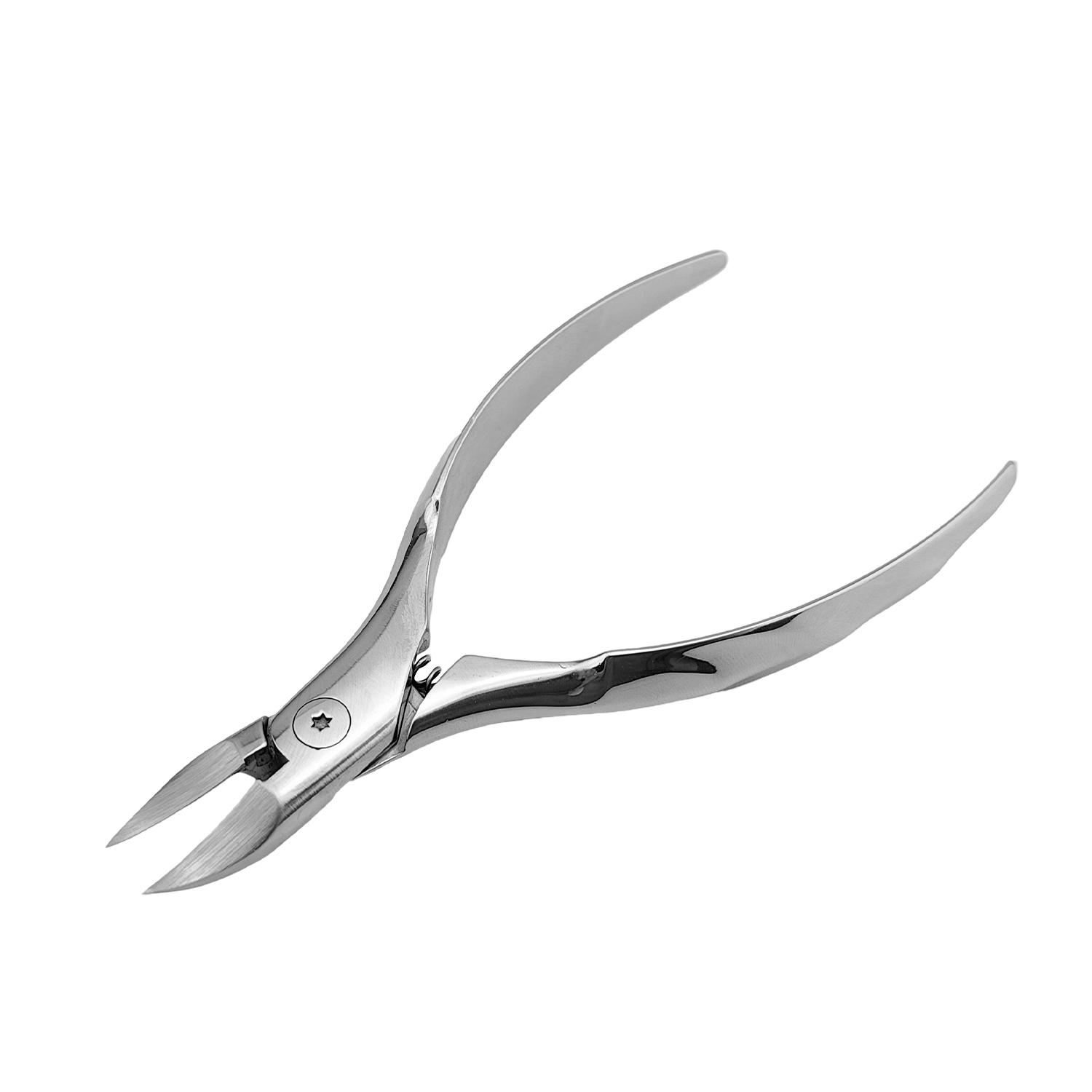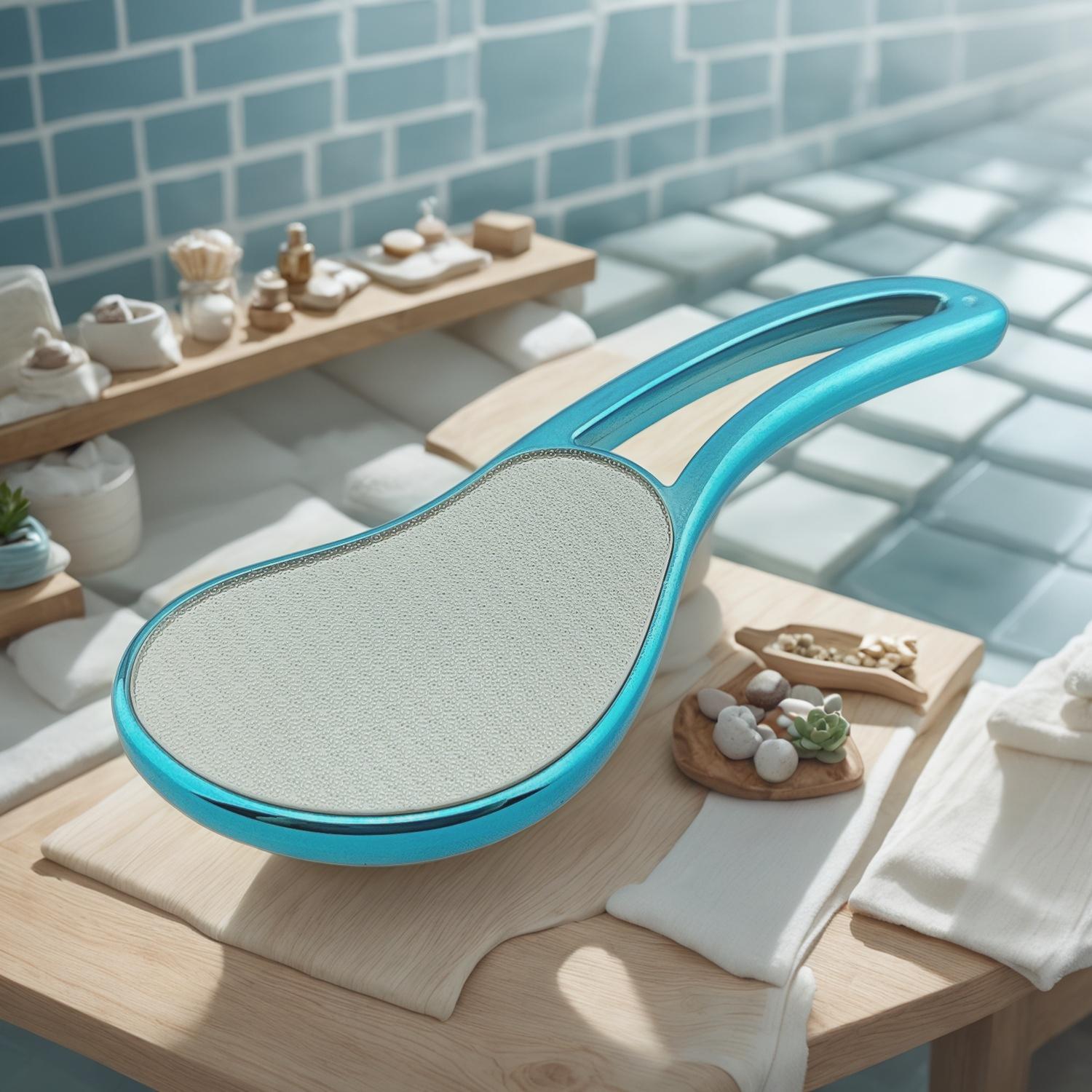

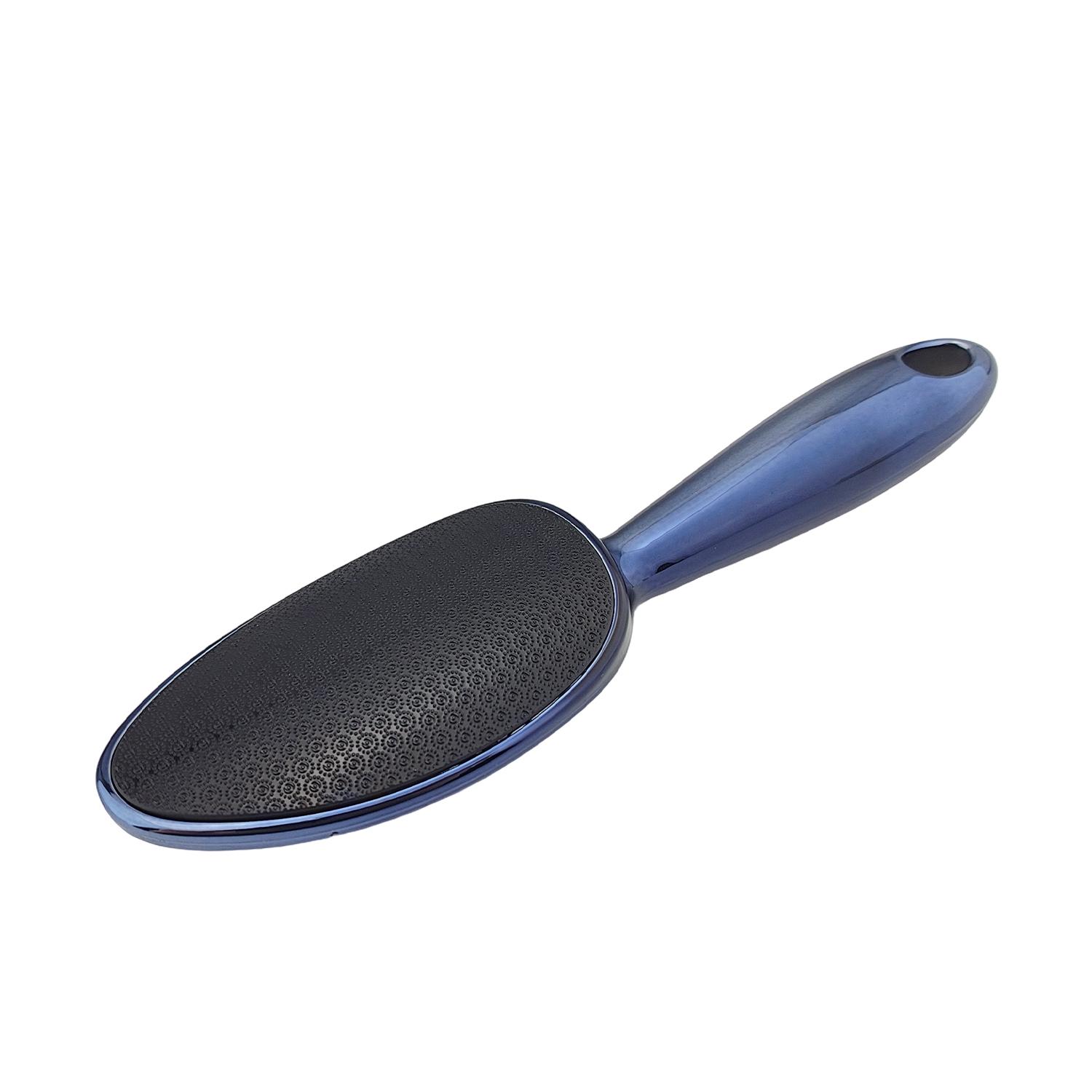
Wholesale Foot Care Tools: Salon Buyer Sourcing Guide
Wholesale foot care tools should be selected around the salon services they must support, then checked by tool function rather than as one generic assortment. Compare grip, working surfaces, cleaning guidance, pack protection, sample approval and reorder evidence before release.
The Olimor source discusses salon, spa and personal-care tools for wholesale buyers. It does not establish one material, cleaning method or service claim for every product. Confirm those details by SKU before placing or marketing an order.
Map Wholesale Foot Care Tools to Salon Services
Start with the service menu. A salon offering basic trimming and shaping needs a different tool plan from a spa offering broader foot-care services, retail aftercare or technician training. List each task, the responsible user and whether the tool is operational inventory or a retail product.
| Service need | Tool decision | Buyer evidence |
|---|---|---|
| Nail trimming | Select a clipper or nipper for the intended nail type | Cutting sample and handling review |
| Nail shaping | Define file format and abrasive direction | Surface sample and task trial |
| Cuticle work | Define pusher or nipper role and user skill | Working-end geometry and movement check |
| Foot-surface care | Define file or rasp surface and use boundaries | Surface condition, grip and instructions |
| Retail aftercare | Separate consumer use from salon procedure | Packaging, directions and claim review |
| Training kit | Standardize the tool set and replacement process | Approved kit reference and component list |
This matrix prevents overlapping SKUs. Add a product only when it fills a documented task, user or price position that the current assortment does not cover.
Review Grip and Working Surfaces
Technicians need predictable control during repeated use. Check whether the handle remains stable, the working end can be positioned clearly and non-working edges feel smooth. For files and rasps, review the surface condition and attachment rather than relying on terms such as “professional” or “heavy duty.” For cutting tools, check blade or jaw contact and movement.
Use several samples from the proposed configuration. Record:
- product identity and dimensions;
- handle shape, grip area and balance;
- working-end geometry or surface condition;
- movement, tension or leverage where applicable;
- burrs, rough edges and visible finish;
- comparison with the written use case;
- observations after the planned cleaning and drying trial.
Do not apply one generic function check to every item. A foot file, cuticle nipper and nail clipper have different working ends and failure modes.
Confirm Cleaning and Care by Product
The salon's hygiene process and the supplier's product instructions need to be compatible. Ask for the care limits of each selected model, including how it should be cleaned, dried and stored. Do not assume that every coating, abrasive surface, adhesive or assembled component tolerates the same process.
The buying team should separate three questions:
- What cleaning and care information does the supplier provide for this SKU?
- What procedures are required by the salon and local rules?
- Does the product remain suitable after the proposed procedure is reviewed or tested?
Record unresolved issues before ordering. The supplier can provide product information, but the salon remains responsible for applying current hygiene requirements in its market and service setting.
Treat Packaging as Operational Design
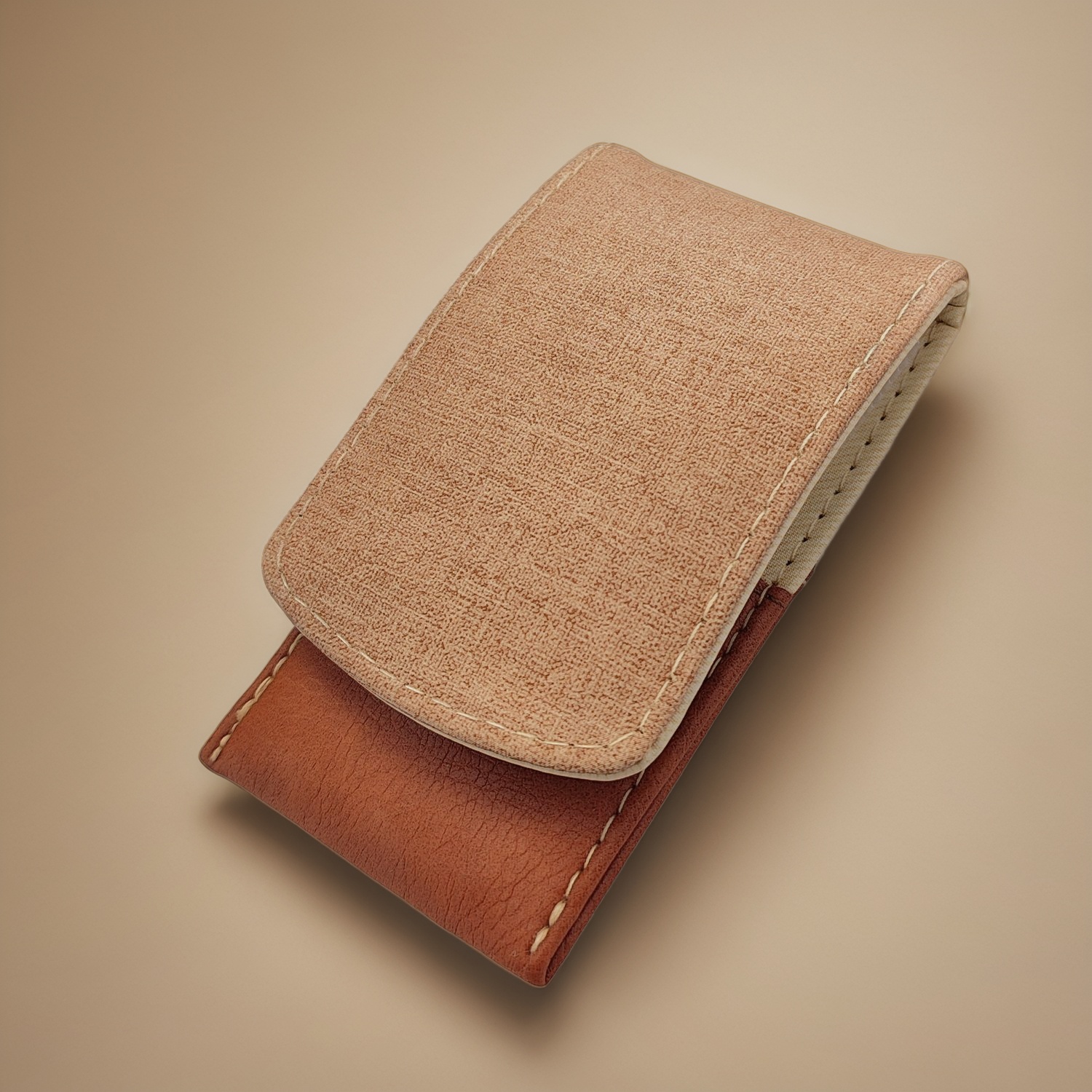
Wholesale packaging should protect working ends and help staff identify tools. Retail packaging has the additional job of presenting the product and required information clearly. A multi-tool set needs an insert that prevents components from rubbing or shifting.
Check the packed sample for:
- secure retention without forced assembly;
- protection of blades, jaws, tips and abrasive surfaces;
- separation between metal components;
- product and component identification;
- readable instructions and labels;
- correct logo and artwork revision;
- fit within inner and master cartons;
- condition after a representative handling trial.
Do not postpone packaging approval until after the product is released. A different insert or pouch can change protection, presentation and carton data.
Compare Suppliers on a Common Brief
Issue the same RFQ to each shortlisted supplier. Include the service matrix, SKU references, dimensions, finish, marking, packaging, quantity, destination and quality checks. Require the quote to identify assumptions and exclusions.
| RFQ field | Why it matters |
|---|---|
| SKU and task | Prevents substitution with a similar-looking tool |
| Finish and marking | Sets the appearance and branding basis |
| Unit pack | Defines protection and retail presentation |
| Quantity by SKU | Makes MOQ questions configuration-specific |
| Sample stage | Separates development from production release |
| Inspection method | Creates a basis for final acceptance |
| Destination | Supports label, carton and logistics review |
Confirm the current Olimor MOQ, sample and production timing, materials and packaging options for the selected foot-care tools in the current project quotation.
Set Up Reorder Control
A reorder should reference the approved product, finish, artwork, packaging and inspection record. Ask the supplier to disclose proposed component or process changes before production. Record which changes require a new sample or repeated test.
Track usage and replacement by SKU rather than treating all tools as one inventory line. This helps salon managers reorder the items technicians actually use without accumulating slow-moving components.
Foot Care Order Release Checklist
Before release, confirm:
- each tool has one defined service or retail role;
- overlapping SKUs have been removed or justified;
- function checks match the working end;
- care information is reviewed against the salon workflow;
- approved samples and artwork are identified;
- packaging protects every working end;
- quantity and timing are confirmed by configuration;
- inspection and change approval have named owners;
- the reorder reference is stored.
FAQ
Should every salon buy a complete pedicure kit?
No. Build the smallest assortment that covers defined services and users. Add a component only when it fills a documented need.
Can one inspection checklist cover all foot care tools?
Identity, finish and packaging checks can be shared, but functional checks must match the working end and intended task.
How should MOQ be compared?
Compare MOQ by model, finish, logo and package. A headline quantity without its configuration is not a reliable basis for purchasing.
When should a salon replace a tool?
Set product-specific inspection and replacement criteria based on condition, function and the salon's procedures. Do not rely on a universal interval without evidence.
Do salons need the largest assortment?
No. The best assortment is the one whose tools have defined service roles and can be handled consistently.
How should hygiene claims be written?
Use only care and cleaning guidance confirmed for the product and destination market.
What is a useful supplier brief?
Name tasks, users, tool formats, pack expectations, quantity by SKU and the inspection checks.
Build a Product-Specific Foot Care Brief
Review Olimor beauty and foot care tools and related product collections, then discuss a salon supply brief. Include the service matrix, product references, finish, packaging, quantities and required checks.
Choose Wholesale Foot Care Tools by Service Task
- Map every tool to a defined pedicure or foot-care step.
- Review grip, edge condition, surface finish and cleaning access with working staff.
- Check unit protection, model labels and carton handling before approving a mixed assortment.
Tag: