
Foot Files Bulk Purchase: An OEM Sourcing Checklist
A foot files bulk purchase should begin with a defined user, abrasive function and packaging channel. Buyers should compare several samples for surface consistency, handle control, edge finishing and pack protection, then keep an approved reference for production and reorders.
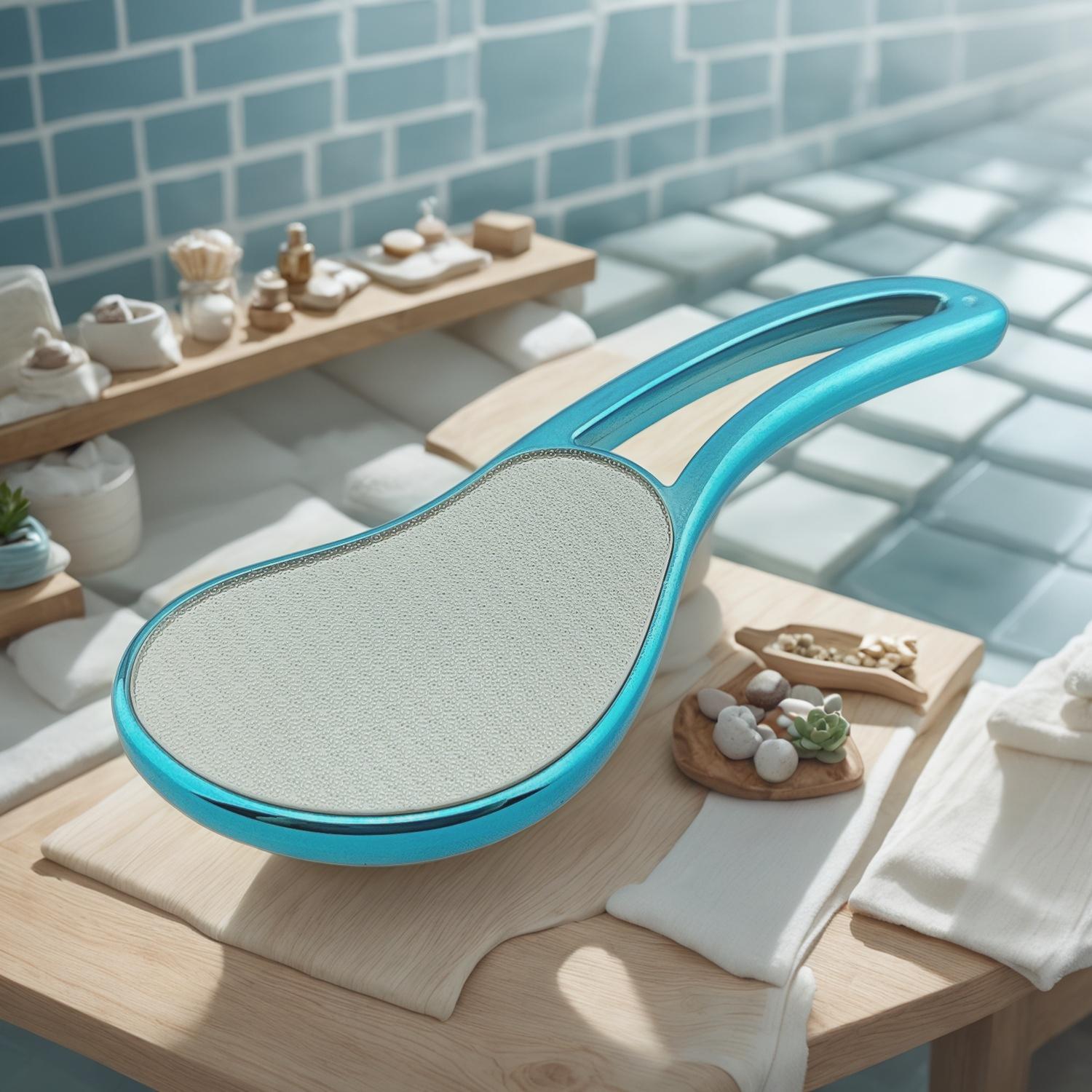
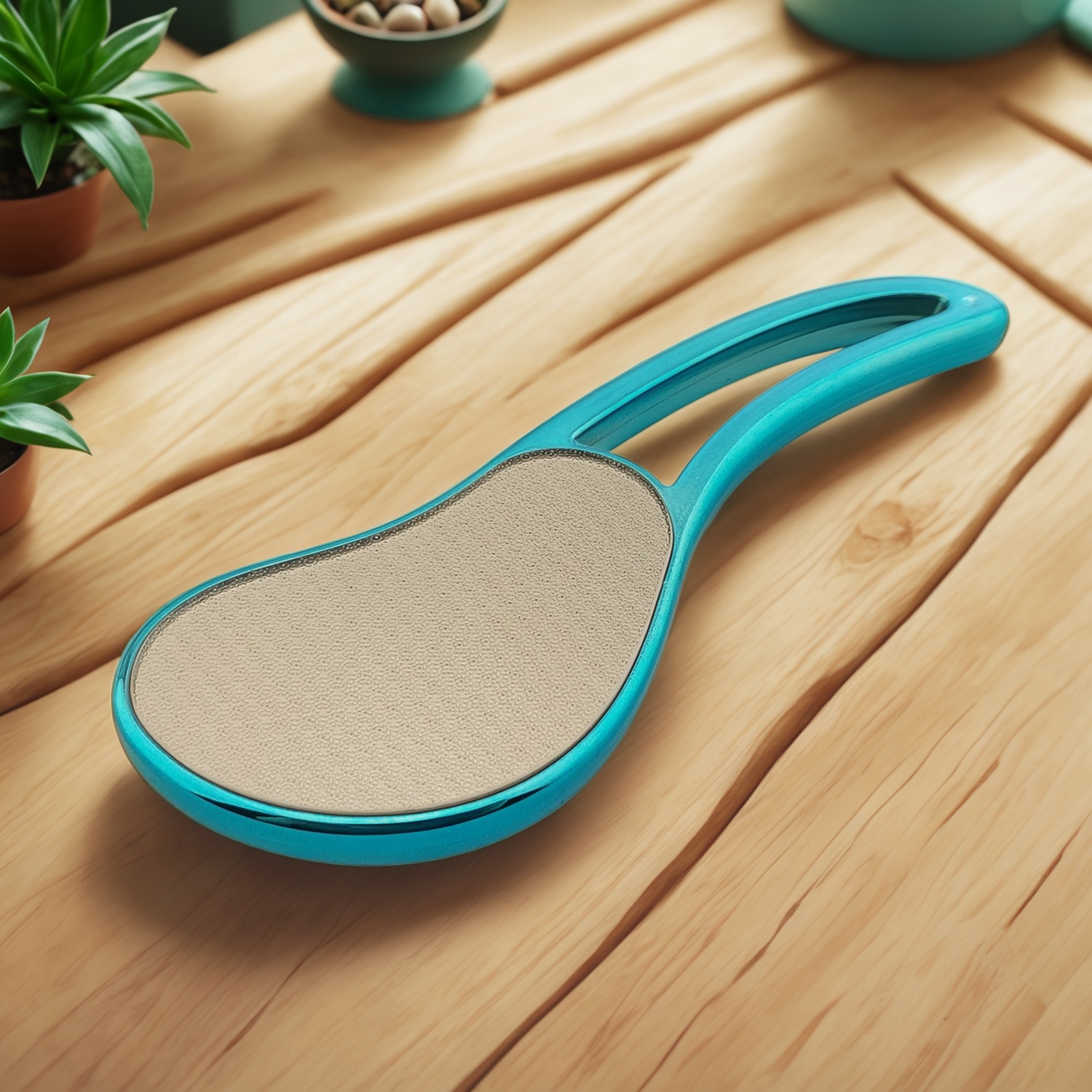
The current Olimor source describes an ergonomic foot file with a metallic turquoise appearance and fine-grade abrasive surfaces. Exact body materials, abrasive specifications, MOQ and lead time are not verified in the source packet, so these items must be confirmed for the selected OEM configuration.
Define the Foot Files Bulk Purchase Use Case
A salon service tool, a home-care retail product and a pedicure-kit component should not share a vague specification. The product brief needs to explain who uses the file, which area it is intended to address and what result each surface is expected to support.
| Channel | Main buying concern | Sample review |
|---|---|---|
| Salon or spa | Control during repeated pedicure work | Grip, body stability and cleaning routine |
| Beauty retailer | Easy-to-understand function | Surface labeling, instructions and shelf presentation |
| Distributor | Batch and reorder consistency | Model identification, carton control and retained reference |
| Private-label brand | Product and packaging differentiation | Color, logo, pack fit and approved artwork |
| Pedicure kit | Component fit | Tool dimensions, retention and contact with other items |
If the selected model is double-sided, define the role of each face. A coarse side and a finishing side should be distinguishable in the approved sample, packaging copy and inspection method. Do not call a surface coarse, fine or professional without a supplier-confirmed specification or a controlled functional reference.
Inspect Abrasive Consistency Across Several Samples
The abrasive area is the working part of a foot file. Inspect the full surface under good light and compare multiple units from the proposed production route. Look for bare areas, visible clumps, lifting, edge separation or a meaningful difference between samples.
A practical sample review can include:
- visual coverage from edge to edge;
- tactile comparison using a consistent, non-skin reference;
- distinction between the two sides when applicable;
- attachment and edge condition after normal handling;
- visible shedding during the agreed evaluation;
- repeatability across several samples;
- surface protection after the product is placed in its package.
Testing on people should follow an approved use protocol and appropriate professional guidance. The sourcing team should not improvise a skin-performance claim from an office sample check.
Evaluate Handle Control and Body Finishing
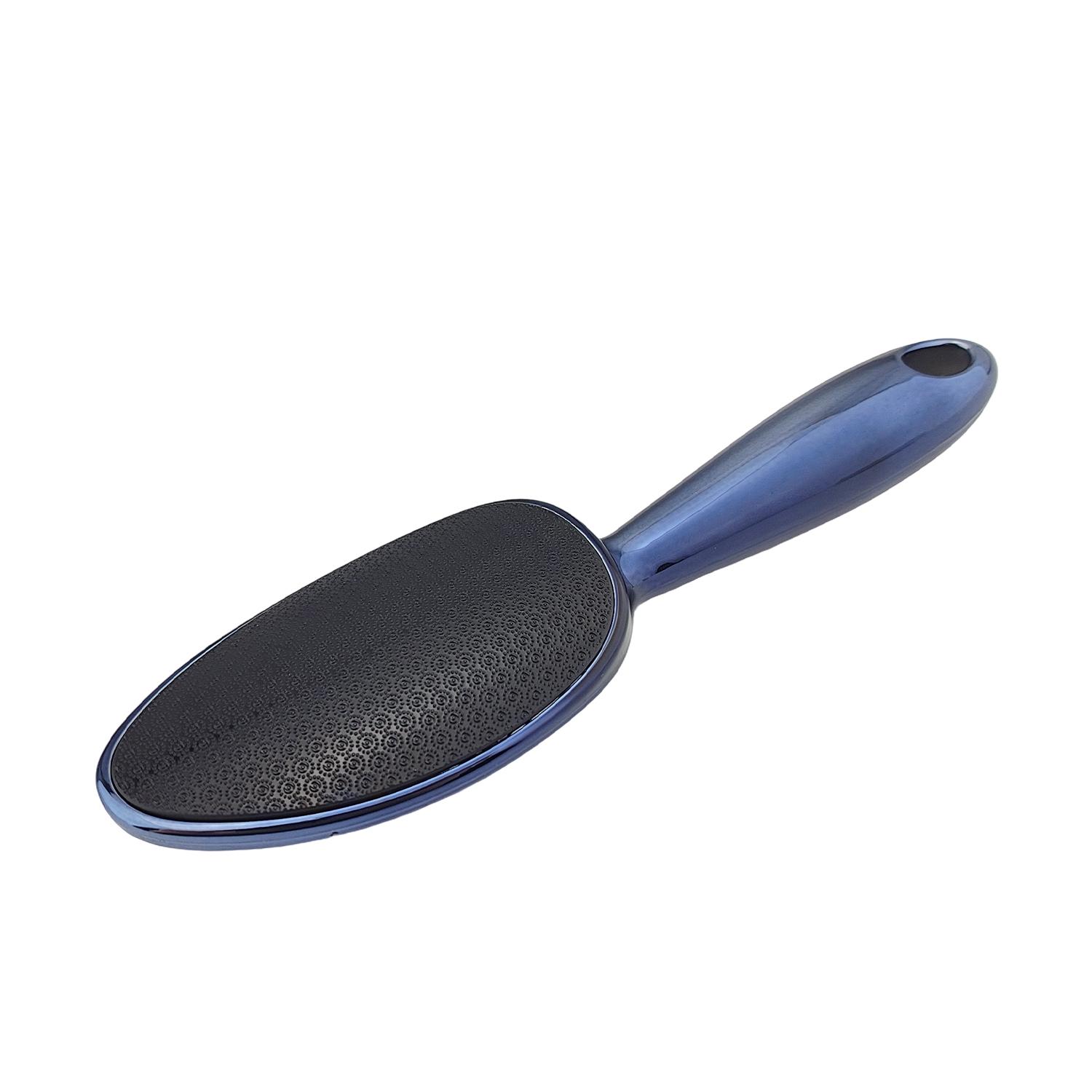
Hold the file in the positions expected during use. The body should feel stable under normal pressure, and the handle should allow directional control without requiring an excessive grip. Inspect the transition between the abrasive section and handle, along with corners, seams and outer edges.
The retained source describes an ergonomic design and metallic turquoise appearance. Treat these as attributes to verify on the actual sample. Record the accepted color direction and surface reference under consistent lighting. If the color or finish changes, approve the revised sample before production because appearance variation can be conspicuous in retail displays.
Do not assume that a metallic appearance identifies a specific material. Ask for the exact body, handle and abrasive construction for the selected model and keep the terms consistent across quotations, packaging and sales copy.
Keep OEM Choices Focused on the User
Private-label development may involve an existing model with approved changes rather than a new tool. Start with changes that support the sales channel:
- model and working-surface configuration;
- handle color and finish direction;
- logo method, position and appearance;
- unit pack and product retention;
- use, care and warning copy;
- barcode and destination label space;
- set composition when combined with other pedicure tools.
Every change should be represented in the final approval sample. A new logo method, coating or package can affect hand feel, surface protection or lead time even when the base file remains unchanged.
Approve Packaging With the Actual Foot File
Packaging should protect the abrasive area from rubbing, contamination and movement while showing the product clearly enough for its channel. Online retail may need stronger transit protection; a hanging retail card needs display and barcode space; a kit insert must prevent contact with adjacent components.
Check that the actual product fits the approved insert, that no fastener damages the handle and that printed instructions match the selected surface configuration. Confirm inner-pack quantity, master-carton count and model identification so a distributor can trace which specification was delivered.
Avoid unsupported environmental or ethical claims. If a packaging material, recycled-content statement or manufacturing claim is commercially important, request evidence specific to that component and order before publishing it.
Control Sample, Production and Repeat Orders
Retain an identified master sample after the product and package are approved. Support it with photographs and a written record covering materials, dimensions, abrasive configuration, color, logo, packaging, inspection and approved deviations.
For production inspection, verify:
- correct model and surface configuration;
- abrasive coverage and visible attachment;
- handle stability, edge finish and overall cleanliness;
- color and logo against approved references;
- package retention, artwork and labels;
- inner and master carton counts;
- nonconformities against the agreed sampling plan.
Before a reorder, ask whether any material, abrasive process, component source, color, logo method or package has changed. A repeated purchase order does not replace change control.
Compare OEM Quotations on the Same Basis
Normalize the product model, surface configuration, quantity, logo, packaging, inspection, delivery term and destination. Record which figures are confirmed and which are estimates. The lowest opening unit price may exclude a required insert, inspection step or artwork setup.
MOQ and lead time can change with product configuration and packaging. Request both for the exact SKU instead of using a general supplier statement. The same applies to certifications, tolerances and destination-market documents: list them as required evidence rather than assuming they apply.
FAQ
What should buyers test in a foot file sample?
Compare multiple units for abrasive coverage, surface consistency, handle control, body stability, edge finishing, color and packaging protection. Define the evaluation method before testing so different suppliers can be compared fairly.
Is this foot file confirmed as double-sided?
Related source material discusses double-sided coarse and fine functions, but the final quoted configuration must be confirmed. The approved sample and specification should state the role of each surface if a double-sided model is selected.
Can a foot file be customized for a private-label brand?
Possible changes may include color, logo, packaging and set configuration, subject to model and order feasibility. Approve a final sample containing every requested change rather than approving the plain product first and assuming later changes are neutral.
What is the MOQ for an OEM foot file?
No current MOQ is verified in the source material. Ask for the MOQ by model, color, logo method, packaging and number of SKUs, including any separate setup quantities.
How should repeat orders be inspected?
Compare the lot with the retained master sample and written specification. Check surface configuration, coverage, handle and edge finish, color, logo, pack components and carton identification using the agreed sampling plan.
Send a Complete Foot File Brief
Review the beauty and foot-care tool range and related beauty tool collections before defining the SKU. Then send a foot file sourcing brief with the intended user, surface function, reference model, quantity plan, color, branding, packaging, destination and inspection expectations.
Tag: