

How to Choose a Callus Remover for Safe, Effective Foot Care
Calluses form when the skin protects itself from repeated pressure, friction, tight footwear, long hours standing, or dry conditions. A good callus remover helps reduce rough buildup while keeping healthy skin intact. The right choice depends on where the callus is located, how thick the skin is, who will use the tool, and how easily the tool can be cleaned after each session.
For beauty retailers, salons, distributors, and private label buyers, choosing a callus remover is not only about sharpness or appearance. It is also about control, durability, user safety, and consistent manufacturing. A tool that removes dead skin too aggressively can cause soreness, while a tool that is too mild may disappoint users with hard heel buildup. This guide explains how to compare callus remover tools with practical criteria you can apply before placing a purchase order or building a foot care range.
Understand the Main Types of Callus Remover Tools
Different tools solve different foot care problems. Before selecting a product, define whether the user needs routine smoothing, targeted trimming, or maintenance between pedicure appointments. Manual tools remain popular because they are portable, easy to control, and do not require charging or batteries.
- Foot files and rasps: Useful for broad areas such as heels and the ball of the foot. They work best on softened, dry-to-slightly-damp skin depending on the file surface.
- Callus shavers: Designed for very thick buildup but require careful technique. They are better suited to experienced users or professional environments where safety instructions are clear.
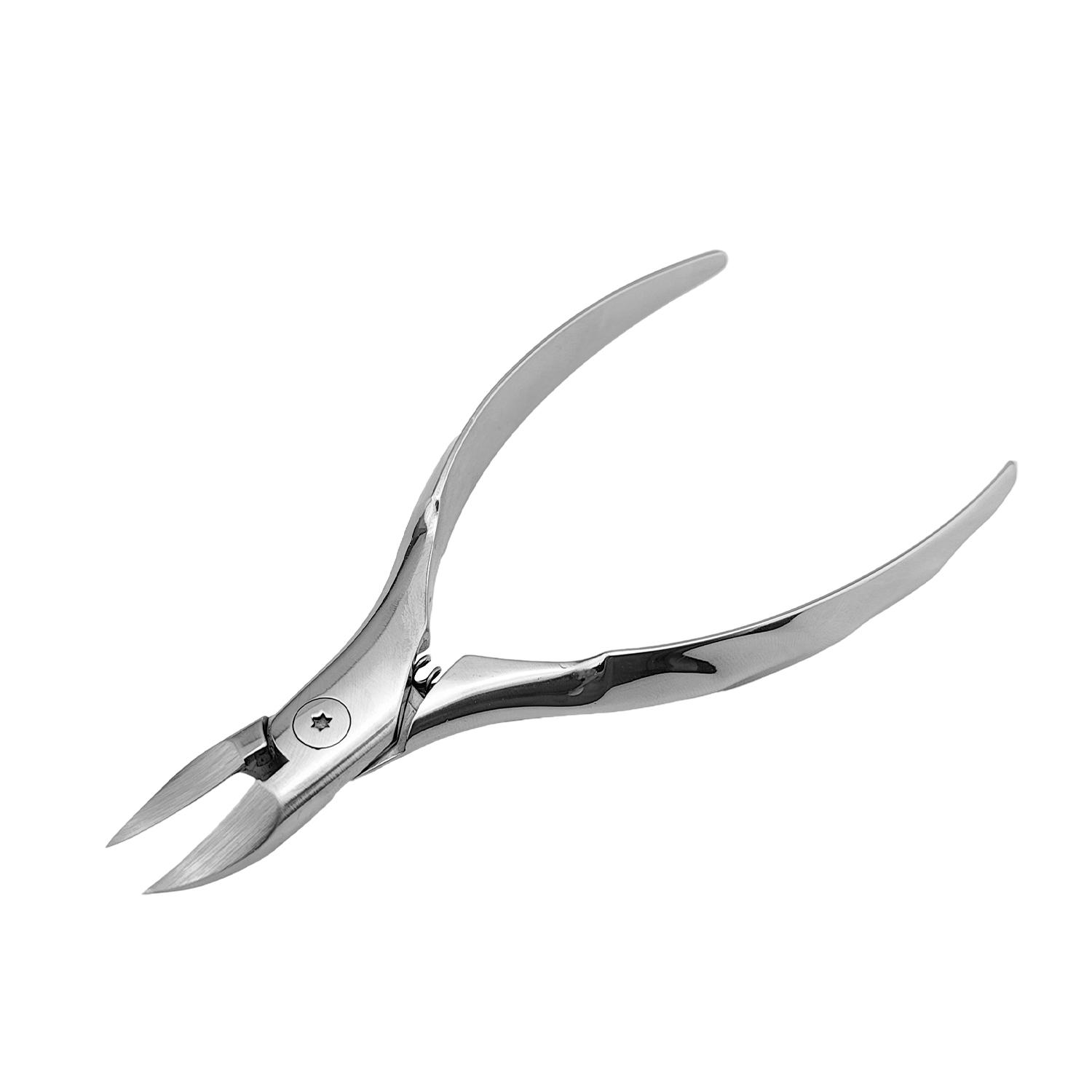
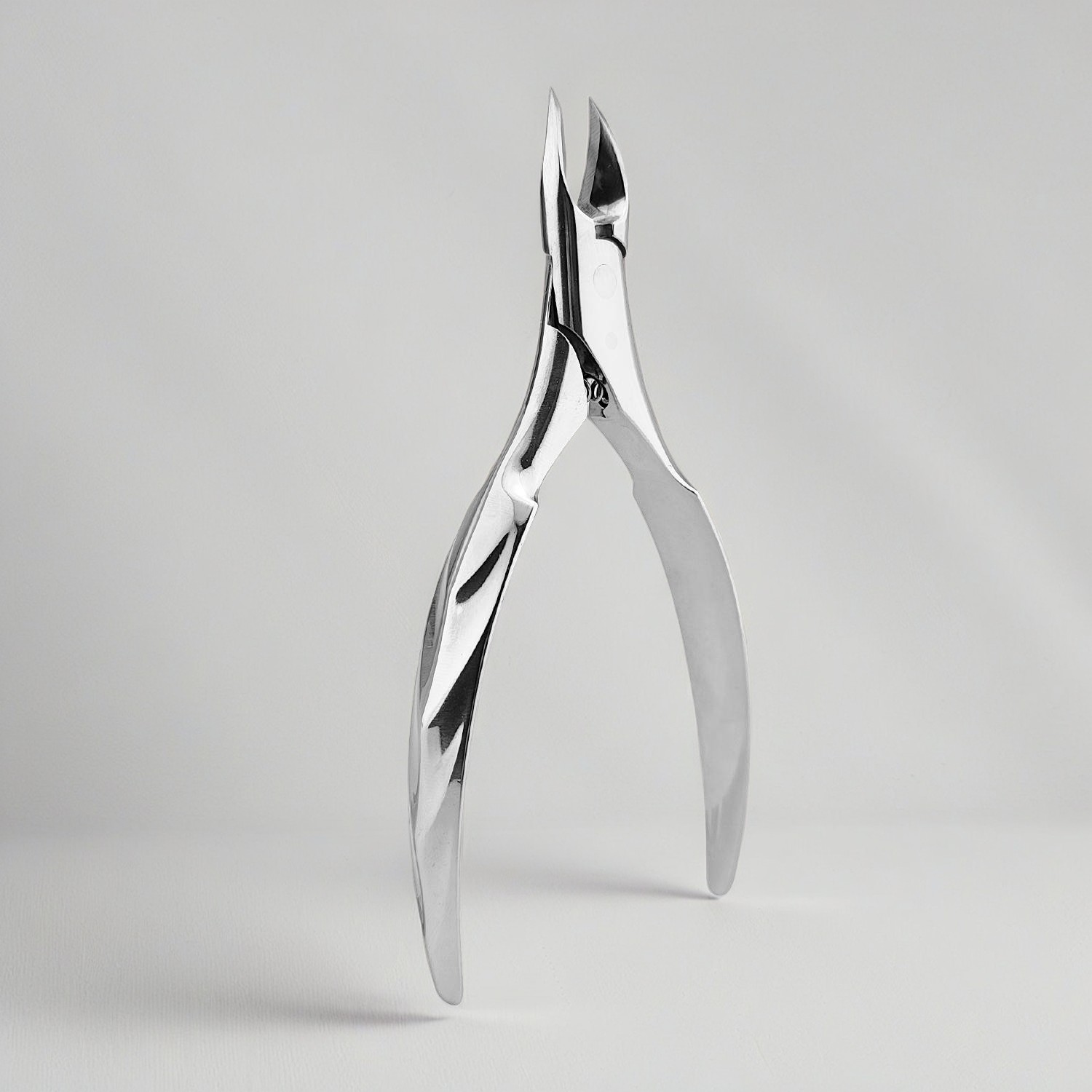
- Cuticle and nail nipper-style tools: Useful for precise trimming around hard edges, hangnails, tough cuticles, and small areas of hardened skin. The original product context highlights stainless steel nippers with ergonomic handles, curved blades, and a polished finish, which makes them relevant for detailed grooming rather than wide heel exfoliation.
- Pumice-style tools: Gentle for regular maintenance, but less effective for stubborn, compacted calluses.
If you are sourcing for a consumer foot care kit, a combination of tools may be more practical than one aggressive remover. Buyers comparing beauty tool products should think in terms of a complete use case: softening, reducing buildup, refining the surface, and cleaning the tool after use.
Match the Tool to Skin Thickness and Use Case
The most common mistake is choosing a remover based only on how quickly it removes skin. Effective foot care should reduce excess dead skin gradually. The ideal tool removes callus buildup in controlled passes, leaving the user able to stop before the skin becomes tender.
For light dryness on the sides of toes or around the heel edge, a less aggressive surface or precision grooming tool is usually enough. For moderate heel calluses, a manual file with a stable handle gives better coverage. For thick, yellowed, or cracked buildup, users may need a structured routine over several sessions rather than heavy removal in one sitting. Pain, bleeding, deep cracks, infection signs, or diabetes-related foot concerns should be handled by a qualified healthcare professional rather than cosmetic tools.
In salon or retail selection, consider these user scenarios:
- At-home maintenance: Prioritize comfort, simple cleaning, and lower risk of over-removal.
- Salon pedicure service: Prioritize durability, repeated cleaning, and precise control for trained staff.
- Travel grooming kit: Prioritize compact size, protective packaging, and corrosion-resistant materials.
- Retail starter kit: Prioritize clear instructions and tools that are easy to understand for first-time users.
Evaluate Material, Grip, and Blade Control
Material choice strongly affects hygiene, longevity, and user confidence. Stainless steel is widely used in professional beauty tools because it can offer strength, a clean surface, and resistance to rust when properly maintained. The supplied product context specifically references rust-resistant stainless steel tools, polished finishing, ergonomic handles, and curved blades. Those are meaningful features because a callus or grooming tool is often used near water and must remain comfortable in the hand.
A good callus remover should feel stable, not slippery. Handles should allow the user to apply gentle pressure without wrist strain. Curved cutting edges can help follow the natural contour of nails, cuticles, and small hardened areas, but they must align cleanly and close smoothly. If the tool is a nipper-style product, examine the joint action: it should open and close without wobbling or sticking. Uneven blade contact can pull at skin instead of trimming cleanly.
When comparing samples, do not rely on appearance alone. A polished finish can look refined, but the practical test is whether the user can hold the tool securely, see the working edge clearly, and clean around joints or textured surfaces after use.
Safety Features Matter More Than Aggressive Cutting
Callus removers should reduce roughness without damaging living skin. This is especially important for home users who may not know when to stop. For broad exfoliation, a tool with predictable abrasion is safer than a blade that removes too much at once. For precision trimming, sharpness should be balanced with control and clear visibility.
Useful safety considerations include:
- Controlled contact area: The tool should not expose more cutting surface than needed for the task.
- Comfortable pressure: Users should not need to force the tool to get results.
- Clear instructions: Packaging or product pages should explain soaking, gentle use, and aftercare.
- Appropriate warnings: People with circulation problems, diabetes, wounds, or infection symptoms should seek professional advice.
- Protective storage: A cap, pouch, or secure packaging helps prevent dulling and accidental contact during storage.
For wholesale and brand buyers, safety communication is part of product quality. A tool may be well made, but poor usage guidance can lead to bad customer experiences. When planning product collections, consider pairing removers with education about gradual care instead of promoting extreme skin removal.
Build a Simple Callus Care Routine Around the Tool
The tool is only one part of foot care. Good results come from preparation, careful removal, and moisture support. A practical routine also helps reduce returns and negative feedback because users know what to expect.
| Step | What to Do | Why It Helps |
|---|---|---|
| 1. Inspect the skin | Check for cracks, cuts, redness, or tenderness before using any remover. | Avoids using tools on damaged or irritated skin. |
| 2. Soften the area | Soak feet in warm water for several minutes, then dry enough to keep a secure grip. | Softened calluses are easier to reduce with less pressure. |
| 3. Work gradually | Use light passes and stop before the skin feels sensitive. | Prevents over-trimming and soreness. |
| 4. Refine the surface | Use a gentler file or smoothing step if needed. | Leaves the skin more even after bulk removal. |
| 5. Moisturize | Apply foot cream and allow it to absorb before walking barefoot on slippery floors. | Hydrated skin is less likely to become rough quickly. |
| 6. Clean the tool | Remove residue, dry fully, and store in a clean place. | Supports hygiene and helps preserve the tool. |
Users should not try to remove an entire thick callus in one session. A steady routine once or twice a week, adjusted to skin condition, is safer than aggressive cutting. If calluses return quickly in the same place, footwear fit, walking pattern, or pressure points may be the real cause.
Hygiene and Maintenance Checklist for Longer Tool Life
Because callus removers contact dead skin and may be used in damp conditions, cleaning habits are essential. Stainless steel tools should still be dried thoroughly after washing. Rust resistance does not mean a tool can be stored wet or left with residue in the joint.
- Rinse away visible skin particles after each use.
- Use a small cleaning brush for joints, grooves, and textured surfaces.
- Dry the tool completely before storage, especially around hinges or blade edges.
- Store sharp tools away from children and away from other items that can dull the edge.
- Do not share personal foot care tools unless proper salon hygiene procedures are followed.
- Replace tools that become misaligned, dull, rough, or difficult to clean.
For salons and retailers, maintenance instructions should be part of the product presentation. Customers often judge a tool by how it performs after several uses, not only on the first day.
Buyer Criteria for Sourcing Callus Remover Tools
If you are sourcing callus removers for a beauty brand, salon supply business, or ecommerce store, review both the sample and the manufacturing communication. Avoid decisions based only on low unit cost. Foot care tools need consistent edge finishing, safe handling, reliable packaging, and clear product positioning.
Use this neutral checklist when comparing options:
- Tool purpose: Is it for broad heel exfoliation, precision trimming, cuticle care, or a multi-step kit?
- Material and finish: Does the surface feel smooth, clean, and suitable for repeated handling?
- Grip design: Can users hold it securely with dry or slightly damp hands?
- Working edge: Are blades, files, or cutting points even and free from burrs?
- Packaging: Does it protect the tool and communicate safe use clearly?
- Cleaning access: Are there hard-to-reach areas where residue may collect?
- Consistency: Do multiple samples feel and perform the same?
Olimor Beauty focuses on beauty tools that are practical for grooming routines and suitable for product range development. If you are reviewing callus remover options, nail nippers, or related foot care tools for your business, you can contact Olimor to discuss the type of tool that fits your channel. For purchasing discussions or sample planning, you may also send an inquiry with your intended use case and target market.
Final Selection Advice
The best callus remover is not always the sharpest or most aggressive option. It is the tool that matches the user’s skin condition, gives controlled results, feels secure in the hand, and can be cleaned properly after every use. For light maintenance, choose gentler surfaces and simple routines. For detailed grooming around hard edges or cuticles, stainless steel nipper-style tools with ergonomic handling and clean blade alignment can be useful. For thick heel buildup, plan gradual care rather than one heavy session.
Whether you are buying for personal care, salon use, or retail sourcing, focus on safety, comfort, material quality, and aftercare. Those factors lead to better foot care results and a more reliable product experience over time.
Tag: