

Wholesale Manicure and Pedicure Sets: B2B Buyer Guide
Wholesale manicure and pedicure sets require two approvals: each working tool and the complete packed set. A visually complete case is not ready for production until component identity, function, fit, artwork and protection all match one released revision.
Define the user and channel first, give every component a clear role and maintain a controlled bill of materials. Inspect individual tools before they enter the case, then test the complete pack and repeat the identity checks at receiving.
Define the User, Channel and Set Role
A salon storage set, retail gift set, travel kit and hospitality pack may need different tools and case functions. State the intended user, selling channel, number of pieces and package role before selecting components. Do not add a tool only to increase the item count.
Give every component one documented task. If two pieces appear similar, explain the difference in working geometry, size or user need; otherwise remove one. This makes the product easier to present and reduces substitution risk when the set is reordered.
Build a Controlled Bill of Materials
The bill of materials connects the commercial set name to the actual contents. Use both the supplier model and buyer item code so purchasing, packing and receiving teams refer to the same component.
| Field | What to record | Why it matters |
|---|---|---|
| Component identity | Supplier model, buyer code and assigned task | Prevents a visually similar substitute |
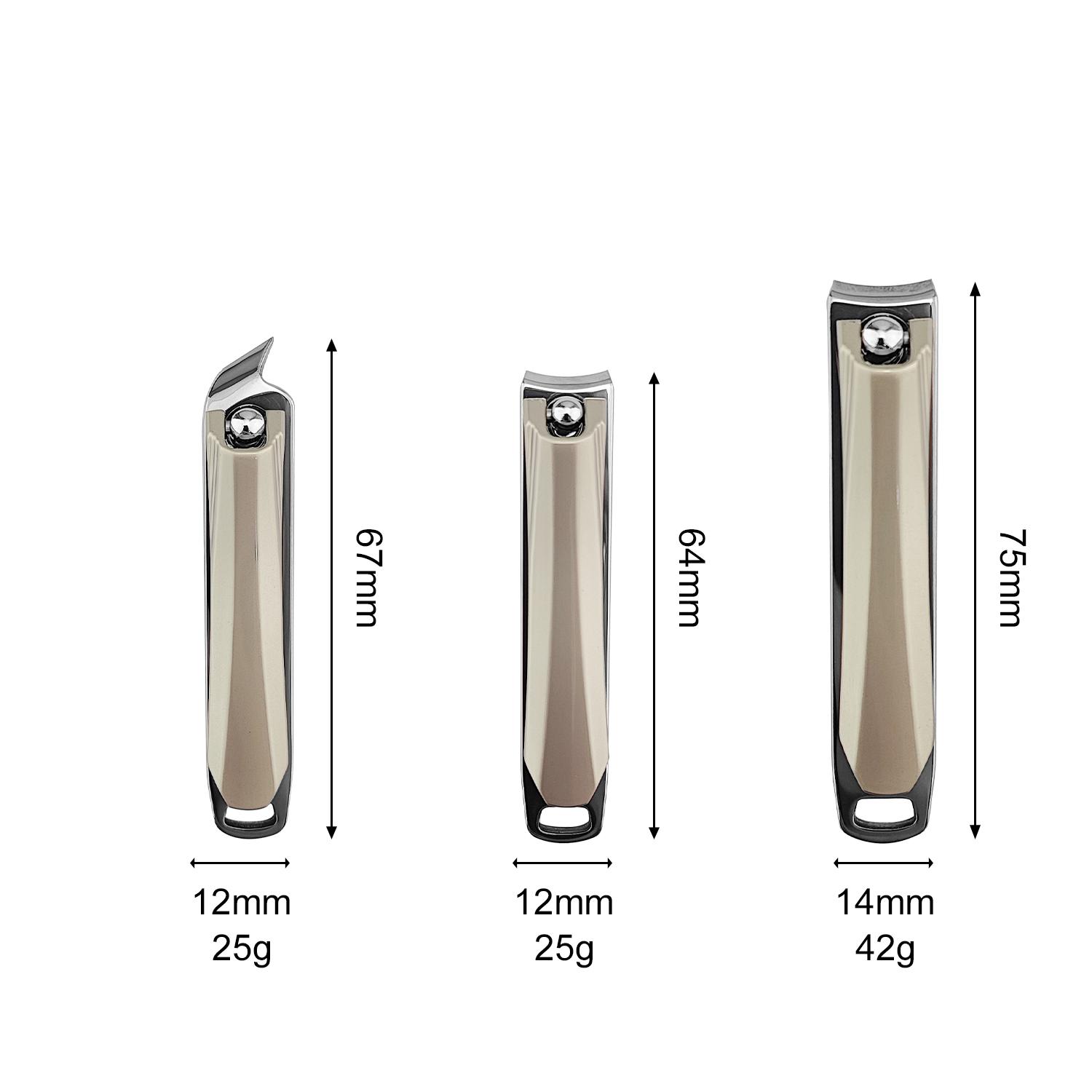
| Physical reference | Dimensions, working geometry and finish | Links the approved tool to the case position |
| Quantity and position | Count, orientation and cavity or loop | Controls complete-set packing |
| Protection | Cap, sleeve, separator or retention method | Prevents contact with working ends and finishes |
| Artwork identity | Set code, barcode, labels and revision | Connects product and packaging records |
Current material designations, component acceptance limits, MOQ, case quantities and timing must come from the quotation and approved product record. Do not place an internal pending-data note in the public article.
Approve Every Working Tool Separately
A single set-passed checkbox is not enough. Clippers, nippers, tweezers, scissors, files and pushers have different working interfaces and failure modes. Apply an appropriate check to each model before evaluating the assembled kit.
- Clippers: inspect cutting contact, lever movement, pivot stability and non-working edges.
- Nippers: inspect jaw meeting, spring response, side movement and protective storage.
- Tweezers: inspect tip meeting, alignment, tension and the intended gripping task.
- Scissors: inspect blade meeting, pivot movement, tip condition and finger-loop finish.
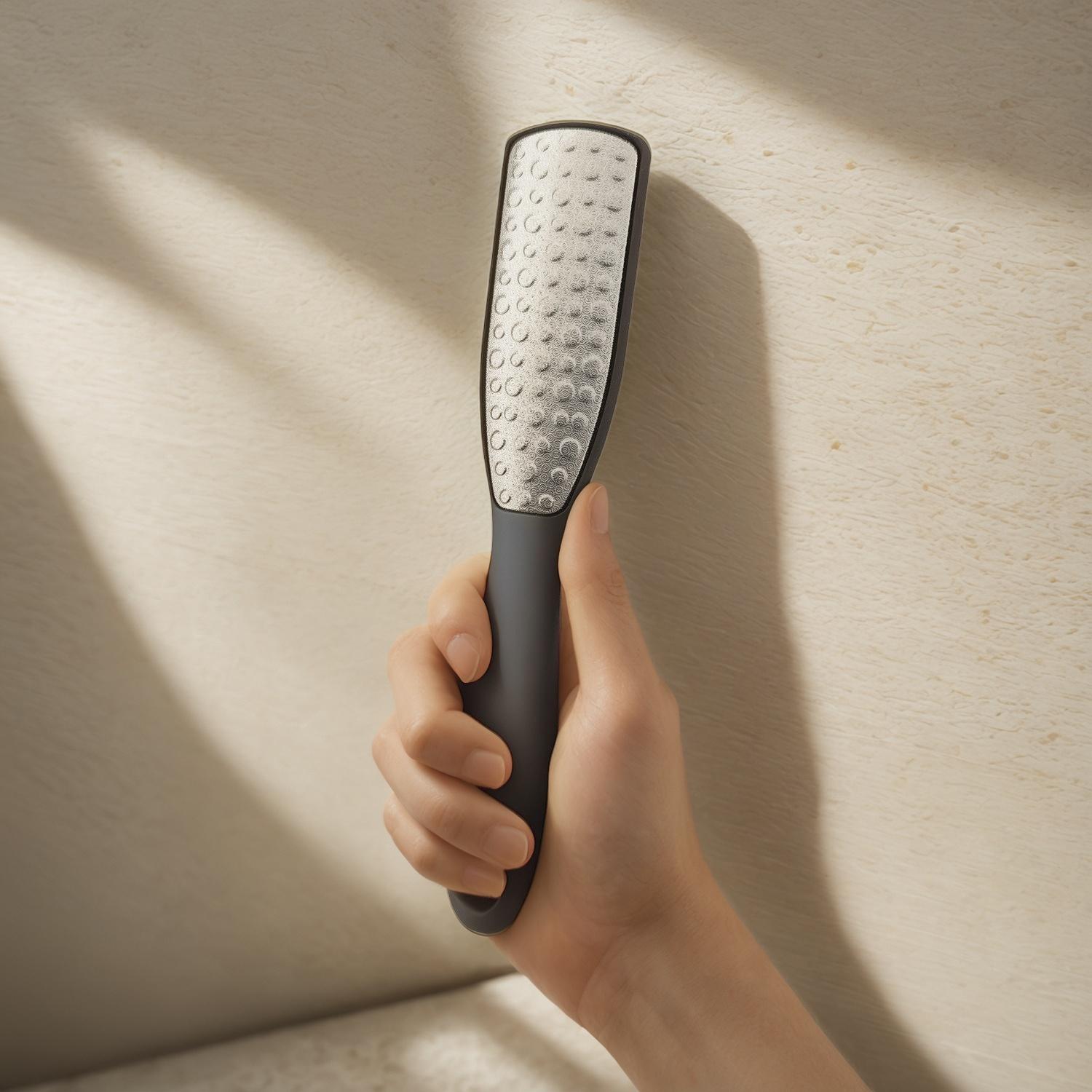
- Files: inspect working-surface consistency, perimeter finish and handle or backing condition.
- Pushers: inspect working-end geometry, unintended sharp edges, grip and finish.
Use representative samples and record the tool code, method and result. Material, hardness, corrosion, care or performance claims require evidence for the exact component; they cannot be transferred from another tool in the case.
Approve Case Fit and the Complete Packed Set
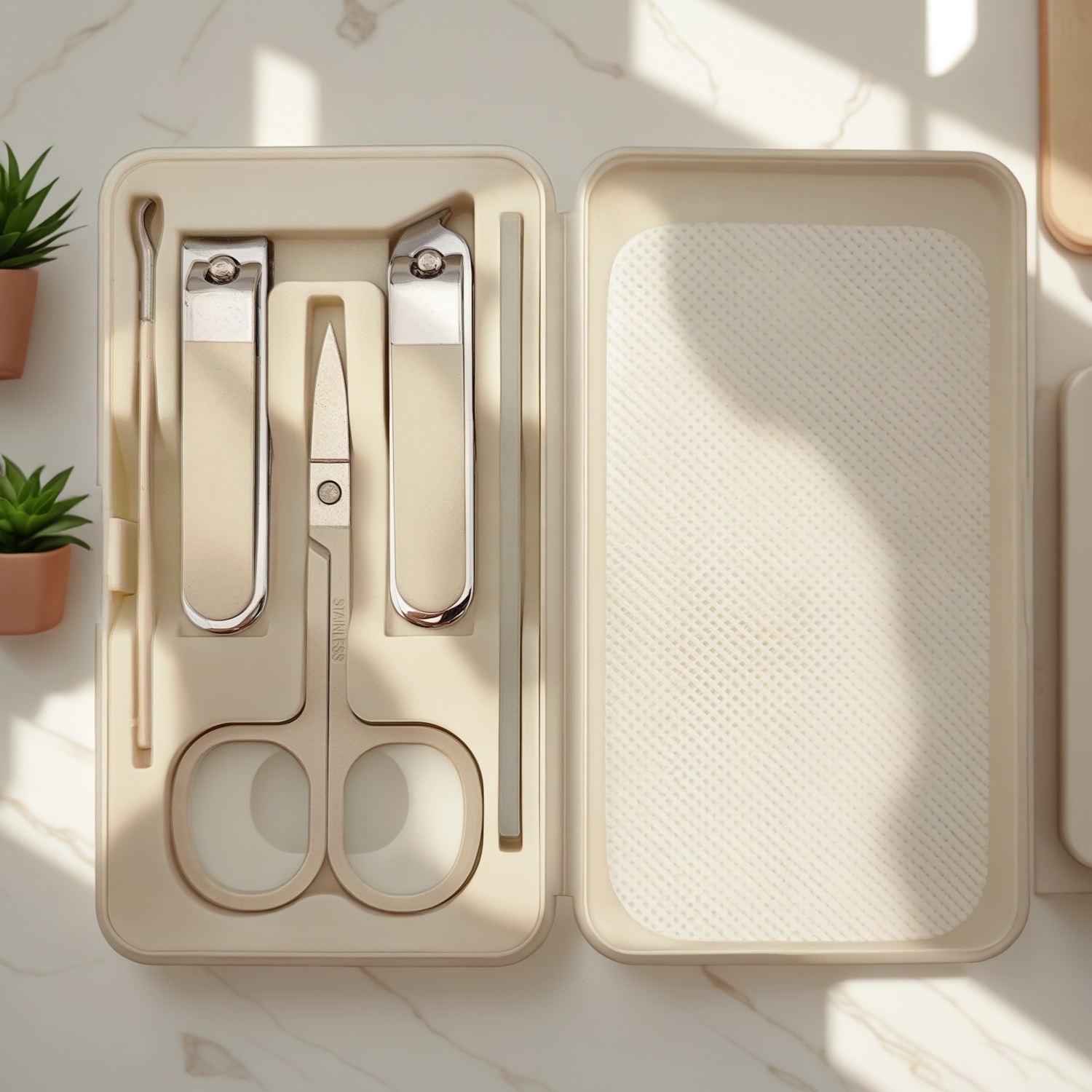
Lay the approved components beside the open case and label every position. Photograph the orientation, protective caps, loops, pockets, magnets or molded cavities. Keep the visual board with the bill of materials so it does not become an untraceable packing photograph.
Close, carry and reopen a production-equivalent packed sample. Check for loose parts, metal-to-metal contact, pressure on tips, rubbing of finished surfaces and tools that are difficult to remove safely. Confirm that the outer product name, piece count, barcode, instructions and artwork describe the actual contents.
A gift or travel case is not automatically suitable for salon storage. If a buyer expects operational storage, review cleanability, ventilation and its place in the buyer's procedure separately. Do not imply a hygiene function that the case has not been designed and verified to provide.
Control Samples, Artwork and Changes Under One Revision
Release the product, case and artwork together. The record should identify the approved component samples, complete packed sample, bill of materials, case drawing or reference, label files and inspection sheet.
Require notification before a component, material, finish, spring, working end, case, insert, artwork or carton is changed. Classify the effect of the change. A revised barcode may need an artwork check; a different nipper spring or case cavity may require new functional and pack sampling.
Receive the Set by Identity, Count and Condition
Receiving should answer three questions in order: is this the released set, is every component present, and did the package protect the contents? Begin with the purchase order, carton label, set code and pack revision before opening sample cartons.
- Match the carton and unit-pack identity to the released order.
- Count every position against the bill of materials and approval board.
- Check component codes and selected function points on sampled complete sets.
- Look for shifted tools, scuffing, loose caps, damaged retainers or case deformation.
- Photograph and isolate a mismatch before inventory is released.
- Approve any proposed replacement as a controlled change, not an informal substitution.
The sampling plan and acceptance limits depend on the order and its risks. Keep them in the current purchase and inspection records rather than claiming one universal rule.
Compare Quotations on the Same Complete Set
Provide each supplier with the same bill of materials, finish direction, logo, case, insert, label, unit pack, carton, quantity, destination, sample stages and inspection scope. Ask the supplier to identify assumptions, exclusions and options that still require confirmation.
Compare the complete saleable configuration. Tooling, artwork, samples, decoration, case construction, inserts, labels, inspection and cartons can change the scope. MOQ, mixed-SKU rules, sample timing and production timing must be confirmed for that exact set.
Buyer FAQ
Can the case be approved before every tool is final?
A preliminary fit mock-up can guide development, but final cavity and retention approval requires production-equivalent components.
How should a replacement component be approved?
Review its identity, function, dimensions, finish and case fit. Update the bill of materials, approval board and artwork when affected.
Can one material statement cover the whole set?
No. Confirm the material and finish for each component and avoid extending one tool's evidence to the others.
What belongs in a comparable quotation?
List every component, the complete case, decoration, labels, unit and carton packs, quantity, destination, sample stages and inspection scope.
Prepare the Complete-Set Sourcing Brief
Review the current nail care tools range and wholesale beauty tools category. Then send Olimor the controlled bill of materials and case brief so confirmed options can be separated from project-specific open items.
Tag: