
Nail Files Wholesale: A Buyer Guide for Retail and Spa
Nail files wholesale buyers should compare abrasive surface, working shape, handle or backing, cleaning needs and packaging protection across several samples. A clear SKU role and repeatable inspection plan matter more than a generic grit or premium label.
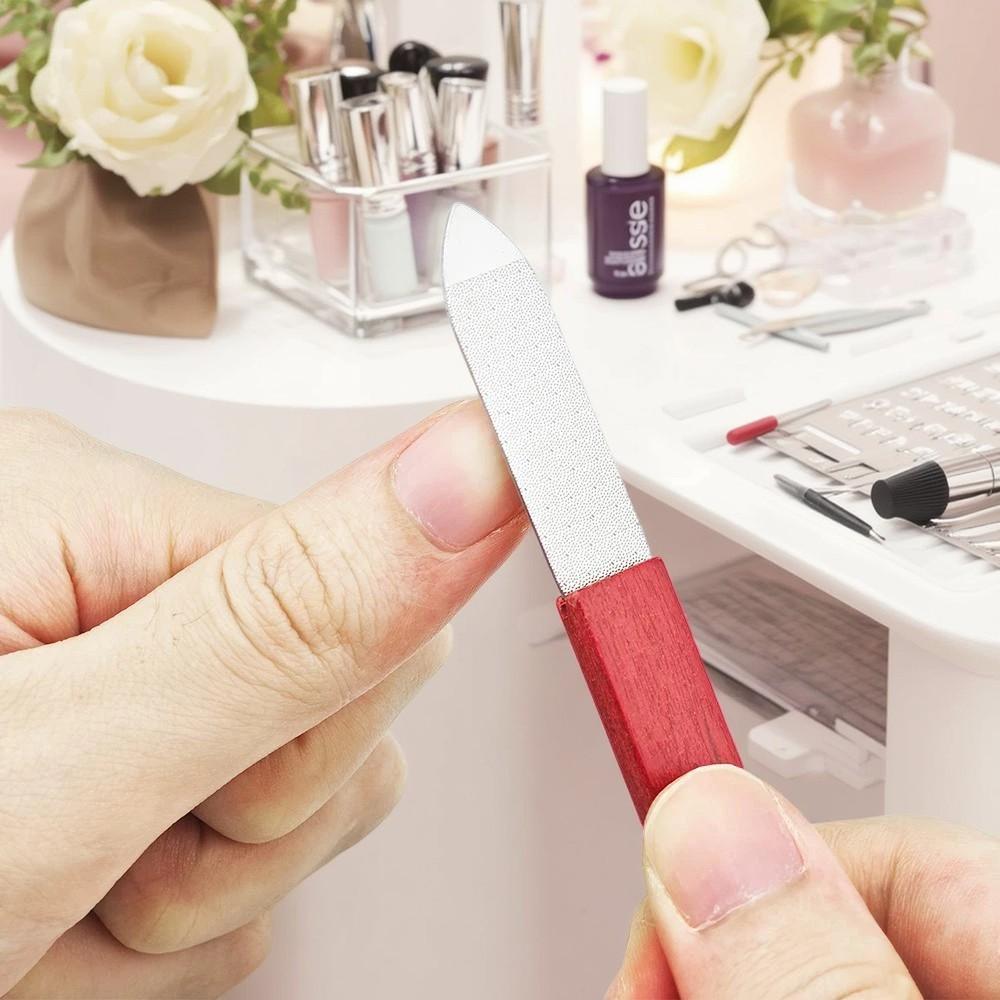
The phrase nail file describes several constructions that can feel similar in a photograph yet behave differently during shaping. Wholesale buyers need an agreed comparison for abrasive identity, two-sided markings, backing response, edge treatment and pack protection. The goal here is to make every SKU in a retail or spa assortment understandable, testable and repeatable.
Specify Surface and Use
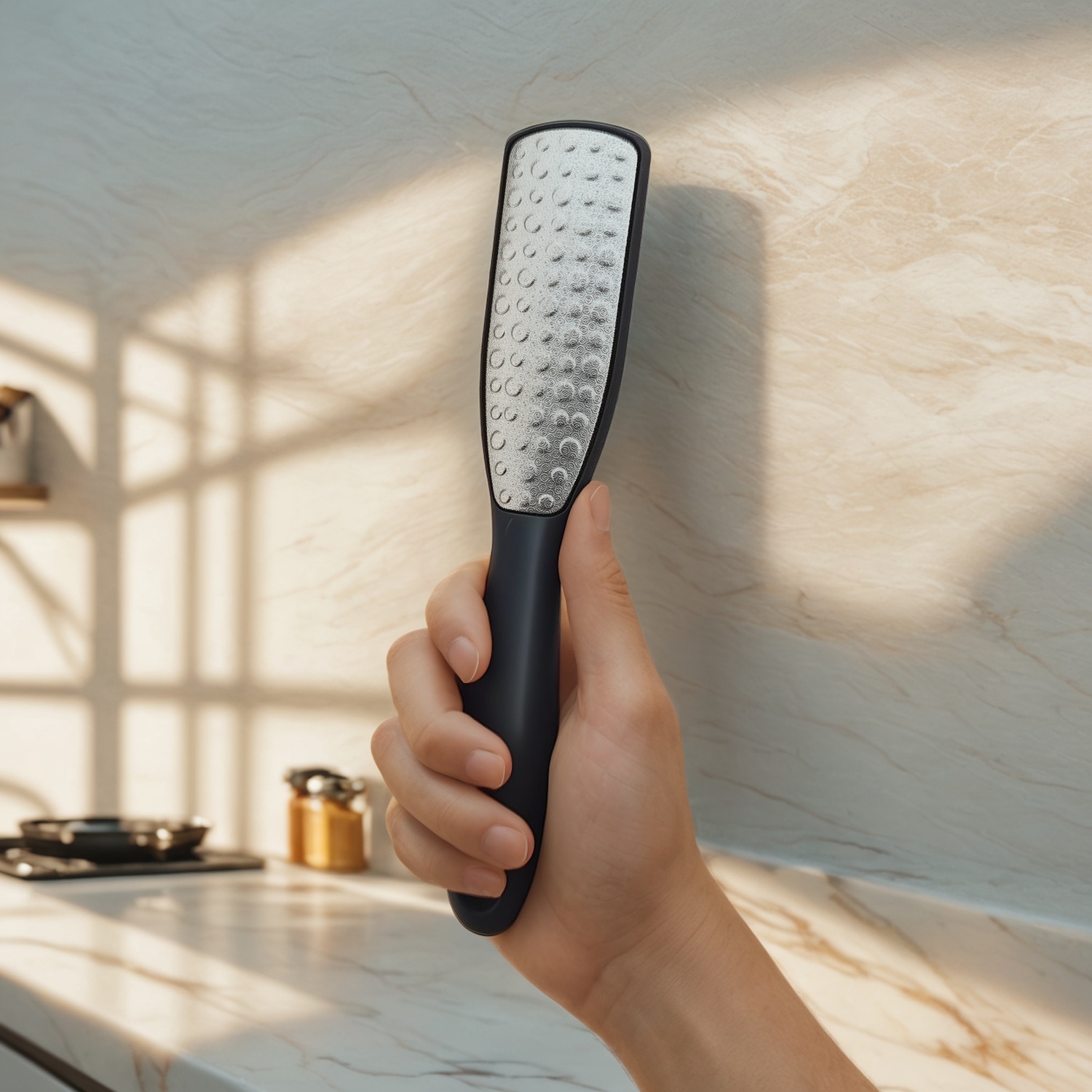
A nail file for natural nails, salon services, travel kits or pedicure support may need a different surface, width and handle. State the intended user, service and pack format before asking for a price. If a grit or abrasive description is used, define how it is measured and labeled for the selected model rather than copying a number from another file.
A G10 or other handle material should be confirmed for the exact product; do not infer construction from a photograph. Ask for dimensions, edge treatment and the approved sample reference so the supplier and buyer discuss the same item.
Evaluate Abrasive Consistency
Review the working surface across multiple pieces. Look for consistent texture, secure bonding, clean edges and no loose particles. Use an agreed test surface or professional trial and document the feel, removal rate and control. A visual check alone cannot establish how a file performs.
If the file has two sides, identify each side in the specification and packaging. Check that the handle remains stable under normal pressure and that the transition does not create a sharp edge.
Before approval, confirm with Olimor the selected abrasive specification, tolerance, handle material, test medium and acceptance limits.
Plan Packs and Reorders
A wholesale program should define unit pack, inner pack, case pack, labels and protection for shipment. The pack must keep the abrasive surface from damaging adjacent products and should make the item code easy to scan. For salon or spa buyers, add care and replacement guidance that matches the actual construction.
Keep an approved sample, artwork file, revision and supplier item code together. When an abrasive source, handle, adhesive, finish or package changes, request written notice and repeat the relevant checks. MOQ, lead time and mixed-SKU rules must come from the current quotation.
Create a Controlled Abrasive Comparison
Assign each candidate in the nail file assortment a sample code and hide supplier marketing names during the first functional comparison. Under the same approved method, record texture, shaping control, removal behavior, edge access and visible surface change. Use the same evaluator group and test medium for the candidates. The buyer must define this method because a supplier grit label alone cannot establish equivalent performance.
Before use, examine abrasive coverage, bare spots, bubbles, lifted edges, loose particles and the transition from surface to handle or backing. For a two-sided file, document each face separately and confirm how the sides will be identified on the product or package. Keep photographs and the selected physical reference in a protected sample file.
Do not infer a substrate or handle material from color. Ask for the declared construction of the exact item, then evaluate rigidity or flex for the intended task. A flexible salon file and a rigid handled retail file may need different acceptance points even when their abrasive descriptions look similar.
Define Pack Protection and Lot Review
Abrasive faces can mark neighboring products, collect debris or lose particles when packed without separation. Open the proposed unit and case packs after a handling trial and check surface contact, file movement, label accuracy and count. If an insert names coarse and fine sides, compare that wording with the approved samples and actual markings.
For replenishment, compare incoming pieces with the retained sample using the controlled surface review rather than a photograph alone. Record changes in abrasive source, bonding layer, backing, dimensions or edge process. A new source may require another functional comparison even when the color and printed grit stay unchanged.
Before releasing the order, confirm with Olimor the abrasive designation, definition method, bonding and edge limits, backing construction, care guidance, MOQ and production schedule.
Design a Clear Nail File SKU Ladder
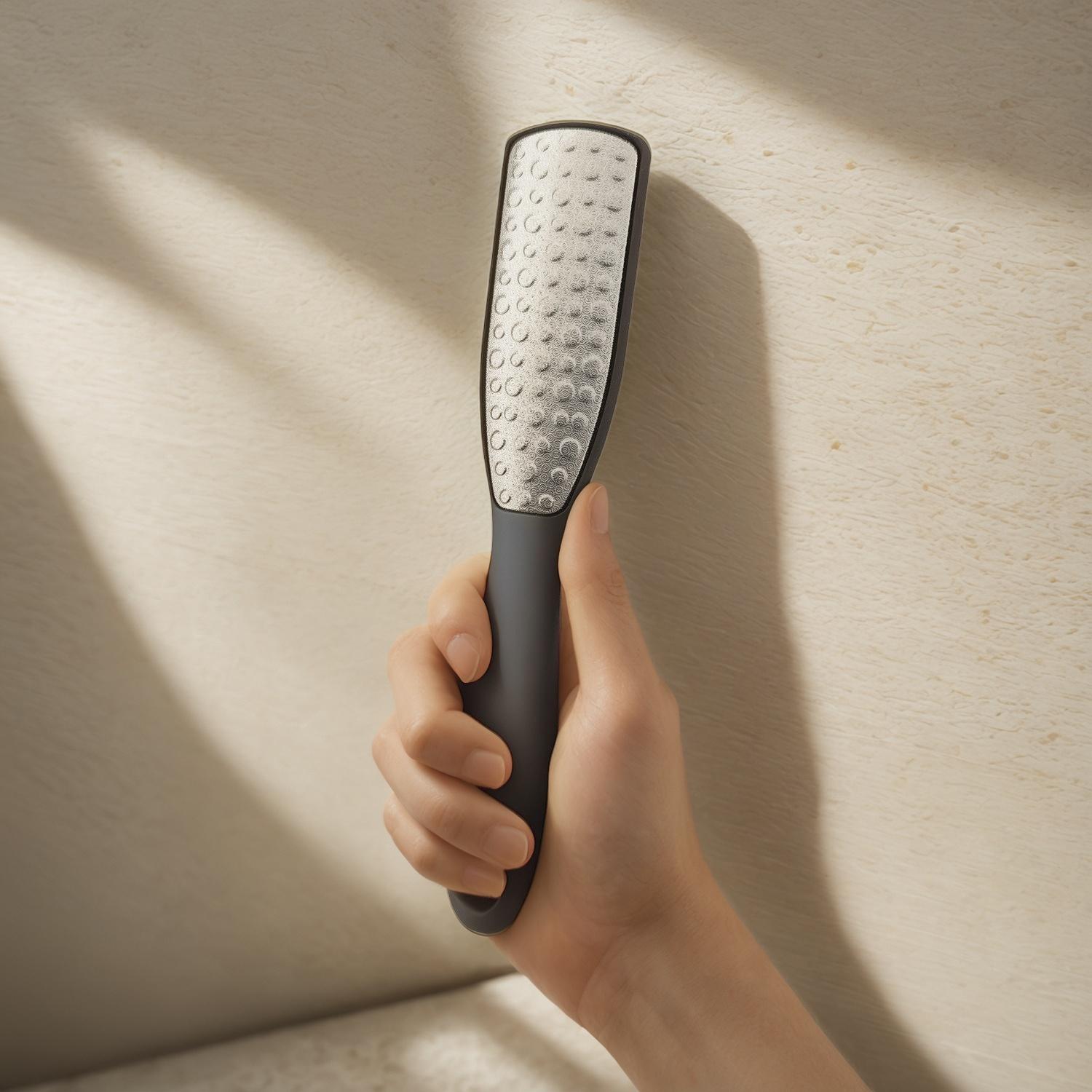
A retailer or spa can organize nail files by task rather than by an unexplained list of shapes. Define which file is intended for general shaping, detailed edge work, pedicure support, a professional service or a travel kit. The product name and pack should explain the difference without requiring the customer to understand internal supplier codes.
When two surfaces are offered, specify the side identification and intended sequence. A printed grit number, color or texture label is useful only when it matches the released sample. Confirm that markings survive normal handling and do not transfer to adjacent tools. If the file uses a rigid handle, test grip with dry hands and under the conditions expected in the service; if it uses a flexible backing, record acceptable flex and edge condition.
For reorder consistency, keep a retained sample protected from normal use. Compare the new abrasive appearance and feel under the same conditions, and review any supplier change to abrasive source, bonding or dimensions. A surface can look similar while performing differently, so the receiving plan should include a controlled functional comparison instead of relying only on photographs.
FAQ
Is a grit number enough to approve a nail file?
No. Confirm how the designation is defined for that model, inspect several surfaces and document a repeatable performance comparison with agreed acceptance points.
How should a buyer retain an approved nail file?
Store an unused, identified sample where its abrasive faces cannot rub against other materials. Keep its item code, side descriptions, pack proof and evaluation record together so the next delivery can be compared under the same conditions.
Build the Nail File RFQ
Start with the nail file product range and related professional nail care tools, then send a nail file RFQ. Describe the filing task, intended user, surface or side requirements, backing preference, pack format, quantity, destination and comparison method. This brief helps Olimor separate genuinely different SKUs instead of quoting several unexplained shapes.
Tag: