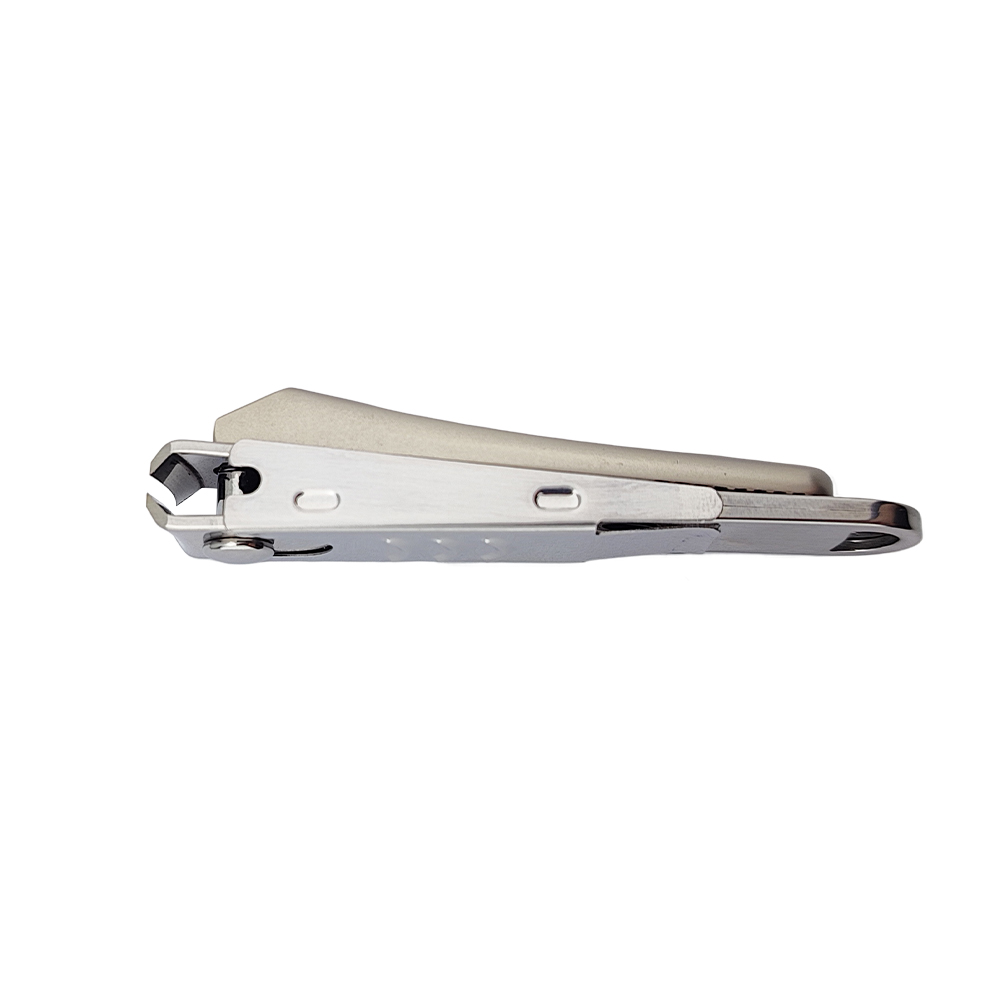
How to Choose Ergonomic Nail Clippers for Comfortable Daily Grooming
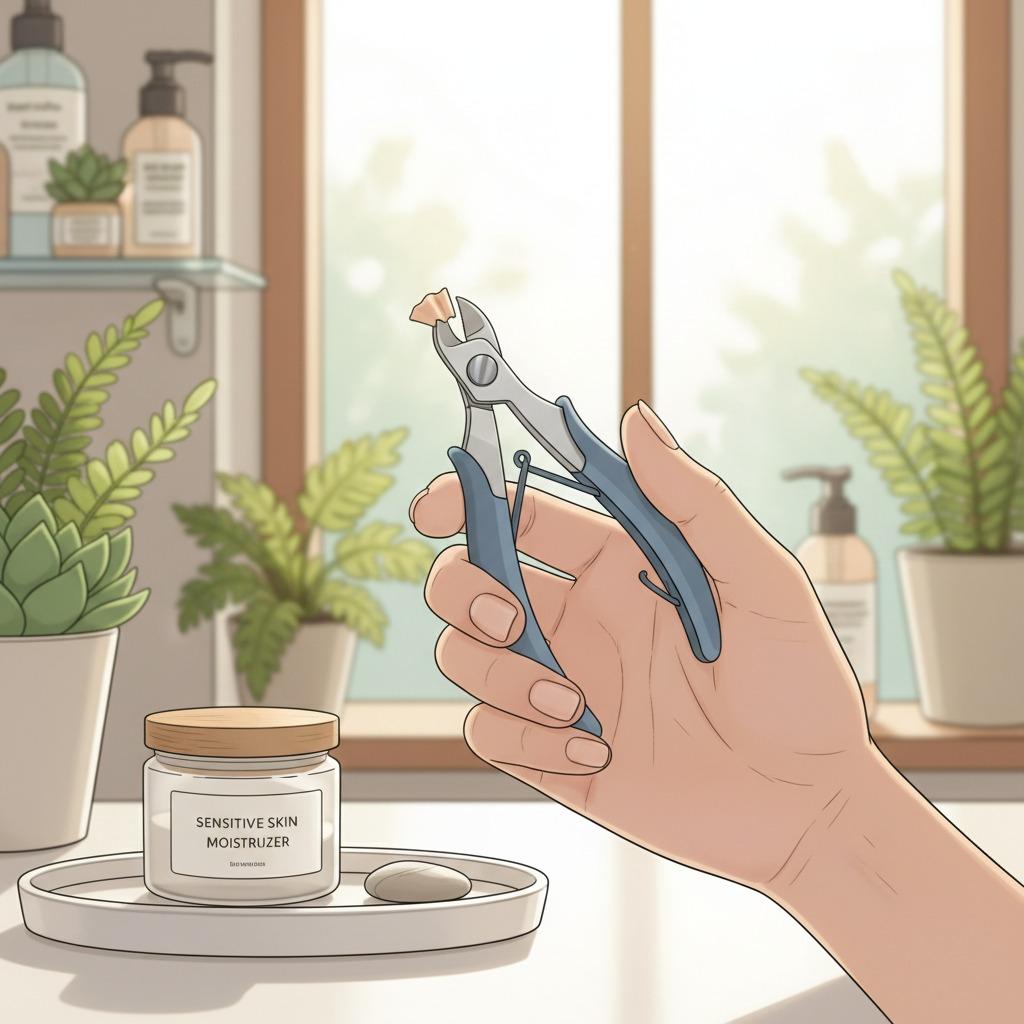
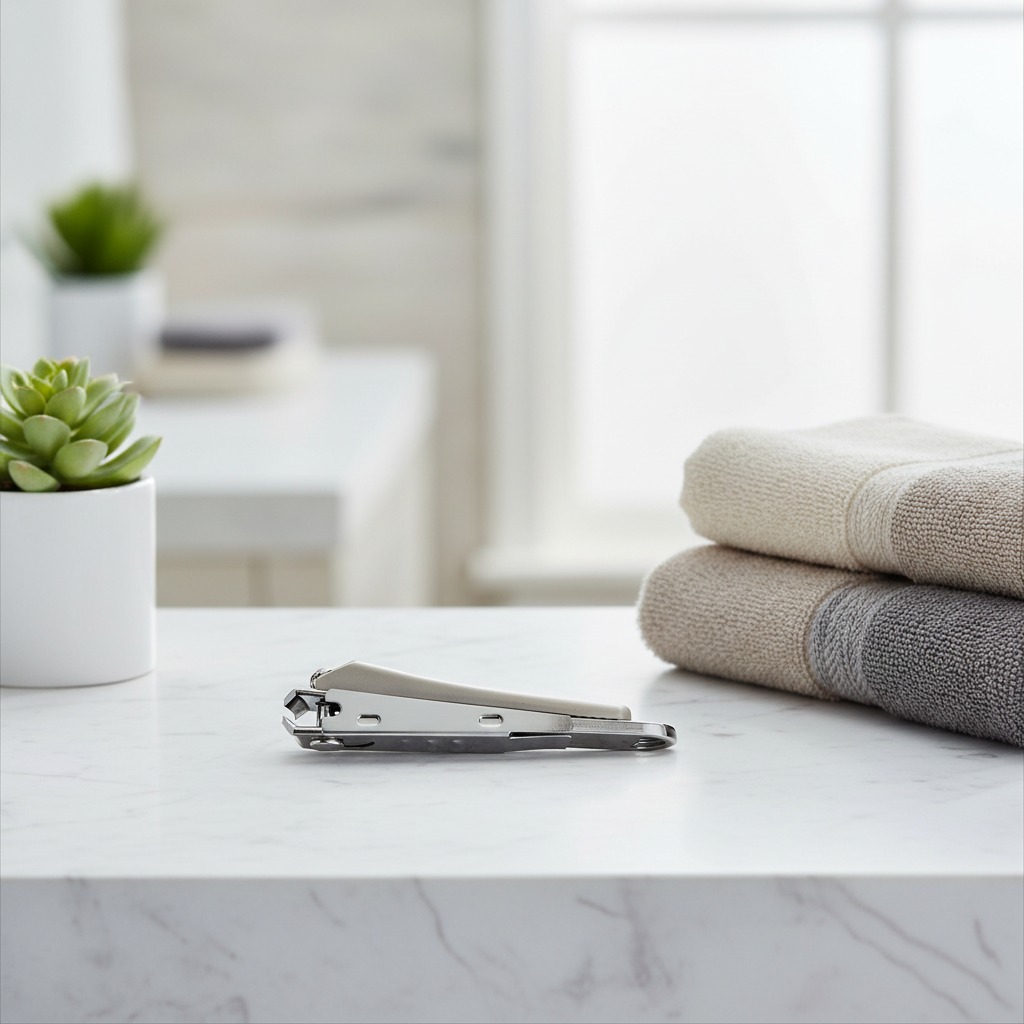
Ergonomic nail clippers are designed for one simple purpose: making nail trimming easier to control. A good clipper should feel steady in the hand, cut cleanly with minimal pressure, and help the user avoid jagged edges, pinching, or awkward wrist angles. That matters for everyday home grooming, salon kits, travel sets, elderly care, and anyone who finds standard small clippers uncomfortable to hold.
Comfort is not only about a soft handle. The shape of the lever, the width of the grip area, the sharpness of the cutting edge, and the smoothness of the pivot all affect how the tool performs. For buyers comparing beauty tool products, the best choice is usually the clipper that balances hand comfort with reliable cutting performance and easy cleaning. This guide explains what to look for before choosing ergonomic nail clippers for personal use, retail assortment, promotional kits, or professional grooming sets.
What Makes a Nail Clipper Ergonomic?
An ergonomic nail clipper reduces the strain required to complete a trim. Instead of forcing the fingers into a narrow pinch position, it gives the user a wider or more natural contact point. This can be helpful for people with smaller hands, reduced grip strength, long grooming sessions, or sensitive skin around the nail edge.
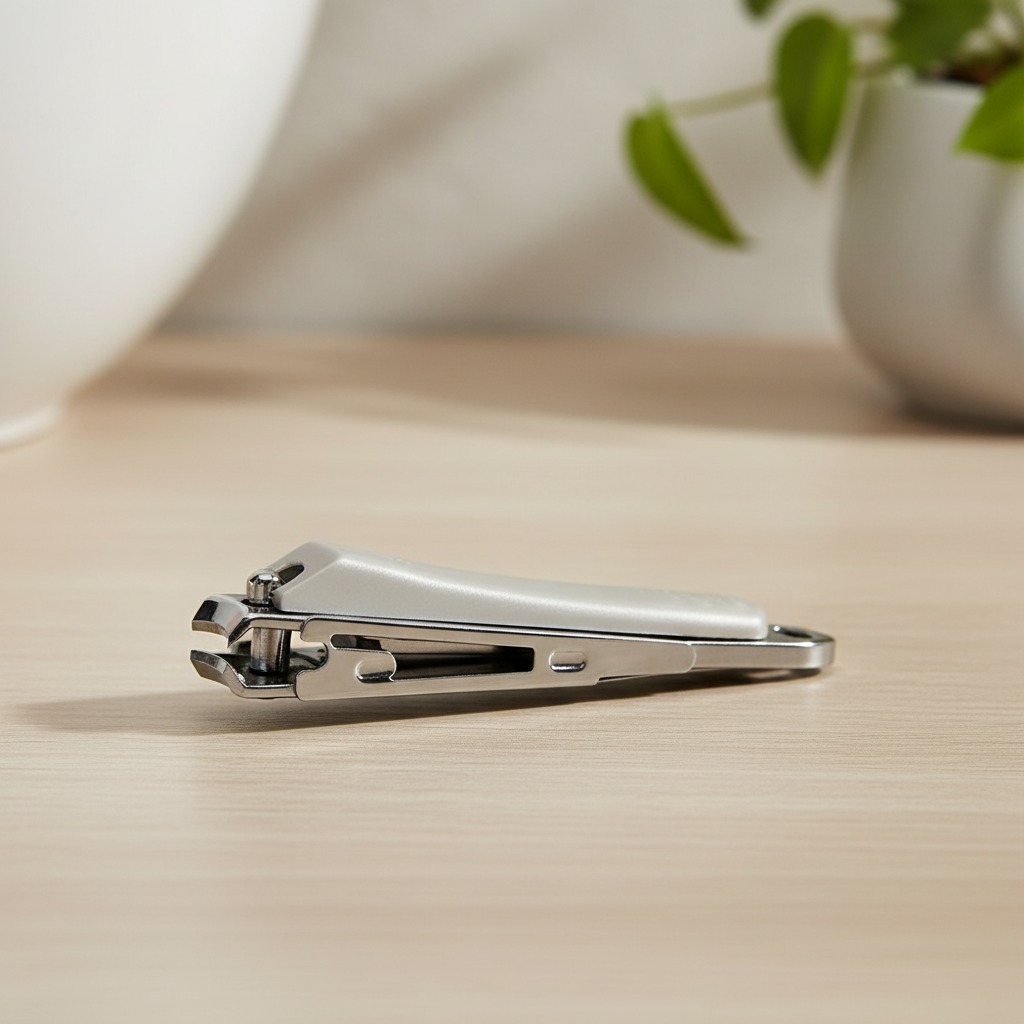
When assessing an ergonomic design, focus on how the tool works in use rather than how it looks in a product photo. A large handle may appear comfortable, but if the lever is slippery or the cutting edge does not align well, the tool will still feel difficult. A compact clipper can also be ergonomic if the pressure point is well placed and the cutting action is smooth.
- Grip area: The surface should help fingers stay stable without requiring excessive force.
- Lever angle: The pressing motion should feel natural and should not force the wrist into an uncomfortable position.
- Cutting control: The user should be able to make small, accurate cuts instead of removing too much nail at once.
- Edge finish: Smooth edges around the body and handle reduce the chance of irritation during use.
- Pivot smoothness: A clipper that opens and closes evenly is easier to control.
Choosing the Right Size and Shape for the User
Size is one of the most practical selection points. Fingernail clippers are usually smaller and easier to maneuver around curved nail edges. Toenail clippers are often larger, with a wider jaw and stronger leverage. For ergonomic comfort, the user should not need to over-squeeze the tool to make a clean cut.
For personal care kits, one clipper may be enough if the nails are thin and easy to trim. For a more complete grooming set, separate fingernail and toenail clippers can provide better control. Retailers and sourcing teams may also consider whether the target customer needs a compact travel option, a wider handle for comfort, or a more substantial tool for at-home grooming.
Hand size is equally important. A very small clipper may be difficult for some adults to hold, especially if the lever is narrow. A very large clipper may feel clumsy for detailed fingernail work. The ideal ergonomic nail clipper should allow the thumb and finger to press naturally while the cutting edge remains visible.
Blade Alignment, Sharpness, and Cut Quality
The cutting edge determines whether the clipper feels precise or frustrating. Even a comfortable handle cannot compensate for poor blade alignment. When the upper and lower edges meet evenly, the nail is cut cleanly instead of crushed or torn. A cleaner cut reduces the need for repeated clipping and can make filing easier afterward.
Sharpness should be consistent across the cutting edge. If only the center cuts well while the corners drag, the user may need to twist the tool or clip repeatedly. That increases the chance of uneven nail edges. For sensitive skin, repeated corrections are especially undesirable because they bring the blade closer to the surrounding skin more often.
Before adding ergonomic nail clippers to a grooming line or kit, evaluate samples with real use cases: thin fingernails, thicker toenails, left and right hand use, and small trimming corrections. The goal is not only to cut, but to cut predictably with light, controlled pressure.
Comfort Considerations for Sensitive Skin
People with sensitive skin often need a more cautious trimming routine. The clipper should help the user work slowly and accurately. Smooth body edges, stable grip, and visible blade placement all matter because they reduce slipping and over-cutting. The user should be able to stop before cutting too close to the skin.
A simple routine can make ergonomic nail clippers safer and more comfortable:
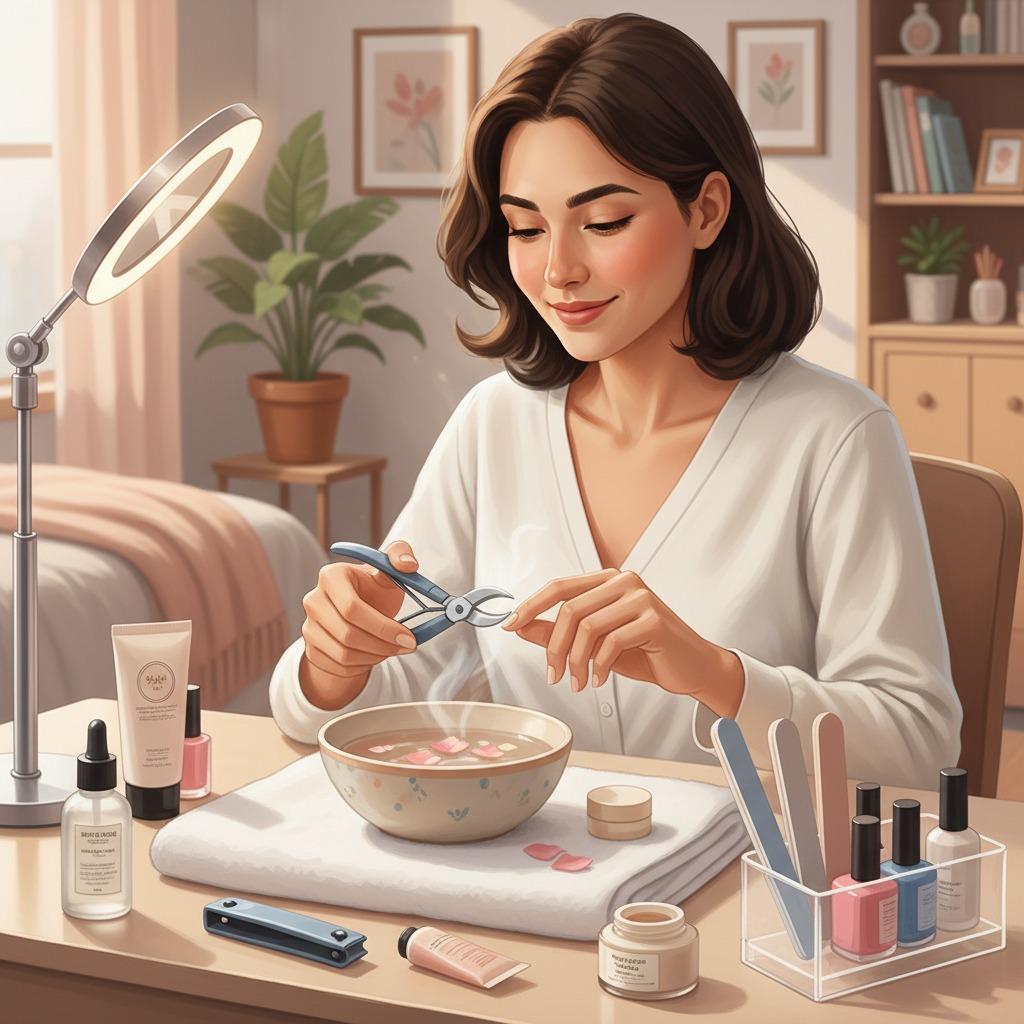
- Wash hands or feet and dry them well, or trim after a short warm soak if nails are hard.
- Clip in small sections instead of trying to remove the full nail edge in one cut.
- Follow the natural nail shape while avoiding deep cuts into the side corners.
- Use a nail file to smooth small points rather than clipping repeatedly near skin.
- Clean the clipper after use and store it in a dry location.
For shared or professional environments, hygiene practices become more important. Clippers should be easy to wipe clean, with areas around the pivot and cutting edge accessible enough for routine care. If a grooming kit is intended for multiple users, cleaning instructions and packaging information should be clear.
Durability and Material Questions Worth Checking
Durable nail clippers should resist bending, maintain a steady lever action, and continue to cut cleanly after repeated use. Stainless steel is commonly used for nail tools because it is suitable for sharp edges and routine cleaning, but buyers should still evaluate construction quality rather than relying on material claims alone.
For sourcing or assortment decisions, the following checklist is useful when comparing options from Olimor Beauty or when reviewing items across product collections:
| Selection point | What to check | Why it matters |
|---|---|---|
| Blade meeting point | Edges close evenly with no visible offset | Supports clean cuts and reduces nail splitting |
| Lever pressure | Pressing action feels smooth, not stiff or loose | Improves comfort for repeated trimming |
| Grip finish | Surface provides control without sharp body edges | Helps prevent slipping and finger discomfort |
| Jaw opening | Opening suits the intended nail thickness | Prevents forcing the clipper onto thicker nails |
| Cleaning access | Cutting area can be wiped and dried easily | Supports better hygiene and longer tool life |
| Packaging fit | Tool is protected and presented clearly | Important for retail, kits, and shipping protection |
Durability is also affected by storage. Even a well-made clipper can lose performance if it is left wet, tossed loose into a bag with abrasive items, or used for materials other than nails. A small case, sleeve, or dedicated grooming pouch helps protect the cutting edge.
How to Use Ergonomic Nail Clippers for Cleaner Results
Technique has a direct impact on comfort. Start by positioning the clipper so the blade is easy to see. Press slowly and avoid cutting too far into the nail corners. For fingernails, several small clips across the edge usually give more control than one large cut. For toenails, trimming more straight across can help avoid uncomfortable side pressure, while a file can soften the corners afterward.
Do not force the clipper through a nail that feels too thick or too hard. Soften the nail first, adjust the angle, or use a more suitable toenail clipper. Forcing the cut can strain the hand and may damage the nail edge. Ergonomic design helps, but the correct tool size and patient technique are still essential.
After clipping, remove nail fragments from the blade area. Wipe the cutting edge dry, especially if the clipper was cleaned with water or used after soaking. If the pivot begins to feel rough over time, routine cleaning around the joint can help keep the action smoother.
Buying Ergonomic Nail Clippers for Kits, Retail, or Salon Use
When choosing ergonomic nail clippers for a product line or care kit, define the intended user before evaluating samples. A travel grooming kit may prioritize compact size and protective packaging. A home care set may need a larger, easier-to-hold lever. A salon or professional kit may focus on cleaning convenience, repeated-use comfort, and consistent trimming performance.
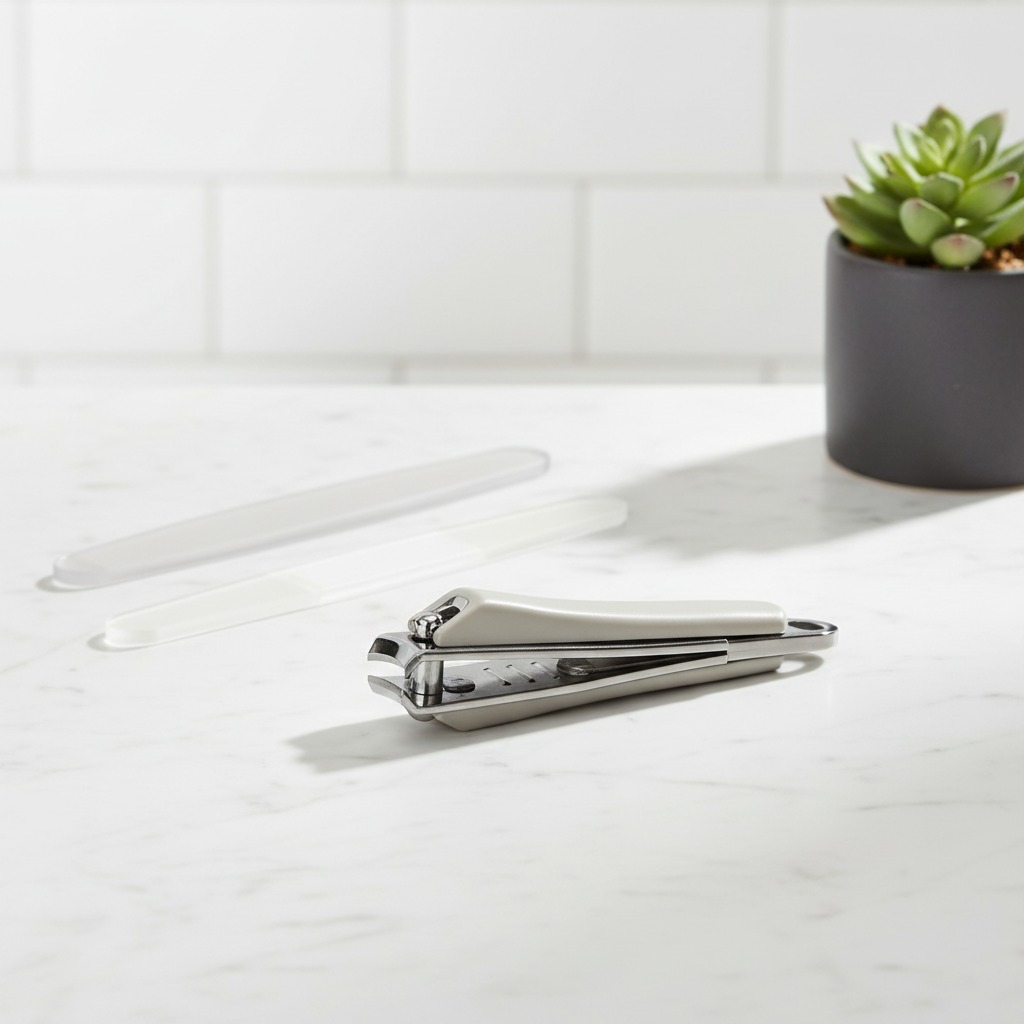
It is also useful to review how the clipper will be presented with other tools. Nail files, cuticle tools, tweezers, and scissors may be part of the same grooming category, so the finish and packaging should feel consistent. However, comfort and cutting quality should remain the main decision points. A coordinated kit is only useful if each tool performs its job well.
Olimor Beauty works with beauty tool buyers who compare product function, appearance, packaging needs, and sourcing details. To discuss suitable options for nail grooming assortments, you can contact Olimor or send an inquiry with the intended application, target user, and packaging requirements.
Final Selection Tips
The best ergonomic nail clippers are comfortable because every detail supports control: the handle, the lever, the cutting edge, the pivot, and the finish. Before choosing, test how the clipper feels in the hand, how much pressure it requires, and whether it cuts cleanly without repeated corrections. For sensitive skin, prioritize stability and small, controlled trimming over aggressive cutting strength.
A thoughtful clipper can make routine nail care simpler and more consistent. Whether the goal is a personal grooming tool, a retail item, or a professional care kit, ergonomic design should be judged by real handling comfort, clean cut quality, and ease of maintenance.