

If you are comparing a cuticle nipper supplier, you are probably not just buying a small hand tool. You are buying consistency. The jaws need to meet cleanly, the spring action needs to feel predictable, and the finish has to look presentable after repeated handling in a salon drawer or retail kit. For sourcing teams, those details matter because a cuticle nipper is a simple product only on paper. In use, it has to trim dead skin and excess cuticle around fingernails and toenails without feeling flimsy or unpredictable.
That is why this category often trips up first-time buyers. A nipper can look fine in a product photo and still disappoint in hand: rough pivot action, dull edges, awkward grip geometry, or a finish that shows wear too quickly. If you are sourcing for nail salons, manicure sets, beauty spas, or grooming assortments, the decision is less about finding the cheapest part and more about finding a supplier that can hold basic quality from one batch to the next.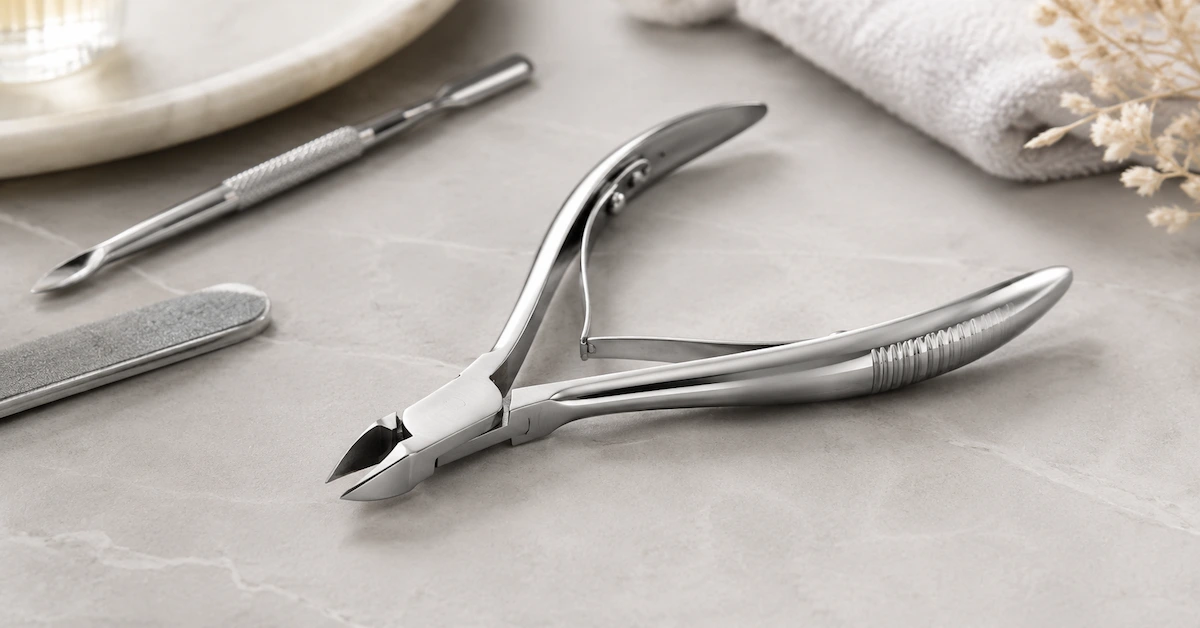
What a cuticle nipper is built to do
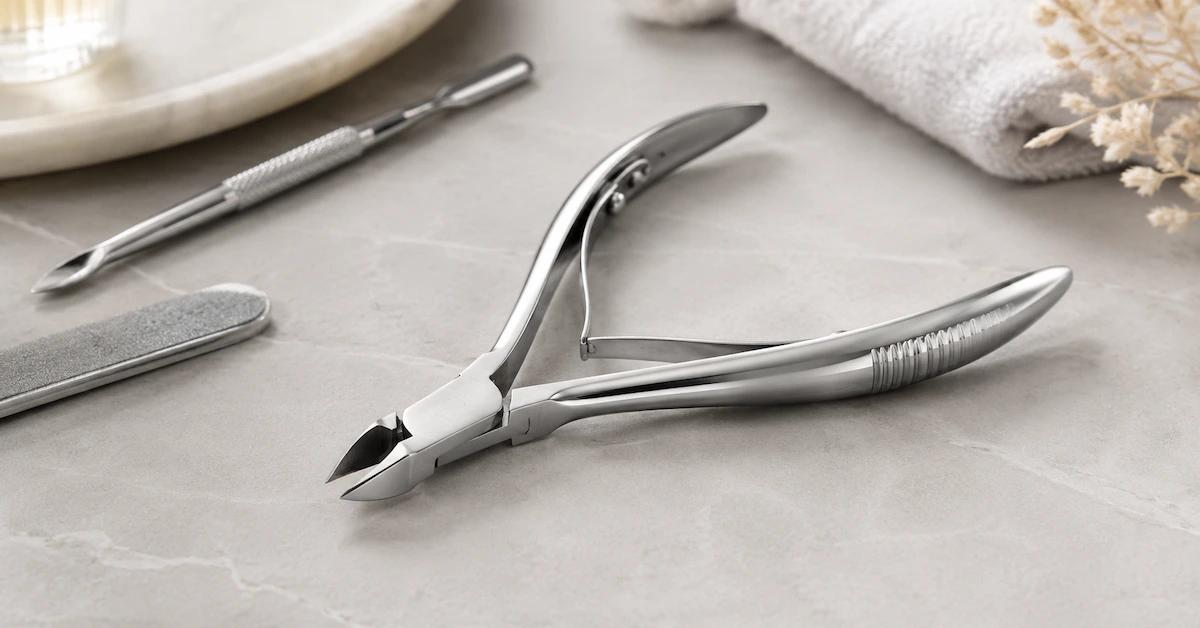
A cuticle nipper, sometimes called a cuticle clipper, is a compact metal grooming instrument designed for precision trimming. The form is familiar: two long handles, a pivot joint, spring-loaded opening, and short angled cutting jaws. That plier-style layout gives the user leverage while keeping the cutting area small and controlled.
The visible product characteristics usually tell you a lot. The reflective silver finish suggests a metal body, often stainless-steel in this kind of grooming tool. A brushed or knurled grip section on the handles improves handling, especially when the tool is used repeatedly during manicure work. The fine, pointed jaw tips are the most important part for buyers to examine, because that is where trimming accuracy lives or dies.
For salons, the appeal is obvious. For distributors, the challenge is more subtle: this is the kind of item that can look interchangeable across suppliers until the first complaint comes back about poor alignment or uncomfortable spring tension.
Quick reference: what to compare when sourcing
Before you place a trial order, compare the basics side by side:
1. Jaw precision
The jaw tips should close cleanly and feel controlled. Small variations matter here more than in many other hand tools.
2. Handle comfort
A textured grip area is useful, especially for professional nail care where the tool may be handled continuously through the day.
3. Spring action
A spring-loaded structure should open smoothly without feeling loose or overly stiff. The feel should be consistent, not erratic.
4. Surface finish
A polished metal surface is standard for this class of tool, but buyers should watch for uneven polish marks, burrs, or cosmetic defects that undermine retail value.
5. Packaging fit
If the nipper is going into a manicure kit or cosmetic tool set, the overall size and look need to fit the rest of the assortment. A tool that performs well but looks out of place can still be a poor commercial fit.
How these tools are typically made
Manufacturing for a cuticle nipper usually combines metal forming or stamping with grinding, sharpening, and polishing. The exact process depends on the supplier, and you should not assume all tools are made the same way just because they share a similar silhouette.
The short jaws need careful grinding to create the cutting edge, while the handles and pivot area must be formed to support repeated motion. After that comes polishing, which is not just cosmetic. A smooth finish can make the tool feel cleaner in the hand and can reduce the rough look that buyers associate with lower-cost grooming products.
A practical caution: the best-looking finish is not always the best sign of durability. A polished surface can disguise weak alignment if you do not inspect the jaw closure and spring feel closely. That is why a sample order should always include hands-on evaluation, not only a visual check.
Where the product fits in the market
A cuticle nipper sits at the intersection of beauty tools and personal grooming. It is common in nail salons, manicure kits, beauty spas, and retail cosmetic sets. Some buyers want a professional-facing look; others need a straightforward consumer product for home grooming. The supplier should be able to support whichever channel you are targeting, at least in terms of presentation and consistency.
This is also where cuticle nipper wholesale planning becomes important. If you are building a product assortment, you may need one version for salon supply, another for gift sets, and another for general retail. The tool itself may be similar, but the economics, packaging, and quality expectations can differ quite a bit.
Selection criteria that matter more than the spec sheet
Specifications help, but with a hand tool like this, you still need to think like a buyer rather than a catalog reader.
First, check the pivot. If the joint feels gritty, loose, or uneven, the user will notice immediately. Second, check the grip area. A smooth handle can look elegant in a photo, yet it may not be ideal during repetitive salon work. Third, assess the jaw tips under normal lighting. You want precision, not just a sharp appearance.
Also consider corrosion resistance in practical terms. The visible metal finish may suggest stainless steel, but unless the supplier states material details clearly, do not make assumptions about grade or performance. For grooming tools, that distinction matters because buyers often expect easy maintenance and a clean professional look over time.
Questions to ask a potential supplier
Ask how the tool is formed and finished.
Ask whether the same profile can be supplied consistently across batches.
Ask how the handles and jaws are inspected for alignment.
Ask what packaging options are available for retail or kit bundling.
These are simple questions, but they quickly separate an experienced cuticle nipper manufacturer from a trading middleman who may not control the details that matter.
Common sourcing mistakes
One common mistake is treating all nippers as interchangeable. They are not. A product can have the same basic shape and still differ in sharpness, grip texture, and closing feel. Another mistake is buying only on appearance. A polished finish photographs well, but it does not tell you whether the jaws meet properly.
A third mistake is ignoring the end user. A salon buyer may care about repeated comfort and precise trimming. A retail buyer may care more about presentation and packaging. If you are sourcing for both channels, the same tool may need two different commercial treatments.
There is also a tendency to over-specify what does not matter and under-specify what does. Some buyers spend too much time on broad descriptions and too little on the practical things users actually feel: handle comfort, spring action, and how the tool sits in the hand.
Buyer advice for wholesale and private label programs
If you are building a wholesale program, start with a sample set and compare multiple units from each batch. Look for uniformity in polish, handle texture, and jaw alignment. If the tools are going into a private-label assortment, ask whether branding can be added without damaging the finish or making the product look overworked.
For distributors, one useful habit is to test how the nipper fits into adjacent product lines. A compact handheld design is an advantage, but only if it complements the rest of the manicure category. A mismatched tool can create friction for retail buyers who want a cohesive set.
If you are sourcing for salons, lean on the opinion of the people who actually use the tool. Nail technicians often notice small ergonomic issues that procurement teams miss. That feedback is worth collecting before you scale an order.
FAQ
Is this tool only for professional use?
Not necessarily. The same style of nipper may be used in professional settings and home grooming, depending on the supplier’s positioning and the buyer’s intended market.
What material is it likely made from?
The reflective silver finish suggests a metal construction, often stainless steel for this category, but exact material should be confirmed with the supplier rather than assumed.
What should I inspect first in a sample?
Start with jaw alignment, spring feel, and handle comfort. Those three features tell you a lot about the underlying quality.
Can I use packaging alone to judge quality?
No. Good packaging can improve shelf appeal, but it does not prove cutting performance or long-term consistency.
Finding the right supplier relationship
For this product category, a good sourcing decision is often less about chasing a perfect spec and more about choosing a supplier who understands the small things that make a grooming tool usable. The right partner should be able to deliver a metal hand tool with clean trimming jaws, stable spring action, a practical grip area, and a finish that suits salon or retail expectations.
That is the real test of a cuticle nipper supplier: not whether the product looks similar to every other nipper online, but whether it performs like something a buyer would keep ordering after the first batch.
If you are evaluating vendors now, request samples, compare the closing action by hand, and check how each tool feels after repeated opening and closing. Small differences tend to show up quickly, and in this category, they are usually the differences that decide the order.
Tag: