

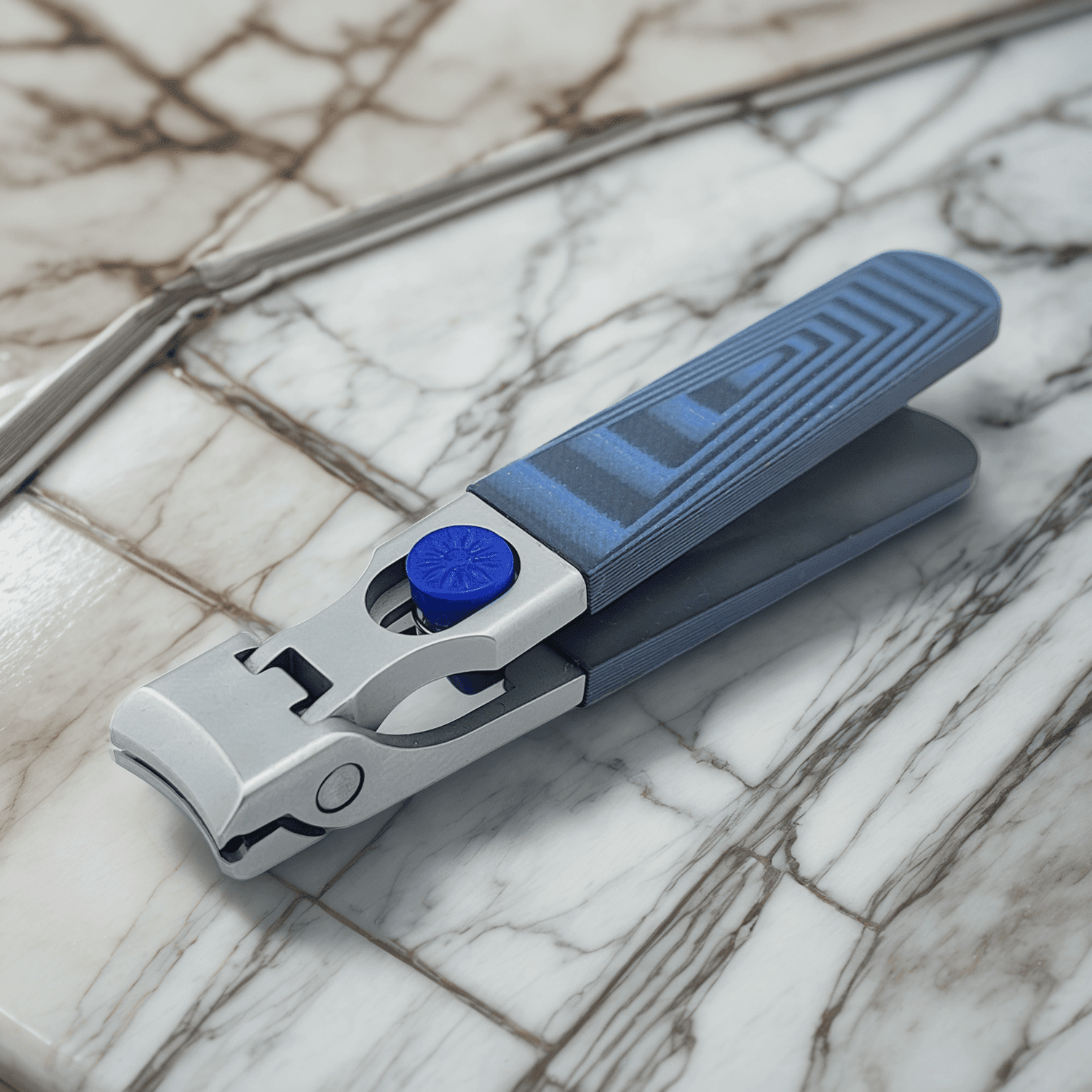
Best Nail Clipper for Retail: A B2B Selection Guide
The best retail nail clipper is the model that cuts its intended nail type cleanly and performs consistently across a sample set. Buyers should compare blade contact, lever action, grip, finish and packaging instead of selecting by appearance or unit price alone.
The best nail clipper for retail is the model that cuts its intended nail type cleanly across a representative sample set.
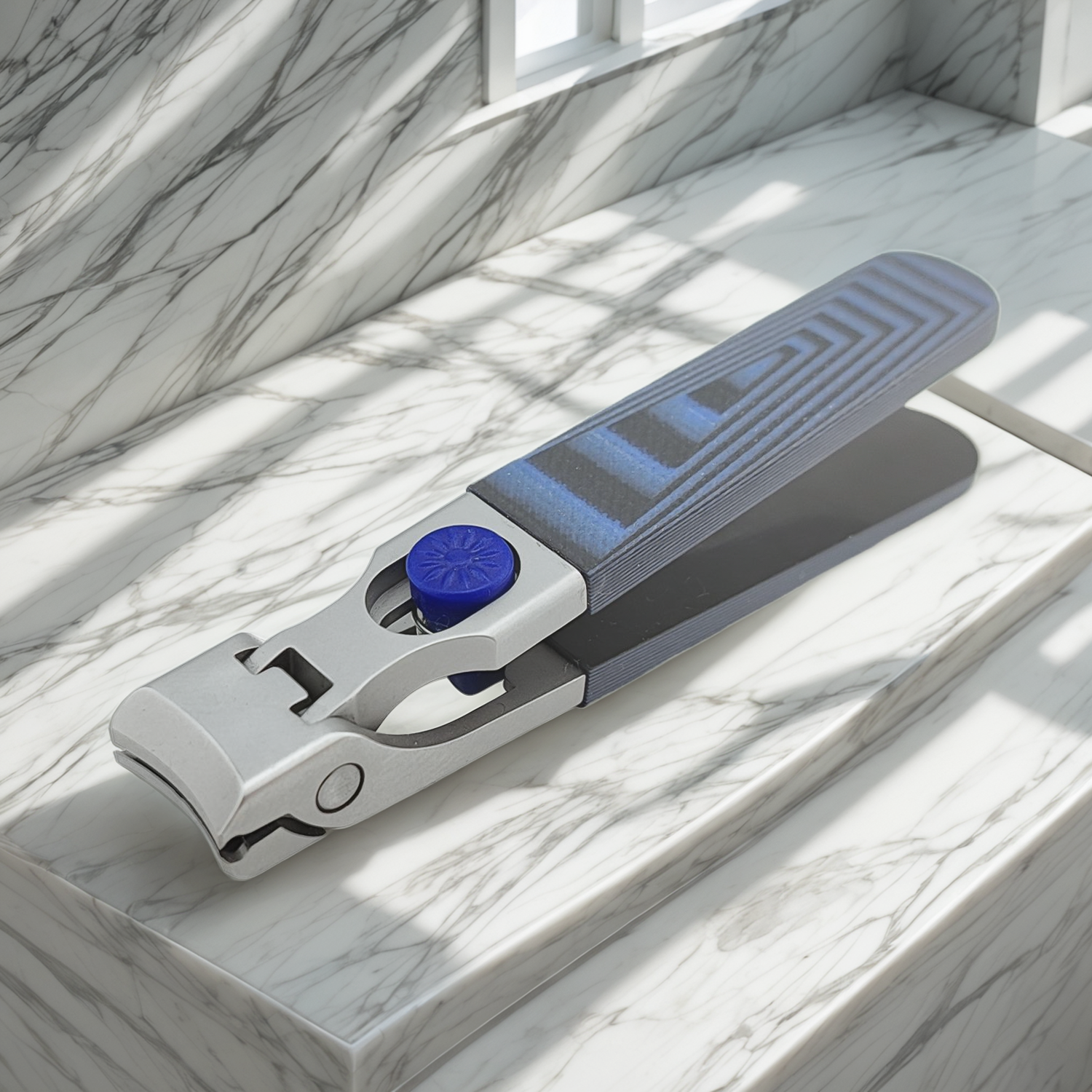
What Makes a Nail Clipper Worth Choosing?
A good nail clipper should be judged by practical performance before appearance. Shine, weight and packaging can support a premium impression, but they do not guarantee a clean cut. The most important question is simple: do the blades meet accurately and cut the nail without crushing it?
Nails vary in thickness, moisture level, shape and toughness. Fingernails usually require controlled trimming along a curved edge. Toenails are often thicker and need steadier leverage. If the cutting edges are dull, flexible or misaligned, the user may experience tearing, splitting or an uncomfortable snapping action.
A professional nail clipper normally combines several useful qualities:
- Sharp, aligned blades: the cutting edges should meet evenly across the nail.
- Comfortable leverage: the lever should reduce hand strain, especially for toenails.
- Stable body construction: the clipper should not twist or feel loose during use.
- Corrosion-resistant material: stainless steel is commonly preferred for grooming tools when properly produced and maintained.
- Smooth finishing: non-cutting edges should not feel rough against the fingers.
- Easy cleaning: nail fragments and moisture should be simple to remove after use.
For B2B buyers, these details matter because nail clippers are often sold as part of a wider grooming range. If one small tool feels weak, it can affect the perceived quality of a kit, private-label assortment or retail program.
Fingernail Clippers vs. Pedicure Nail Clippers
There is no single best nail clipper for every grooming task. Fingernail and toenail care have different requirements, so buyers should match the tool to the intended use instead of choosing only by size or style.
Fingernail clippers are usually selected for precision, easy control and a cutting curve that follows the natural shape of smaller nails. Pedicure nail clippers should emphasize leverage, grip stability and controlled cutting on thicker nails. A straight or less aggressively curved cutting edge is often preferred for toenails because many users trim toenails more evenly to avoid cutting too deeply at the sides.
| Use case | What to prioritize | Commercial relevance |
|---|---|---|
| Everyday fingernail trimming | Fine blade alignment, smooth action and controlled shape | Suitable for personal grooming items, beauty kits and daily care assortments |
| Pedicure nail care | Stronger leverage, stable grip and a less delicate cutting profile | Useful for foot care ranges, salon supply and grooming sets |
| Travel grooming kit | Compact construction, reliable closing action and protected storage | Supports portable beauty sets, amenity kits and gift packs |
| Retail beauty assortment | Consistent finish, comfortable hand feel and packaging compatibility | Helps create a dependable entry-level or mid-range nail care offer |
| Premium grooming set | Refined finish, smooth lever movement and cohesive appearance with other tools | Improves perceived value when paired with files, tweezers or scissors |
If a product line includes both hand and foot care, it is often better to offer dedicated options rather than positioning one clipper as suitable for every nail. This helps customers choose correctly and reduces unrealistic expectations.
Material, Manufacturing and Finish Details to Inspect
Stainless steel is widely used in nail clippers because it can support durability and rust resistance when made and maintained correctly. However, the material name alone is not enough. Buyers should also inspect how the tool is cut, formed, ground, polished and assembled.
Blade geometry is one of the most important manufacturing details. The cutting edges must meet at the right point and angle. If one side contacts before the other, the nail may tear or cut unevenly. If the edges are not sharp enough, the clipper may compress the nail before completing the cut. If the body is too flexible, the blades may shift under pressure.
Surface finishing also affects user experience. A highly polished clipper can look attractive, but buyers should check for burrs, sharp non-cutting corners and uneven plating or finishing. The lever should rotate smoothly into position and provide enough leverage without feeling loose. The pin or rivet area should feel stable because looseness in this area can affect blade alignment.
Specify the finish process instead of inferring it
Electroplating and electrophoretic coating are different finish systems. Electroplating deposits a metal layer, while electrophoretic coating deposits a resin or paint film that is subsequently cured. Neither term, by itself, proves the corrosion, adhesion or wear performance of a finished nail clipper, and buyers should not assume that a selected Olimor model uses either process without product documentation.
For a finish approval, request the actual base material, pretreatment, coating stack and test method for the selected SKU. Inspect the lever underside, jaw recesses, pivot-adjacent areas and edges across several samples, then record acceptable color and gloss variation together with any limits for bubbles, roughness, thin coverage or discoloration.
When reviewing samples, inspect under strong light and handle the product as an end user would. Open and close it several times. Feel the underside, side edges and lever contact area. A nail clipper is held close to the fingers and toes, so small rough areas are noticeable.
How to Evaluate Nail Clipper Samples Before Ordering
For individual use, testing one clipper may be enough. For brand owners, importers, distributors and salon supply buyers, sample evaluation should be more systematic. A nail clipper is a relatively simple tool, but small differences in grinding, tension and finishing can create a different user experience.
Before requesting samples, define the target customer and use case. A general beauty kit may need a balanced clipper that works for most users. A pedicure-focused item should prioritize strength and stability. A premium set may require a more refined finish and coordinated packaging. Buyers comparing related beauty tool products should consider whether the nail clipper matches the quality and appearance of the full range.
Practical sample inspection checklist
- Confirm the intended use: fingernail, toenail, travel, salon supply, retail set or gift kit.
- Check blade alignment: view the cutting edges from the front and side to see whether they meet evenly.
- Test lever movement: open, rotate and press the lever repeatedly to assess smoothness and stability.
- Assess hand comfort: hold the clipper with both dominant and non-dominant hands.
- Inspect finishing: look for burrs, sharp non-cutting edges, rough surfaces or inconsistent polishing.
- Evaluate cutting feel: where appropriate, test on suitable nail samples and look for a clean edge rather than crushing.
- Review cleaning access: check whether nail fragments can be removed easily after use.
- Consider packaging fit: confirm whether the clipper works with the intended pouch, card, box or grooming kit layout.
For shared or professional environments, buyers should also consider hygiene procedures. In the United States, state cosmetology boards commonly regulate salon sanitation practices, and requirements can vary by location. For products sold to consumers in the European Union, the General Product Safety Regulation may be relevant. Always verify current regulatory versions and request supplier documents appropriate to your market and product category.
Cost Factors: Why the Cheapest Clipper May Not Be the Best Value
Nail clipper cost is influenced by material choice, size, blade grinding, finishing level, assembly consistency, packaging and order requirements. A lower unit cost can be attractive, but it may not represent better value if the clipper cuts poorly, feels uncomfortable or generates customer complaints.
Buyers should separate cosmetic cost from functional cost. Decorative finishes, special packaging and custom branding can support retail appeal, but the cutting function should come first. A clipper that looks good but leaves rough nails will not build repeat trust. On the other hand, a plain but well-aligned clipper may perform reliably in practical grooming kits.
Important cost questions include:
- Is the clipper intended as a basic utility item or a premium grooming tool?
- Does the product require custom logo placement, color finishing or packaging?
- Will the clipper be sold alone or included in a larger beauty set?
- Does the target market expect a fingernail clipper, pedicure clipper or both?
- What inspection process will be used before shipment?
For commercial programs, the best value is usually the clipper that meets the required user experience consistently. When building a larger nail care or beauty assortment, buyers can review related product collections to plan tools that fit together in function, finish and packaging style.
Common Nail Clipper Problems and How to Avoid Them
Many nail clipper complaints come from predictable issues. Understanding these problems helps both users and buyers choose better products and maintain them properly.
Jagged or split nail edges
This usually happens when blades are dull, misaligned or not suited to the nail thickness. Users should trim gradually rather than forcing one large cut. Buyers should inspect blade meeting points and test samples for clean cutting action.
Uncomfortable hand pressure
If a clipper requires too much force, the lever may not provide enough leverage or the tool may be too small for the intended nail type. Pedicure clippers should feel stable and controlled, not delicate or slippery.
Rust spots or surface discoloration
Even corrosion-resistant tools need care. Leaving a clipper wet, storing it in a humid bathroom or exposing it to residue can affect appearance over time. Users should wipe the tool clean and dry it before storage.
Loose lever or unstable cutting
A loose hinge, pin or body can cause poor blade contact. During sourcing, buyers should open and close samples repeatedly and check for wobble or uneven movement.
Poor fit in a grooming kit
A clipper may perform well but still fail commercially if it does not fit the planned pouch, tray or retail card. Packaging compatibility should be checked during sample approval, not after bulk production planning.
Cleaning, Maintenance and Safe Everyday Use
A nail clipper lasts longer and performs better when it is kept clean and dry. After trimming, remove nail fragments and wipe the tool with a soft cloth. If moisture is present, allow the clipper to air dry before putting it away. Storage in a pouch or compartment helps protect the cutting edge, especially during travel.
Users should avoid using nail clippers for non-nail tasks such as cutting wire, plastic tags, packaging, thread or hard craft materials. These uses can damage the edge and reduce future cutting performance. A clipper designed for nails should stay dedicated to nail grooming.
For salons, spas or shared-use settings, cleaning and sanitation should follow local professional rules. Requirements can differ by region and service type, so businesses should verify current guidance from the relevant cosmetology board or public health authority. A supplier can provide product information, but the workplace is responsible for applying the correct hygiene procedure for its market.
How to Compare Nail Clipper Suppliers
Supplier evaluation should go beyond a catalog image. A reliable nail clipper program depends on sample quality, communication, consistency, packaging support and realistic product positioning. Avoid suppliers that rely only on broad claims without helping you confirm practical details.
Useful supplier questions include:
- Which nail clipper styles are available for fingernail and pedicure use?
- Can samples be reviewed before a bulk order decision?
- What customization options are available for logo, finish or packaging?
- How is blade alignment and surface finishing checked during production?
- What product documents or specifications can be provided for market review?
- How should the clipper be cleaned, stored and maintained by end users?
For active sourcing projects, send product requirements through the inquiry form. Clear information about the market, application and customization needs helps make the discussion more efficient.
FAQ: Nail Clipper Sourcing and Customization
Can I request samples before placing a larger order?
Sample availability depends on the product style and current supply situation. For B2B evaluation, samples are useful for checking blade alignment, leverage, finish, packaging fit and overall hand feel before confirming an order.
Is there a fixed MOQ for nail clippers?
MOQ can vary by style, customization, packaging and production plan. Buyers should confirm current requirements directly with the supplier instead of assuming one standard quantity for every nail clipper option.
Can nail clippers be customized for a retail or private-label program?
Customization may include branding, finish direction or packaging, depending on the selected product and project requirements. Share the target market, desired presentation and any packaging constraints early so feasibility can be reviewed.
How should quality be checked before shipment?
Common checks include blade alignment, lever movement, cutting feel, surface finishing, cleanliness, packaging condition and consistency across samples or production units. Buyers should agree on inspection expectations and request relevant product information before final approval.
Is the heaviest nail clipper the best?
No. Weight does not establish alignment, leverage or task fit; test the complete mechanism.
Should one clipper handle every nail type?
Not necessarily. Separate models can improve control when fingernail and stronger toenail requirements differ.
What should be checked on a reorder?
Compare identity, dimensions, edge contact, lever action, finish, marking and packaging with the approved reference.
Choose the Clipper by Function First
A precise nail clipper is not defined by appearance alone. The best choice has aligned blades, comfortable leverage, stable handling, suitable corrosion resistance and a design matched to fingernail or pedicure use. For personal grooming, these qualities make trimming easier and cleaner. For B2B buyers, they help create a beauty tool that customers are more likely to keep, use and trust.
Whether you are selecting one grooming tool or building a broader nail care assortment, start with practical criteria. A nail clipper should cut cleanly, feel secure and remain easy to maintain. When those basics are right, packaging, branding and assortment planning can add value without covering up weak performance.
Precision and Grip Notes from the Merged Guide
The merged precision article reinforces two selection points: the blade curve must suit the intended nail, and the lever should give control without excessive hand pressure. A larger or heavier clipper is not automatically better for toenails, and a compact clipper is not automatically precise for fingernails.
Record the approved sample’s cutting feel, edge contact, lever movement and dimensions. Those observations give the factory and incoming inspection team a more useful reference than a product photo alone.
Prepare a Clear RFQ
Review the Olimor nail clipper range, compare the professional nail clipper reference, and then request nail clipper samples. Include the intended user, target market, product dimensions or reference, finish, logo, packaging, sample quantity and inspection expectations so the response can be based on the actual project.
Matching the Clipper to Fingernails, Toenails, and Nail Shape
The best nail clipper is not always the largest or heaviest option. Fingernails usually benefit from a smaller jaw and controlled curve, allowing you to trim in short sections that follow the natural nail shape. Toenails, especially the big toe, may require a wider jaw and stronger leverage. For pedicure work, the cutting edge should be stable enough to handle thicker nails without twisting sideways.
Nail shape also affects the right choice. A curved cutting edge can help maintain rounded fingernails, while a straighter edge is often preferred for toenails because cutting too deeply into the corners can encourage discomfort. People who are prone to ingrown toenails, sensitivity, or nail conditions should trim conservatively and seek professional guidance when needed.
| Use case | Helpful clipper features | What to avoid |
|---|---|---|
| Daily fingernail grooming | Compact head, smooth lever action, clean aligned edges | Oversized jaws that remove too much nail at once |
| Pedicure trimming | Stronger leverage, stable grip, durable cutting edge | Weak pivots or narrow jaws that crush thick nails |
| Travel or personal kit | Easy-to-clean finish, secure lever, protective storage | Loose parts that open inside a bag |
| Retail or salon selection | Consistent finish, reliable cut feel, practical packaging options | Decorative design that compromises control |
Grip, Ergonomics, and Control Matter More Than Decoration
Visual design has value, especially for retail presentation, but it should never interfere with safe handling. A nail clipper is used close to the skin, often at awkward angles, so grip and visibility are essential. A lever that is too narrow may create pressure on the thumb. A handle that is too smooth may slip. A decorative part that adds bulk can make it harder to see the exact cut line.
Good ergonomics support small, deliberate cuts. Rather than clipping across the entire nail in one aggressive motion, it is usually better to trim in two or three controlled sections. This approach helps preserve the natural nail contour and reduces stress on the nail plate. For toenails, trimming straight across and then softening sharp corners with a file is often more comfortable than cutting deeply into the sides.
If the clipper will be used by people with limited hand strength, consider how easily the lever opens, how much pressure is needed, and whether the grip provides enough traction. For a professional nail clipper, comfort over repeated use can be just as important as the first impression.
Cleaning and Maintenance for Longer Tool Life
Even a high-quality clipper needs proper care. Nail dust, skin oils, and moisture can collect around the jaw and pivot. Routine cleaning helps preserve the cutting feel and supports better hygiene. After use, remove visible debris, wipe the tool dry, and store it in a clean place away from prolonged moisture. If a clipper is shared, cleaning between users is especially important.
A simple maintenance routine can extend performance:
- Brush away nail fragments from the cutting edge and lever area.
- Wipe the clipper with a clean, dry cloth after each use.
- Use an appropriate cleaning method for the tool material and setting.
- Dry thoroughly before storage to reduce moisture exposure.
- Replace the clipper if the edges become dull, misaligned, or damaged.
Avoid using a nail clipper for non-nail tasks such as cutting wire, plastic tags, or adhesive materials. These shortcuts can damage the edge and contaminate the tool. Keeping a clipper dedicated to grooming is a small habit that helps maintain clean performance.
Tag:
Related articles
- Manicure & Nail Tools
- Retail & Wholesale Solutions
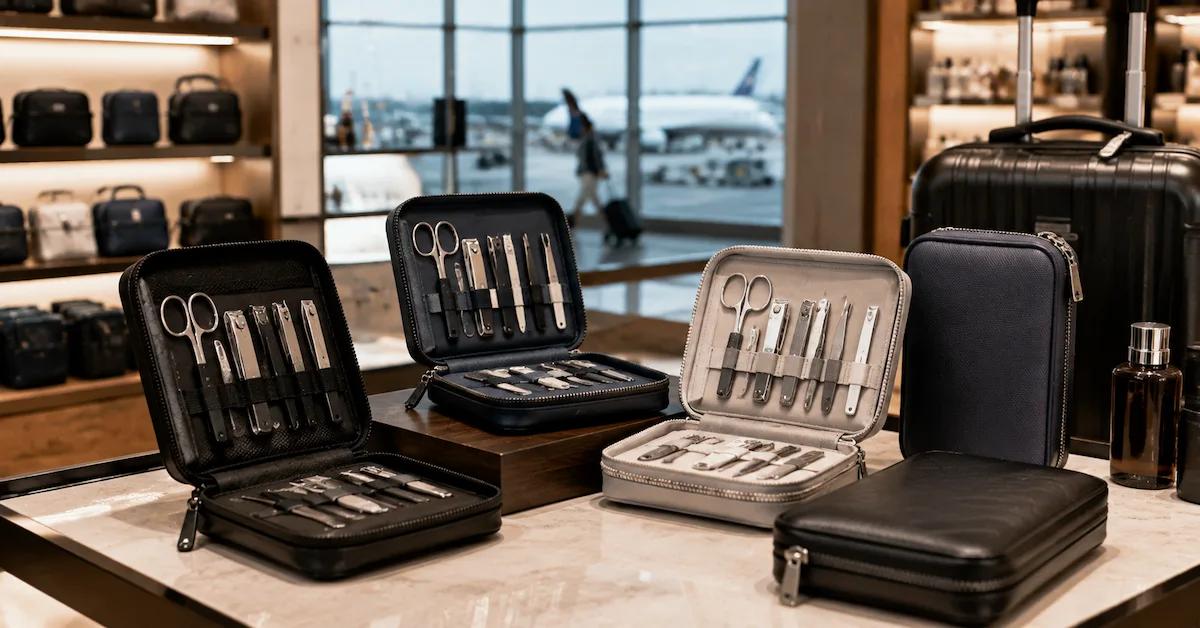
Travel Grooming Kits: Retail Buyer Evaluation Guide
- Manicure & Nail Tools
- Retail & Wholesale Solutions
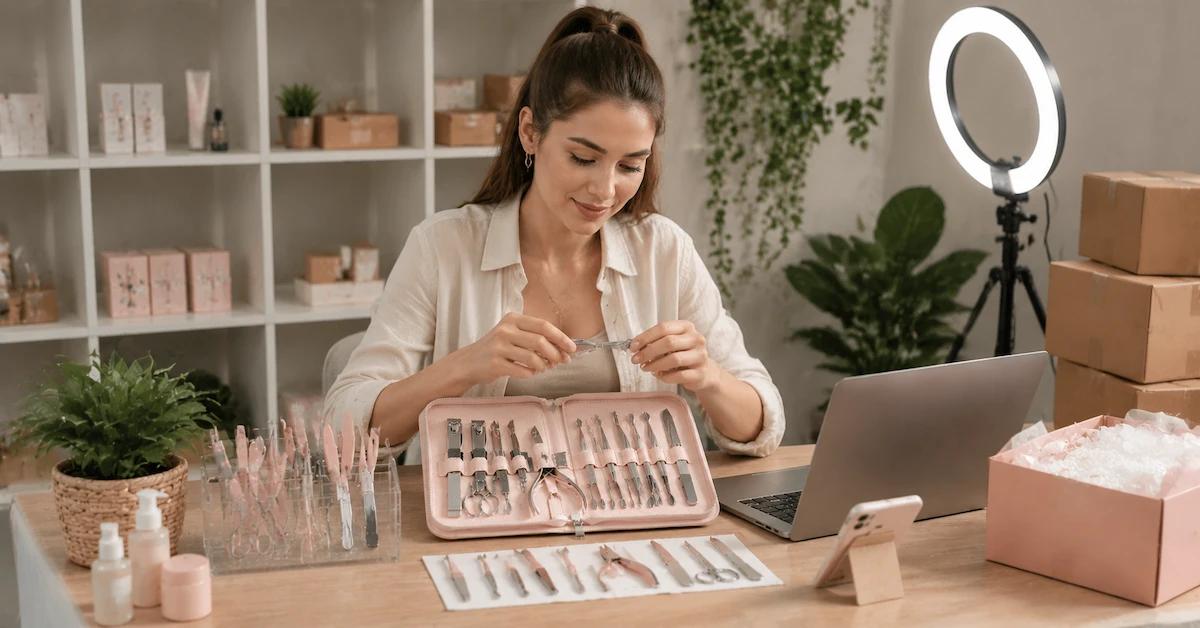
Grooming Kits for Beauty Stores: Retail Positioning Guide
- Retail & Wholesale Solutions
- Wholesale Beauty Tools