Wholesale Salon Supplies Guide for Beauty Businesses
Choosing wholesale salon supplies is not simply a matter of finding a lower unit price. For a salon, nail studio, spa or beauty distributor, tools affect service speed, hygiene routines, technician comfort and the final result a client sees. A cuticle nipper that loses alignment, a file that breaks down too quickly or a poorly balanced tool can create extra work for staff and inconsistent client experiences.
This guide focuses on practical selection criteria for manicure tools wholesale, professional beauty tools suppliers and spa product sourcing. It is written for buyers who need dependable tools for repeated salon use, whether you are opening a new location, refreshing an existing tool set or comparing suppliers for a growing beauty business.
Start With the Services You Actually Provide
Before comparing catalogs, list the services that generate most of your bookings. A salon focused on express manicures will need a different purchasing mix from a spa that offers deluxe pedicures, hand treatments or skincare add-ons. Buying broadly without a service plan can lead to excess stock in slow-moving tools while essential items run short.
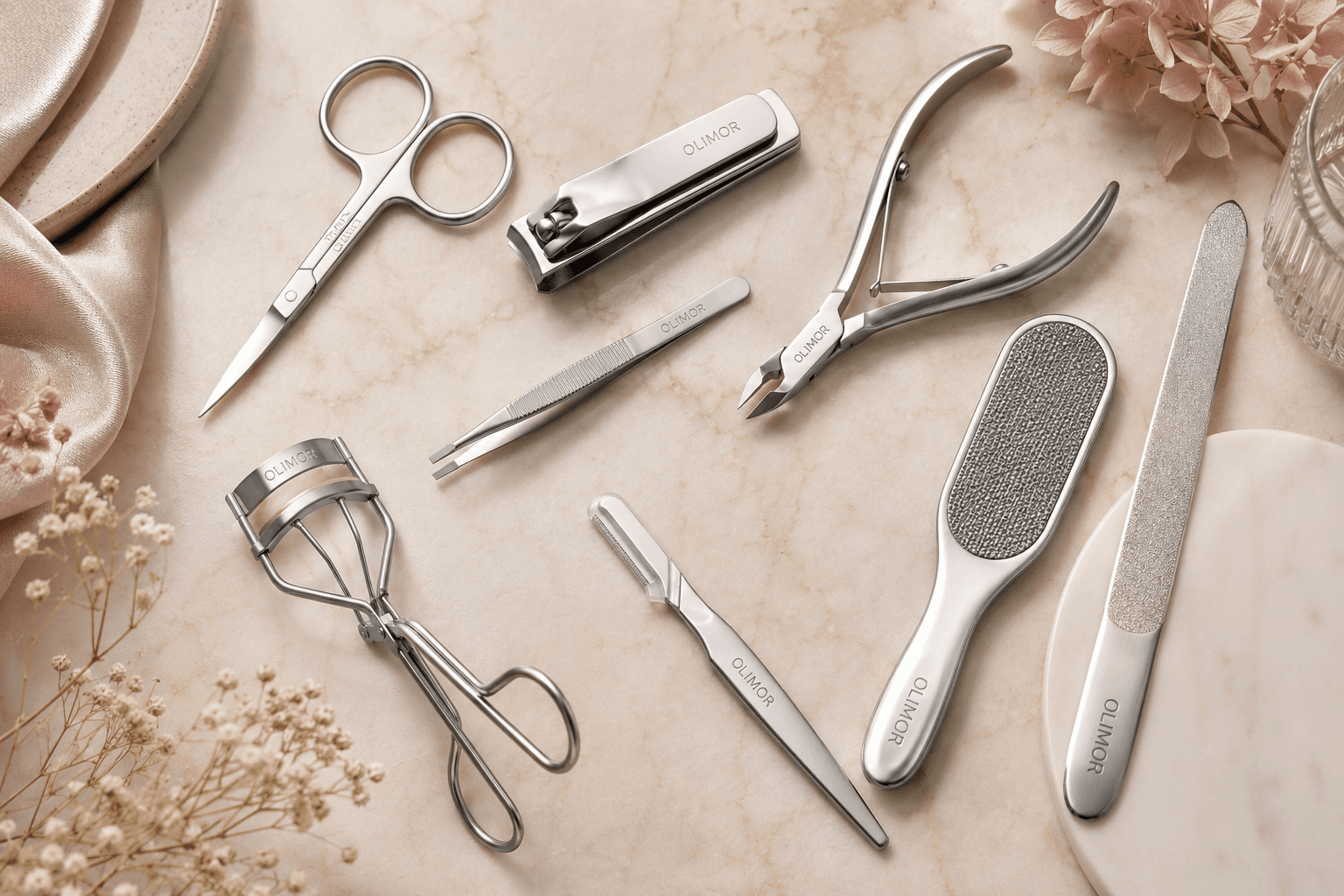
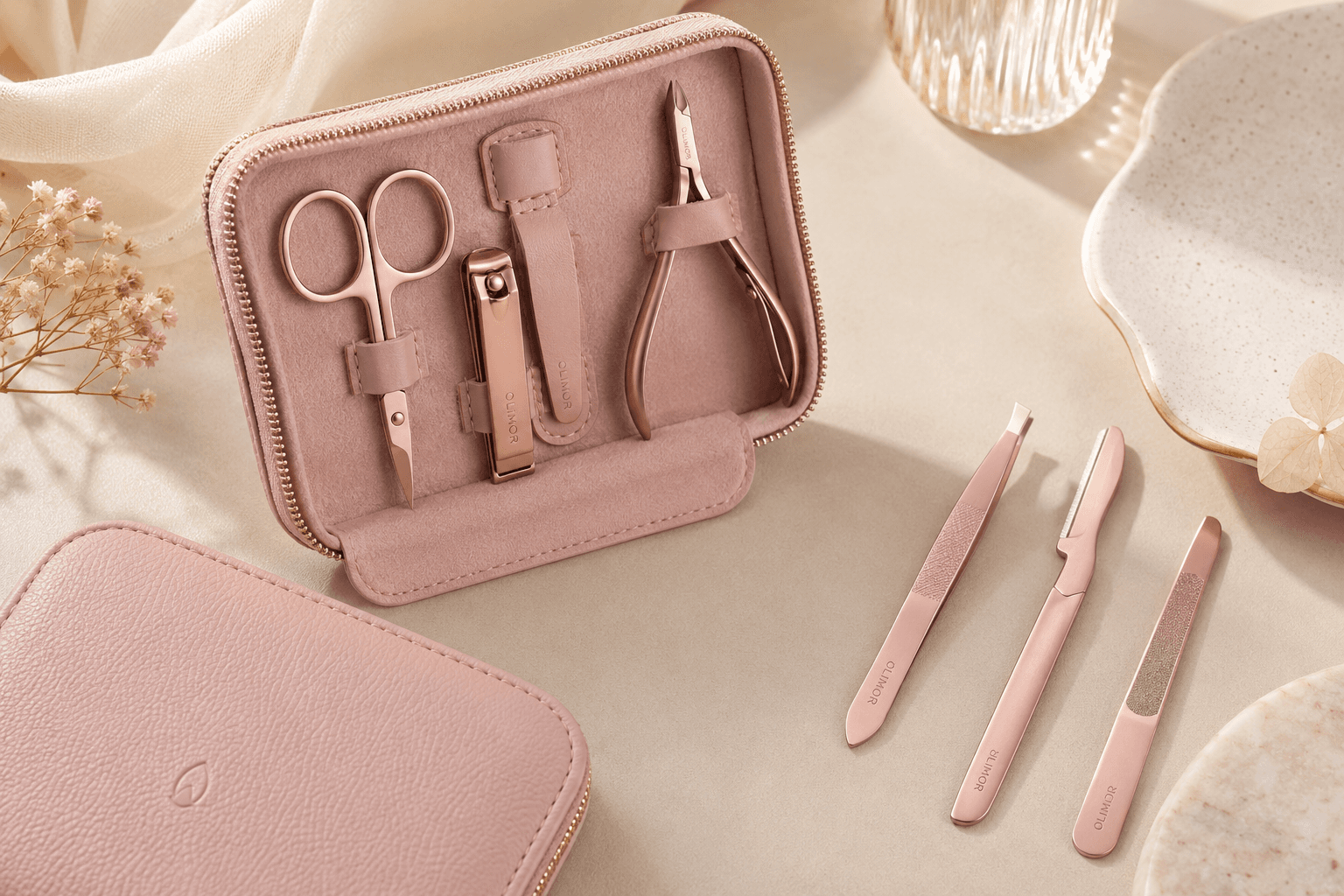
Group your supply needs by service category. For manicures, typical professional tools may include cuticle nippers, pushers, nail clippers, scissors, tweezers, foot files, buffers and disposable hygiene items. For pedicure or spa services, you may need tools designed for longer sessions, larger contact areas or repeated sanitation cycles. If you also retail tools to clients, separate retail packaging expectations from back-bar professional use.
When reviewing beauty tool products, consider frequency of use first. The tools handled dozens of times per day deserve the most attention because small weaknesses become costly when repeated across many appointments.
How to Evaluate Manicure Tools Wholesale
Manicure tools wholesale should be assessed for cutting performance, alignment, hand feel and durability. A low-quality tool can appear acceptable at first glance, but professional buyers should look closer at the functional areas that affect service quality.
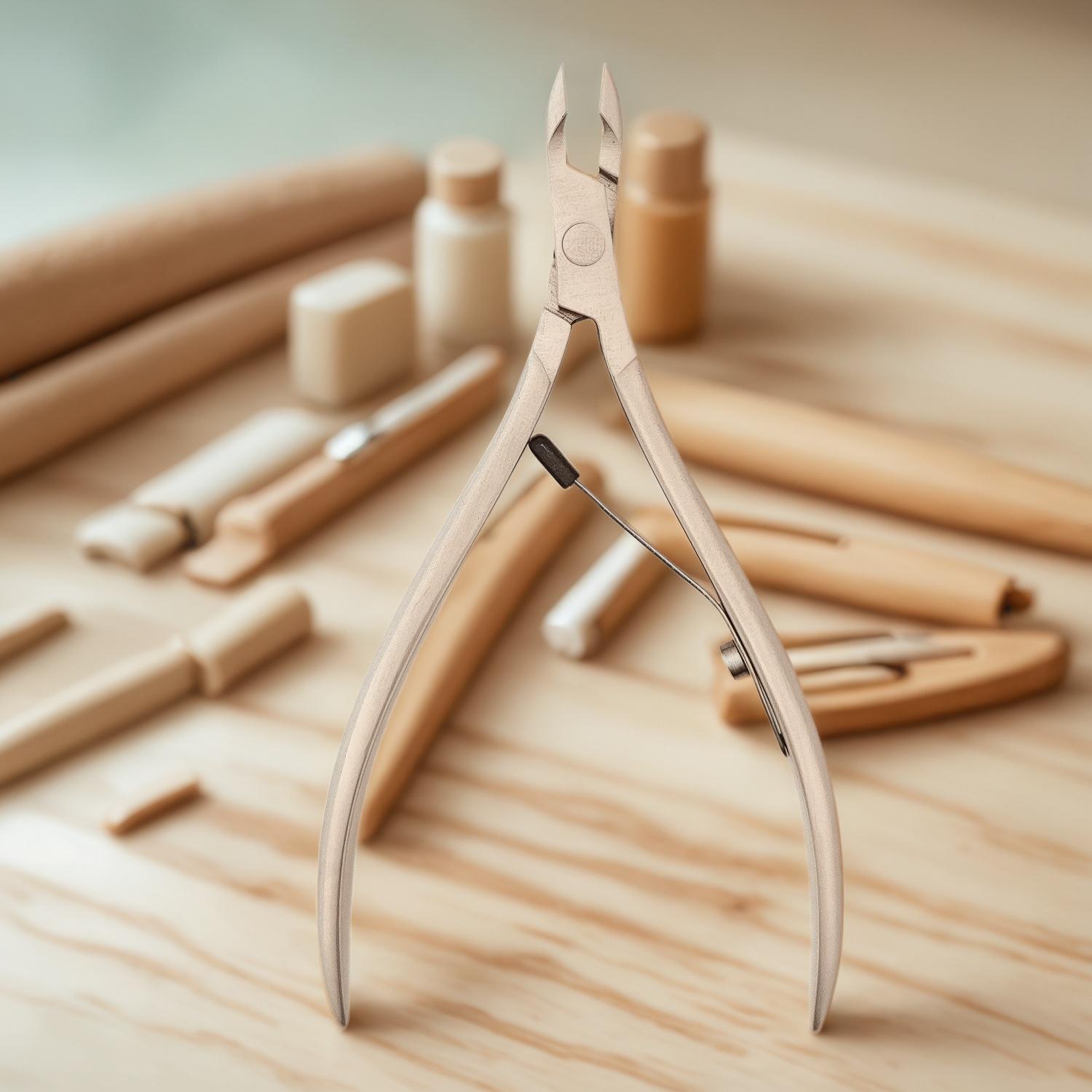
- Blade alignment: Cutting edges should meet evenly. Misalignment can pull, crush or leave uneven edges rather than creating a clean cut.
- Sharpness and finish: Cuticle nippers and scissors should feel precise, not rough or resistant. Burrs, uneven polishing or unfinished edges can affect both safety and user comfort.
- Grip and balance: Ergonomic design matters during long working days. A tool that is too stiff, slippery or awkward can increase hand fatigue for technicians.
- Material suitability: Stainless steel is commonly preferred for many professional manicure tools because it supports durability and cleaning routines. Buyers should still evaluate finish quality, corrosion resistance and construction consistency.
- Spring and hinge action: Moving parts should open and close smoothly without looseness, sticking or excessive force.
- Consistency across units: Wholesale purchasing is about repeatability. One good sample is not enough if later cartons vary noticeably.
For a salon, the best tool is not necessarily the most decorative one. It is the tool that performs predictably, fits the technician’s hand and can be maintained through repeated use.
What to Look for in Professional Beauty Tools Suppliers
The supplier relationship is as important as the product itself. Professional beauty tools suppliers should be able to support stable quality, clear communication and practical purchasing decisions. Olimor Beauty focuses on beauty tools, and buyers comparing salon wholesale distributors should look for evidence that the supplier understands professional service environments rather than only casual consumer use.
A useful supplier evaluation should include quality control, packaging options, product range, response time and issue handling. Internal quality inspection matters because beauty tools pass through multiple stages before shipment, including material preparation, shaping, finishing, assembly, inspection and packaging. Weak control at any stage can affect the final tool.
| Supplier factor | Why it matters | What buyers can review |
|---|---|---|
| Product specialization | Specialized suppliers are more likely to understand tool function and salon use cases. | Range of manicure, pedicure and beauty tool categories. |
| Quality inspection | Consistent inspection reduces the risk of uneven edges, loose hinges or poor finishing. | Inspection process, sample review and defect handling approach. |
| Communication clarity | Clear details help avoid wrong specifications, packaging mistakes and timeline confusion. | Product descriptions, photos, confirmation steps and response quality. |
| Packaging suitability | Professional-use and retail-use tools may need different packaging priorities. | Protection during shipping, labeling needs and presentation requirements. |
| Reorder reliability | Salons and distributors need repeatable sourcing, not a one-time purchase only. | Availability of similar items, documentation and reorder references. |
If you are comparing product lines or preparing a purchasing list, you can review Olimor product collections to understand which categories fit your business plan.
Build a Salon Supply Checklist Before Ordering
A structured checklist helps prevent underbuying essential tools or overbuying items that do not match your service menu. This is especially useful for new salons, multi-location buyers and distributors preparing starter assortments for beauty professionals.
- Define the service menu: List core manicure, pedicure, brow, lash, facial or spa services that require reusable tools.
- Estimate tool rotation: Consider how many tools are needed per technician, per station and per cleaning cycle.
- Separate reusable and disposable items: Reusable metal tools require cleaning and maintenance planning, while disposables require stock control and storage space.
- Set inspection criteria: Decide how you will check sharpness, alignment, finish, movement and packaging when goods arrive.
- Plan replacements: Even durable tools need replacement when they become dull, damaged, misaligned or difficult to sanitize properly.
- Record preferred specifications: Keep notes on sizes, shapes, handles and finishes that technicians prefer so reorders are consistent.
This checklist also helps when sending a clear request through send an inquiry. The more precise your use case, the easier it is to compare suitable tools without confusion.
Expanding Into Spa Tools Wholesale
Many beauty businesses begin with manicure services and later add pedicure, foot care or spa treatments. When expanding, avoid assuming that every tool from your manicure setup can simply be multiplied. Spa services may involve longer appointments, different pressure points and more varied hygiene workflows.
For spa tools wholesale, think in terms of treatment flow. What does the technician pick up first? Which tools contact skin or nails? Which items need to be cleaned between every client? Which tools are used intensively enough to justify backups? These questions help identify where quality and ergonomics matter most.
Pedicure tools, for example, should be comfortable for both controlled detail work and broader use. Handles should be secure, finishes should be smooth, and any cutting or trimming tool should perform predictably. If you are adding premium or deluxe services, the tool experience should support careful technique rather than rushing through a session with poorly matched equipment.
Maintenance and Hygiene Considerations for Buyers
Good sourcing does not end when the shipment arrives. Tool life depends on how items are cleaned, dried, stored and handled. Professional buyers should choose tools that fit their hygiene process and train staff to identify when a tool should be removed from service.
Follow applicable local hygiene regulations and manufacturer care guidance for cleaning and sanitation. In general, salons should avoid leaving metal tools wet for extended periods, should store clean tools separately from used ones and should inspect edges and hinges regularly. Tools with visible rust, cracks, loose parts or damaged cutting areas should not stay in active use.
For wholesale buyers, maintenance affects total cost. A slightly cheaper tool that dulls quickly or fails after repeated cleaning may be more expensive over time than a better-made option. Track replacement rates after each order so future purchasing decisions are based on actual salon experience, not only catalog descriptions.
Balancing Price, Quality and Consistency
Wholesale pricing matters, but professional salons should treat price as one part of a wider value calculation. A tool’s value includes how long it lasts, how consistently it performs, how comfortable it is for staff and how many defects appear across an order. If a low-price batch requires heavy sorting or frequent replacement, the apparent savings may disappear.
When comparing suppliers, order evaluation samples where appropriate and test them in real service conditions. Have experienced technicians comment on grip, sharpness, spring tension, surface finish and ease of cleaning. Their feedback is often more useful than a visual check alone because they know how a tool behaves during repeated appointments.
For larger purchasing decisions, create a simple scorecard. Rate each tool for performance, finish, comfort, packaging condition and consistency. This gives your buying team a practical way to compare options and document why one supplier or item is preferred.
Choosing a Reliable Path for Salon Supply Growth
The right wholesale salon supplies support reliable services, efficient technicians and better client confidence. Focus first on the tools that directly affect results: cuticle nippers, scissors, pushers, clippers and other frequently used items. Then evaluate the supplier’s ability to provide consistent quality, clear product information and suitable support for repeat orders.
Olimor Beauty works with professional beauty tool categories for salons, spas and beauty businesses. If you are planning a new purchase, comparing product categories or preparing a custom sourcing list, you can contact Olimor with your requirements. A careful buying process helps you build a tool set that fits your services today and can scale as your beauty business grows.
Tag: