

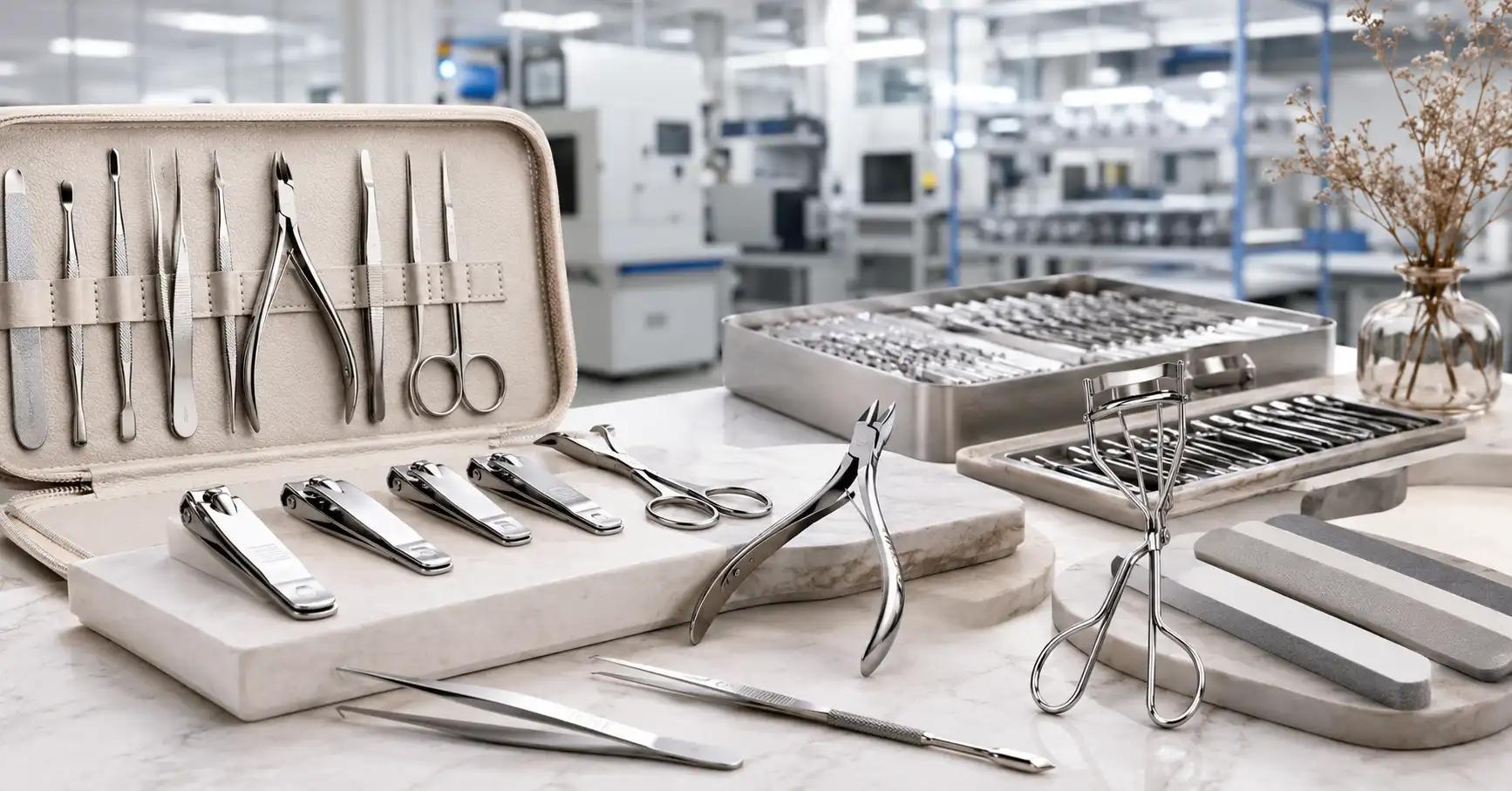
When sourcing a beauty tools factory, most buyers are not just looking for someone who can assemble a nail clipper and put it in a box. They are trying to find a production partner that can make small, precise, good-looking metal tools at scale, keep the finish consistent, and supply a mixed assortment without turning every order into a custom project. That matters because manicure and pedicure tools sit in a tricky category: they are simple enough to look generic, but unforgiving enough that poor grinding, weak springs, rough edges, or sloppy plating will show up immediately in use.
The search intent here is usually practical. A sourcing manager wants to know whether a beauty tools manufacturer can handle OEM or ODM work. A product team wants to understand what makes one nail-care set feel premium while another feels cheap. A retailer or distributor wants to know how to compare a beauty tools supplier that offers polished metal kits, travel cases, and accessory bundles without overpromising on quality. This article is built around those decisions.
What belongs in a manicure and pedicure tool set
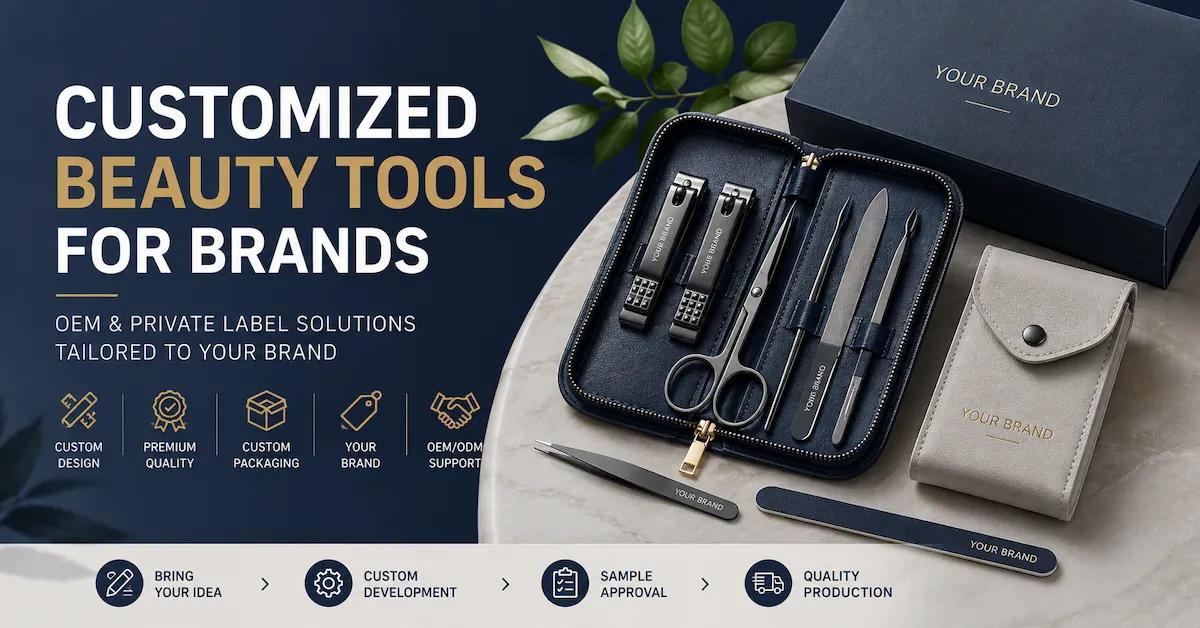
The product category visible in the supplied information points to a bundled nail-care kit rather than a single tool. In most cases, these sets include cuticle tools, nail clippers, nail nippers, tweezers, scissors, and small grooming accessories. Some sets also include emery boards or file bars, which are useful for shaping and smoothing after cutting. The case shown in the product description suggests an organized portable set, which is often how these products are sold into retail channels and personal care gift markets.
That mix matters. A buyer sourcing from a beauty tools factory is rarely evaluating only one piece. The real question is whether the whole assortment works together in terms of size, finish, appearance, and hand feel. A polished clipper can look good on its own, but if the tweezers are misaligned or the file bars feel flimsy, the set loses credibility fast.
Common tool types and what they do
Nail clippers handle routine trimming. Nail nippers and cuticle nippers are used for more precise cutting, especially around tougher edges or dead skin. Scissors support shaping and fine trimming. Tweezers are often included for grooming tasks beyond nails, such as eyebrow maintenance or general cosmetic use. Files and emery boards finish the job by smoothing rough edges that cutting tools leave behind.
For salons, that bundle is convenient. For retail buyers, it creates a stronger shelf story. For a brand building its own line, the assortment helps justify a higher perceived value without adding much packaging complexity.
How these tools are typically made
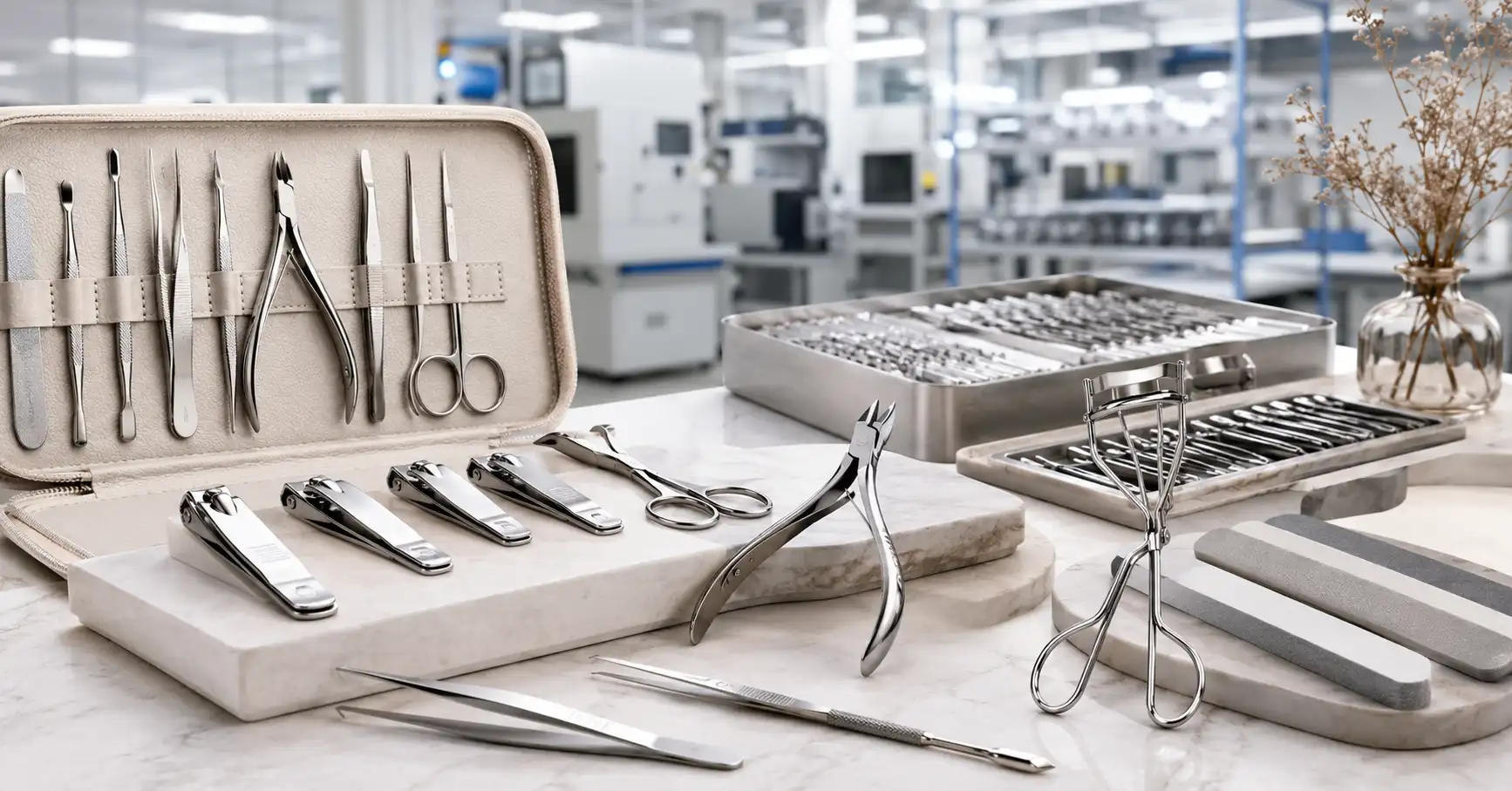
The supplied product details suggest a factory process centered on precision metal work: stamping, forming, grinding, polishing, and assembly. That is exactly the right set of operations for small grooming tools. These parts are compact, but the geometry has to be clean. Cutting jaws need to meet properly. Handles need to align. Springs or tension points need to feel stable rather than loose. Even the reflective finish plays a role, because buyers often associate a smooth, shiny surface with better workmanship, fairly or not.
Most of these tools appear to be metal, likely stainless steel or a similar corrosion-resistant alloy. That is a safe assumption, but it should stay an assumption unless the factory documents the actual grade. The same caution applies to hardness, surface treatment, and sterilization compatibility. Buyers often want those answers quickly, but it is better to confirm them than to build a claim sheet on guesswork.
The storage case also matters. A light beige or cream synthetic leather, or fabric-lined zip case, changes the product from a loose collection of tools into a travel-ready set. That is a small design choice with a large commercial effect. It improves presentation, protects the tools in transit, and makes the set easier to merchandise as a gift item or premium retail SKU.
Why finish quality is not a cosmetic detail
In grooming tools, finish quality is part of function. A rough edge on a file holder, a poorly ground clipper blade, or a tweezer tip that does not meet cleanly can create user complaints long before any formal technical defect is noticed. Buyers in this category should inspect the visible details that are easy to overlook on a sample sheet: alignment, edge smoothness, handle symmetry, and whether the polishing looks even across the set.
The practical caution is simple: do not let a shiny surface hide weak craftsmanship. A tool can look premium in a tray and still feel unreliable in the hand. If you are evaluating a beauty tools supplier, ask how the factory controls grinding and final inspection, and whether the same visual standard is maintained across every tool in the kit, not just the hero item.
What to look for when comparing suppliers
The best way to compare a beauty tools manufacturer is to treat the set as a system. Start with material consistency, then look at the cutting geometry, then the case and packaging. A set with good scissors but weak tweezers is not a balanced offer. Likewise, a neat presentation case cannot rescue poor tool performance.
Buyers should also clarify whether the factory is better suited to mass-market retail sets, salon-grade kits, or branded OEM/ODM programs. That distinction affects everything from packaging options to finish level. A factory that can produce assorted manicure and pedicure tools in fitted slots may be well organized for bundled programs, but that does not automatically mean it can support highly customized branding or premium cosmetic positioning without additional development work.
Practical buyer checks
Ask for sample sets with all included tools, not just one or two representative items. Check that the jaws of cutting tools close cleanly, that tweezers grip without obvious misalignment, and that the case holds each item securely. If the set includes emery boards or abrasive bars, confirm how those are attached or coated, since loose abrasive surfaces can wear badly in shipment.
It is also worth asking how the factory packs mixed tool sets for export. Small metal tools can scratch one another if the slots are loose or if the inner tray is not designed well. That sounds minor until you open a carton and find a product that has already been damaged by its own packaging.
Where these products sell well
Beauty tool sets like these move through several channels: salon nail services, retail grooming shelves, cosmetic tool distribution, gift sets, and OEM/ODM sourcing for personal care brands. That wide distribution is one reason the category remains attractive. It is not a one-use product, and it does not depend on fast fashion cycles. Instead, it sits in a steady part of the personal care market where presentation and reliability matter.
For salons, the appeal is utility. For distributors, the appeal is assortment and re-order potential. For brands, the appeal is margin structure and the ability to create a coherent grooming story around a compact, portable set. The fact that the tools are organized in a fitted case makes them especially suitable for retail display and gifting.
Common mistakes buyers make in this category
One common mistake is treating all metal grooming tools as interchangeable. They are not. Nail clippers, nippers, scissors, and tweezers all require different tolerances in practice, even if the factory does not publish exact figures. Another mistake is focusing only on the most visible item in the set. A bundle can be built around a strong clipper, but if the rest of the assortment feels disposable, the customer will notice.
A third mistake is over-specifying before the supplier has even shown its standard production range. If you are working with a beauty tools factory for the first time, it is often smarter to start from a proven set structure, then refine finish, packaging, and branding once the basic tool performance is confirmed. That approach saves time and avoids unnecessary back-and-forth.
FAQ for sourcing teams
Can these tools be used for salon work and retail kits?
Yes, the product category is suitable for both. The difference is usually in packaging, finish expectations, and the overall assortment strategy.
Are these medical tools?
Nothing in the supplied information supports a medical claim, and it would be a mistake to assume one. These appear to be cosmetic grooming tools unless the factory provides documentation that says otherwise.
What should I confirm before placing an order?
Confirm material specification, surface finish, included tool list, case structure, branding options, and any quality controls the factory applies during grinding, polishing, and assembly.
Next step for buyers
If you are shortlisting a beauty tools factory, start with sample evaluation and packaging review rather than asking for a quote alone. A good sample set will tell you more than a spec sheet in this category. Look closely at how the tools sit in the case, how the metal finish reads under light, and whether the assortment feels coherent. Those small details usually separate an ordinary offer from a product that is actually ready for market.
For sourcing teams building a retail line or salon-grade kit, the smartest move is to request a matched sample from a beauty tools manufacturer and judge the full set as a user would open it: in the hand, on the table, and under real retail scrutiny.
Tag:
Related articles
- Beauty Tools Sourcing Guide
- OEM & Private Label
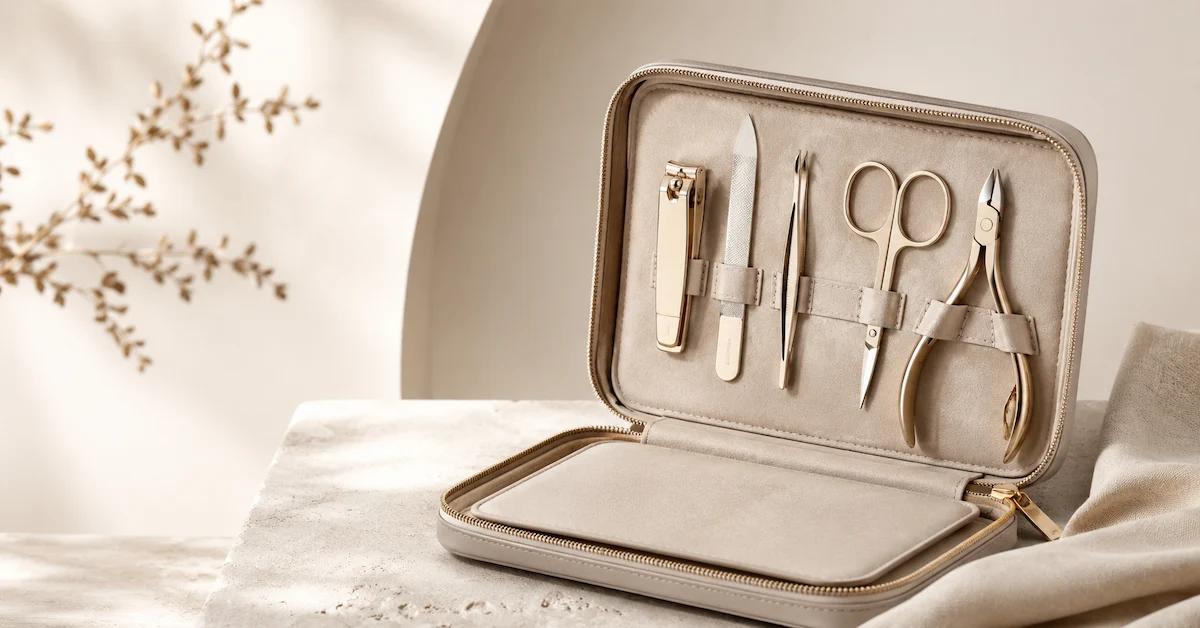
Private Label Grooming Kit Manufacturer: How Brands Build Custom Personal Care Sets
- Beauty Tools Sourcing Guide
- Lash & Brow Tools
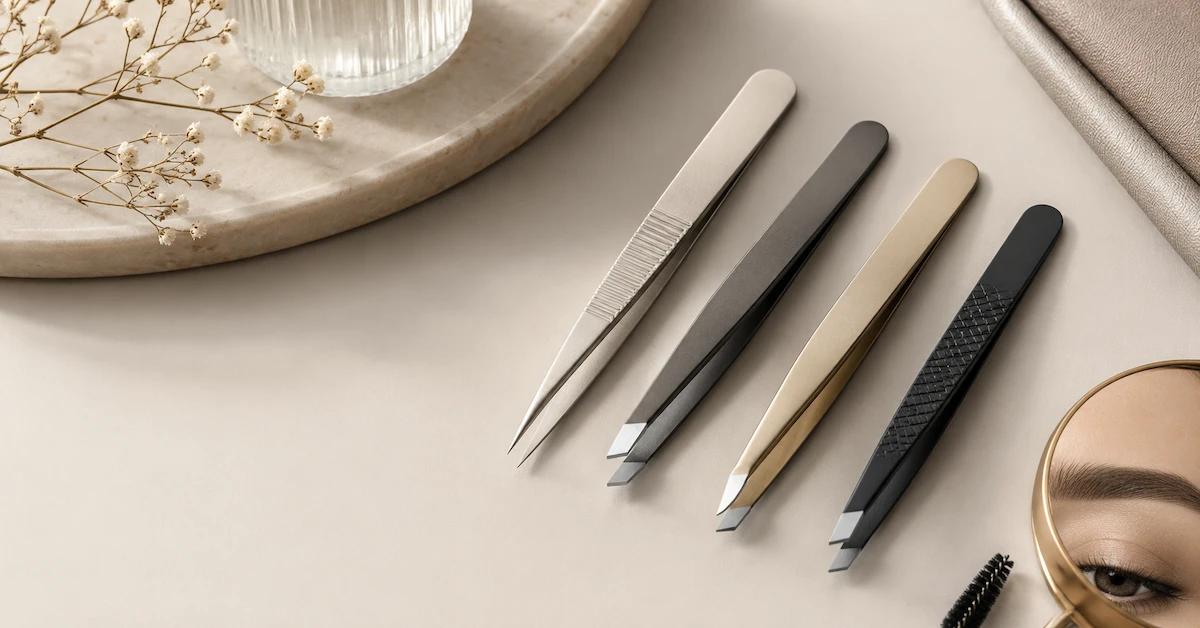
Tweezers for Eyrow Grooming Supplier: B2B Buying Guide for Beauty Brands
- Beauty Tools Sourcing Guide
- OEM & Private Label