Choosing wholesale personal care tools is not simply about finding products at the lowest possible price. For distributors, beauty retailers, salon suppliers, and private-label brands, the real challenge is finding tools that combine practical performance, attractive presentation, consistent quality, and reliable supply.
Personal care tools belong to a unique product category. They are small, easy to manufacture, and often purchased as everyday essentials. However, because customers directly handle and use these products, small quality differences can quickly influence purchasing decisions.
A poorly aligned tweezer, uncomfortable nail clipper, rough-edged grooming tool, or inconsistent finish can create customer complaints even when the product appears acceptable in photos.
For buyers, successful sourcing depends on understanding the complete product value: material selection, manufacturing process, quality control, packaging, and supplier capability.
This guide explains how companies evaluate personal care tool suppliers, compare different product options, and build profitable product collections for retail, salon, and private-label markets.
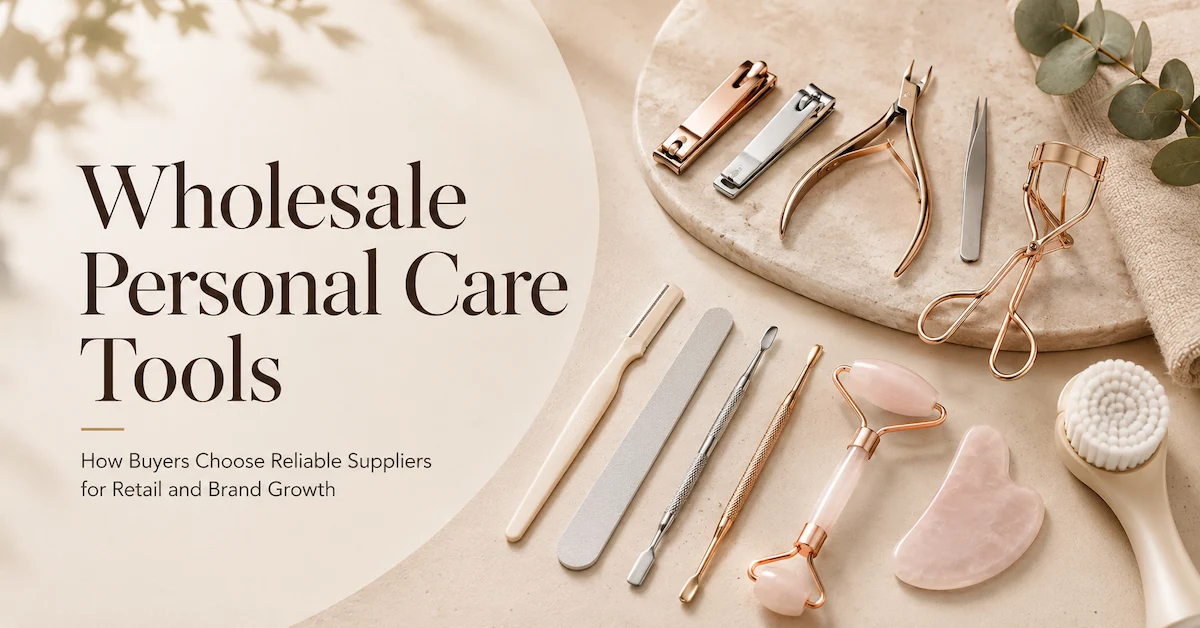
Why Sourcing Personal Care Tools Is More Difficult Than It Looks
At first glance, personal care tools appear simple. Many products only contain a few components, such as a metal body, handle, spring mechanism, or cutting edge.
However, simplicity does not mean low complexity.
For example:
- Tweezers require precise tip alignment.
- Nail clippers require accurate blade positioning.
- Cuticle tools require controlled sharpening.
- Eyelash curlers require stable mechanical structure.
- Facial tools require smooth finishing and comfortable handling.
These details determine whether customers feel the product is professional or inexpensive.
For wholesale buyers, the challenge becomes larger because product quality must remain stable across hundreds or thousands of units.
A single good sample is not enough. A reliable supplier must reproduce the same quality standard throughout mass production.
Understanding Different Types of Personal Care Tools
A successful personal care product range usually combines several categories to meet different customer needs.
Nail Care and Manicure Tools
Nail care products represent one of the largest segments in personal grooming.
Common products include:
- Nail clippers
- Cuticle nippers
- Nail files
- Cuticle pushers
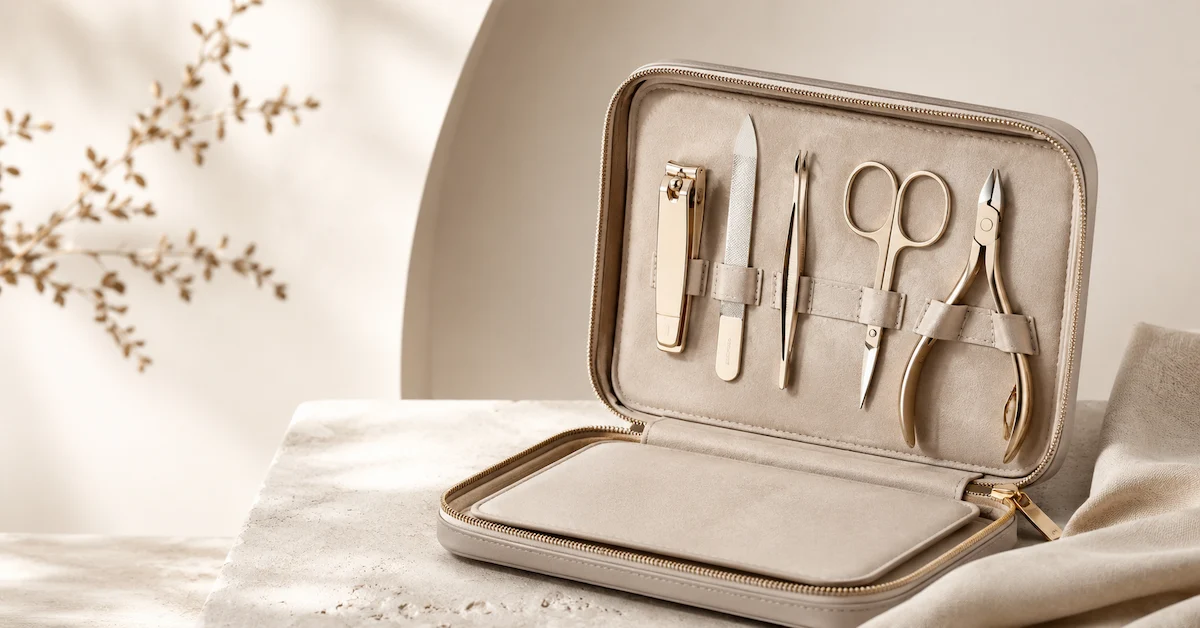
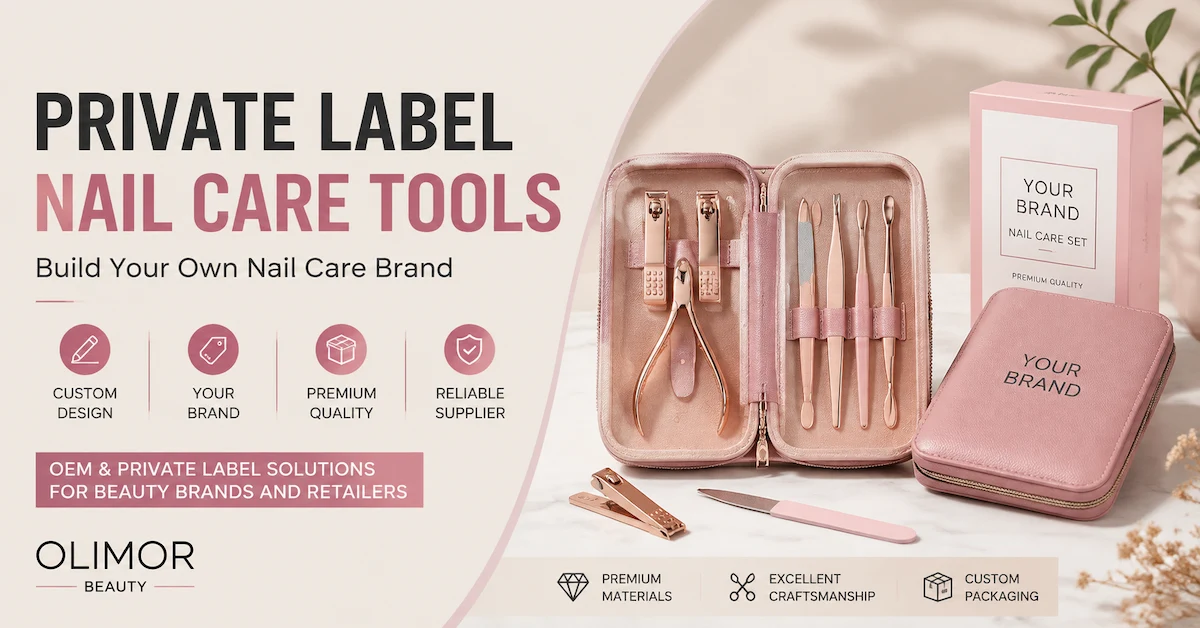
- Manicure sets
These products are widely used by salons, beauty retailers, and home users.
For buyers, important factors include:
- Cutting performance
- Material durability
- Surface finishing
- Comfortable handling
- Packaging presentation
A complete nail care tools collection can help retailers create different product levels, from basic everyday tools to premium manicure kits.
Eyebrow and Lash Tools
Eyebrow and lash products are another important part of personal care collections.
Examples include:
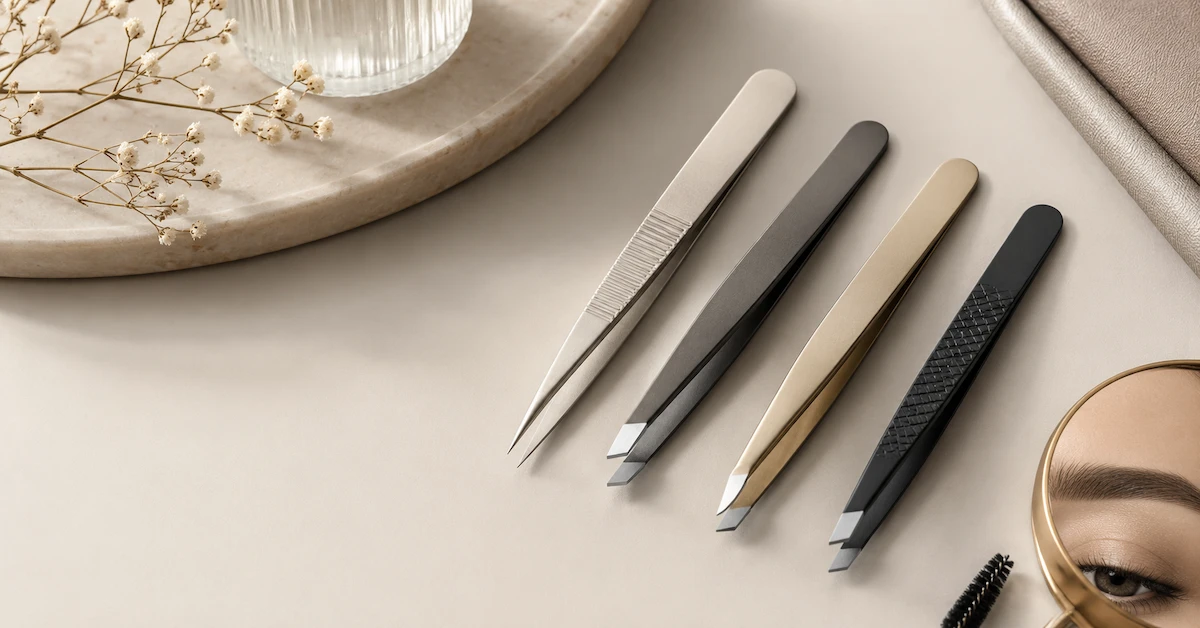
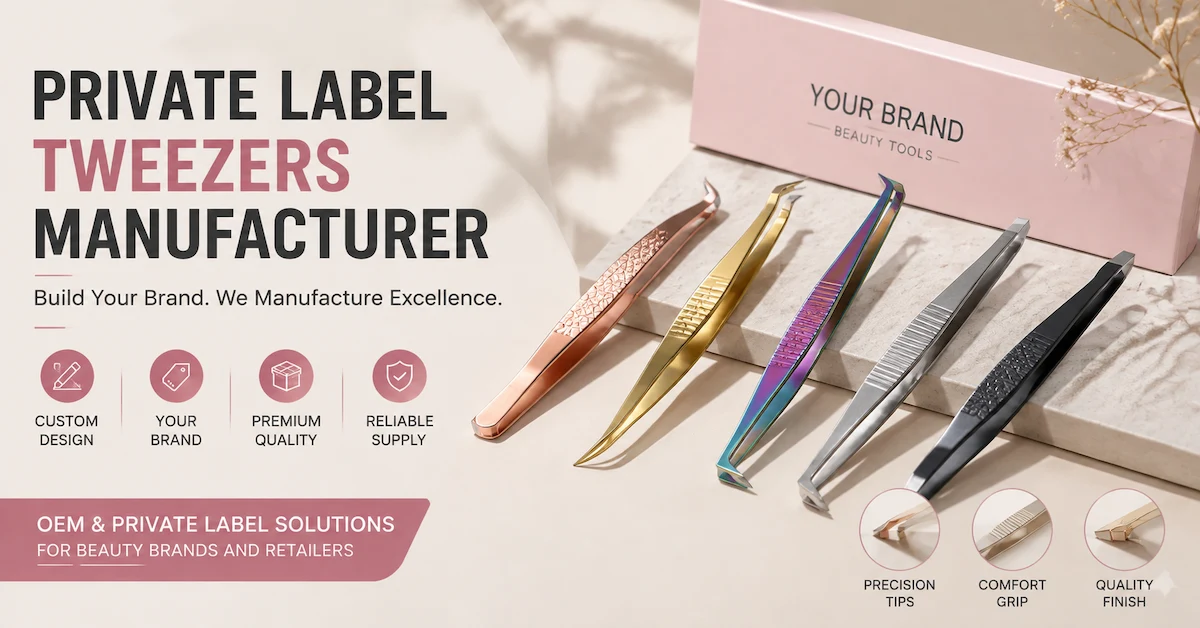
- Tweezers
- Eyebrow razors
- Eyelash curlers
Unlike some simple accessories, these products depend heavily on precision.
For example, professional tweezers should close evenly at the tips. An eyelash curler should provide smooth movement and comfortable operation.
Small mechanical differences can directly affect user experience.
Facial and Skincare Accessories
Personal care categories have expanded beyond traditional grooming products.
Many buyers now include:
- Facial rollers
- Gua sha tools
- Skincare accessories
These products are often purchased because of both function and appearance.
Therefore, suppliers need to consider:
- Product design
- Surface quality
- Color options
- Packaging style
Buyers can explore different facial tools when building skincare accessory collections.
How Personal Care Tools Are Manufactured
Understanding production processes helps buyers identify stronger suppliers.
Although different products require different manufacturing methods, most personal care tools involve several important production stages.
Material Selection and Product Structure
Materials influence both performance and customer perception.
Common materials include:
- Stainless steel
- Aluminum alloy
- Plastic
- Silicone
- Stone-like materials
Stainless steel is widely used in professional grooming tools because it provides:
- Durability
- Corrosion resistance
- Professional appearance
- Easy maintenance
However, buyers should confirm material specifications instead of judging only from appearance.
For buyers looking for durable reusable tools, exploring a supplier’s complete beauty tools product range can help compare different material options and product structures.
Precision Manufacturing
Many personal care tools require accurate production.
Examples:
Cutting Tools
Products such as nail clippers and cuticle nippers require:
- Accurate blade positioning
- Smooth closing action
- Consistent sharpening
Precision Tools
Products such as tweezers require:
- Correct tip geometry
- Balanced pressure
- Stable alignment
Beauty Accessories
Products such as facial tools require:
- Smooth edges
- Comfortable surfaces
- Consistent appearance
Professional suppliers control these details through production inspection and process management.
Surface Finishing and Quality Control
Surface treatment is an important factor in personal care products because customers directly see and touch the product.
Common finishing methods include:
- Polishing
- Matte finishing
- Plating
- Color coating
A consistent finish improves:
- Product appearance
- Brand perception
- Retail presentation
Quality control should include:
- Appearance inspection
- Functional testing
- Size checking
- Packaging inspection
For wholesale purchasing, quality consistency is often more important than a single attractive sample.
Comparing Different Supplier Options
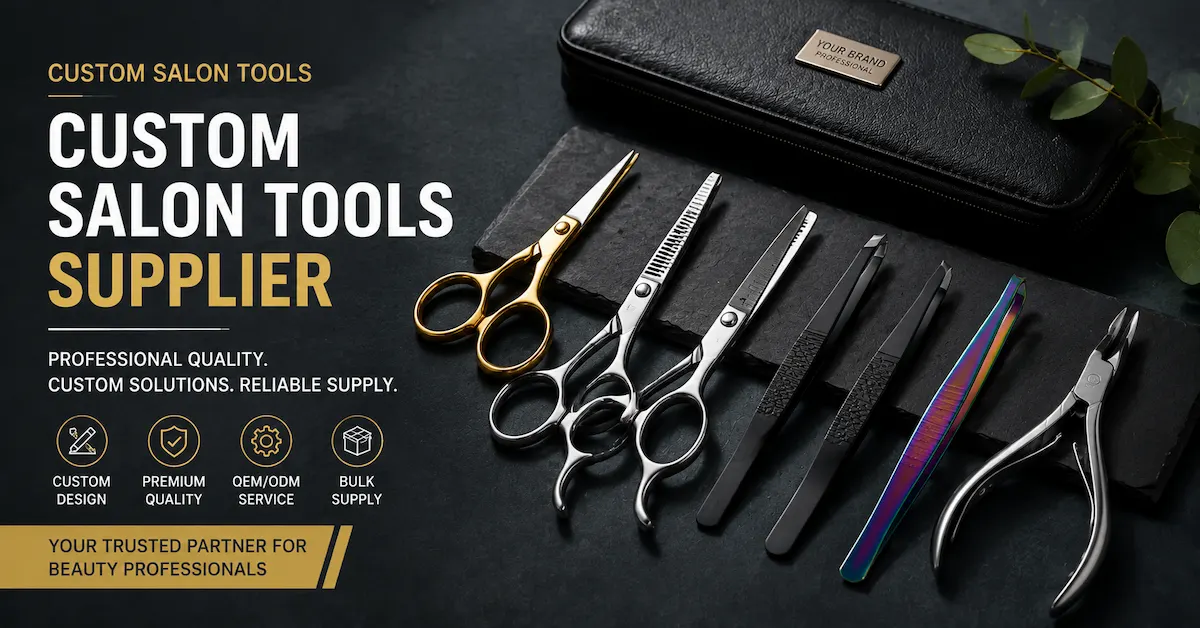
When selecting a personal care tools supplier, buyers should evaluate more than product price.
Factory Capability vs Trading Supply
A manufacturer with direct production experience usually provides stronger control over:
- Product development
- Quality management
- Customization
- Production consistency
Trading suppliers may offer more product variety, but buyers may have less control over manufacturing processes.
The right choice depends on the business model and purchasing goals.
For buyers evaluating supplier background, production capability, and company experience, reviewing the supplier’s About Us information can provide additional confidence.
Standard Products vs Private Label Solutions
Some buyers only need ready-made products.
Others need customized solutions.
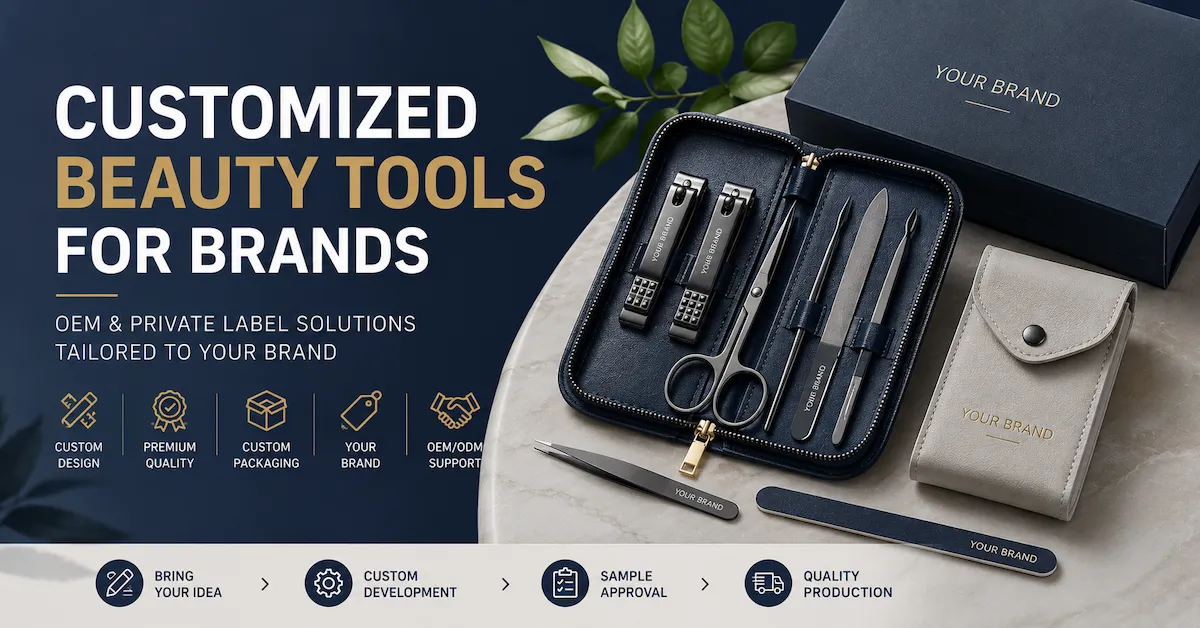
Private label personal care tools may include:
- Custom colors
- Brand logos
- Packaging design
- Product combinations
- Gift sets
For growing beauty brands, customization helps create stronger market differentiation.
A supplier with OEM capabilities can help brands develop unique product collections while maintaining consistent quality standards.
Small Orders vs Bulk Purchasing
Different buyers have different purchasing requirements.
Small businesses may focus on:
- Flexible MOQ
- Product testing
- Market validation
Large distributors may prioritize:
- Stable production capacity
- Consistent quality
- Long-term supply
Understanding your business stage helps determine the right sourcing approach.
How to Choose the Right Wholesale Personal Care Tools Supplier
Before placing a large order, buyers should review several key factors.
Evaluate Product Samples
Samples reveal more than product photos.
Check:
- Tool operation
- Material feel
- Surface finish
- Packaging quality
- Overall usability
Testing samples before production reduces future quality problems.
Confirm Manufacturing Details
Professional suppliers should clearly explain:
- Production methods
- Material options
- Quality inspection process
- Customization possibilities
- Lead times
Clear communication is an important sign of supplier reliability.
Match Products With Your Market
The best product is not always the most advanced one.
Different markets have different expectations.
Beauty Retail
Focus on:
- Attractive design
- Packaging
- Consumer-friendly pricing
Professional Salons
Focus on:
- Durability
- Precision
- Long-term usability
E-commerce Brands
Focus on:
- Product appearance
- Customer reviews
- Packaging experience
The right product selection depends on customer expectations.
Advantages of Working With Professional Suppliers
Reliable suppliers provide more than products.
Consistent Quality
Controlled manufacturing helps reduce differences between batches.
Product Development Support
Experienced suppliers can help buyers improve designs and product combinations.
Customization Flexibility
OEM and private-label services allow brands to create unique collections.
Supply Stability
Long-term suppliers help businesses maintain inventory availability and reduce purchasing risks.
Common Mistakes Buyers Should Avoid
Choosing Only Based on Price
Low prices may reduce upfront costs but create problems with:
- Quality issues
- Returns
- Customer complaints
Ignoring Product Testing
Even simple tools should be tested before large orders.
Buying Too Many Products Without Strategy
A large product catalog does not always create better sales.
A focused product collection with clear positioning often performs better.
Overlooking Packaging
Packaging affects:
- Shipping protection
- Retail presentation
- Customer perception
It should be considered during sourcing, not after production.
FAQ About Wholesale Personal Care Tools
What products are included in personal care tools?
Personal care tools commonly include nail tools, eyebrow tools, lash tools, facial accessories, grooming tools, and skincare accessories.
How can buyers choose a reliable personal care tools supplier?
Buyers should evaluate manufacturing capability, product consistency, quality control, customization support, and communication ability.
Are private label personal care tools available?
Yes. Many suppliers support custom branding, packaging, colors, and product combinations.
Why is stainless steel commonly used in personal care tools?
Stainless steel provides durability, corrosion resistance, and a professional appearance, making it suitable for many reusable grooming products.
What should buyers check before bulk orders?
Buyers should review samples, confirm specifications, evaluate packaging, and verify supplier production capability.
Conclusion
Selecting the right wholesale personal care tools supplier requires more than comparing product prices. Successful buyers evaluate quality, manufacturing ability, customization options, and market suitability before making purchasing decisions.
Whether you are building a salon supply catalog, launching a beauty brand, or expanding an online store, reliable suppliers help create products that customers trust.
A strong personal care tool supplier provides not only products but also consistency, flexibility, and long-term support for business growth.
For brands, distributors, and retailers looking for customized personal care solutions, you can contact OLIMOR to discuss product requirements, wholesale orders, and private label opportunities.