Ingrown Toenail Prevention: Clipping Technique, Tool Care and Toenail Clipper Selection
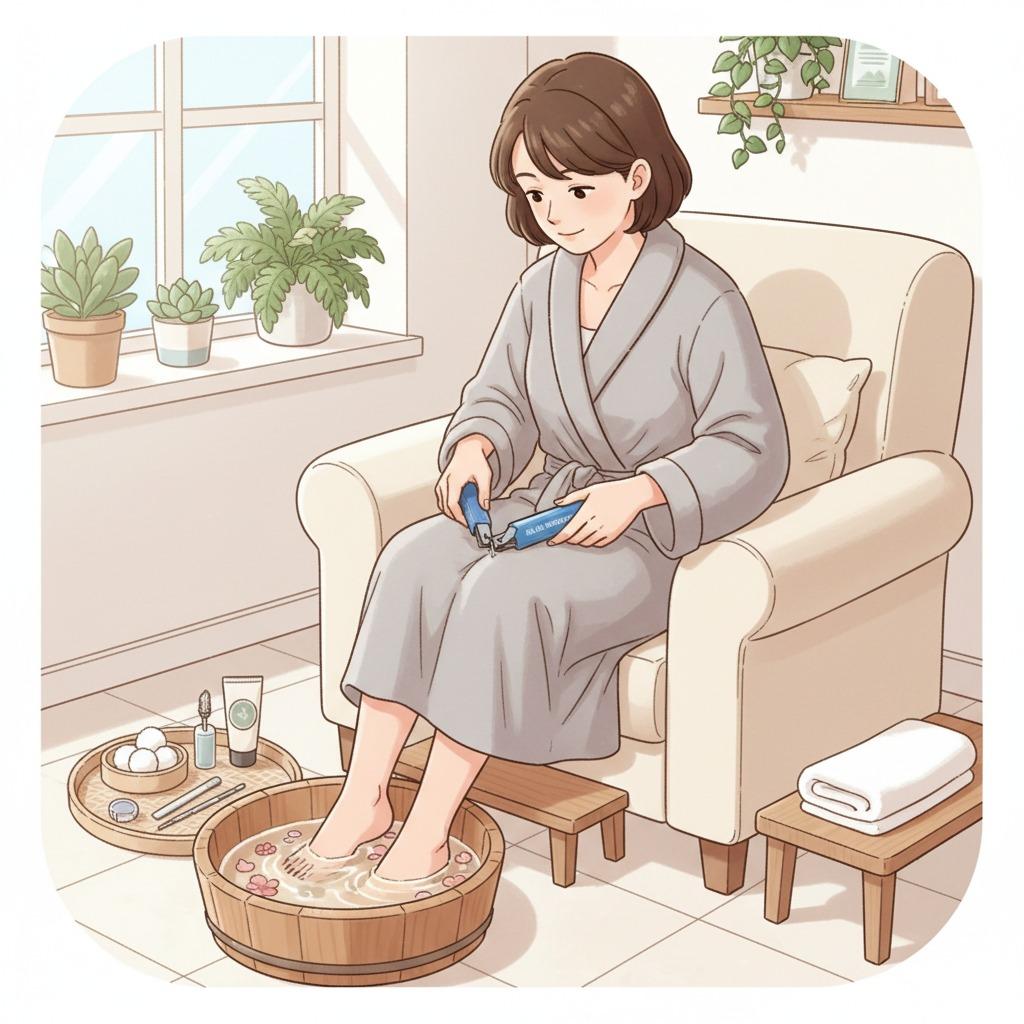
Ingrown toenail prevention starts with a simple goal: help the nail grow forward without being forced into the surrounding skin. The most useful habits are straight-across trimming, avoiding deep corner cuts, keeping clippers clean, reducing shoe pressure and acting early when a toe becomes tender. For most people and for many retail foot-care customers, better clipping technique is the easiest improvement to make.
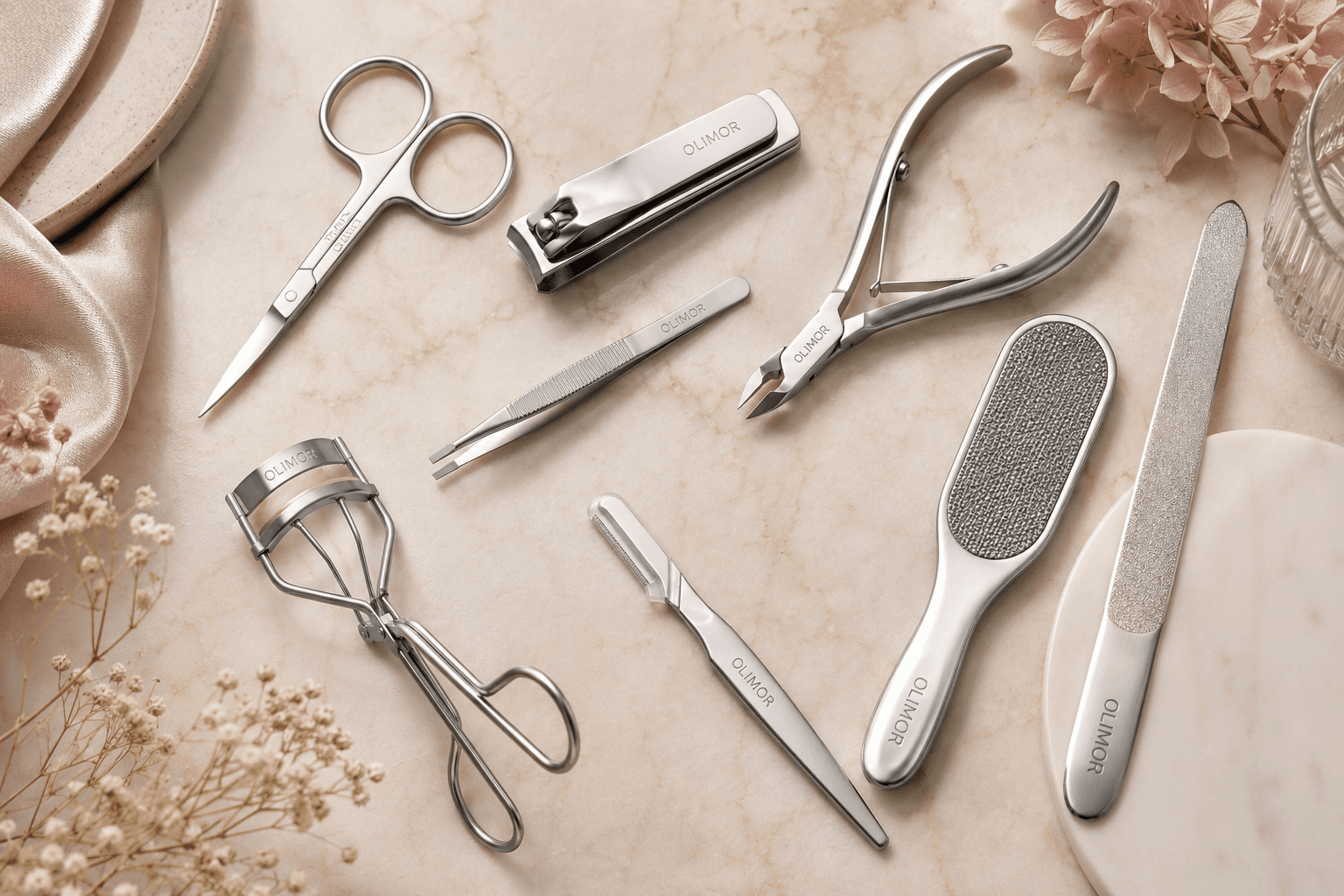
A toenail can become ingrown when a corner is cut too short, a ragged edge is left behind, tight footwear presses the nail inward, or swollen skin folds over the nail edge. A reliable toenail clipper cannot replace medical care when a toe is infected or painful, but it can support cleaner, more controlled trimming. Olimor Beauty supplies grooming tools for home, retail and professional beauty use, including the Blue Nexus nail clipper, which features stainless steel construction, an ergonomic design and a blue pivot detail for a stable grooming experience.
What an Ingrown Toenail Is and Why Prevention Depends on Small Habits
An ingrown toenail develops when the side or corner of the nail presses into the skin beside it. The big toe is often affected because it absorbs pressure during walking and sits at the front of the shoe. Some people have naturally curved nails, but many cases are influenced by trimming style, footwear fit, friction and hygiene.
Prevention is not about cutting more aggressively. It is about removing excess nail while leaving a clear, even edge. Cutting deeply down the side can create a hidden spike. Pulling or tearing a nail can leave a jagged corner. Trimming too short can allow the skin at the tip of the toe to rise against the nail as it grows. Each of these small errors can push the nail toward the skin rather than forward over the toe.
People who stand for long shifts, play sports, wear narrow shoes or have repeated toe impact should be especially careful. Extra pressure does not automatically cause an ingrown toenail, but it can turn a minor trimming issue into a painful one.
Answer First: The Safest Way to Clip Toenails
The safest general method is to trim toenails straight across, keep the length roughly even with or slightly beyond the tip of the toe, and avoid digging into the side grooves. If the corners feel sharp, smooth them lightly rather than cutting a deep curve. This approach helps preserve the nail edge that protects the surrounding skin.
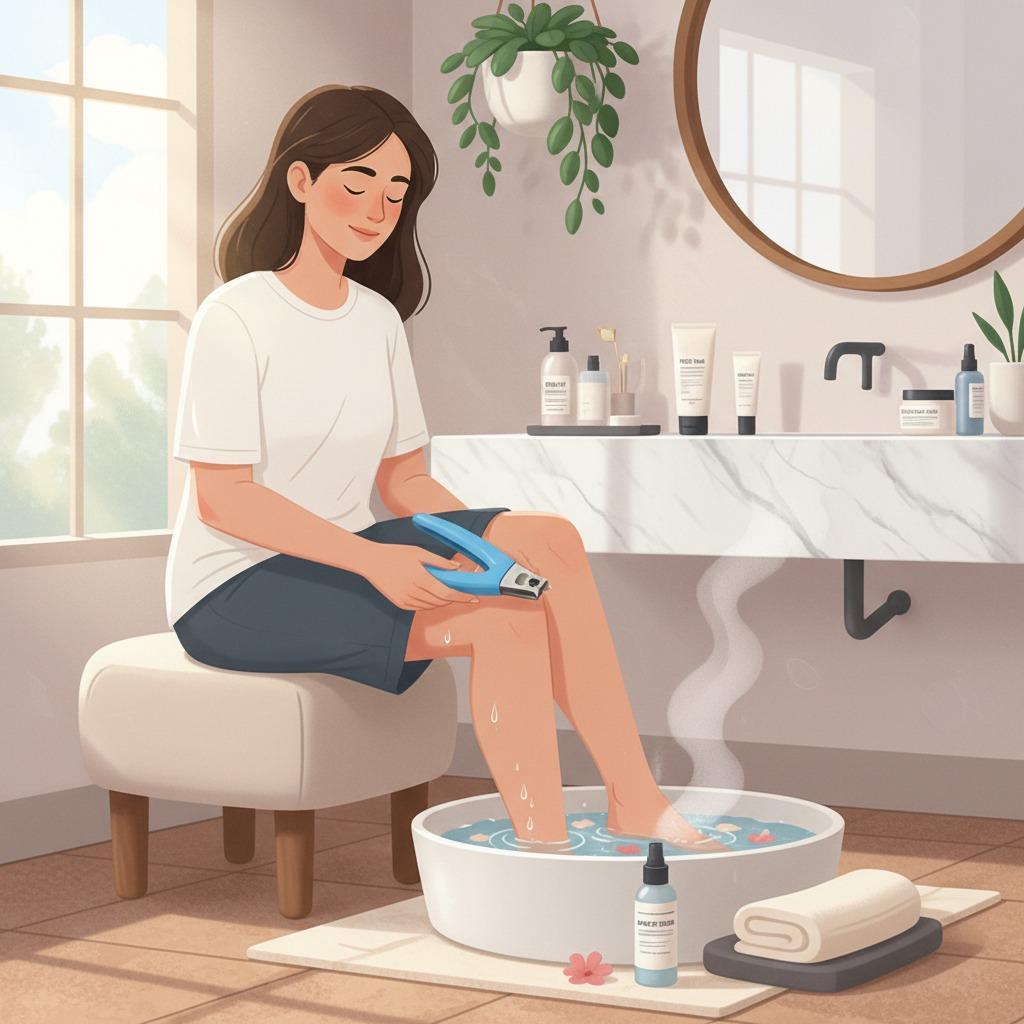
Use small, controlled cuts instead of one forceful bite across the whole nail. Toenails can be thicker than fingernails, so forcing a dull or poorly aligned clipper may crush, split or tear the nail. If nails are hard, soaking the feet in warm water for a short period can make trimming easier. Dry the feet well before clipping so the tool does not slip and moisture is not trapped around the nail.
A practical trimming routine
- Wash the feet and remove visible debris around the nails.
- Sit in a stable position with good lighting so you can see each nail edge clearly.
- If nails are thick or brittle, soften them with warm water, then dry thoroughly.
- Clip straight across using several small cuts.
- Do not cut down the sides or pull loose corners by hand.
- Gently smooth sharp points if needed while keeping the overall straight shape.
- Moisturize dry surrounding skin, but avoid packing heavy product under the nail edge.
If you cannot see, reach or control the clipper safely, do not force the cut. People with diabetes, poor circulation, nerve issues, recurring infections or severe nail thickening should seek qualified foot-care advice because small cuts can become more serious.
Clipper Features That Support Better Toenail Care
A toenail clipper should help the user cut cleanly, keep a stable grip and clean the tool after use. Decorative finishes can be attractive for retail, but cutting control and hygiene are more important for prevention-focused foot care. The Blue Nexus nail clipper from Olimor is positioned as a stainless steel grooming tool with an ergonomic design and a distinctive blue pivot, making it relevant for buyers who want a functional clipper with a polished retail appearance.
When comparing toenail clippers for personal use, salon kits or wholesale sourcing, look for signs of practical construction: aligned cutting edges, smooth opening and closing action, comfortable leverage, clean surface finishing and packaging that communicates basic care instructions. A clipper that feels unstable or dull can encourage users to twist, pull or overcut the nail.
| Selection point | What to check | Why it matters |
|---|---|---|
| Cutting edge alignment | Close the clipper and inspect whether the jaws meet evenly. | Uneven contact can leave ragged edges or require repeated pressure. |
| Grip and leverage | Test whether the handle feels stable in the hand. | Better control reduces accidental deep corner cuts. |
| Surface finish | Check for burrs, rough edges or difficult-to-clean gaps. | Smoother finishing supports comfort and hygiene. |
| Cleaning access | Look at the pivot, jaw area and underside. | Visible nail debris should be easy to remove after use. |
| Retail presentation | Review packaging clarity, handling protection and care guidance. | Good instructions help customers use the tool correctly. |
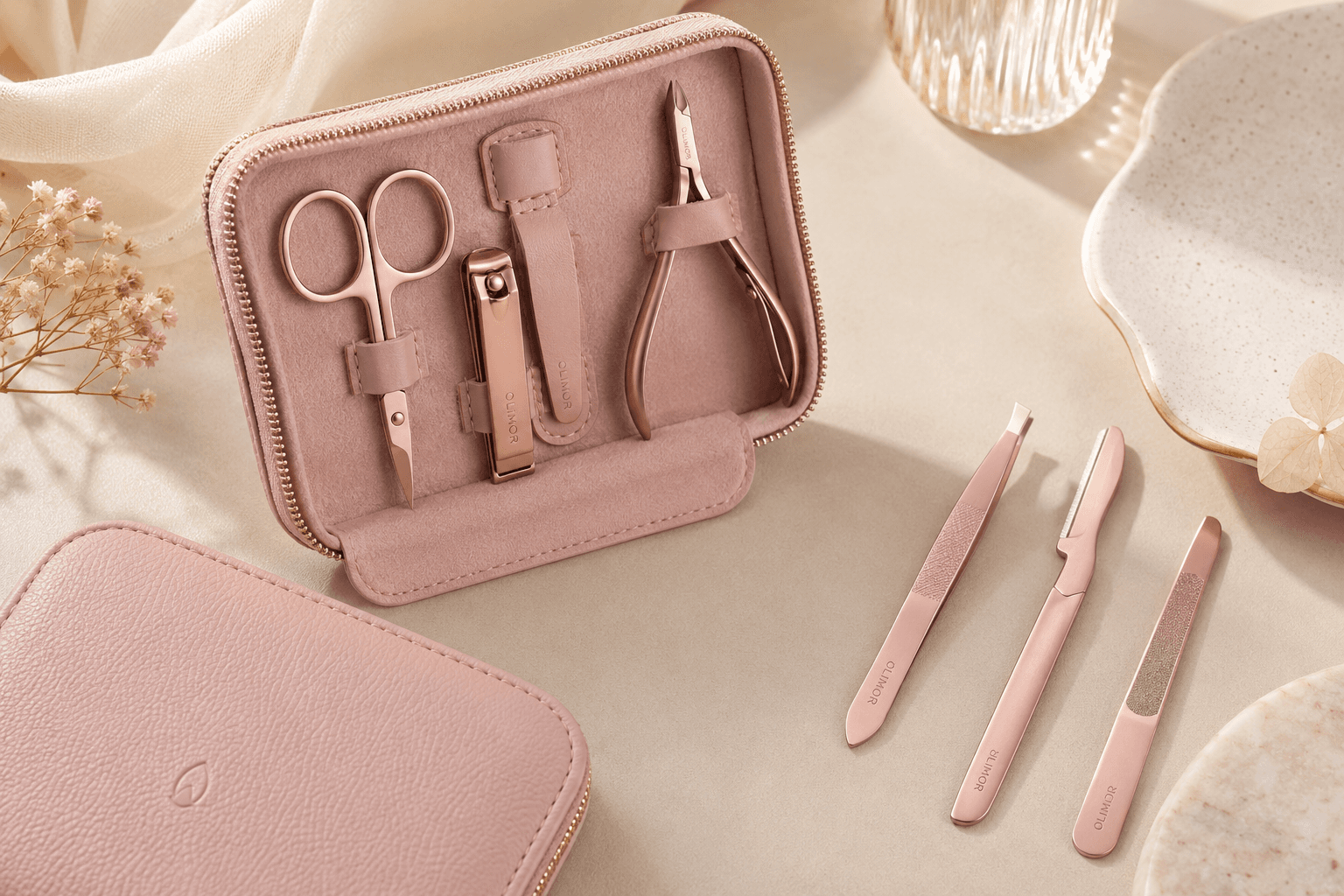
For a wider view of grooming categories that can sit alongside foot-care tools, buyers can browse Olimor beauty tool products and compare how a toenail clipper may fit into a nail-care set, travel grooming kit or salon retail display.
Hygiene: Cleaning and Storing Toenail Clippers Correctly
Toenail clippers touch nail dust, skin cells and sometimes tiny breaks in the skin. Hygiene is therefore part of prevention. A dirty or damp clipper may transfer debris or microorganisms, especially in a shared household, salon or retail demonstration setting. Cleaning does not guarantee that an ingrown toenail will not happen, but it reduces avoidable irritation and supports safer grooming habits.
After use, remove nail pieces from the jaws and pivot area. Wipe the cutting surfaces and let the clipper dry completely before storage. Alcohol or an appropriate disinfectant may be used according to the product label and the environment of use. In professional settings, operators should follow local hygiene rules and verify current requirements from relevant regulators or public health authorities. In the United States, for example, state cosmetology boards often set salon sanitation rules, while the U.S. Environmental Protection Agency regulates disinfectant product claims. Always check the current version of any applicable rule, label or supplier document.
Clipper care checklist
- Keep separate tools for fingernails and toenails when possible.
- Do not share a clipper when there is redness, drainage, suspected fungus or broken skin.
- Clean visible debris before and after shared use.
- Dry the tool fully before placing it in a pouch, drawer or retail kit.
- Replace clippers that become dull, misaligned, rusty or difficult to clean.
- Store tools away from wet shower areas and loose cosmetic residue.
For wholesale and private-label projects, cleaning guidance should be considered at the packaging stage. A concise care note can help end users understand that the tool is not disposable after one trim, but it does need routine cleaning and dry storage.
Footwear, Socks and Daily Pressure Control
Even careful trimming can fail if shoes constantly push the nail edge into the skin. The toe box should allow the toes to rest naturally without being squeezed together. Narrow dress shoes, tight athletic footwear, high heels worn for long periods and thick socks inside already snug shoes can all increase pressure around the nail.
Daily habits matter. Rotate footwear when possible so shoes can dry between wears. Choose clean, breathable socks that do not compress the toes. Athletes should check whether the big toe hits the front of the shoe during running, downhill walking or quick stops. Repeated impact can bruise the nail or encourage abnormal growth. Workers who spend long shifts standing should pay attention to tenderness at the end of the day, because pressure problems often show up before visible inflammation becomes severe.
If foot shape, gait or occupational footwear creates repeated pressure, professional fitting advice or supportive insoles may help. The purpose is to reduce the force that pushes the skin and nail together, giving proper clipping a better chance to work.
Problem Solving: What to Do When a Toe Starts to Feel Tender
Early warning signs include tenderness along one nail edge, redness, swelling, warmth or pain when shoes press on the toe. At this stage, reduce pressure, keep the area clean and avoid digging at the nail with sharp tools. Cutting a V shape into the center of the nail or cutting deeply down the side is not a reliable prevention method and can make the problem worse.
Wear roomier shoes or open-toe footwear if appropriate until tenderness settles. Keep the foot clean and dry. Do not use a clipper, tweezer or pointed tool to cut under inflamed skin. If the nail edge is already embedded, aggressive home cutting can create a wound and raise infection risk.
Seek medical or podiatry care if pain persists, swelling increases, drainage or pus appears, redness spreads, or you have a condition that affects healing. Recurring ingrown toenails may require professional evaluation of nail shape, footwear, trauma, infection or other contributing factors.
B2B Buyer Guidance: Evaluating Toenail Clippers for Retail, Salon and Kit Programs
For distributors, salons, spas and beauty retailers, ingrown toenail prevention is a useful lens for product selection. Customers are not only buying a clipper; they are buying control, hygiene and confidence in a routine task. A good supplier conversation should therefore cover function, finishing, packaging and user education rather than appearance alone.
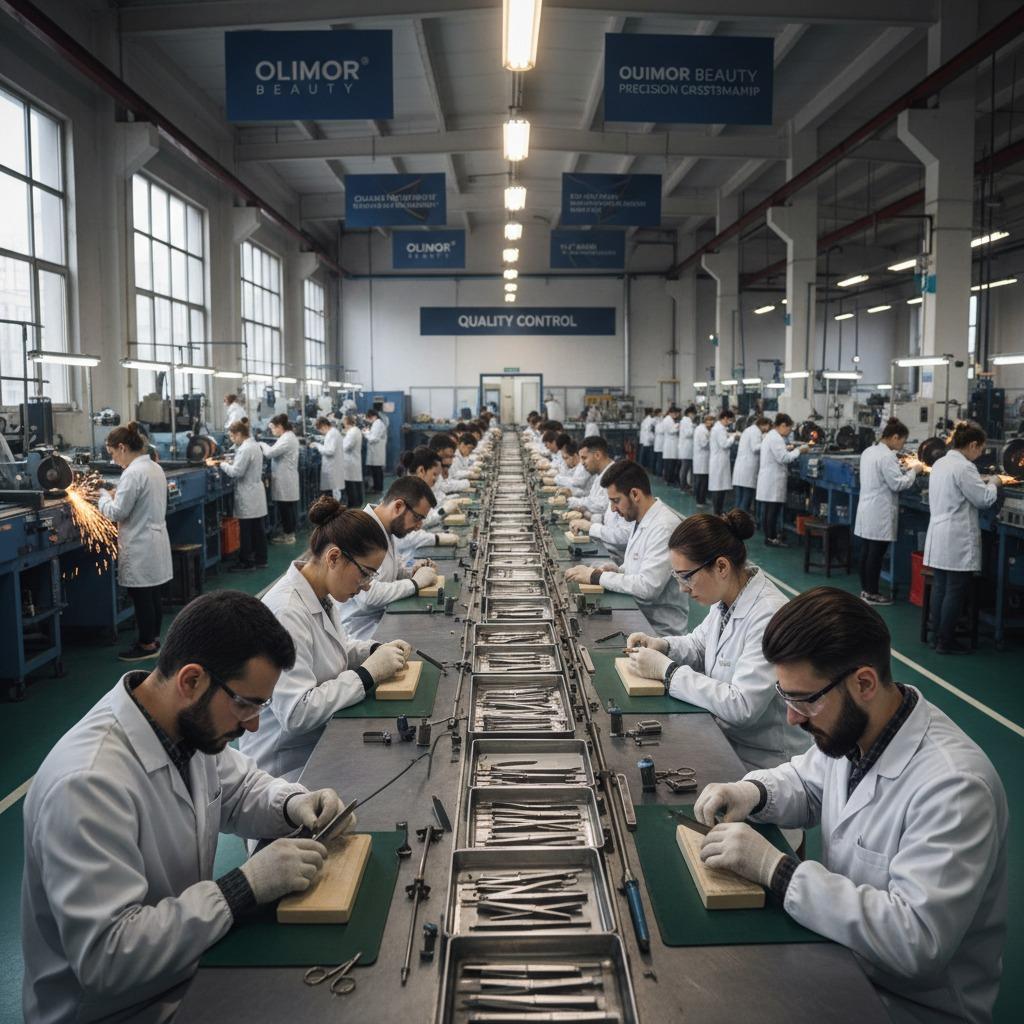
Ask for product details that can be verified through samples and documentation. Do not rely only on photos. Inspect how the clipper feels in the hand, whether the jaws align, how smoothly the lever moves and whether the surface is easy to wipe. If customization is required, confirm which branding, color, packaging or kit options are available for the specific product rather than assuming all features can be changed.
Commercial evaluation questions
- Does the clipper cut typical toenails cleanly without excessive force?
- Are the cutting edges aligned consistently across the sample set?
- Is the handle comfortable for different hand sizes and use angles?
- Can the pivot and jaw area be cleaned easily after trimming?
- Does the packaging protect the tool and explain basic cleaning or trimming precautions?
- Are customization options, order requirements and production details confirmed in writing?
Olimor product collections can help buyers compare beauty tools for nail-care assortments, grooming kits and retail displays. For project-specific questions, use the inquiry form to discuss product selection, packaging direction, customization and sourcing requirements.
Cost Factors Without Guesswork
Toenail clipper cost is influenced by material choice, construction, finishing, inspection requirements, packaging, customization and order structure. A plain bulk tool, a branded retail pack and a coordinated grooming kit may all require different production and handling steps. Freight, labeling needs and market-specific documentation can also affect the landed cost.
Buyers should avoid choosing only by the lowest unit price. A clipper that cuts poorly may generate returns, complaints or weak repeat sales. Instead, compare samples under realistic use conditions and confirm which quality checks are included. Ask whether the quoted product matches the sample in construction, finish and packaging. If regulations apply in the destination market, verify current requirements with qualified local advisers and supplier documents before ordering.
Key Takeaways for Safer Toenail Care
Ingrown toenail prevention is built on consistency. Trim straight across, keep the nail long enough to protect the toe edge, avoid deep side cuts, use a clean and stable clipper, and reduce pressure from shoes and socks. These habits are simple, but they work together: a clean cut is less useful if footwear crushes the toe, and roomy shoes cannot fully compensate for a hidden nail spike left by poor trimming.
For consumers, the right tool makes the routine easier to repeat. For retailers and professional buyers, the best toenail clipper is one that supports practical use, clear hygiene, reliable inspection and understandable customer education.
FAQ
Can I request samples before placing a larger nail clipper order?
Sample availability depends on the product and project requirements. Buyers should confirm the sample process, sample configuration and any packaging needs directly with Olimor before making purchasing decisions.
Is there an MOQ for customized toenail clippers?
Minimum order requirements can vary by product, customization method, packaging and production plan. Confirm current MOQ details in writing for the specific clipper or kit you want to source.
Can the clipper be customized for retail or promotional programs?
Customization may involve branding, color direction, packaging or assortment planning, depending on the selected item. Share target market, channel and packaging expectations early so feasibility can be reviewed.
How should buyers check quality before shipment?
Review approved samples, confirm product specifications, inspect cutting alignment, surface finish, packaging and cleaning instructions, and verify any applicable supplier documents. Avoid assuming certification or test claims unless they are provided and current.
How long does production or delivery take?
Lead time depends on order details, customization, packaging, inspection and logistics. Buyers should request a current timeline during quotation and reconfirm it before approving production.
Tag: