Recycled Metals Nail Clippers: A Practical Sustainable Choice
Recycled metals nail clippers appeal to buyers who want durable grooming tools with a lower reliance on virgin raw materials. For beauty retailers, private-label brands, salons, hotels, gift set planners and everyday users, the key question is not only whether a clipper sounds eco-friendly. It is whether the tool can cut cleanly, resist everyday wear, feel comfortable in the hand and fit a responsible sourcing strategy.
At Olimor Beauty, recycled metals are used as part of a practical approach to sustainable nail grooming tools. The goal is simple: reduce unnecessary material demand while keeping the performance people expect from a personal care tool. A nail clipper is small, but it is used repeatedly, often for years. That makes material choice, edge finishing, assembly and quality checks more important than a slogan on the package.
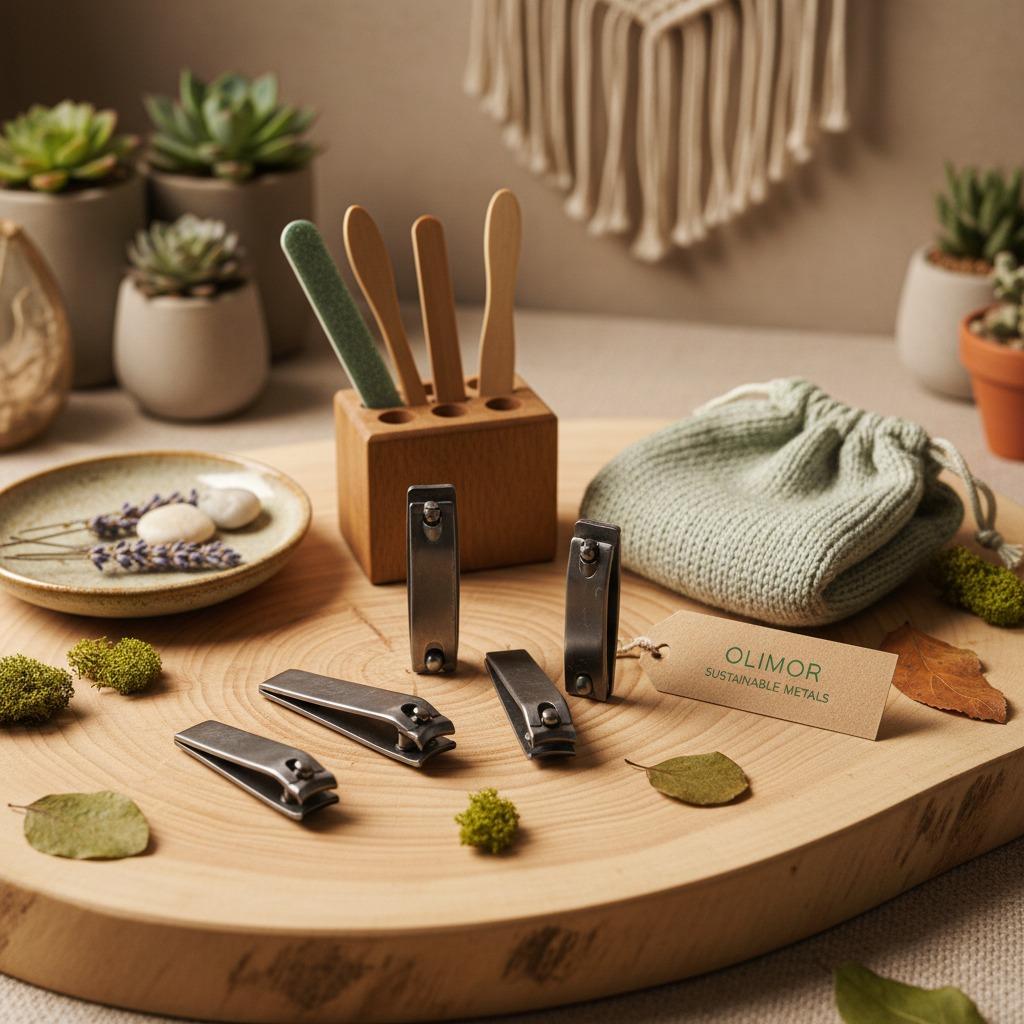
Why Recycled Metal Matters in a Nail Clipper
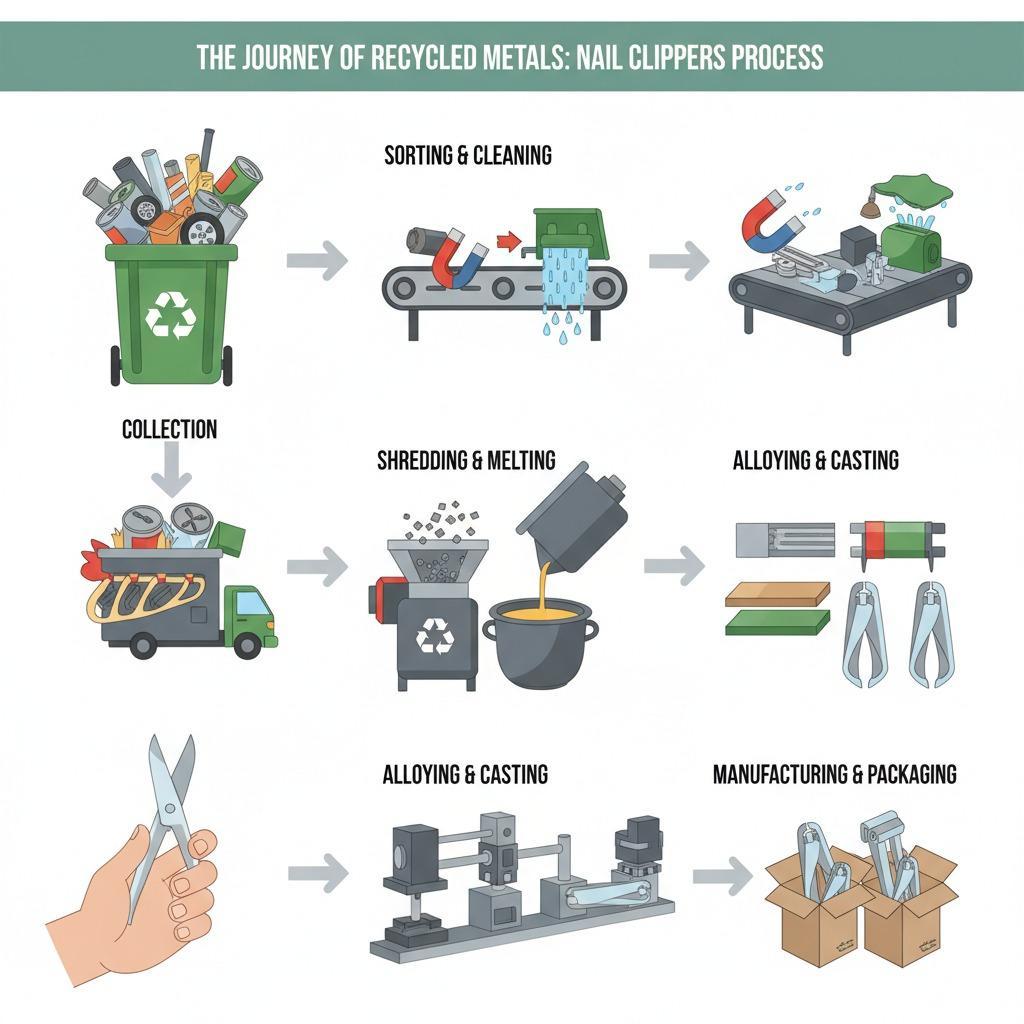
Metal grooming tools are chosen because they can deliver a crisp cut, hold their shape and withstand repeated handling. Using recycled metal supports a more circular approach to manufacturing by giving existing material another useful life. It can reduce dependence on newly extracted resources and help brands align everyday products with broader sustainability goals.
For a nail clipper, the environmental value should be matched with functional value. A clipper that bends, dulls quickly or pinches the nail creates waste because it is replaced sooner. A responsible product therefore needs both material efficiency and long service life. When reviewing nail clipper options, buyers should look beyond the word recycled and examine how the material is formed, finished and inspected.
Performance Criteria Buyers Should Check
A good recycled metals nail clipper should feel precise rather than fragile. The cutting edges should meet evenly, the lever should move smoothly and the body should feel stable under pressure. These details are especially important for retail brands, e-commerce sellers and professional kits, because customer satisfaction depends on the first few uses as much as the sustainability message.
- Cutting alignment: The upper and lower cutting edges should close evenly across the curve, helping prevent splitting or tearing.
- Edge finish: The cutting area should be sharp enough for clean trimming but not rough or jagged to the touch.
- Lever action: Pressure should feel controlled, with no loose wobble that makes trimming less accurate.
- Surface finish: A smooth, consistent finish supports comfort and makes the clipper easier to wipe clean.
- Grip comfort: The lever and body should be shaped so users can hold the tool securely, including when trimming thicker nails.
- Assembly quality: Pins, rivets or pivot areas should feel stable after repeated opening and closing.
These checks are useful whether the clipper is purchased as a single tool, included in a grooming set or planned for a branded beauty assortment. For more tool categories and comparison ideas, buyers can browse Olimor beauty tool products before deciding which items belong together.
Recycled Metal, Stainless Steel and Rust Resistance
The supplied product information highlights stainless steel tools made from recycled metals with anti-rust properties. In practical terms, buyers should understand that rust resistance depends on more than one factor. Material selection matters, but so do surface polishing, cleaning habits, storage conditions and exposure to moisture.
For bathroom use, travel kits and salon drawers, nail clippers often face humidity, water drops and contact with skin oils. A corrosion-conscious design should therefore avoid rough crevices where moisture can sit. Smooth finishing and simple cleaning access make a real difference. If a clipper is intended for travel, the product should also tolerate being carried with other items without the cutting edge becoming damaged.
Recycled metal does not automatically mean lower quality. The important point is process control. The material must be suitable for a cutting tool, and the final part must be shaped and finished to perform consistently. Buyers comparing sustainable nail clippers should focus on the combination of recycled content claims, cutting performance and practical durability rather than treating sustainability as a separate feature.
Sourcing Questions for Responsible Beauty Brands
For brands building a sustainable grooming line, recycled metals nail clippers can be a strong fit because they are practical, compact and easy for customers to understand. However, responsible sourcing requires clear evaluation. The following table can help organize supplier discussions and internal product reviews without relying on vague eco claims.
| Review Area | What to Evaluate | Why It Matters |
|---|---|---|
| Material approach | Use of recycled metals and suitability for nail clipper construction | Supports sustainability goals while keeping the tool functional |
| Cutting performance | Edge alignment, sharpness, lever pressure and consistency | Determines whether users get a clean trim without nail damage |
| Surface protection | Polishing quality, anti-rust handling and moisture resistance | Helps the clipper remain clean-looking and usable over time |
| Ergonomics | Grip feel, lever shape and comfort for daily use | Improves control for home, travel and professional grooming |
| Packaging fit | Minimal, protective or recyclable packaging options where appropriate | Aligns the product presentation with sustainability positioning |
| Inspection plan | Checks from material sourcing through final assembly | Reduces inconsistent quality before goods reach customers |
This kind of checklist is especially helpful when a clipper will be sold under a brand’s own sustainability message. The product should support that promise through real usability: clean trimming, comfortable operation and a finish that stands up to normal care.
Use Cases: Retail, Travel, Salons and Gift Sets
Recycled metals nail clippers can serve several product strategies. For retail shelves, they offer a straightforward story: a familiar tool made with more responsible material choices. For e-commerce, they can be presented with clear photos of the cutting edge, lever design and packaging so customers know what they are buying. For salons, the emphasis should be on repeatable performance, easy cleaning and reliable handling.
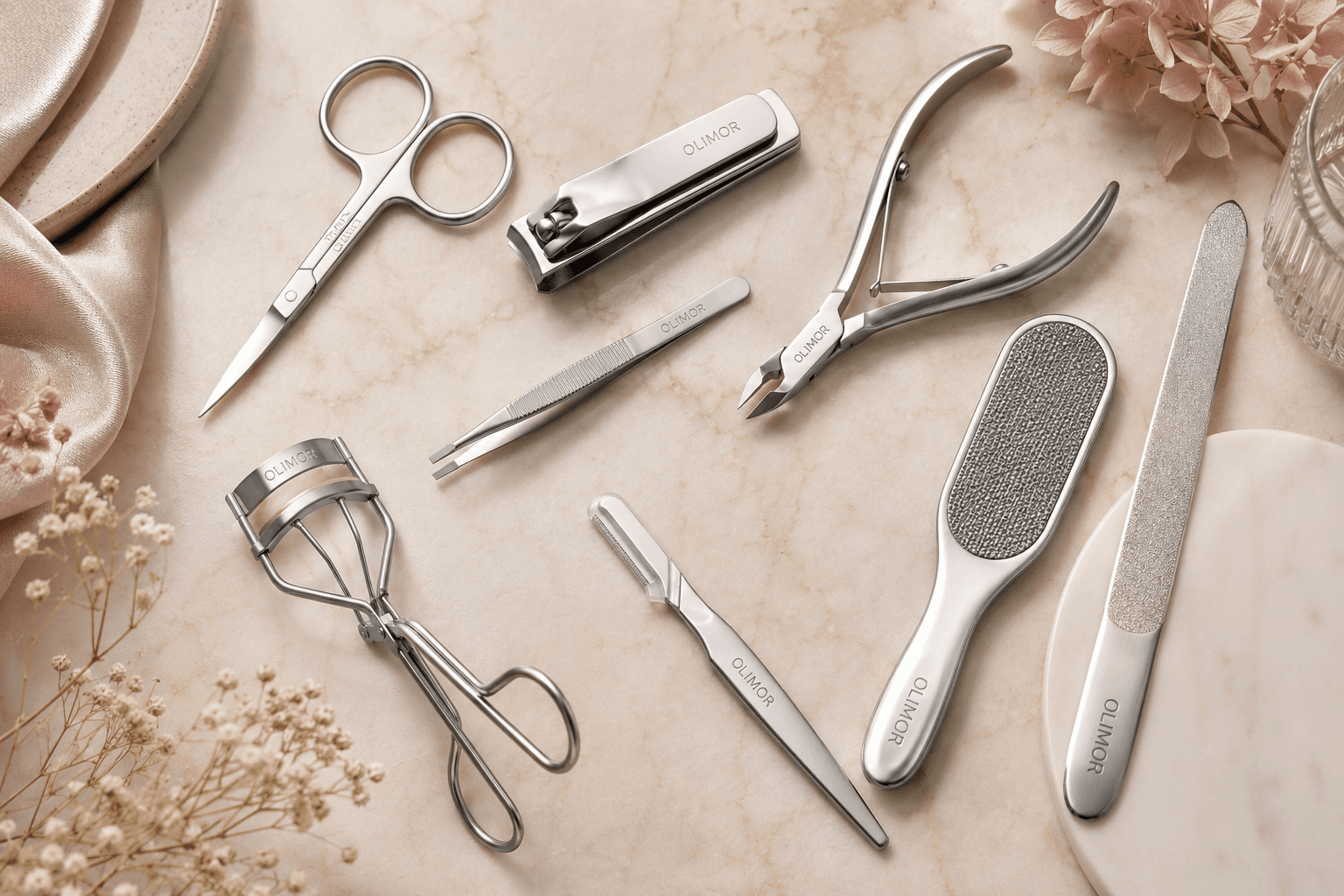
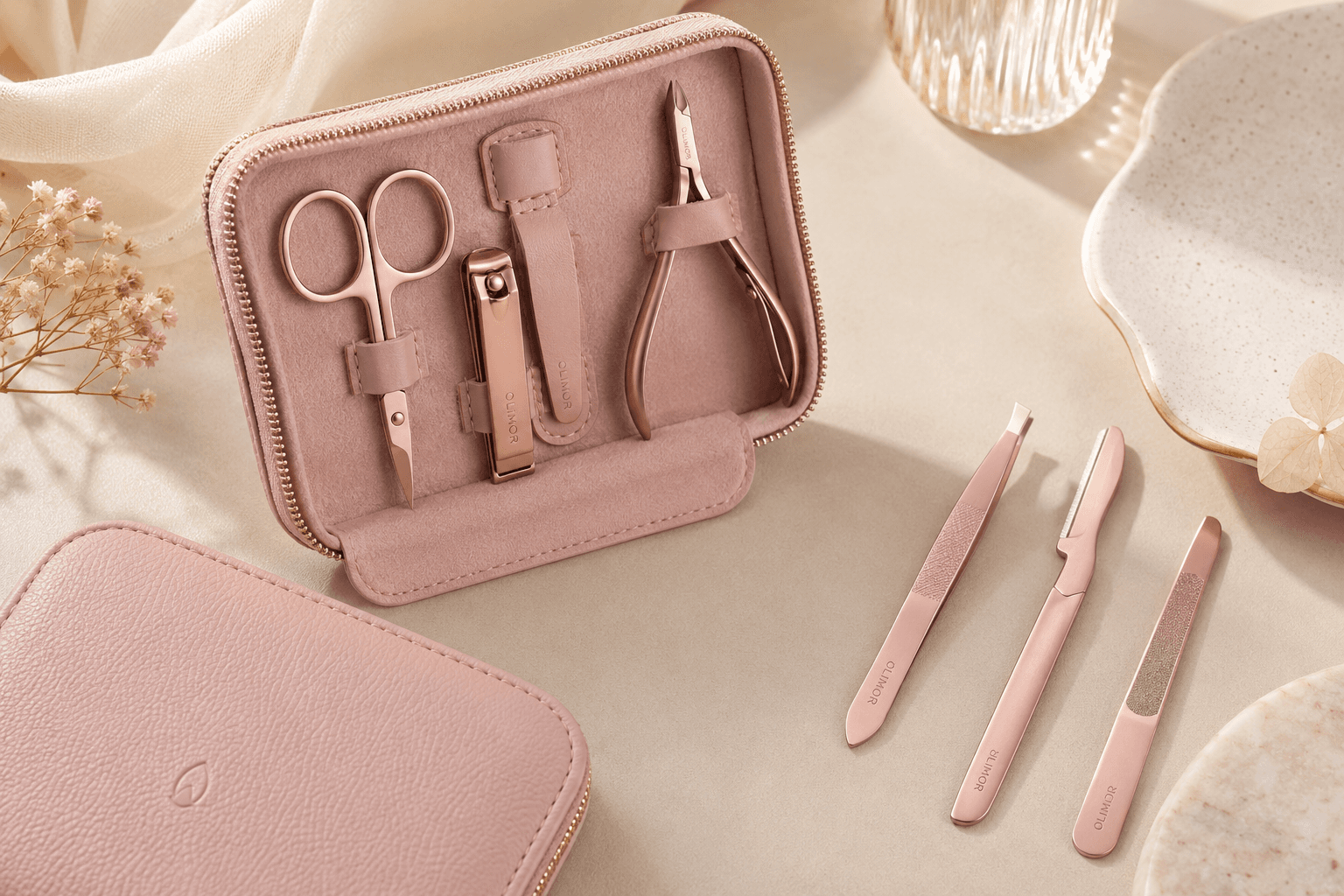
Travel and hospitality buyers often look for compact grooming items that feel dependable without being bulky. In that setting, a recycled metal clipper can fit personal care kits, amenity packs or small wellness assortments. For gift sets, the clipper pairs naturally with files, tweezers or other grooming accessories, but the overall set should still feel coherent. Buyers can review broader product collections to plan combinations that make sense for their audience.
The best positioning depends on the end user. A minimalist eco-conscious consumer may value a durable single tool with restrained packaging. A salon buyer may care more about consistent trimming feel and cleaning practicality. A retail brand may need a balance of sustainability language, visual appeal and long-term customer satisfaction.
Care and Maintenance for Longer Product Life
One of the most sustainable habits is extending the useful life of the tool. Even a well-made clipper performs better when it is cleaned and stored properly. Maintenance does not need to be complicated, but it should be included in product instructions when possible.
- Wipe the cutting edges after use to remove nail dust and residue.
- Dry the clipper before storing it, especially after bathroom use or cleaning.
- Store it in a dry pouch, drawer or case instead of leaving it on a wet sink surface.
- Avoid using the clipper on materials other than nails, because hard objects can damage the edge.
- Check the pivot area occasionally for trapped debris and clean gently if needed.
These simple steps help preserve cutting performance and appearance. They also support the sustainability value of recycled metals by reducing premature replacement.
Choosing a Supplier for Sustainable Nail Clippers
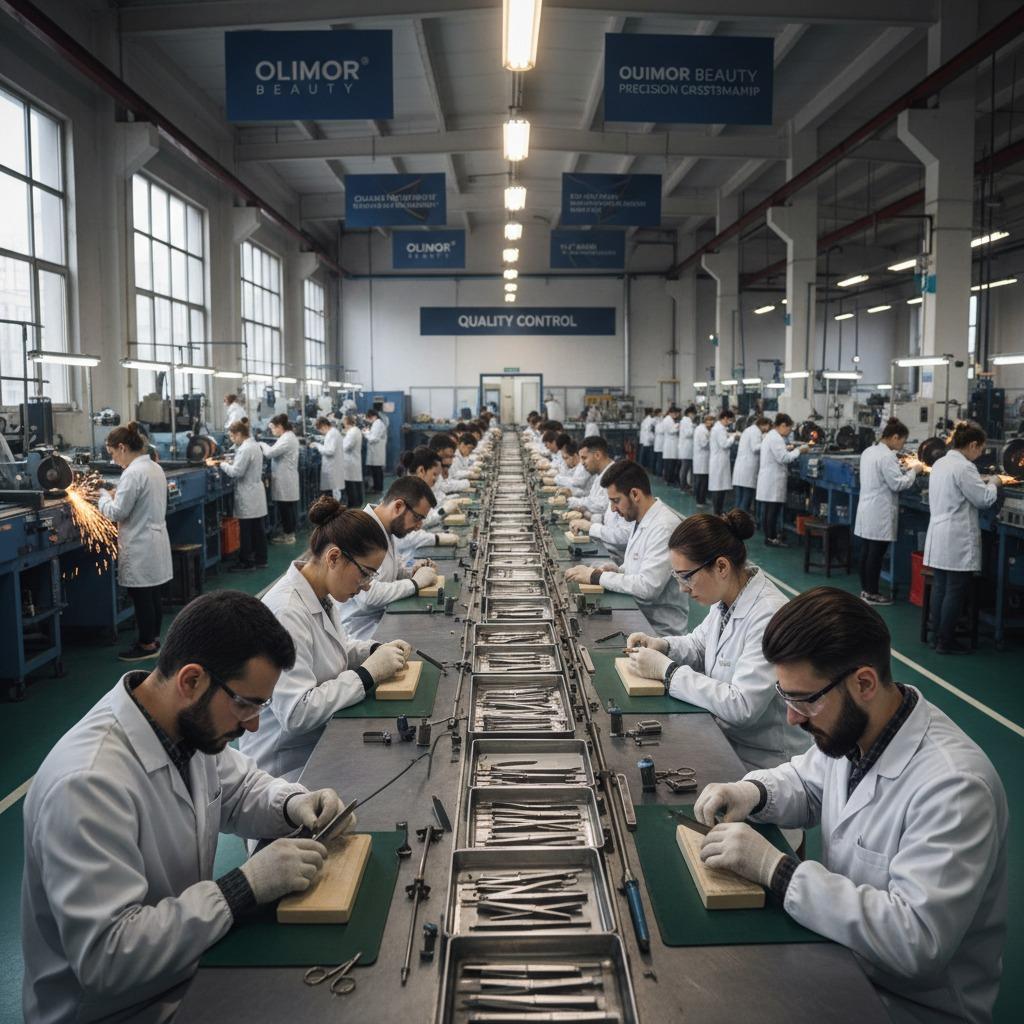
When evaluating recycled metals nail clippers, buyers should expect clear communication about function, finishing and quality control. The original product information notes inspections from material sourcing to final assembly, which is the right direction for a tool that depends on small tolerances. A clipper can look simple, but the user immediately notices poor edge alignment or uncomfortable pressure.
Before confirming a sourcing decision, prepare a focused brief. Define the target user, expected sales channel, packaging preferences, finish expectations and any brand requirements. Compare samples under real use conditions, not only by appearance. If the product is part of a larger sustainable line, check whether the clipper’s finish, packaging and messaging match the rest of the assortment.
For tailored product discussions, buyers can send an inquiry with project details or contact Olimor to discuss suitable beauty tool options. A clear brief helps align sustainability goals with the practical details that make a nail clipper reliable in daily use.
Final Takeaway
Recycled metals nail clippers are a sensible choice when sustainability and performance are evaluated together. The right product should cut cleanly, feel comfortable, resist everyday moisture concerns and support a longer product life. For beauty brands and buyers, the best results come from looking closely at material use, edge quality, assembly, packaging and maintenance guidance. When those details work together, a small grooming tool can make a meaningful contribution to a more responsible beauty assortment.
Tag: