Nail clippers for thick nails: what buyers actually need to look for
Nail clippers for thick nails are one of those small tools that seem simple until they fail in the hand. A weak jaw, a slippery grip, or a poorly aligned pivot can turn a basic grooming task into a frustrating one. For people trimming dense toenails at home, or for sourcing teams building personal-care kits, the question is not just whether a clipper looks sturdy. It is whether the design has enough leverage, control, and material integrity to cut cleanly without crushing the nail edge.
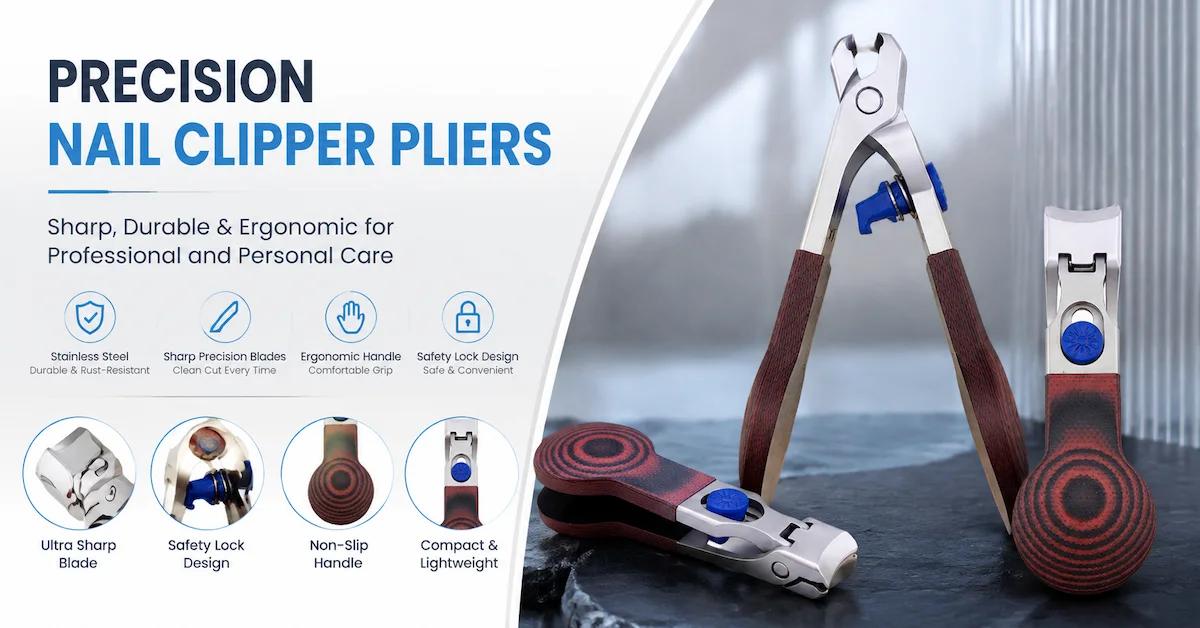
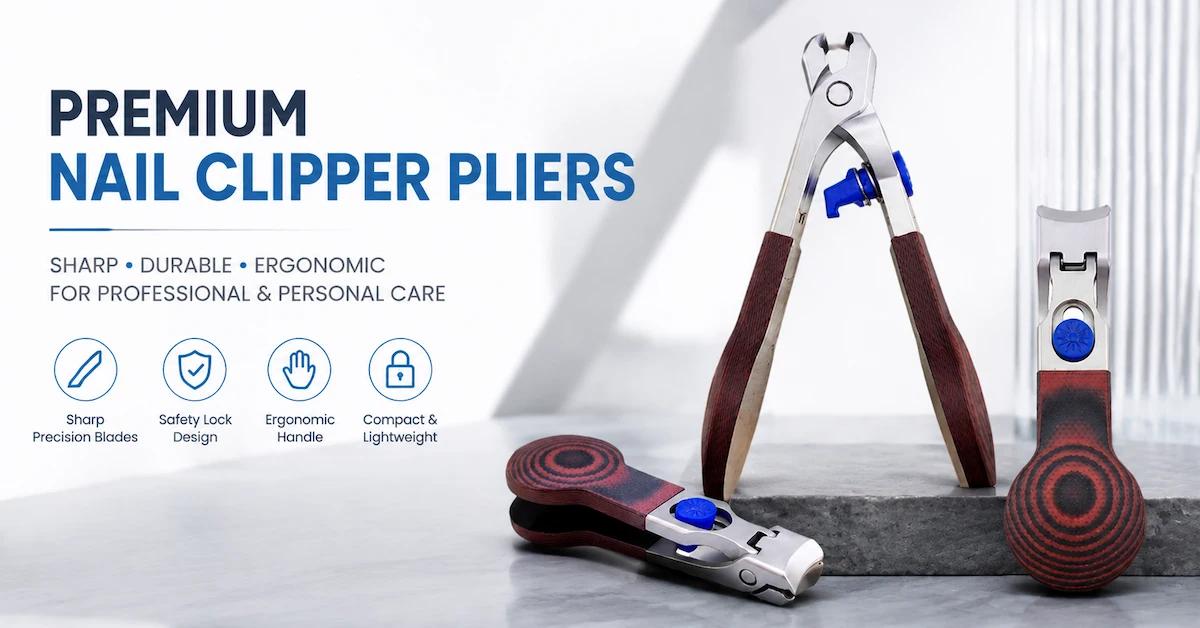
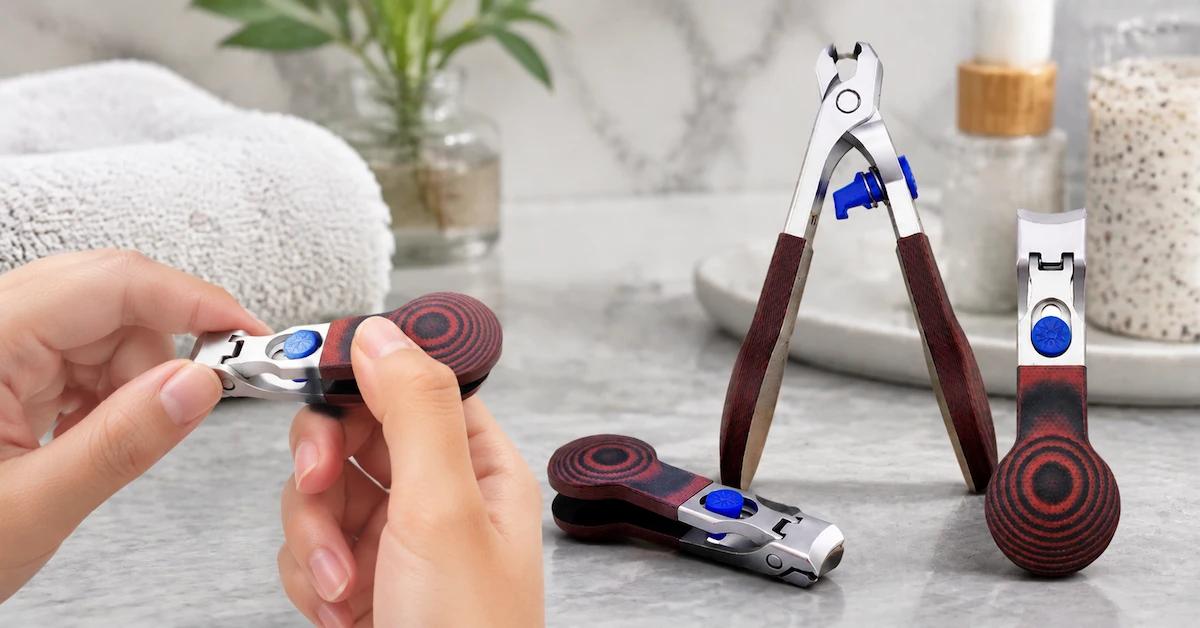
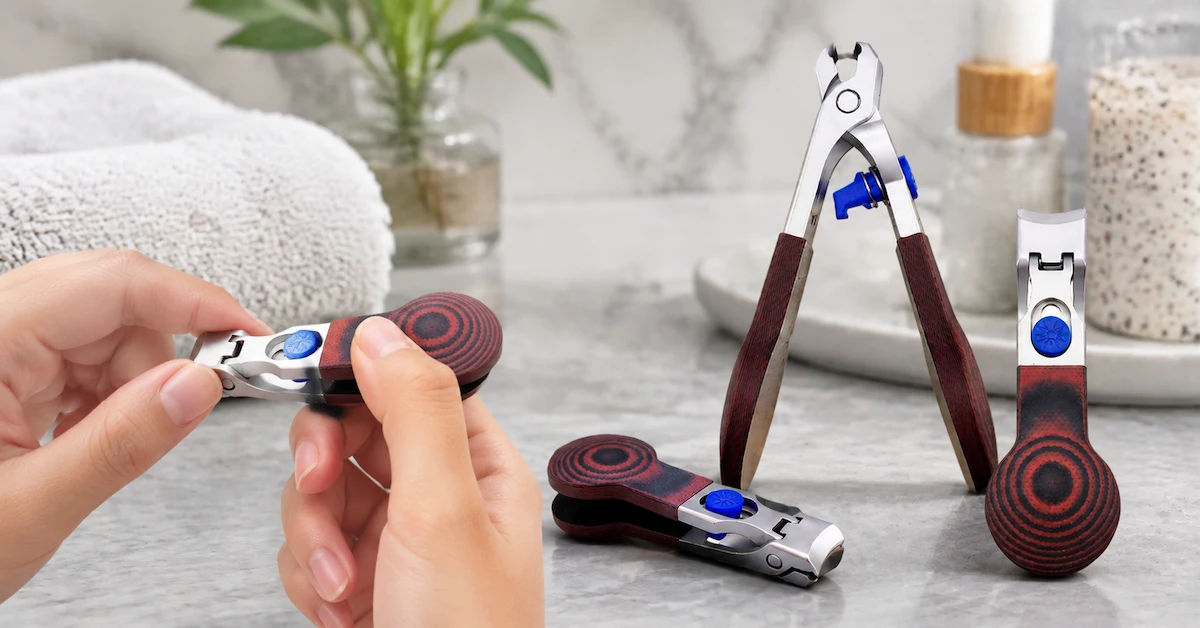
The product style shown here sits in the familiar stainless-steel category, but with two different handling approaches: a compact hand-held clipper and a larger leverage-style version. That matters. The larger format can be easier on thick nails because it gives the user more mechanical advantage, while the compact version still has a place in travel kits or everyday manicure sets. The right choice depends less on fashion than on the way the tool transfers force.
Quick take: compact cutter or leverage-style design?
If you are buying for thick toenails or for users with limited hand strength, a leverage-style clipper is usually the safer starting point. The longer handles and upright body can reduce the effort needed at the cutting edge. A compact clipper is easier to carry and store, but it asks more from the hand and thumb. That can be fine for regular maintenance, though it is less forgiving when the nail is dense, curved, or a little overgrown.
There is also a practical detail that gets overlooked: control. A tool can be powerful and still awkward if the jaws are too narrow or the body shifts under pressure. For a buyer, the best result is not the most aggressive-looking clipper; it is the one that stays aligned and cuts in a predictable arc.
What the visible design tells us
The clipper shown in the reference data appears to use polished stainless steel for the cutting head and body. That is a sensible choice for a grooming tool because stainless steel is widely used for corrosion resistance, cleaning convenience, and a hard, serviceable finish. The visible curved jaws suggest a shape meant to follow the natural contour of the nail rather than biting off large irregular chunks. For thick nails, that curve helps, but only if the edges are properly formed and the pivot is tight enough to keep the jaws meeting evenly.
The blue locking or release feature is another useful sign. On consumer tools, a locking element can help keep the clipper closed in storage or open in use, depending on the design. That said, buyers should not assume a lock automatically means better performance. It is a convenience feature first. The real work is done by the cutting geometry, the pivot, and the force the handle can deliver.
The grip areas appear to have dark red and black patterned panels or covers. The exact material is not confirmable from the image, so it is better to treat those as decorative or ergonomic grip surfaces rather than make assumptions about wood, resin, or composite construction. For sourcing purposes, that is a reminder to verify hand-feel and durability separately from appearance.
Why thick nails need a different tool profile
Thick nails do not just require more strength. They need a cleaner cut. When a clipper is underpowered, the nail may split, fracture, or compress before it separates. That is uncomfortable for the user and can leave a ragged edge that needs filing. In toenail care, especially, that can create unnecessary irritation around the nail bed. A good tool should reduce the number of passes needed and avoid excessive squeezing.
This is where stainless steel nail clippers with a heavier body or a leverage assist become more relevant. The metal construction gives the tool a rigid frame, while the handle length or body shape changes how much force reaches the jaws. For thicker nails, that is often the difference between a clean snip and a tool that feels like it is fighting the user.
Choosing between clipper types
Compact hand-held clippers
These are the familiar pocket-size tools. They are useful for general grooming, kits, and travel. Their advantage is convenience. Their weakness is limited leverage. If the nail is thick but not especially hard, a well-made compact model may still perform adequately, especially when the user trims in small increments.
Wide-body or leverage-assisted designs
Wide jaw nail clippers and leverage-assisted tools are usually better matched to heavier-duty nail trimming. The larger frame can make the cutting action feel more controlled and less abrupt. That matters for toenails, where the user often needs a steadier hand and a bit more cutting margin. A broader body can also be easier to grip, which is useful if the tool is being used in a salon setting or by older adults.
Stainless-steel construction
Stainless-steel nail clippers are the standard for a reason. They are durable, easy to wipe clean, and generally suitable for a humid bathroom environment. For procurement teams, stainless steel also signals a tool that can be positioned as a reusable consumer item rather than a short-life accessory. Still, the word stainless alone is not enough. Buyers should ask how the jaws are ground, how the pivot is assembled, and whether the closing action feels smooth across repeated cycles.
Selection criteria that matter in real use
For thick nails, the first checkpoint is jaw alignment. If the blades do not meet cleanly, the clipping action can pinch rather than cut. The second is handle ergonomics. A clipper with a sensible grip profile is less likely to twist during use. The third is opening width and overall geometry. A wider jaw opening can make it easier to start the cut on a thick nail edge, especially on toes where access is awkward.
Weight is worth a mention too. A tool that is too light may feel inexpensive and unstable; one that is too heavy can be tiring in a grooming set. The better balance is usually a solid but not bulky clipper, with enough mass to feel controlled and enough leverage to keep effort low.
There is also a buyer-facing caution that often gets missed in product descriptions: not every clipper intended for thick nails is ideal for every thick nail. Curvature, age-related brittleness, and the user’s dexterity all change the requirement. In practice, a grooming set may benefit from offering both a standard clipper and a heavier leverage style instead of forcing one tool to do everything.
Common mistakes when sourcing or recommending these tools
The most common mistake is overvaluing appearance. A polished finish looks good on a shelf, but finish alone does not tell you whether the jaws will stay aligned after repeated use. Another mistake is assuming that a larger cutter is always better. Oversized tools can be awkward in smaller hands or in close trimming around fingernails.
It is also easy to under-spec the grip. If the handle feels slippery or the locking feature is fiddly, the user will blame the tool even if the cutting edge is decent. For consumer grooming products, the experience of opening, positioning, and closing the clipper is part of the product performance. Buyers who ignore that tend to end up with returns and complaints that look cosmetic on paper but are really functional.
One more practical point: any clipper intended for thick nails should be inspected for consistent action from unit to unit. In metal hand tools, assembly variation can be just as important as the raw material. A tight pivot and even jaw closure are worth more than a flashy presentation insert.
How this product style fits different buying scenarios
For home users, the compact version may be enough if the nails are only mildly thick and the person wants a simple tool for routine maintenance. For pedicure sets, travel grooming kits, or gift packs, the polished stainless-steel look gives the product broad appeal. For salons, elder-care kits, and users who need more force, the leverage-style version is more practical.
That split is useful for merchandising too. A supplier can position the compact clipper as everyday carry and the larger one as a heavy-duty option. The broader strategy is to match tool architecture to the actual use case, not just to a headline feature. In grooming hardware, that distinction often decides whether the product feels premium or merely presentable.
FAQ
Are these clippers suitable only for toenails?
The visible design suggests a general grooming tool rather than a strictly single-purpose instrument. In practice, users often choose larger leverage-style clippers for thicker toenails and smaller compact clippers for fingernails or travel use. The final fit depends on the user’s preference and nail condition.
Is stainless steel enough to make a clipper durable?
It is a strong starting point, but not the whole story. Material quality matters, yet so do the pivot, the jaw grind, and how consistently the parts are assembled. A stainless-steel shell with poor alignment will still disappoint.
Should buyers always choose the widest jaw nail clippers available?
Not necessarily. Wider jaws can help with thicker nails, but they can also reduce precision in smaller trimming jobs. The right choice balances access, control, and leverage.
What to ask a supplier before placing an order
If you are evaluating this kind of grooming tool for resale or inclusion in a personal-care assortment, ask for clear details on the metal grade, the locking function, the handle material, and the intended use profile. Since the image does not confirm the exact stainless-steel grade or grip material, those should be verified rather than assumed. It is also worth asking how the cutting edges are sharpened and whether the larger variant is designed specifically for thicker nail cutting or simply marketed that way.
For many buyers, the simplest test is still the most honest one: how does the clipper feel on a real nail, under real hand pressure? That answer tends to reveal more than a polished product photo ever will.
Next step for buyers
If you are building a grooming line, sourcing for a retail assortment, or comparing nail clippers for thick nails for a private-label range, start by separating the quick-use compact models from the leverage-assisted tools. Then check jaw alignment, grip comfort, and storage features before you get distracted by surface finish. The right clipper is the one that cuts cleanly, stays stable, and makes a difficult trimming job feel ordinary.
Tag: