Manicure Tools Wholesale: What B2B Buyers Should Check Before Ordering
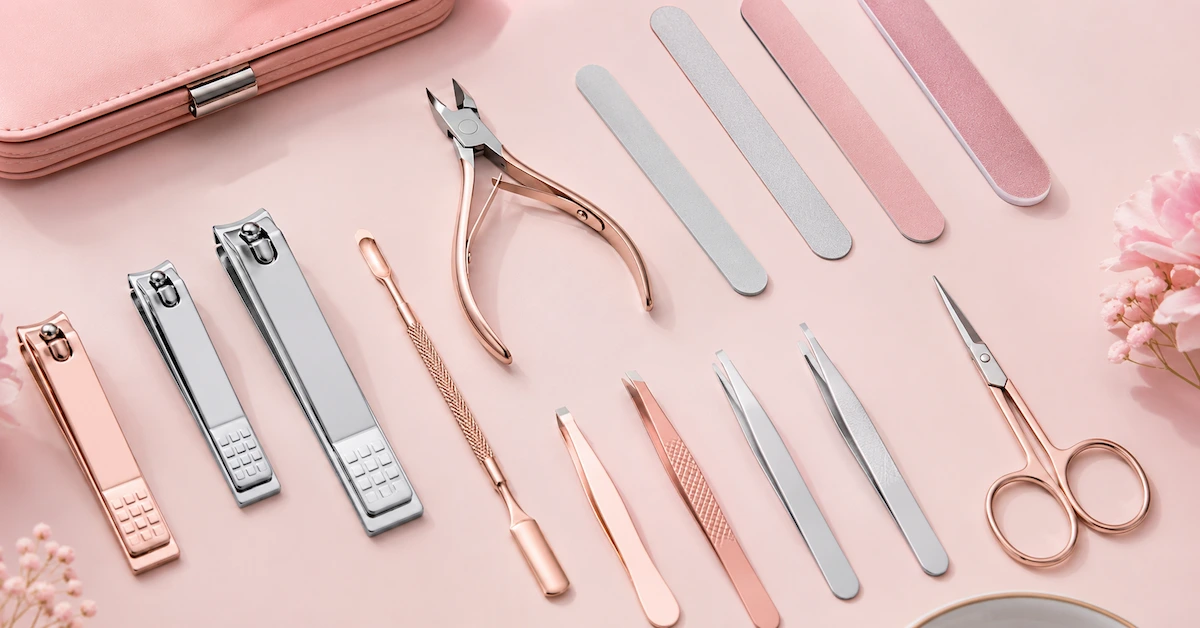
Buying manicure tools wholesale is not only a price decision. A useful wholesale set must cut cleanly, feel comfortable in the hand, protect sharp edges in transit, look consistent on a retail shelf, and match the needs of the channel where it will be sold or used. For buyers comparing bulk manicure tools, the best starting point is to define the intended use first: salon support, retail resale, travel grooming, gifting, promotional programs, or private-label beauty assortments.
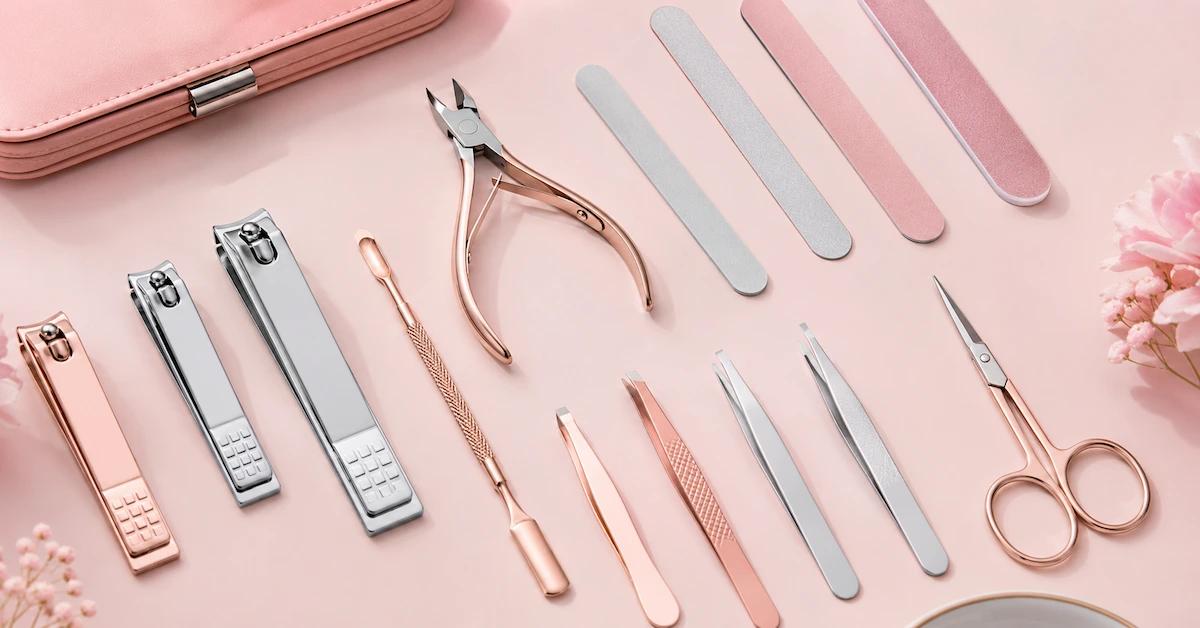
Most manicure kits combine compact metal tools such as nail clippers, cuticle nippers, nail files, tweezers, small scissors, and double-ended pushers or cleaners. Olimor’s nail-care range includes these common tool types and presentation styles, including polished metallic finishes and portable cases. Buyers can review related options in the beauty tool product range and then request samples for hands-on inspection before committing to a bulk order.
What Wholesale Buyers Are Really Trying to Solve
The primary search intent behind manicure tools wholesale is practical: buyers want to know which tools to include, how to compare suppliers, what quality details matter, and how to avoid products that look good in photos but disappoint in use. A set can appear attractive because of a polished silver, rose gold, or pink finish, but the real test is how the tools perform when opened, pressed, clipped, aligned, packed, and unpacked repeatedly.
For retail buyers, presentation and shelf appeal matter because manicure sets are often bought as personal grooming items, small gifts, travel accessories, or add-on beauty products. For salon and spa buyers, the focus is more functional: cutting control, comfortable handling, sanitation routines, and reliable performance. For distributors, the main concern is consistency across cartons and repeat orders. A good sourcing process considers all three angles rather than treating every metal tool set as interchangeable.
Common Tool Types in Manicure Sets
A wholesale manicure set should have a clear reason for every item included. Too few tools can make the kit feel incomplete; too many weak accessories can make it look cluttered or low value. The following tool types are commonly found in compact manicure and pedicure sets.
Nail clippers
Nail clippers are usually the anchor item. Buyers should check whether the lever opens smoothly, the jaws meet evenly, and the cutting edge trims without crushing or tearing the nail. If the set is intended for both fingernails and toenails, confirm whether the clipper shape and size suit that purpose. Do not rely only on catalog images; the hand feel and cutting action are sample-level checks.
Cuticle nippers and small scissors
Cuticle nippers and pointed scissors require closer inspection than simple accessories because tip alignment and edge finishing affect safety and user satisfaction. The spring or hinge action should feel controlled, not loose or gritty. Buyers should inspect the tips from the front and side, then test them on appropriate sample material rather than judging only by appearance.
Nail files
Nail files help shape and smooth the nail edge. In wholesale sets, files may be metal, abrasive, or compact accessories fitted into the case. Check the abrasive consistency, edge finishing, and how comfortably the file can be held. A rough file edge or flimsy backing can make the whole set feel less reliable even if the clippers are acceptable.
Tweezers and double-ended tools
Tweezers add value only when the tips meet cleanly and grip with control. Double-ended metal tools, often used for pushing or cleaning around the nail, should have smooth edges and a finish that does not feel sharp where it should be rounded. Small tools are easy to ignore during sourcing, but consumers often judge a kit by whether every accessory works as expected.
Material, Finish and Case Details to Verify
The product format commonly seen in wholesale manicure tools is compact, metal, polished, and portable. Silver finishes tend to look classic and broad-market, while rose gold and pink finishes often suit beauty retail, gifting, and lifestyle assortments. These colorways can make a set more attractive, but finish should never replace functional inspection.
Ask the supplier what material is used for each tool and whether different parts use different base materials or coatings. Do not assume a finish is stainless steel or a specific grade unless the supplier states it and provides supporting documents. Buyers should also check whether the coating looks consistent around corners, hinges, jaws, and contact points. These areas often reveal whether preparation and finishing were handled carefully.
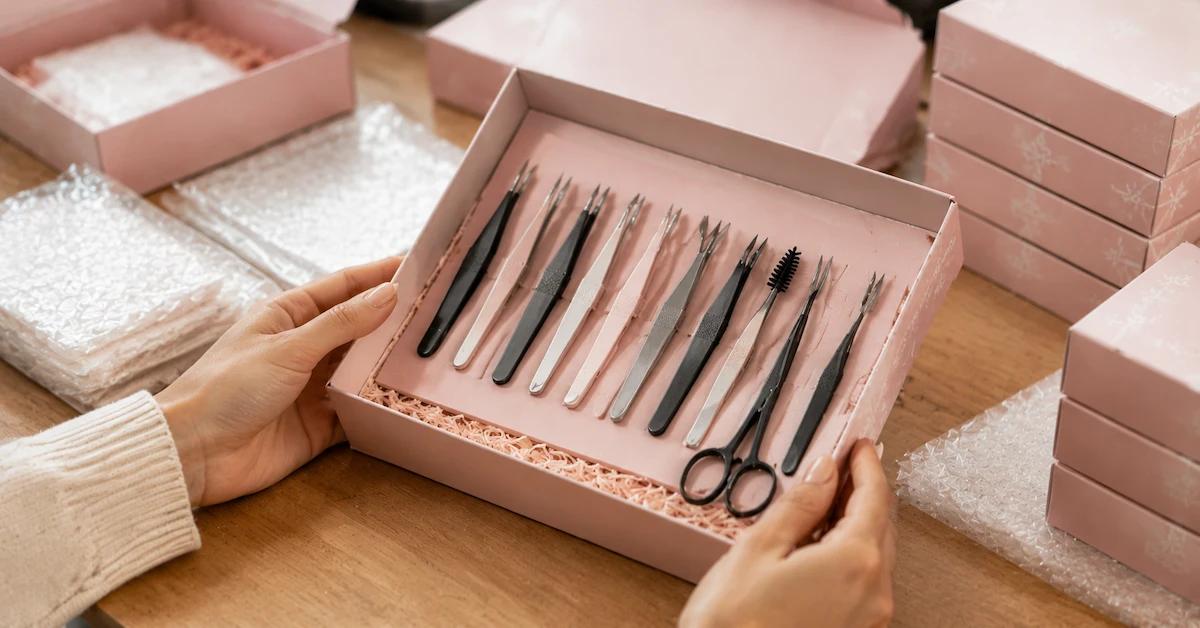
The case should be treated as part of the product, not just packaging. A compact carrying case can improve presentation, protect tools during transit, and make the set practical for travel. Inspect whether tools sit securely, whether sharp edges are protected, whether finishes rub against each other, and whether the case opens and closes cleanly. If the kit arrives scuffed, loose, or disorganized, the customer may perceive it as used or poorly made before trying a single tool.
Comparison Checklist for Wholesale Manicure Tools
A simple checklist keeps evaluation focused and prevents sourcing teams from over-weighting color, price, or tool count. Use it when comparing samples from different suppliers or different set configurations.
| Evaluation area | What to check | Why it matters |
|---|---|---|
| Tool mix | Clippers, nippers, file, tweezers, scissors, pusher or cleaner as needed | Ensures the set matches the retail or professional use case |
| Cutting performance | Jaw alignment, edge smoothness, lever or spring action | Predicts real user satisfaction and complaint risk |
| Finish consistency | Color match, polishing, coating around hinges and corners | Supports shelf appeal and perceived quality |
| Case fit | Secure placement, easy removal, edge protection, clean closure | Reduces transit damage and improves user experience |
| Batch consistency | Compare multiple samples, not just one selected piece | Helps identify variation before bulk production |
| Channel fit | Salon use, retail display, travel kit, gifting, promotion | Prevents buying a visually attractive set that misses the market |
| Supplier support | Sample process, customization options, packing details, documentation | Shows whether the supplier can support ongoing B2B orders |
How to Select a Set for Your Sales Channel
For beauty retailers, the strongest manicure sets usually combine a practical tool assortment with a neat visual story. Matching finishes, a compact case, and a clear product layout help customers understand the value quickly. Rose gold and pink finishes can work well for giftable beauty displays, while silver may be easier to place across a wider range of stores.
For salons and spas, focus first on function and hygiene practices. Tools should be easy to handle and inspect, with no rough areas that trap residue or feel uncomfortable. If the tools are intended for repeated professional use, ask detailed questions about materials, cleaning recommendations, and replacement planning. Manicure tools are not cosmetics, but they are used close to the skin, so buyers should confirm that supplier instructions and market requirements are appropriate for the destination country.
For travel, promotional, and private-label programs, compactness and presentation are especially important. A portable case can make the set more useful and more giftable. If branding is required, discuss where logos, inserts, sleeves, or case details can be customized without compromising tool fit. Buyers exploring tailored assortments can start with the current collection and then narrow the request by finish, tool mix, and packing style.
Cost Factors Beyond Unit Price
The lowest quoted unit price is not always the lowest landed cost. Manicure tool cost is shaped by tool count, material choice, finishing process, polishing level, case construction, packing method, customization, inspection requirements, and order complexity. A set with more pieces may look like a better value, but only if those pieces are useful and made consistently.
Finish choice can also affect cost and rejection risk. Polished metallic surfaces, colored coatings, and matching sets require consistent appearance across tools. If the finish is central to the product’s retail appeal, build sample review and pre-shipment inspection into the sourcing plan. For private-label orders, packaging design, inserts, barcodes, language requirements, and carton markings can add coordination work even when the base tools remain the same.
Buyers should also consider the commercial cost of returns, damaged retail packaging, inconsistent color, or tools that do not perform as expected. A slightly better-made set may protect margin more effectively than a cheaper set that generates complaints. The practical goal is not to buy the most expensive option; it is to buy a set whose quality level matches the promise made to the end customer.
Sample Inspection: What to Do Before a Bulk Order
Samples should be opened and tested under normal working conditions, not only photographed on a desk. Check several pieces when possible, because one sample may not show variation. Handle each tool as an end user would: open the clipper, press the lever, close the nipper, align the tweezers, remove the file from the case, and repack the kit.
- Inspect visible finish under normal light and angled light.
- Check clippers for even jaw contact and smooth cutting action.
- Open and close nippers or scissors to feel hinge or spring control.
- Confirm tweezer tips meet evenly and grip cleanly.
- Run a fingertip carefully along non-cutting edges to identify rough finishing.
- Check whether tools scratch each other inside the case.
- Confirm the case holds each item securely during movement.
- Review retail packaging for scuffs, loose parts, poor printing, or unclear labeling.
- Ask which details can be customized and which are fixed for the selected model.
- Keep an approved sample for comparison with later production.
Where consumer product regulations apply, buyers should verify current requirements for the destination market. In the United States, the Consumer Product Safety Commission is a relevant public body for consumer product safety. In the European Union, buyers should review applicable product safety obligations such as the General Product Safety Regulation. Requirements change, and applicability depends on product design, claims, packaging, and market placement, so always verify current versions and request supplier documents before shipment.
Questions to Ask a Manicure Tool Supplier
A reliable supplier should be able to discuss more than price. Ask how the tool set is configured, which finishes are available, how tools are packed in the case, and what information can be provided for your compliance review. If customization is needed, clarify whether it applies to the case, color, tool selection, insert card, outer packaging, or branding elements.
Buyers should also ask how quality is checked before dispatch. Without asking for invented test claims, it is reasonable to discuss visual inspection, functional checks, packing review, and sample approval. For repeat programs, confirm whether future orders can be matched to the approved sample in finish, assortment, and packaging layout.
If your team is ready to compare configurations, use the wholesale inquiry form to describe the target channel, preferred tool mix, finish direction, packaging needs, and any destination-market documentation requests. Clear input at the beginning makes it easier for a supplier to recommend a realistic manicure set rather than guessing from a generic product photo.
Common Sourcing Mistakes to Avoid
The first mistake is treating manicure tools as simple metal accessories. Small differences in edge grinding, tip alignment, case fit, and polish can change the entire user experience. The second mistake is buying by tool count alone. A ten-piece kit is not automatically better than a smaller set if several items feel weak or unnecessary.
The third mistake is ignoring the sales channel. A salon-oriented buyer may not need a fashion colorway, while a gift retailer may rely heavily on finish and case presentation. The fourth mistake is failing to inspect packaging. Retail-ready manicure sets must arrive clean, organized, and presentable; otherwise, the buyer absorbs the cost of rework, markdowns, or complaints.
The fifth mistake is leaving customization too late. Logo placement, case color, insert design, and carton information should be discussed early, especially when the order is tied to a promotion or private-label launch. Even simple changes can affect sample approval and packing arrangements.
A Practical Next Step for B2B Buyers
Start by defining the product role: professional grooming support, personal care retail, travel kit, gift item, or private-label beauty accessory. Then choose the tool mix and finish to match that role. A compact manicure set with clippers, nippers, file, tweezers, scissors, and a pusher can be a strong all-in-one product when the pieces are useful, aligned, and securely packed.
For a more focused sourcing discussion, share your target market, preferred finish, expected packaging style, and customization needs through Olimor contact support. Ask for samples, inspect them against an approved checklist, and keep the buying decision tied to real user experience rather than unit price alone.
FAQ: Wholesale Manicure Tools
Can I request samples before placing a wholesale order?
Yes. Samples are the best way to evaluate cutting action, alignment, finish, case fit, and packaging quality before confirming a bulk order.
Is there a fixed MOQ for manicure tools?
MOQ can depend on the product model, customization level, packaging, and production arrangement. Confirm the current requirement with the supplier for the exact set you want.
Can manicure tool sets be customized?
Customization may include tool selection, finish direction, case style, packaging, inserts, or branding, depending on the selected model and order details. Confirm feasibility before finalizing artwork or launch plans.
What quality points should buyers prioritize?
Prioritize cutting performance, tweezer and scissor alignment, smooth finishing, secure case fit, consistent color, and retail packaging condition.
How should lead time be confirmed?
Ask for the current lead time based on the exact product, order quantity, customization, sample approval status, and shipping plan. Avoid relying on generic timelines for customized orders.
Tag: