Import Nail Clippers from China: What Buyers Should Check Before Ordering
For distributors, private-label beauty brands, salon suppliers and general merchandise importers, nail clippers are small products with high expectations. A customer may not think much about a clipper before purchase, but they immediately notice poor cutting performance, uncomfortable leverage, rough edges or weak packaging. That is why sourcing decisions should look beyond unit price. When you import nail clippers from China, the real goal is to build a product line that is consistent, presentable and suitable for your sales channel.
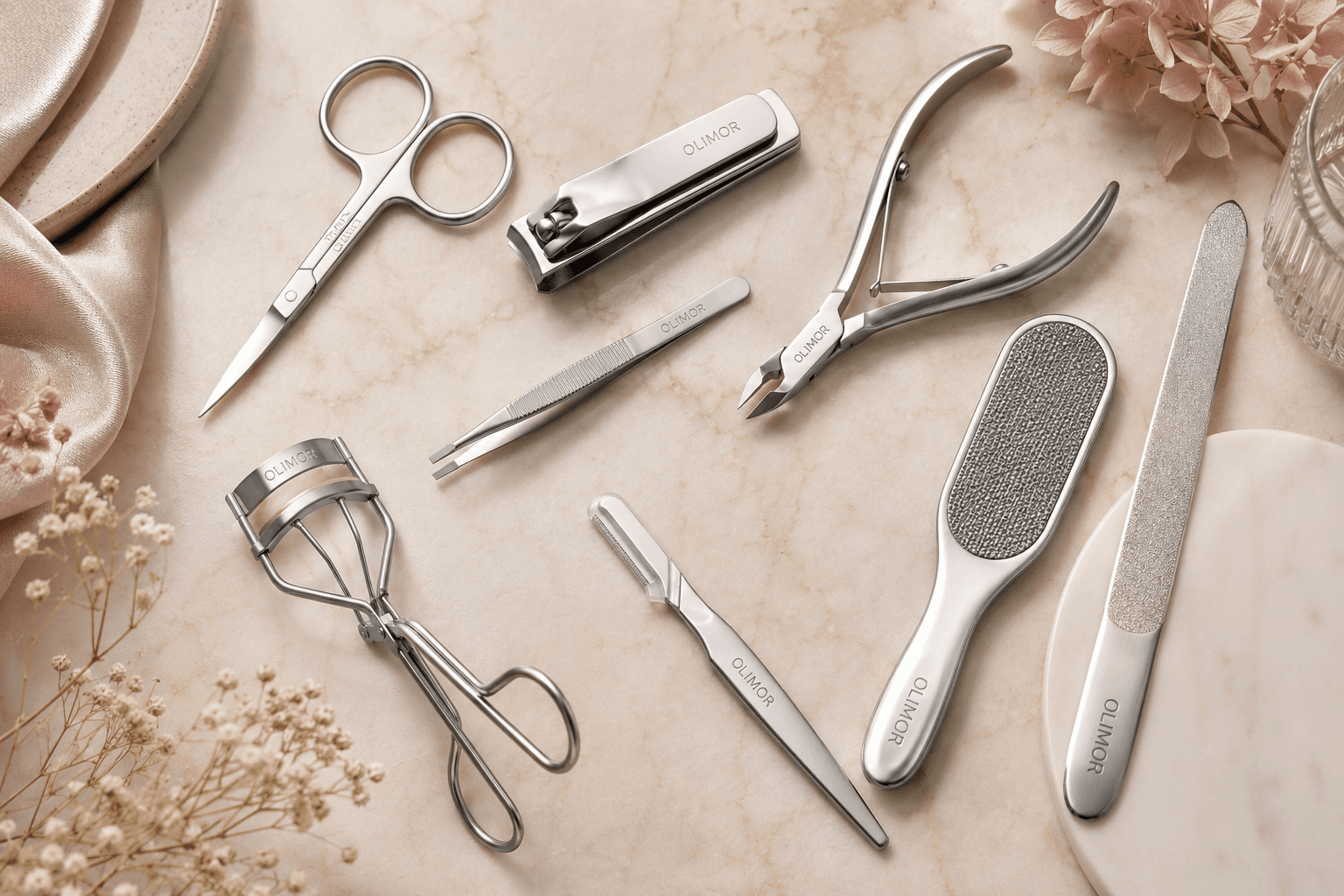
China remains a major sourcing base for personal grooming tools because many factories and trading partners are familiar with metal processing, polishing, assembly, packaging and export procedures. This can make China a practical choice for buyers who need repeatable supply and a range of design options. Olimor Beauty supports buyers looking for beauty and grooming tools, and you can review broader categories through our beauty tool products page or compare options in our product collections.
Why China Is Often Considered for Nail Clipper Sourcing
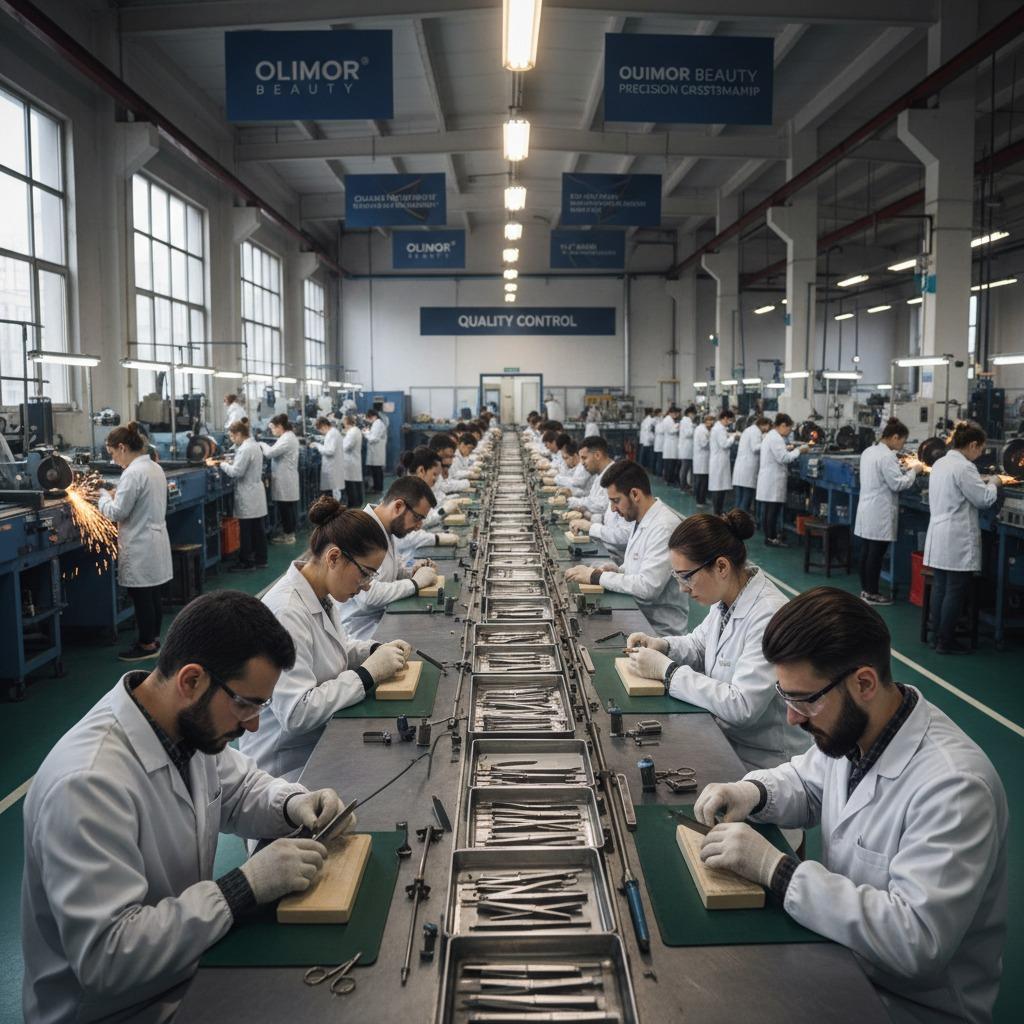
Nail clippers look simple, but a reliable product depends on several manufacturing steps working together: metal stamping or shaping, blade alignment, surface finishing, lever assembly, tension control and packaging. A buyer sourcing from China can often find suppliers with experience across these steps, which is useful when the order requires more than a generic tool in loose packaging.
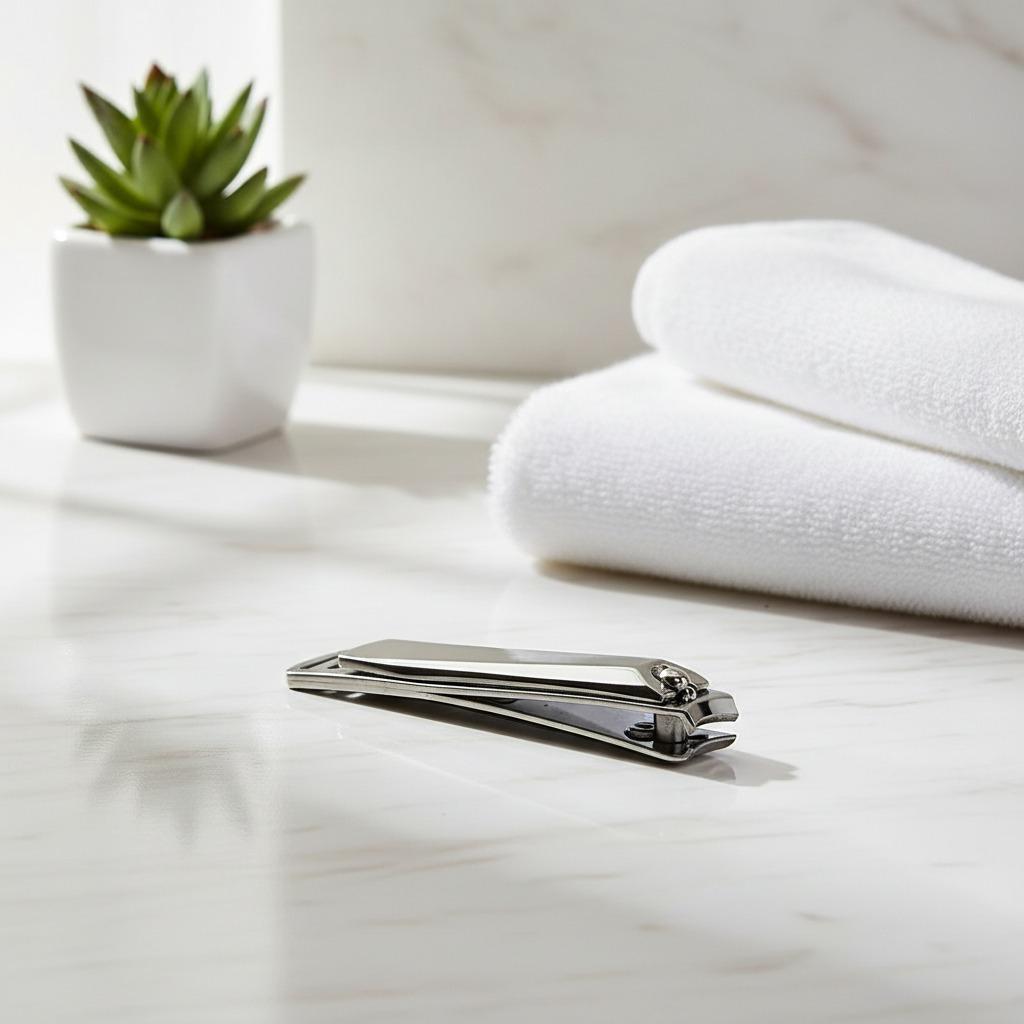
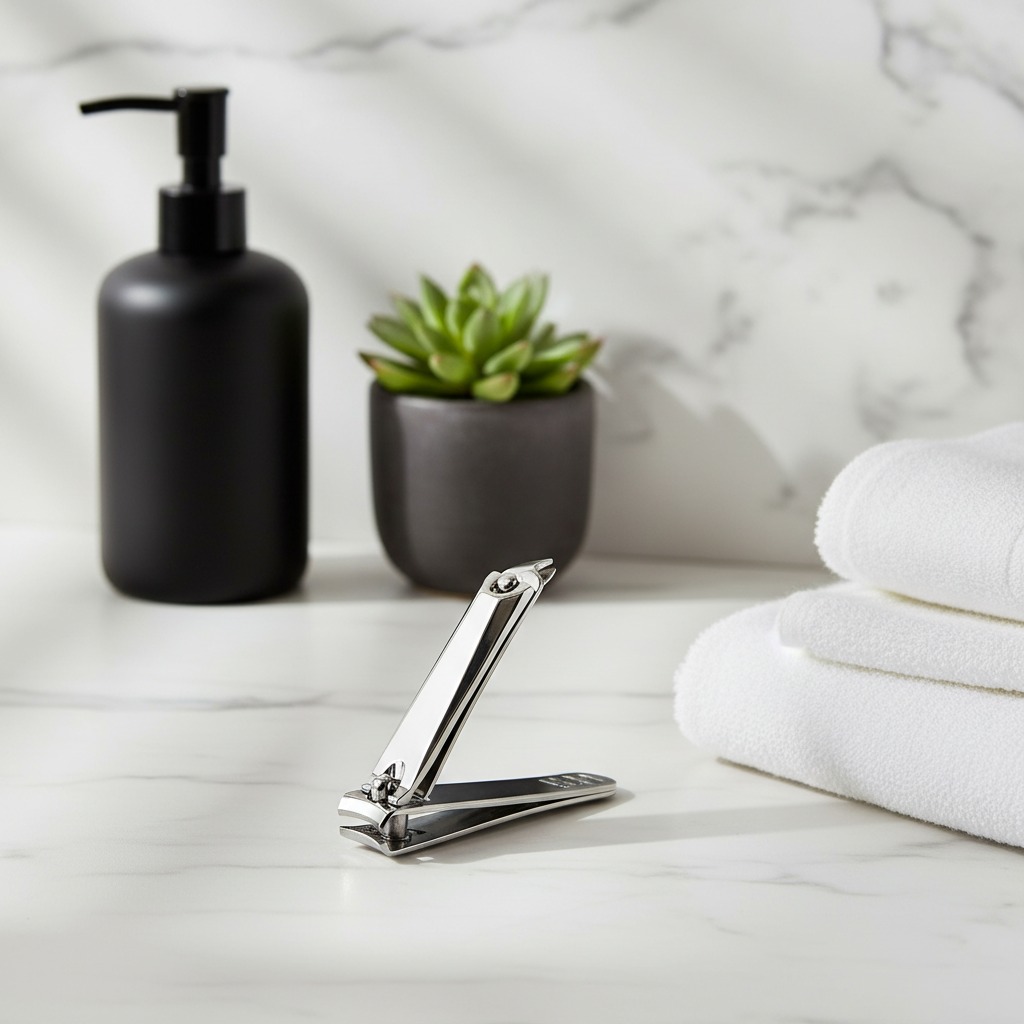
The benefit is not only low cost. For many importers, the stronger advantage is supplier choice. You can compare compact clippers for travel kits, standard clippers for retail packs, larger clippers for toenails, and designs with different handle finishes or grip textures. The original product description references compact 70 mm models weighing about 30 grams, which shows the type of portability-focused option some buyers may consider when selecting items for everyday carry, hotel amenities, travel grooming sets or small retail displays.
However, a smart importing plan should avoid assuming every supplier offers the same quality. Two clippers may look similar in a product photo while performing very differently in use. The best sourcing work happens before the purchase order: checking samples, clarifying finish expectations, reviewing packaging, and deciding what level of consistency your market requires.
Product Features That Matter to End Users
End users judge a nail clipper in seconds. If the blades crush instead of cut, if the lever feels loose, or if the edges scratch the hand, the product will feel cheap no matter how attractive the packaging is. Importers should therefore define practical performance requirements before comparing quotations.
- Cutting feel: The blades should meet cleanly and trim nails without excessive pressure. Sample testing on different nail thicknesses is useful.
- Blade alignment: Misalignment can cause uneven cuts, splitting or snagging. Check the tip, center and sides of the cutting edge.
- Lever tension: A smooth lever improves control. A lever that is too loose may feel unstable; one that is too tight may be uncomfortable.
- Surface finish: Polishing, coating or texture should be even, without burrs, sharp non-cutting edges or visible stains.
- Grip comfort: Ergonomic grips or textured handles can help users control the tool, especially for larger sizes.
- Portability: Compact clippers are suitable for travel kits and promotional grooming packs, while larger versions may suit home care or pedicure sets.
These details are especially important if your customers compare your products with salon tools or established retail grooming brands. A low price can attract an initial order, but reliable cutting performance is what reduces complaints and supports repeat purchases.
Comparing China with Domestic and Emerging-Market Supply Options
Importers often compare China with local suppliers in the US, Europe or other manufacturing regions. Domestic sourcing may offer easier communication, smaller logistical distance and simpler after-sales coordination, but it can also come with higher labor and operating costs. For buyers scaling a grooming tool line, that cost difference may affect retail margin, promotional flexibility and the ability to offer multi-piece sets.
Emerging sourcing markets can also be attractive, especially when buyers focus only on entry-level pricing. The trade-off is that supplier depth, tooling options, finishing consistency and export experience can vary widely. China’s advantage is the mature ecosystem around small metal grooming tools: material processing, component sourcing, surface treatment, packaging suppliers and freight services are often located within established industrial networks.
This does not mean China is automatically the best choice for every buyer. If your order volume is very small or your delivery window is extremely urgent, local inventory may make sense. If your brand needs a specific hand-crafted appearance, a specialized supplier elsewhere may be appropriate. But for many importers seeking a balance of cost, product variety and scalable supply, China is a logical place to evaluate nail clipper production.
Quality Checks Before Confirming a Nail Clipper Order
A nail clipper order should not be approved based only on photos. Photos show shape and finish, but they do not prove sharpness, tension or durability. A practical quality process starts with samples and continues with clear inspection points for bulk production.
| Check Area | What to Review | Why It Matters |
|---|---|---|
| Cutting edge | Alignment, sharpness, smooth trim result | Determines the user’s first impression and complaint risk |
| Lever action | Opening range, pressure, looseness | Affects comfort and control during grooming |
| Body finish | Polish, coating consistency, burrs, stains | Influences perceived value and safety in handling |
| Assembly | Rivet or pin security, moving part stability | Supports long-term usability and reduces defects |
| Packaging | Fit, labeling area, barcode space, retail protection | Helps the product arrive clean, organized and sellable |
For bulk orders, define what is acceptable and what is not. For example, minor polishing variation may be acceptable in some budget channels, while visible burrs near the handle should not be accepted because they affect handling. If the clipper is intended for a retail display, packaging condition may be as important as the tool itself.
Packaging and Positioning for Different Sales Channels
Packaging should match how the nail clipper will be sold. A clipper for a supermarket peg display has different needs from one included in a travel grooming pouch or a professional salon supply set. Importers should think about packaging early, because the package influences carton size, shipping protection, barcode placement and product presentation.
Common packaging considerations include whether the product needs a hang hole, blister card, paper box, pouch or simple protective sleeve. For private-label projects, buyers may also need space for instructions, country-specific labeling, importer details or retail compliance information. Because exact requirements differ by destination market, the safest approach is to prepare artwork and labeling rules before mass packaging begins.
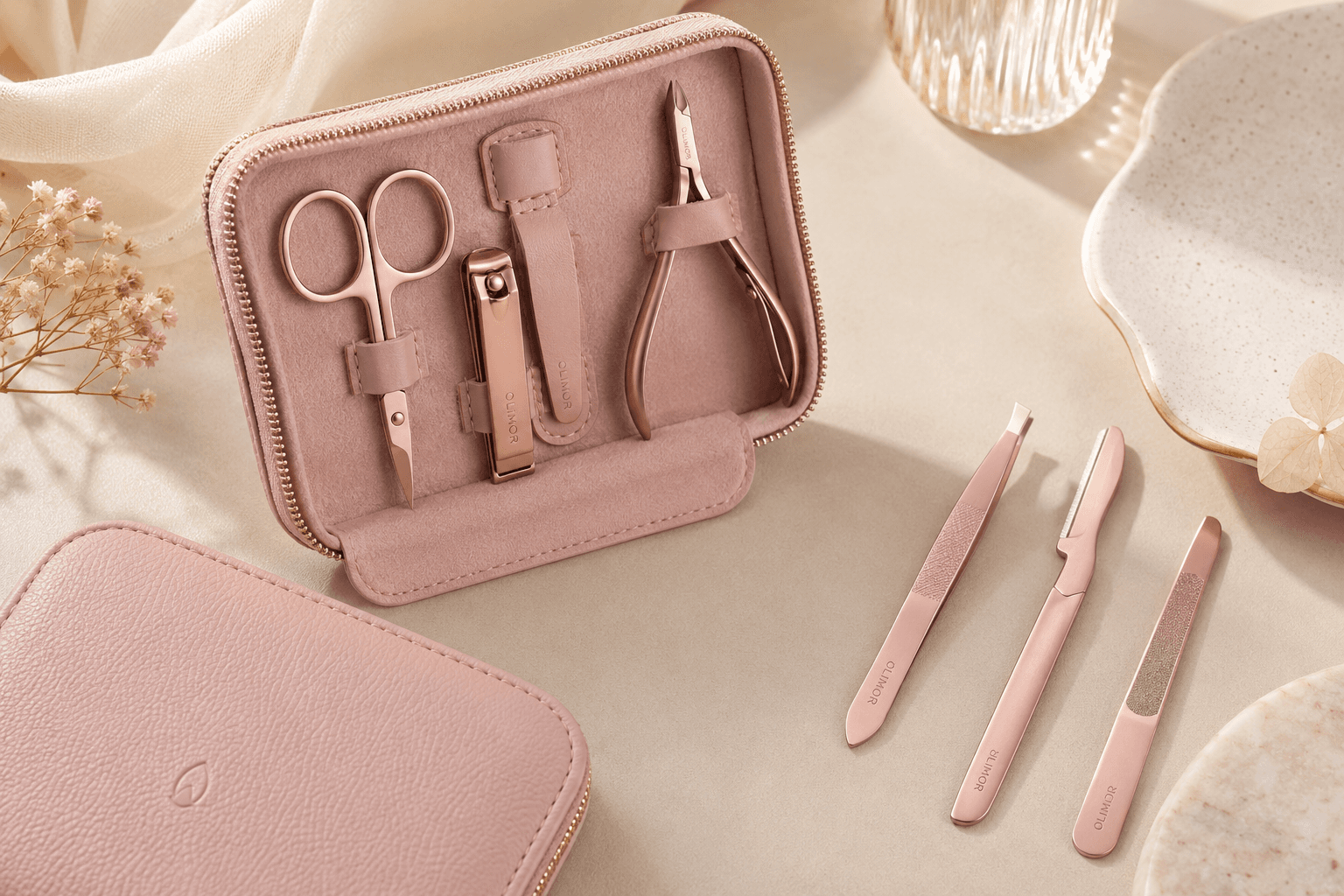
Positioning also matters. A compact 70 mm clipper may be better for travel, gift sets or checkout-counter sales. A larger toenail clipper may need stronger leverage and packaging that communicates its specific use. A metallic finish can suggest a clean, classic grooming tool, while textured grip features may appeal to customers who value control and comfort.
How to Prepare a Clear Inquiry
A good inquiry saves time and reduces misunderstandings. Instead of asking only for the lowest price, prepare a short but complete sourcing brief. Include the intended market, product size preference, packaging type, order plan and any required documents or labeling details. If you are comparing several products, note which features are fixed and which are flexible.
- Define the target user: retail consumer, salon buyer, travel kit supplier, hotel amenity buyer or promotional distributor.
- Choose the product type: fingernail clipper, toenail clipper, compact travel clipper or mixed grooming set.
- Request samples for cutting feel, finish, lever action and packaging review.
- Confirm artwork needs, barcode placement, carton labeling and shipping marks.
- Set inspection expectations for blade alignment, surface defects, assembly and packaging condition.
When you are ready to discuss specifications or compare suitable options, you can send an inquiry with your sourcing brief. If your project needs more guidance before product selection, you can also contact Olimor for support.
Building a More Reliable Nail Clipper Import Program
Importing nail clippers from China works best when buyers treat the product as a precision grooming tool rather than a commodity. The differences that matter are often small: blade contact, lever balance, surface smoothness, packaging fit and consistency from one batch to the next. These factors influence reviews, returns and brand trust.
For a first order, focus on a manageable selection instead of too many variations. Test samples with real users, compare packaging options, and review landed cost rather than only factory price. For repeat orders, keep reference samples and approved packaging files so future production can be checked against a clear standard.
Olimor Beauty works with buyers who need practical beauty and grooming tool sourcing support. Whether you are building a private-label line, adding a nail clipper to an existing personal care range, or comparing China sourcing with other supply options, a structured approach will help you select a product that is affordable, usable and suitable for your market.
Tag: