











How to Source Custom Nail Clippers for Your Business
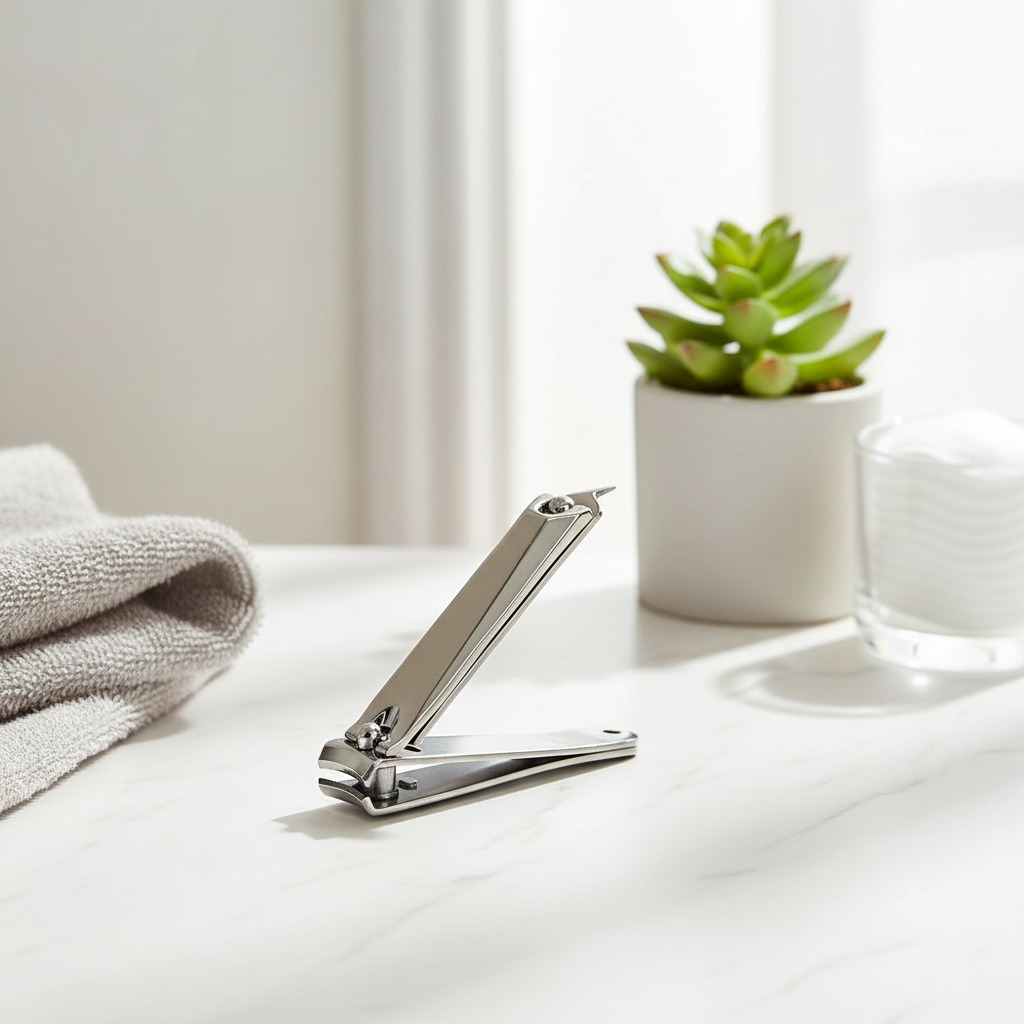
A custom nail clipper for business can serve several commercial goals at once: it can be a retail grooming item, a salon accessory, a distributor product, a hotel amenity, or a branded promotional tool. Because nail clippers are small, practical, and used regularly, buyers often focus on unit price first. Price matters, but it should be evaluated alongside cutting performance, material, finish, packaging, branding method, and consistency across bulk orders.
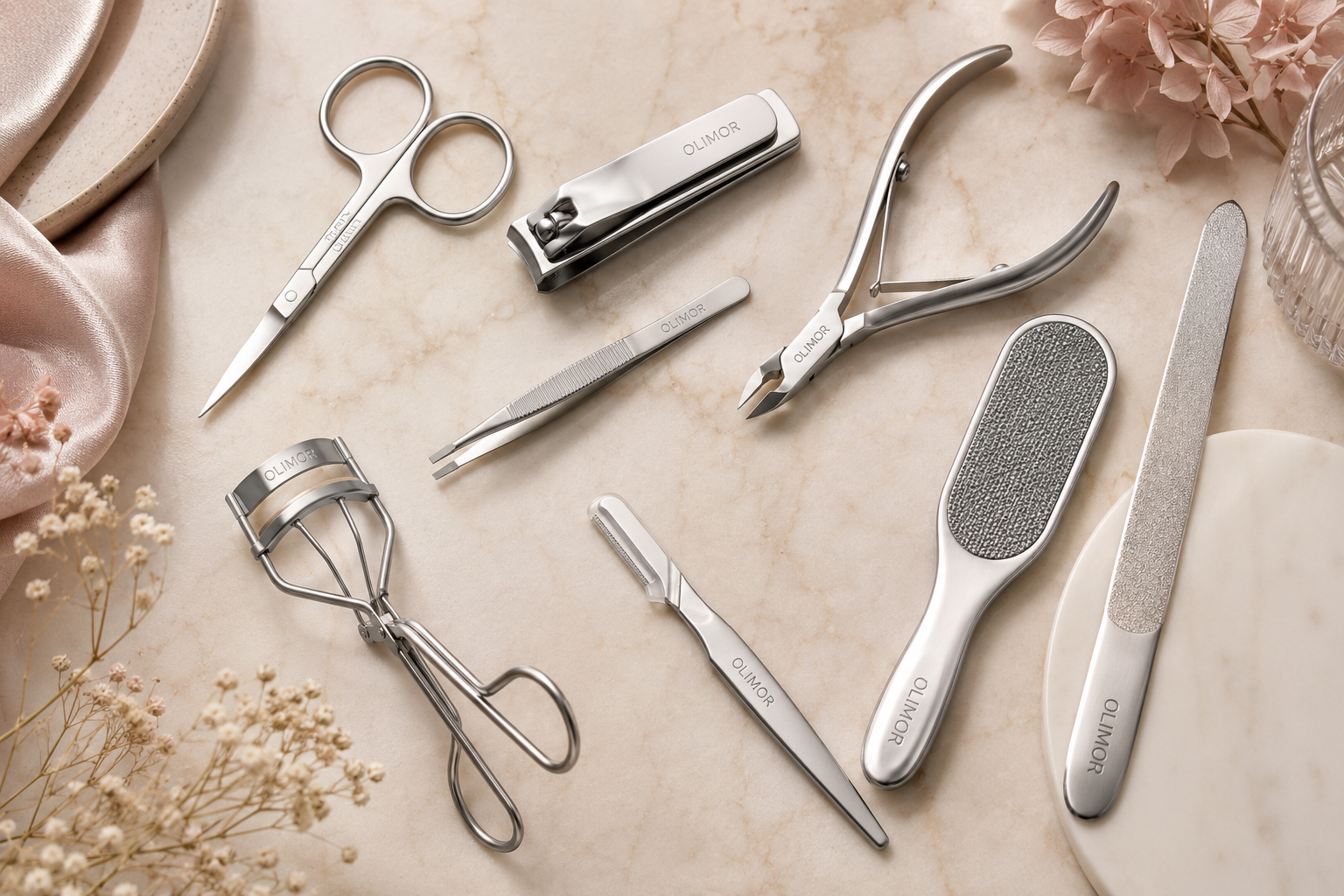
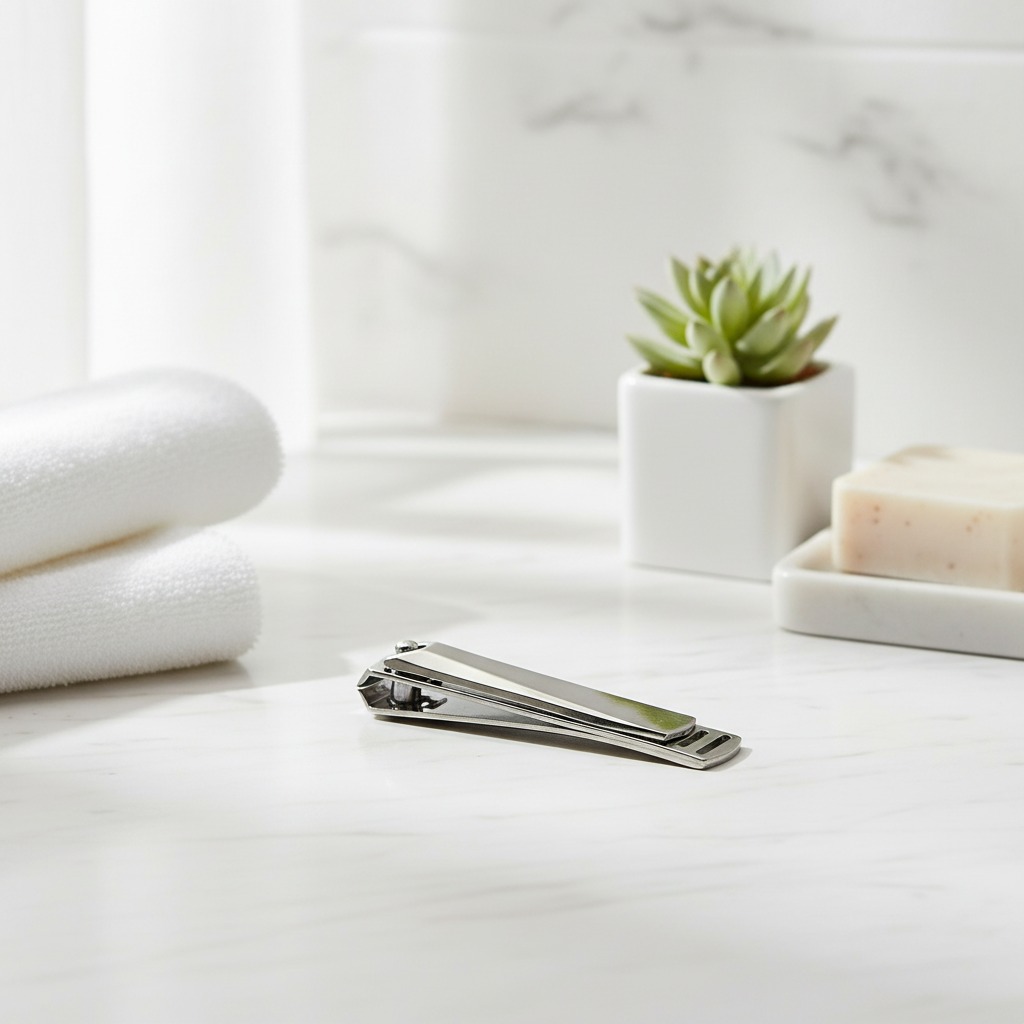
Olimor Beauty supplies beauty and grooming tools for B2B buyers, including nail clippers suitable for custom business use. The nail clipper described here is made with stainless steel construction, has a compact 70 mm length and 15 mm width, and weighs about 30 grams. It is designed with a secure ergonomic grip, sharp curved blades, and a metallic finish. Those details make it relevant for distributors, retailers, salon suppliers, travel kits, and personal grooming sets where both function and presentation matter.
Who Should Consider Custom Nail Clippers?
Custom nail clippers are useful when a business wants a practical item that can carry a logo, match a grooming range, or fit into a bundled kit. Unlike trend-based beauty products, nail clippers are simple, durable, and familiar to a wide audience. That makes them easier to position for different channels without requiring complex education for the end user.
- Distributors: Add a compact grooming tool to a catalog for wholesalers, pharmacies, salons, or general retailers.
- Retail brands: Offer a branded everyday-care item that can sit near manicure, pedicure, travel, or men’s grooming products.
- Salons and spas: Include nail clippers in retail aftercare kits or professional grooming bundles.
- Hospitality and travel buyers: Use compact clippers in toiletry packs, travel kits, or guest-care sets.
- Promotional product buyers: Choose a functional branded item that is more likely to be kept than a disposable giveaway.
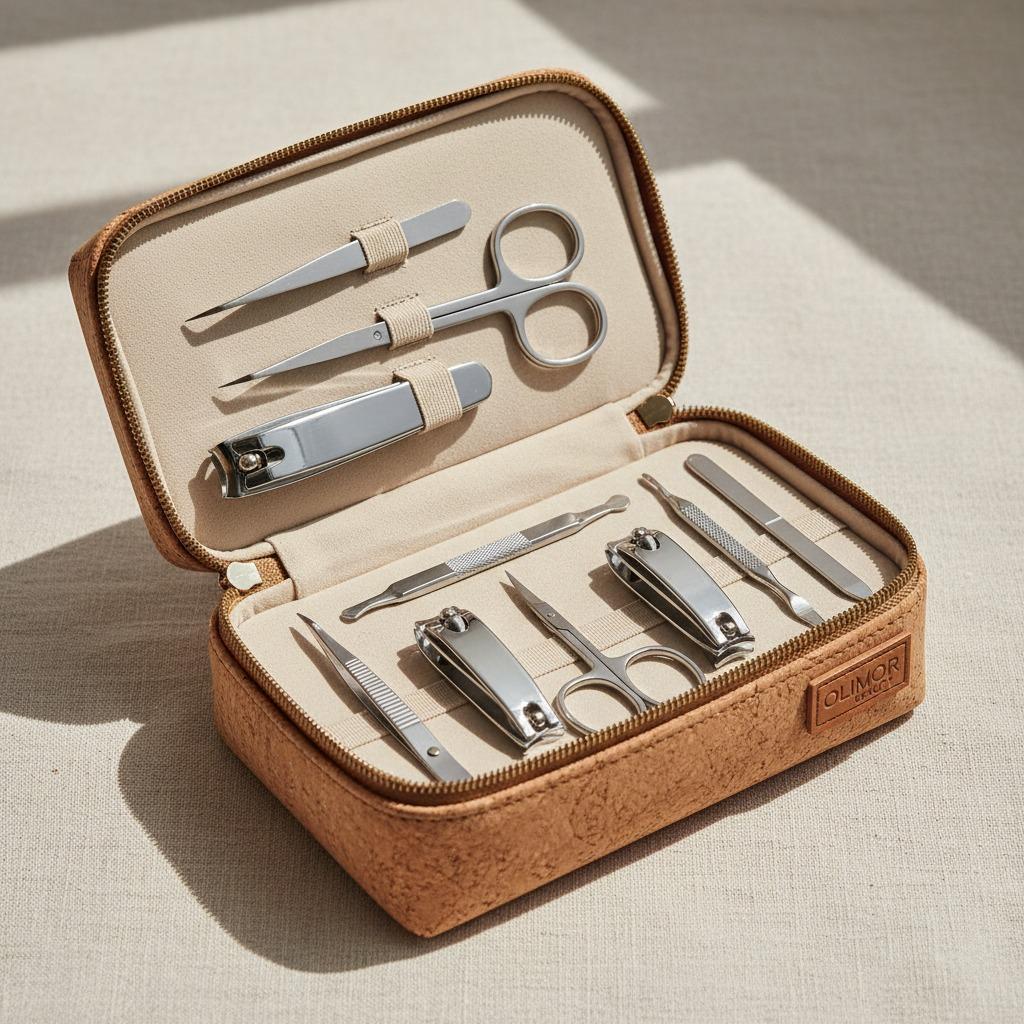
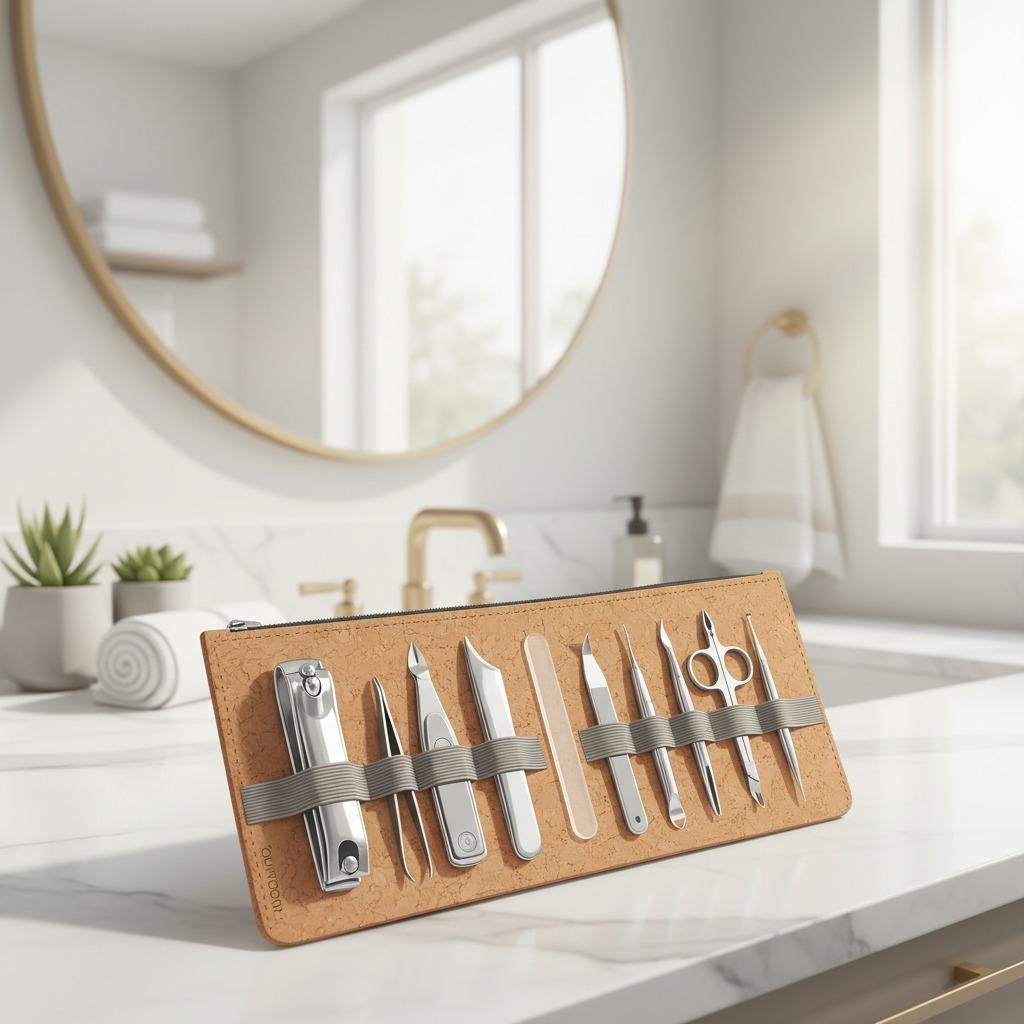
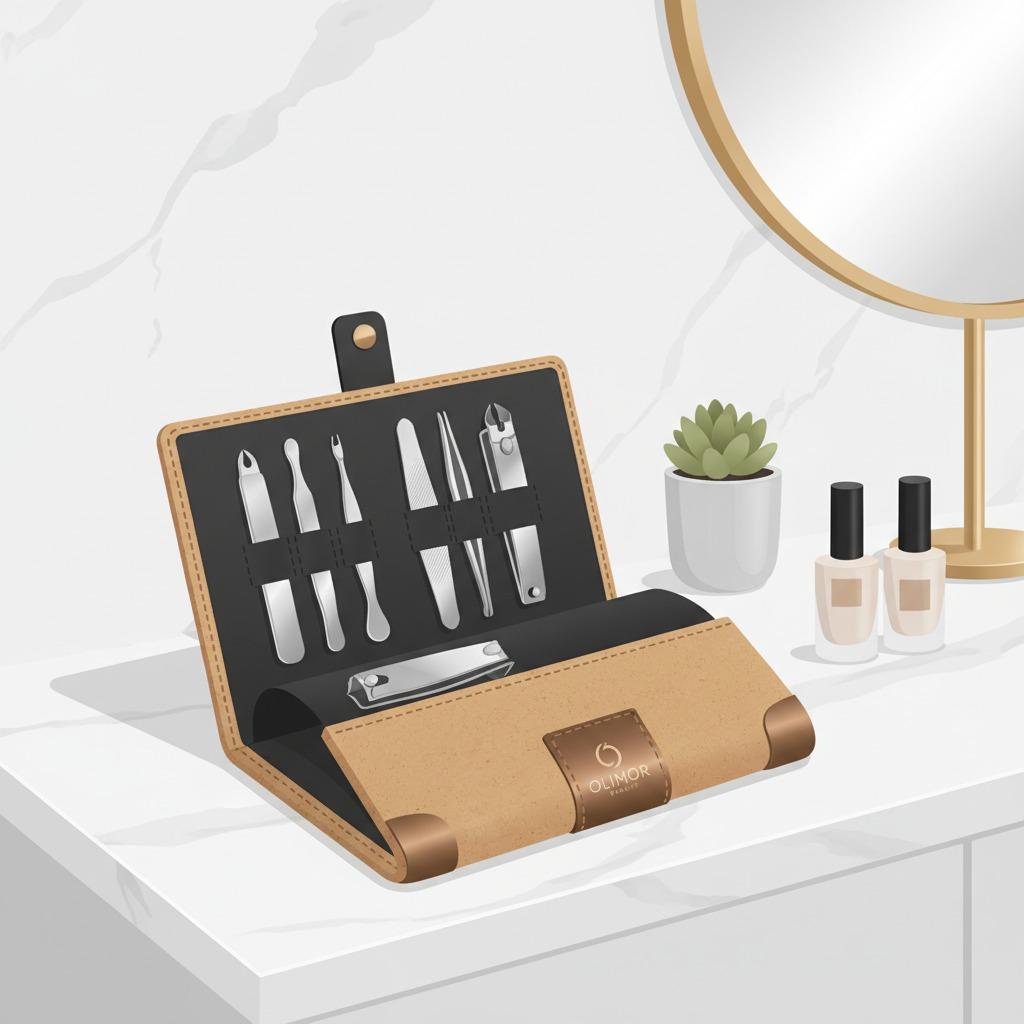
If your business is comparing grooming categories, start by reviewing Olimor’s broader beauty tool products to decide whether nail clippers should be sold alone, packed with other tools, or developed as part of a coordinated personal-care offer.
Core Product Details to Evaluate Before Ordering
For a B2B nail clipper, the buyer’s evaluation should begin with the details that affect user experience. A clipper may look simple, but its usefulness depends on balance, blade geometry, grip comfort, and finishing. The stainless steel construction stated for this product is important because nail clippers are often used in bathrooms, travel bags, and salon environments where tools may be exposed to moisture. Stainless steel also supports a clean metallic appearance that fits retail and promotional presentation.
The 70 mm by 15 mm size is compact enough for travel kits and home storage while still being large enough for a secure hold. At around 30 grams, the clipper has enough weight to feel substantial without becoming bulky. For distributors, those dimensions help when planning cartons, display packaging, and kit layouts. For retailers, they help determine whether the item should be blister packed, boxed, carded, or inserted into a grooming set.
Blade quality is central to repeat purchase and customer satisfaction. The sharp, curved blades are intended to deliver cleaner cuts and help reduce splitting when used properly. A smooth cutting action matters because a clipper that crushes or tears the nail can quickly damage the reputation of the seller, even if the item was inexpensive. The ergonomic grip is also worth noting. Business buyers should test whether the lever feels stable, whether the hand position is comfortable, and whether the user can control the tool without slipping.
Customization Choices That Affect Brand Perception
Customization should be planned around the sales channel. A logo placed on a nail clipper can create recognition, but the overall presentation determines whether the item feels retail-ready, professional, or promotional. A metallic finish can work well for a wide range of brands because it looks clean and does not depend on a seasonal color trend. However, buyers should still think through how the clipper will appear in packaging, photography, and point-of-sale displays.
When preparing a custom nail clipper project, define the branding goal before discussing order details. A salon chain may prefer a discreet logo and premium-looking packaging. A distributor may need neutral branding or flexible packaging options for multiple resale customers. A promotional buyer may prioritize clear logo visibility and compact shipping. These are different outcomes, even when the base product is the same.
| Buyer Type | Best-Fit Use | Key Decision Point |
|---|---|---|
| Distributor | Wholesale grooming catalog | Consistent quality across bulk orders |
| Retail brand | Single item or grooming set | Packaging, finish, and shelf presentation |
| Salon or spa | Aftercare or retail counter item | Comfort, cutting performance, and hygiene impression |
| Promotional buyer | Branded practical giveaway | Logo visibility and perceived usefulness |
How to Think About Bulk Nail Clipper Pricing
Bulk nail clipper price should never be judged by the lowest quote alone. A cheaper clipper that feels unstable, cuts poorly, or arrives with inconsistent finishing can create returns, complaints, or repacking work. Instead, compare quotes using a complete cost view. Include the product, customization, packaging, inspection expectations, freight planning, and any rework risk. A slightly higher unit cost may be more efficient if the order is easier to sell and more consistent when received.
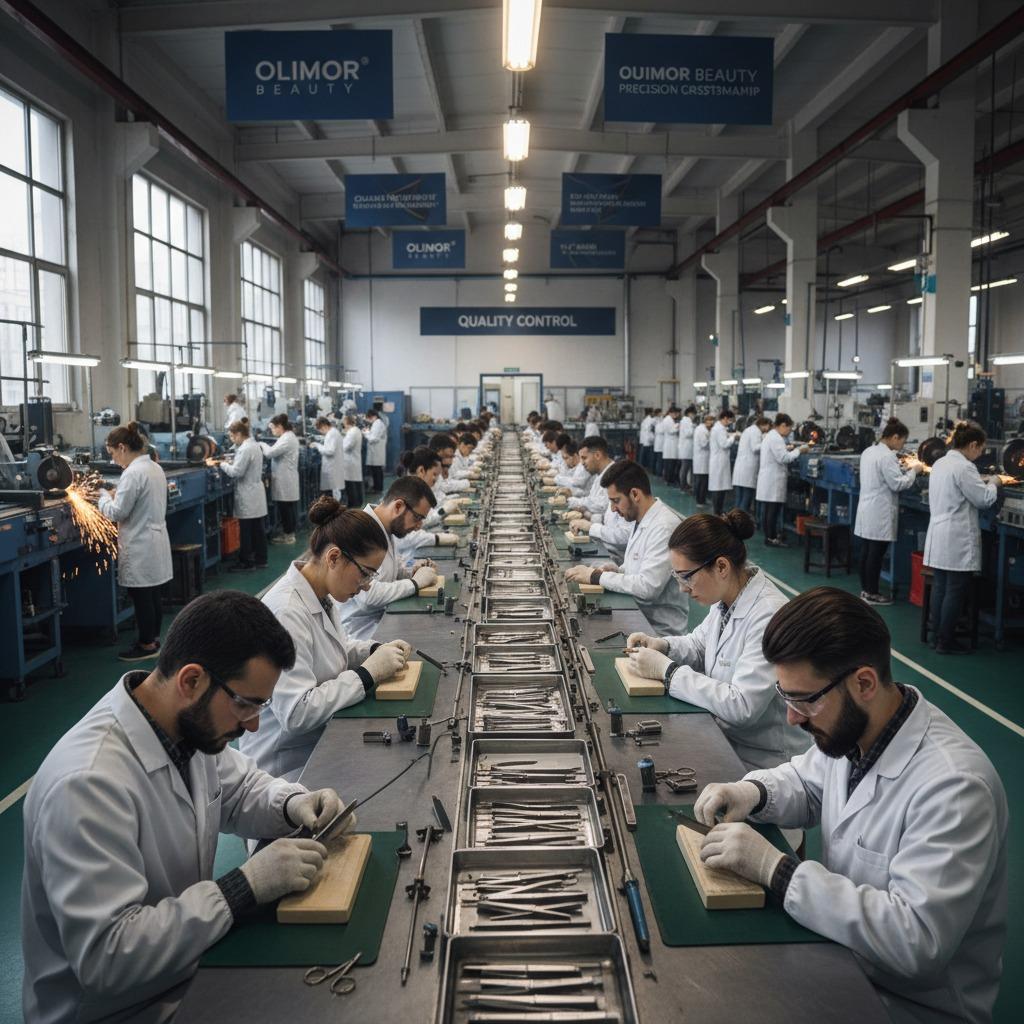
Olimor Beauty’s positioning for B2B buyers includes cost-effective sourcing for large orders and strict internal quality control from raw materials to final packaging. For your own purchasing process, build a simple comparison sheet and use the same criteria for every supplier. This prevents your team from choosing based only on a headline unit price.
- Confirm the product specification: size, weight, material, finish, blade shape, and grip feel.
- Check branding needs: logo position, logo size, artwork format, and visual contrast on the metallic surface.
- Define packaging: individual retail packaging, bulk packing, kit insertion, barcode needs, or display requirements.
- Review quality expectations: cutting action, surface finish, lever movement, cleanliness, and packaging consistency.
- Compare total landed value: not only unit cost, but also readiness for resale, packing efficiency, and customer acceptance.
Quality Checks for Distributors and Retail Buyers
Before committing to a bulk nail clipper order, request or prepare a structured sample review. A good sample check does not need to be complicated, but it should be consistent. Evaluate the clipper by holding it in normal use positions, checking the lever movement, inspecting the blade alignment, and testing the cutting feel on appropriate nail-testing material. The tool should open and close smoothly, the edges should appear clean, and the finish should support the brand image you want to present.
For distributors, consistency is especially important. Your customers may reorder months later and expect the same feel and appearance. That means quality control should consider not only a single sample but also the ability to keep production aligned with approved expectations. Olimor Beauty notes internal checks from raw materials through final packaging, which is relevant for buyers who need dependable batches for resale.
Packaging inspection also matters. A well-made clipper can lose value if the package is scratched, poorly sealed, or visually inconsistent. If the item will be sold online, consider how the clipper and packaging will look in product photos. If it will be placed in a physical store, consider peg holes, display stability, labeling space, and whether the compact 70 mm size is easy for shoppers to understand at a glance.
Order Planning: From Sample to Repeat Purchase
A custom order should move through clear stages. Start with the intended sales channel, then confirm the base clipper, customization, packaging, and inspection criteria. Once a sample is approved, keep a record of the agreed details so your team has a reference for future orders. This is particularly useful for distributors managing several customers or retail brands building a grooming range over time.
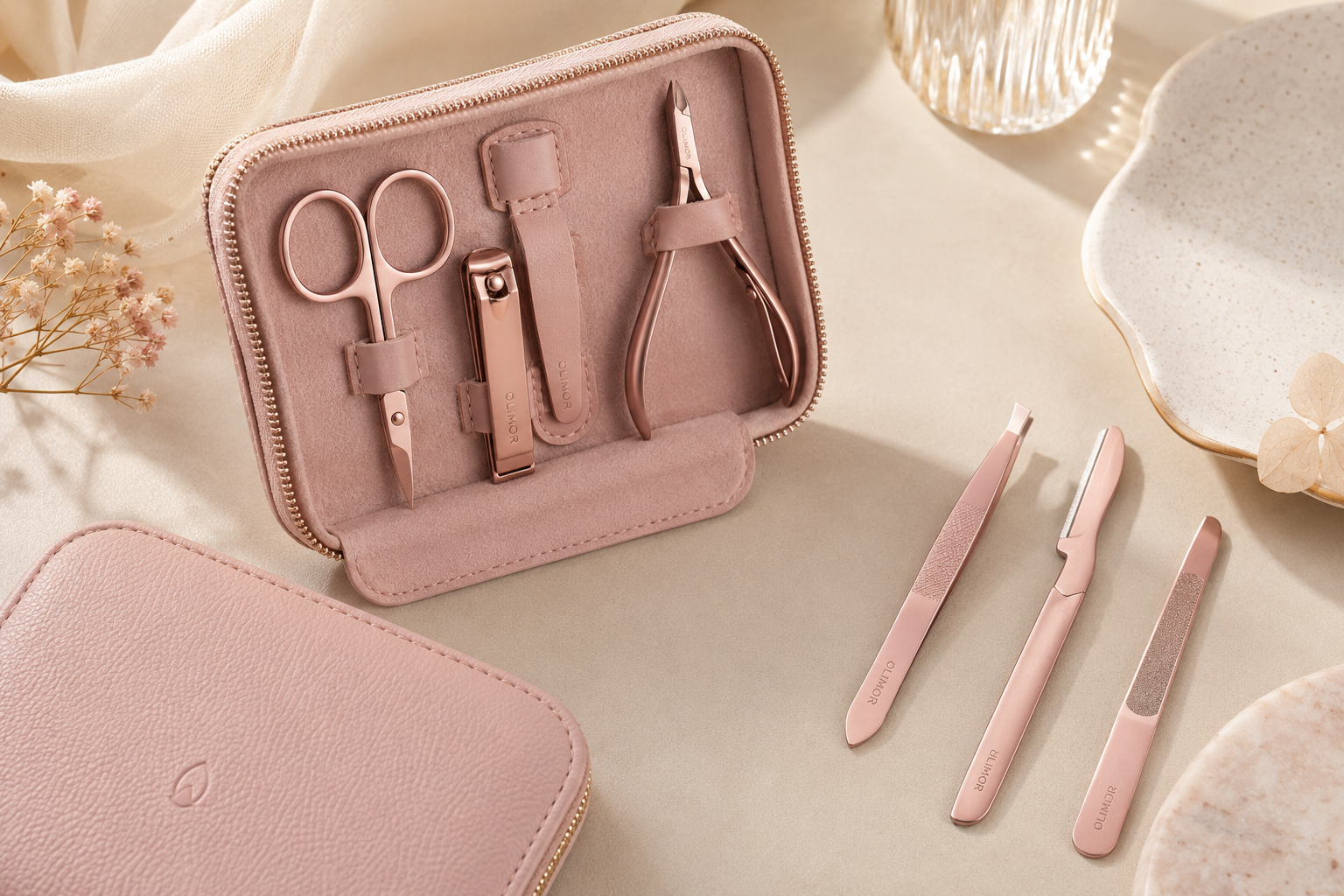
For buyers building a broader assortment, nail clippers can be paired with related grooming tools, manicure items, or travel accessories. Explore Olimor product collections if you want to plan a more complete personal-care lineup rather than purchasing one item in isolation. A coordinated range can make packaging, merchandising, and repeat orders easier to manage.
If you are ready to discuss a custom nail clipper for business use, prepare your logo artwork, target channel, estimated order plan, preferred packaging direction, and any retail labeling requirements. You can send an inquiry with these details or contact Olimor for guidance on the next sourcing step. Clear information at the beginning helps align the product, branding, and commercial expectations before bulk production decisions are made.
Practical Takeaway for B2B Buyers
The right nail clipper for distributors, retailers, salons, or promotional programs should be compact, comfortable, consistent, and suitable for branding. For this Olimor Beauty nail clipper, the stainless steel construction, 70 mm by 15 mm compact size, 30 gram weight, ergonomic grip, curved sharp blades, and metallic finish provide a useful starting point for business buyers. The strongest sourcing decisions come from connecting those product details to your actual channel: how the item will be packaged, sold, stored, displayed, and reordered.
By evaluating quality, customization, packaging, and total order value together, your business can choose a custom nail clipper that is practical for end users and commercially sensible for bulk purchasing.