Benefits of Antimicrobial Nail Clippers for Hygienic Grooming
Clean nail care depends on more than a sharp cutting edge. A nail clipper is a small tool, but it touches the free edge of the nail, surrounding skin, and sometimes different users in a household, salon, hotel kit, or retail grooming set. That makes hygiene an important buying factor. Antimicrobial nail clippers are designed for users and buyers who want a practical tool that supports cleaner handling while still delivering a precise trim.
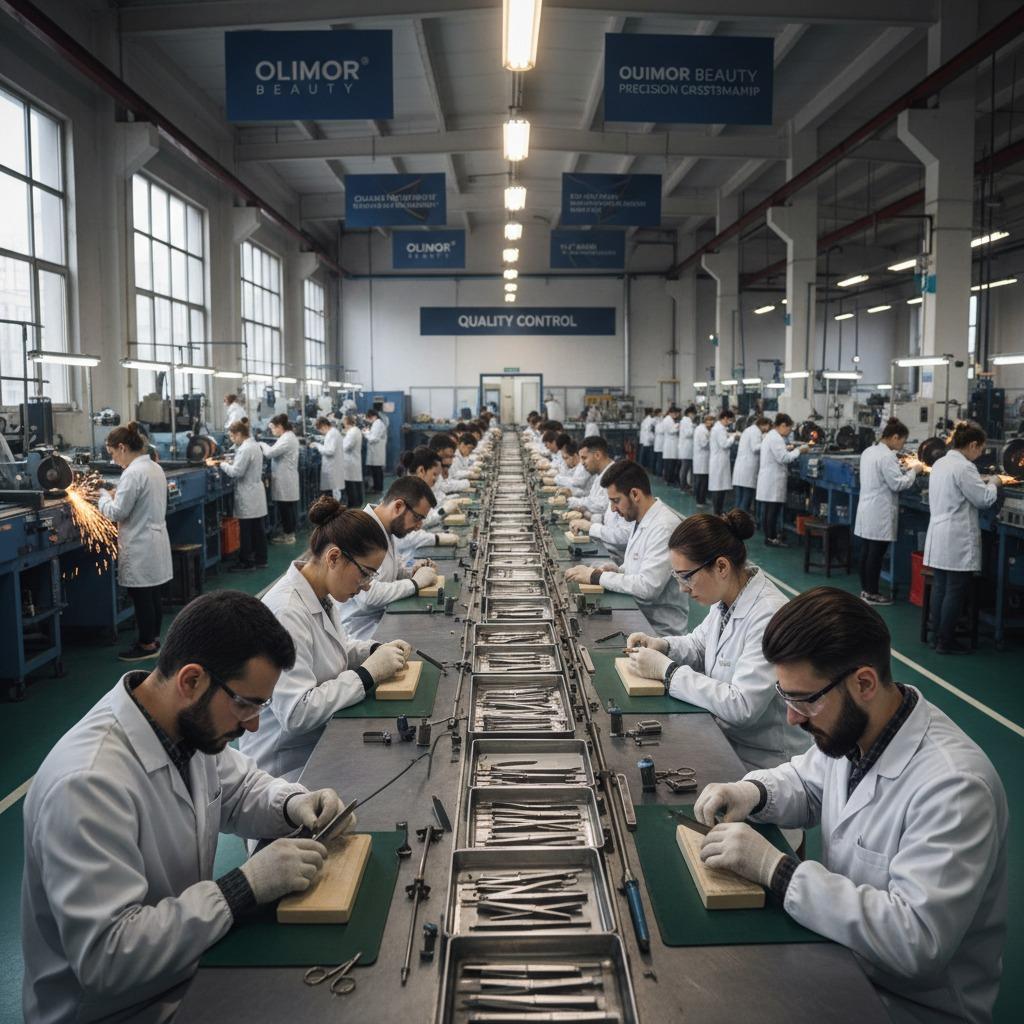
Olimor Beauty offers hygienic nail clippers with antimicrobial finishing, stainless steel construction, ergonomic design, and quality checks from raw materials to final packaging. For procurement teams, distributors, salon buyers, and personal care brands, the value is not only in the finish itself. It is also in choosing a clipper that feels reliable, cuts cleanly, is easy to clean, and fits the intended usage environment.
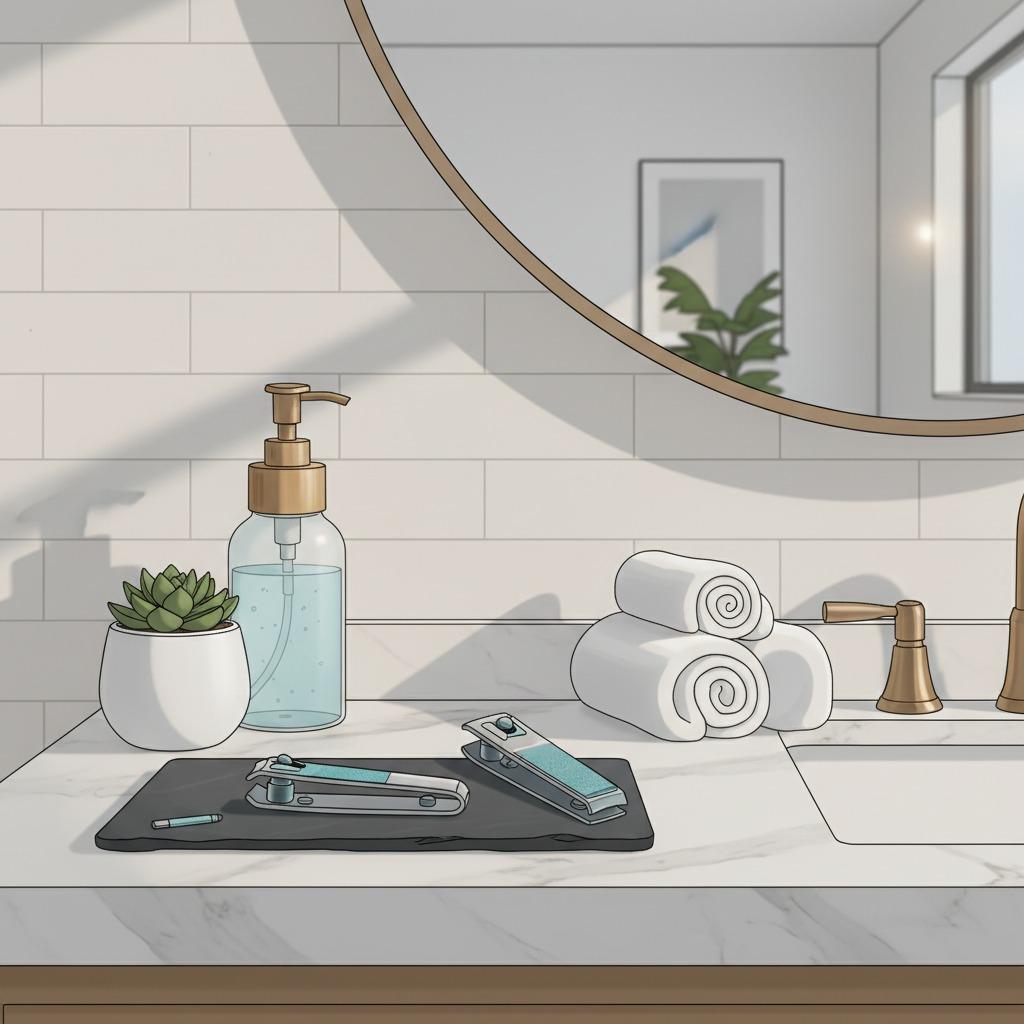
Why Nail Clipper Hygiene Matters
Nails can collect debris from daily activity, cosmetics, skincare products, and outdoor contact. Even when hands are washed regularly, a grooming tool can still pick up residue if it is stored loosely in a drawer, shared between people, or packed in a travel pouch. A clipper that is difficult to clean or made with poor surface finishing can hold moisture and buildup in hard-to-reach areas.
Antimicrobial finishing is useful because it is intended to help limit microbial growth on the treated surface of the tool. It should be viewed as one part of a hygiene system, not as a replacement for routine cleaning. The best results come from combining the right tool with simple habits: cleaning after use, drying fully, storing separately from damp items, and avoiding sharing clippers when there is a nail or skin concern.
This is especially relevant for buyers building grooming kits for travel, family use, beauty retail, hospitality, or salon environments. A low-quality clipper can create rough cuts and encourage users to apply extra force, which may lead to accidental nicks. A better-designed clipper supports cleaner, more controlled trimming and is easier to keep in good condition.
What Antimicrobial Finishing Adds to a Nail Clipper
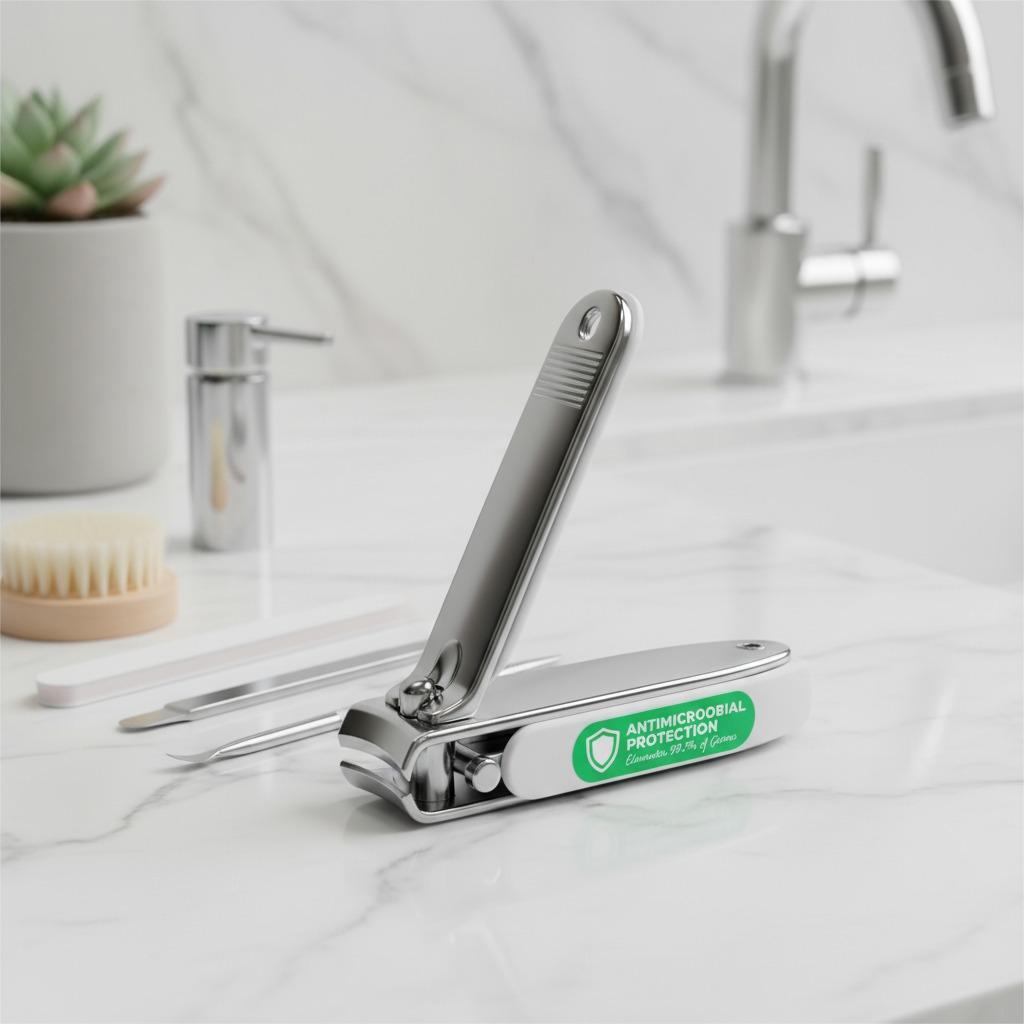
A standard nail clipper trims the nail. A hygienic nail clipper should trim well while also supporting cleaner handling between uses. The antimicrobial finishing used on Olimor Beauty nail clippers is intended to provide added protection against bacteria and fungi that can exist on everyday grooming tools. This does not mean the tool becomes self-cleaning or sterile. It means the finish is a useful extra layer for buyers who prioritize hygiene in personal care tools.
For product selection, the most important question is whether the antimicrobial feature is integrated into a clipper that already performs well. A hygiene-focused finish cannot compensate for weak leverage, dull cutting edges, poor alignment, or uncomfortable handling. When comparing options in beauty tool products, consider the complete tool: material, cutting performance, edge finish, handle feel, packaging, and cleaning convenience.
Antimicrobial clippers are particularly practical in these situations:
- Home grooming kits: A cleaner option for routine trimming when tools are stored in bathrooms or shared storage spaces.
- Travel toiletry sets: A compact tool that may be packed near other personal items and used in changing environments.
- Salon or professional retail: A hygiene-forward feature that can be explained clearly to customers without relying on exaggerated claims.
- Hotel and amenity programs: A useful addition to personal care kits where perceived cleanliness and dependable function matter.
- Brand assortments: A relevant product for buyers developing nail care sets, manicure kits, or wellness-oriented grooming lines.
Stainless Steel, Cutting Control, and Comfort
Stainless steel is a practical material choice for nail clippers because it can support strength, durability, and easier cleaning. For nail care tools, surface quality matters. Smooth metal areas are easier to wipe down, and a well-finished clipper feels more comfortable in the hand. The original material and finish decisions affect both the user experience and long-term appearance of the product.
Cutting control is another key factor. A nail clipper should close evenly, bite into the nail cleanly, and leave an edge that can be lightly smoothed with a file if needed. Poorly aligned cutting jaws may bend the nail before cutting it, which can create jagged edges. A sharp, stable clipper reduces the need for repeated cuts in the same spot.
Ergonomic design is also important, especially for users who trim thicker toenails, prefer careful shaping, or have reduced grip strength. A comfortable lever and balanced body make it easier to apply pressure gradually. This improves precision and reduces slipping. When a tool feels controlled, users are less likely to rush or cut too close to the skin.
How to Choose Antimicrobial Nail Clippers for a Product Line
If you are sourcing hygienic nail clippers for resale, private label planning, promotional kits, or retail assortments, evaluate the product as both a grooming tool and a hygiene-sensitive item. The following checklist can help organize the selection process without relying only on photos or general claims.
| Selection factor | Why it matters | What to review |
|---|---|---|
| Cutting alignment | Controls trim quality and reduces jagged edges | Jaw closure, cutting edge consistency, and leverage feel |
| Material and finish | Affects durability, cleaning, and appearance | Stainless steel construction, smooth surfaces, and coating quality |
| Antimicrobial feature | Supports hygiene-focused positioning | How the finish is applied and how the benefit is described for customers |
| Handling comfort | Improves control for fingernails and toenails | Lever shape, grip area, pressure required, and hand feel |
| Packaging readiness | Influences retail display, protection, and user instructions | Package structure, cleaning guidance, labeling space, and presentation |
Buyers comparing multiple product collections should also think about where the clipper will sit in the assortment. A hygiene-led nail clipper can be positioned with manicure tools, travel grooming accessories, personal care gift sets, or everyday bathroom essentials. The best choice depends on the customer: a salon buyer may focus on cleaning and repeated handling, while a retail buyer may focus on product explanation, packaging, and shelf appeal.
Best Practices for Cleaning and Storage
Antimicrobial finishing is valuable, but routine care is still essential. Nail clippers are simple tools, and good maintenance helps protect cutting performance and surface appearance. Clear care guidance also reduces misuse and improves customer satisfaction after purchase.
- Remove visible residue after each use. Brush away nail pieces and wipe the cutting area with a clean, dry cloth.
- Clean when needed. If the clipper contacts buildup, cosmetics, or skin oils, wipe it with an appropriate cleaning method for the product finish and dry it fully.
- Avoid damp storage. Do not leave clippers on wet sinks, inside humid shower areas, or in closed pouches while still damp.
- Store separately. Keep the clipper in a case, pouch, or dedicated grooming compartment so the cutting edge does not rub against other metal tools.
- Inspect the edge. Replace the clipper if the jaws become misaligned, dull, damaged, or difficult to close smoothly.
For households, it is sensible to assign personal clippers to individual users where possible. For professional environments, tool hygiene procedures should follow the standards required for that setting. Antimicrobial finishing can support cleaner surfaces, but it does not replace professional sanitation protocols.
When Antimicrobial Nail Clippers Are the Right Choice
Antimicrobial nail clippers are a strong fit when hygiene is part of the buying decision and the product still needs to feel familiar, durable, and easy to use. They are not complicated tools, which is part of their appeal. The user understands the function immediately, while the antimicrobial feature adds a meaningful hygiene-oriented benefit.
For individual users, the main advantages are cleaner handling, controlled trimming, and confidence that the tool is designed with hygiene in mind. For business buyers, the advantages include clearer product differentiation, practical customer education, and alignment with growing interest in cleaner personal care accessories. The key is to communicate the feature responsibly: antimicrobial finishing helps support hygiene, while regular cleaning and dry storage remain necessary.
Olimor Beauty focuses on beauty tools that combine practical design with consistent quality checks, including attention from raw materials through final packaging. If you are building a nail care assortment or evaluating hygienic grooming tools for your market, you can send an inquiry with your product requirements or contact Olimor to discuss suitable options.
A Better Standard for Everyday Nail Care
A nail clipper is used close to the skin, often kept for a long time, and expected to work without frustration. Those reasons make hygiene, material, and cutting quality worth evaluating carefully. Antimicrobial nail clippers offer a practical upgrade for everyday grooming because they combine a familiar tool with a hygiene-focused surface benefit.
When selecting a clipper, look beyond broad claims. Choose stainless steel construction, clean cutting action, comfortable leverage, thoughtful finishing, and care instructions that users can actually follow. With the right product and proper maintenance, antimicrobial nail clippers can support a cleaner, more reliable grooming routine for home users, travelers, salons, and retail customers alike.
Tag: