
Lash Tweezers Wholesale: Tip Alignment and Reorder QC
Wholesale lash tweezers should be approved for a defined gripping task, not by silhouette alone. Tip meeting, tension, symmetry, finish and protective packing must be reviewed on physical samples from the quoted configuration.
Record what the buyer tested and avoid unsupported claims such as perfect grip, universal use or assured fatigue reduction. The useful evidence is a repeatable inspection method tied to a model code and retained approval reference.
Choose the Tip Profile by Task
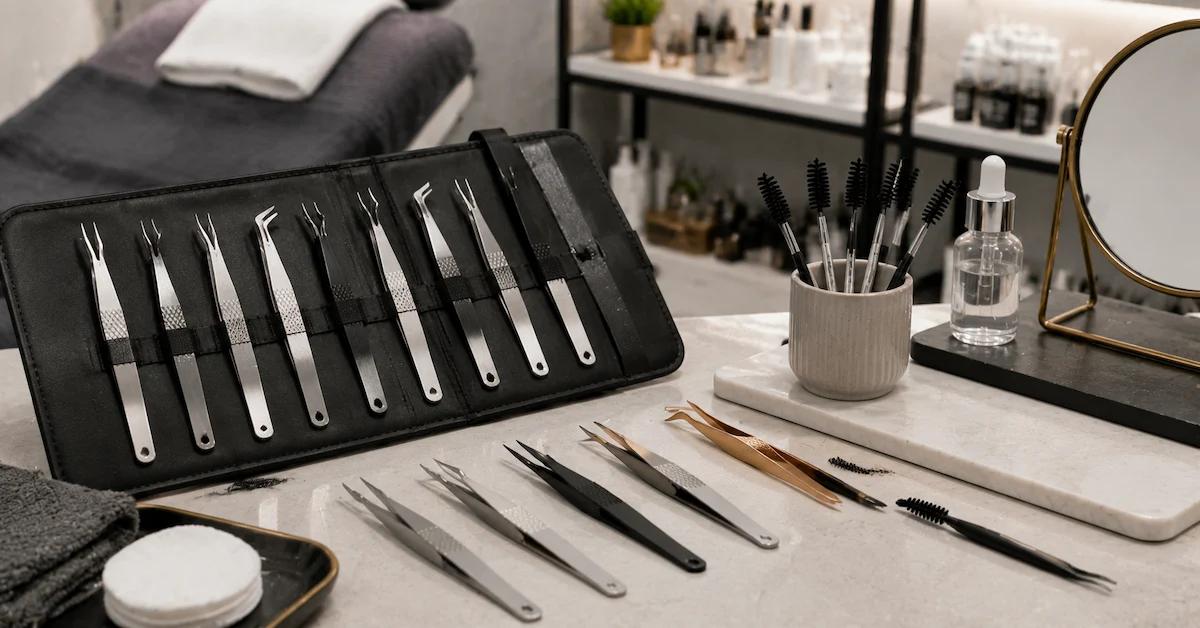
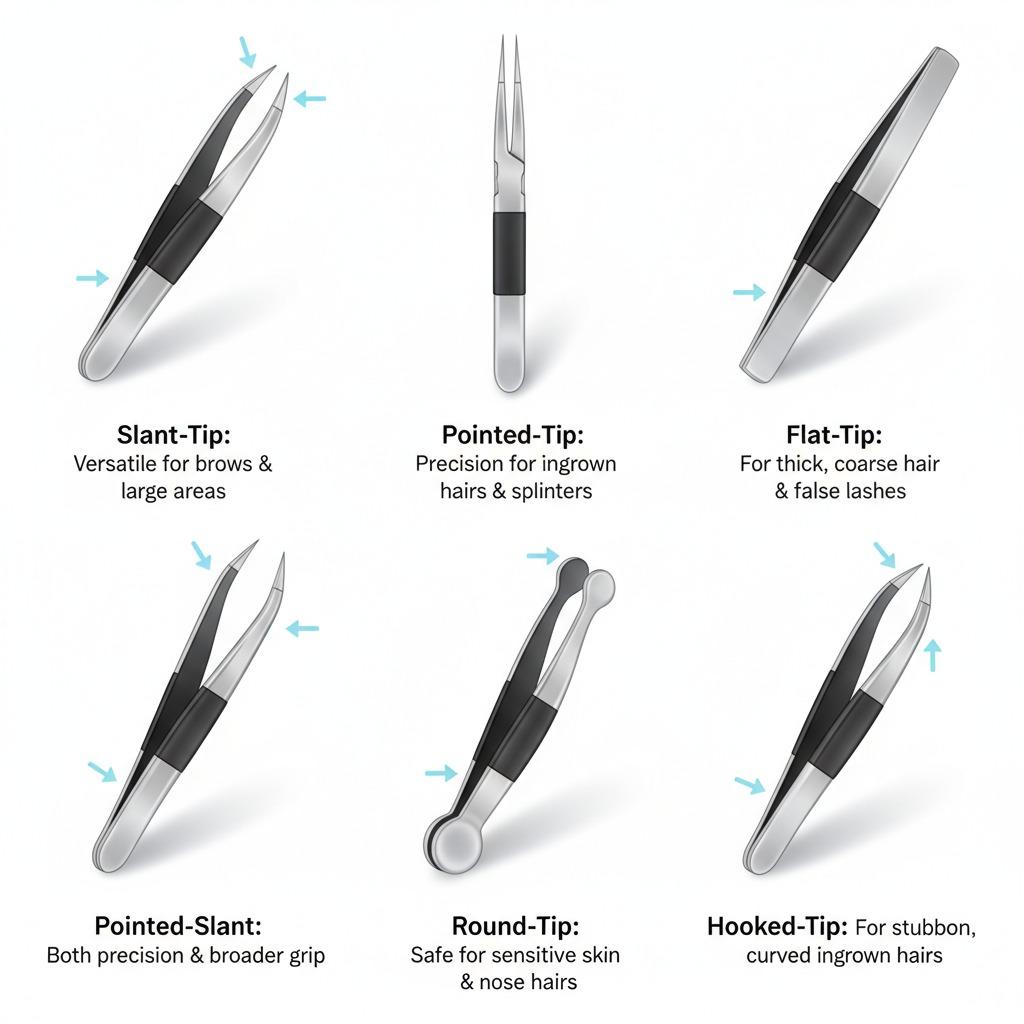
State whether the model is intended for isolation, pickup, volume work or another defined handling task. Compare straight, angled or curved profiles only against that use. A familiar shape is not proof that the contact area, closing behavior or hand position will suit every technique.
Record overall length, tip form, contact area direction and any orientation needed for packing. When left- and right-oriented versions exist, give them distinct item codes so the correct model can be quoted and replenished.
Inspect Tip Meeting Under Consistent Conditions
Clean the viewing area, use the same light and examine several samples. Close each tool gradually and observe where the tips first meet, whether the contact remains stable and whether visible twist or offset appears. Do not force a tool closed to hide poor meeting.
| Review point | Observable check | Buyer record |
|---|---|---|
| Tip condition | Visible damage, rough points and symmetry | Close photographs |
| Meeting pattern | First contact and stability under normal pressure | Defined handling note |
| Tension | Consistency through closing and release | Comparison across samples |
| Body | Twist, unintended flex and finish condition | Approved visual reference |
Review Tension Without Inventing a Number
A buyer can compare closing force and release behavior without publishing an unverified numerical specification. Use the same grip position and movement on each sample. Note excessive resistance, uneven travel, delayed return or a difference between tools from the same group.
If a measured force becomes a purchase requirement, define the method, equipment, contact point and permitted range with the supplier before production. A number without a shared method cannot protect a reorder.
Control Finish, Logo and Working Ends
Approve finish color and appearance on the actual geometry because curves and edges can change the visual result. Inspect decoration placement, legibility and clearance from the working tip. Confirm whether any surface treatment changes the feel or requires additional handling care; do not assume a process from color alone.
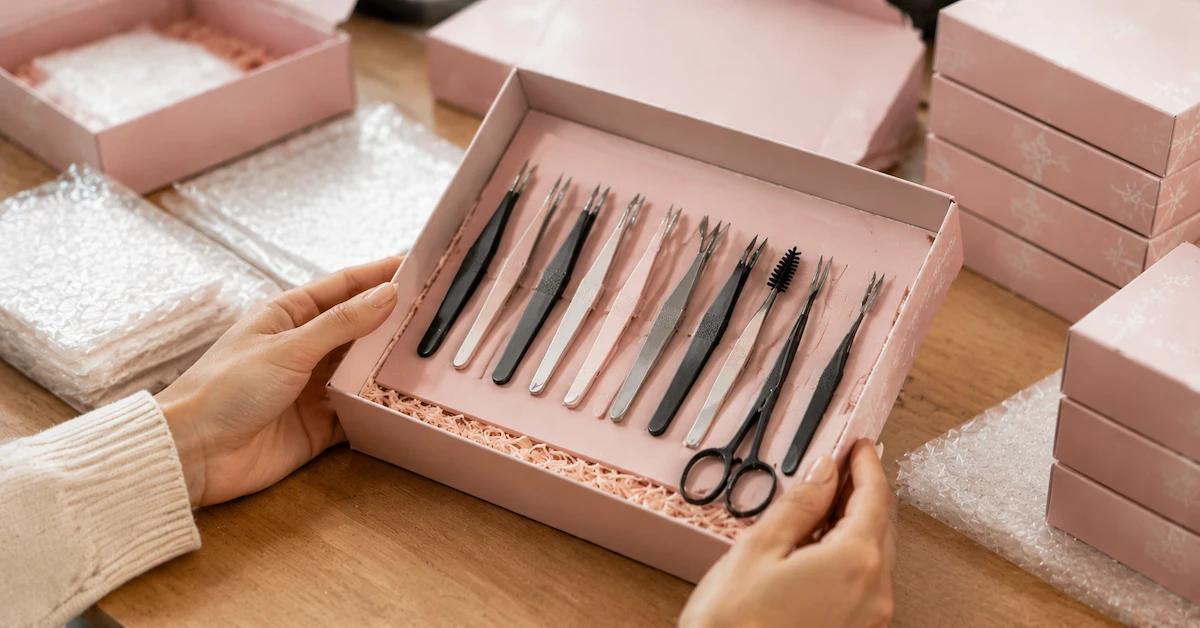
Protect the tips during storage and shipment. A sleeve, cap, tray or rigid pack should prevent working ends from contacting other tools or the carton. Review the packed sample after normal handling and confirm that removal does not bend or scrape the tips.
Write a Wholesale Inspection Plan
Define the sample selection, identity check, tip inspection, tension comparison, finish review and pack verification before production release. Use objective defects such as wrong model, visible tip damage, severe offset, missing decoration or unprotected working ends. Keep subjective preferences separate from release criteria.
At receiving, verify carton and unit labels before opening representative packs. Compare the current lot with the dated approved sample and artwork. Record differences by model and issue type so corrective action is traceable.
Prevent Reorder Drift
Require notice before changes to body geometry, tip profile, material statement, finish, tension-setting process, logo or package. Decide whether the change affects function, appearance or protection and resample accordingly. A reorder should reference the same model and approval revision, not a generic tweezer description.
Use the Olimor tweezer range to compare available formats. The separate lash extension tweezer selection guide helps assign roles before a wholesale inspection plan is written.
Buyer FAQ
Can a tip be approved from a product photo?
No. A photo can show general geometry, but it cannot confirm gradual closing, meeting stability, tension or release behavior.
Should every tweezer in a lot feel identical?
The buyer should define acceptable consistency using an agreed method. Compare several samples and escalate meaningful differences rather than relying on a vague feel claim.
Does stainless steel identify the exact material grade?
No. Treat the grade as unconfirmed until model-specific current documentation supports it.
Send the Wholesale Tweezer Brief
Provide the task, tip profile, quantity, finish, logo, package, destination and inspection method. Then send Olimor the lash tweezer sourcing brief so confirmed model details and open evidence requests are clearly separated.
Tag: