Specialized Nail Clippers for Thick Nails and Precise Grooming
Specialized nail clippers are designed for situations where a basic household clipper is not enough: thicker toenails, careful edge shaping, salon use, or routine grooming that requires better control. For buyers comparing nail clippers, the key questions are not only whether the tool cuts, but whether it cuts cleanly, feels stable in the hand, and can be maintained hygienically over repeated use.
Olimor Beauty focuses on beauty tools for users who care about practical performance, from everyday grooming to professional nail care environments. A well-selected clipper can reduce splitting, prevent uneven trimming, and make nail maintenance more predictable. This guide explains how to evaluate specialized nail clippers, what features matter for thick or hard nails, and how retailers, salons, and distributors can make better sourcing decisions.
What Makes a Nail Clipper “Specialized”?
A specialized nail clipper is built for a defined cutting task rather than general use alone. Standard compact clippers are convenient for quick fingernail trimming, but they may struggle with thicker toenails or require repeated pressure that increases discomfort. Specialized clippers usually emphasize leverage, blade alignment, grip security, and material durability.
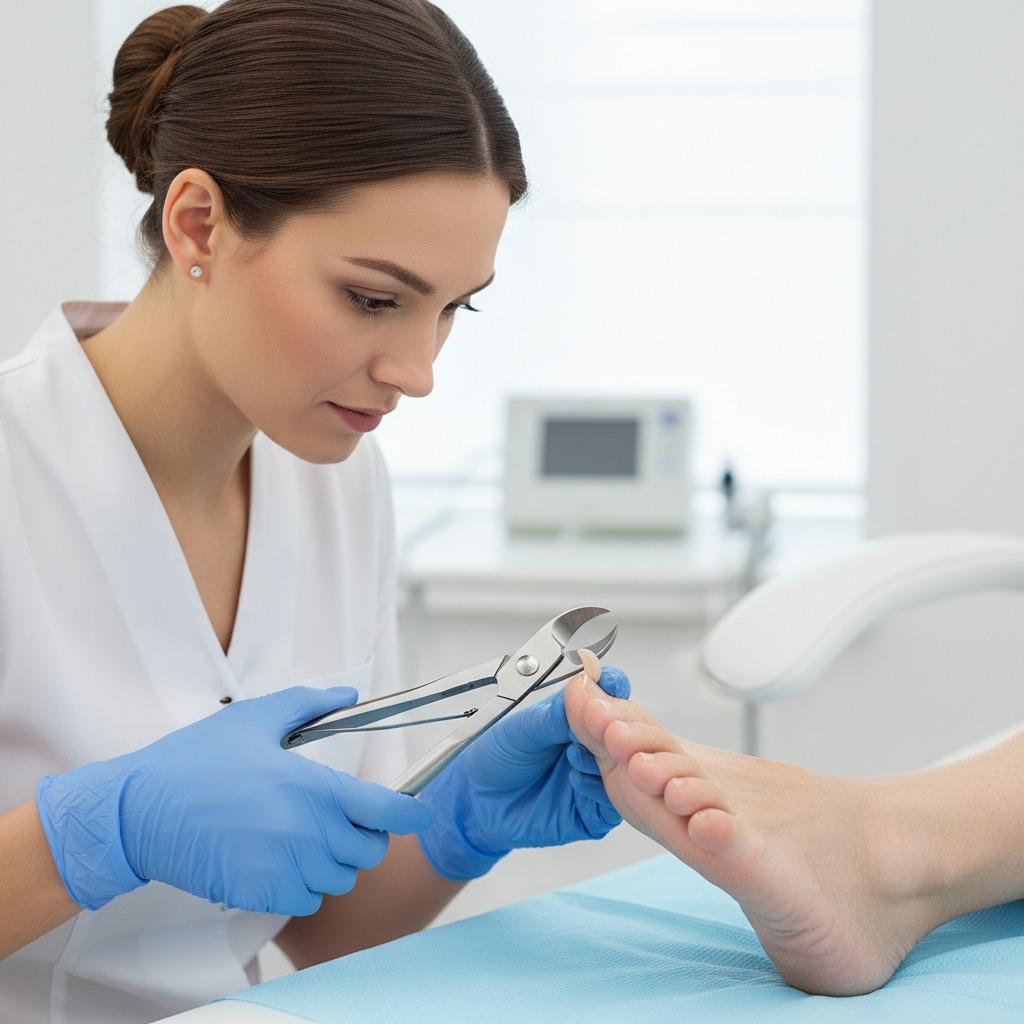
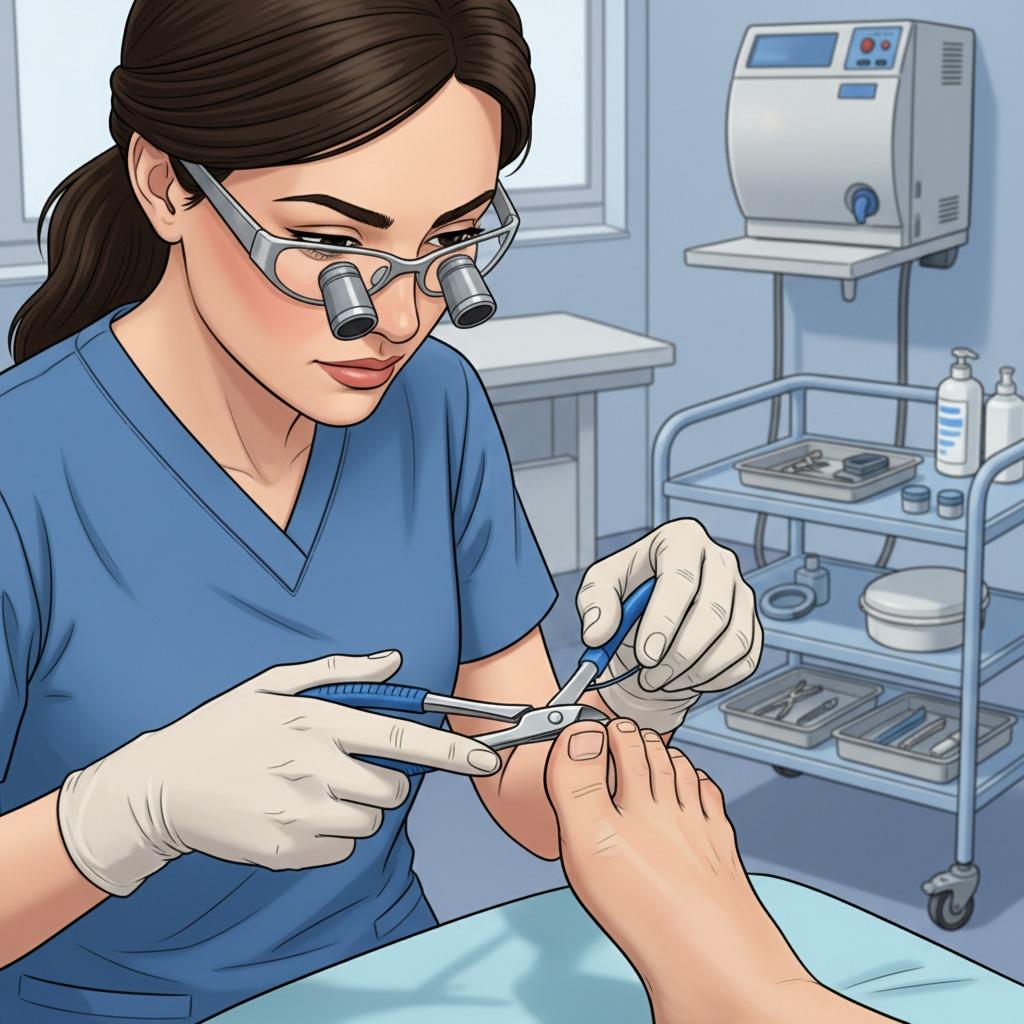
In nail care, precision does not mean making a nail extremely short. It means removing nail length in a controlled way while leaving an edge that can be filed smooth. A professional nail clipper should close evenly, cut without twisting the nail plate, and allow the user to see the cutting area clearly. For podiatry-style foot care or salon pedicure work, this control is especially important because toenails are often harder, more curved, or more difficult to access than fingernails.
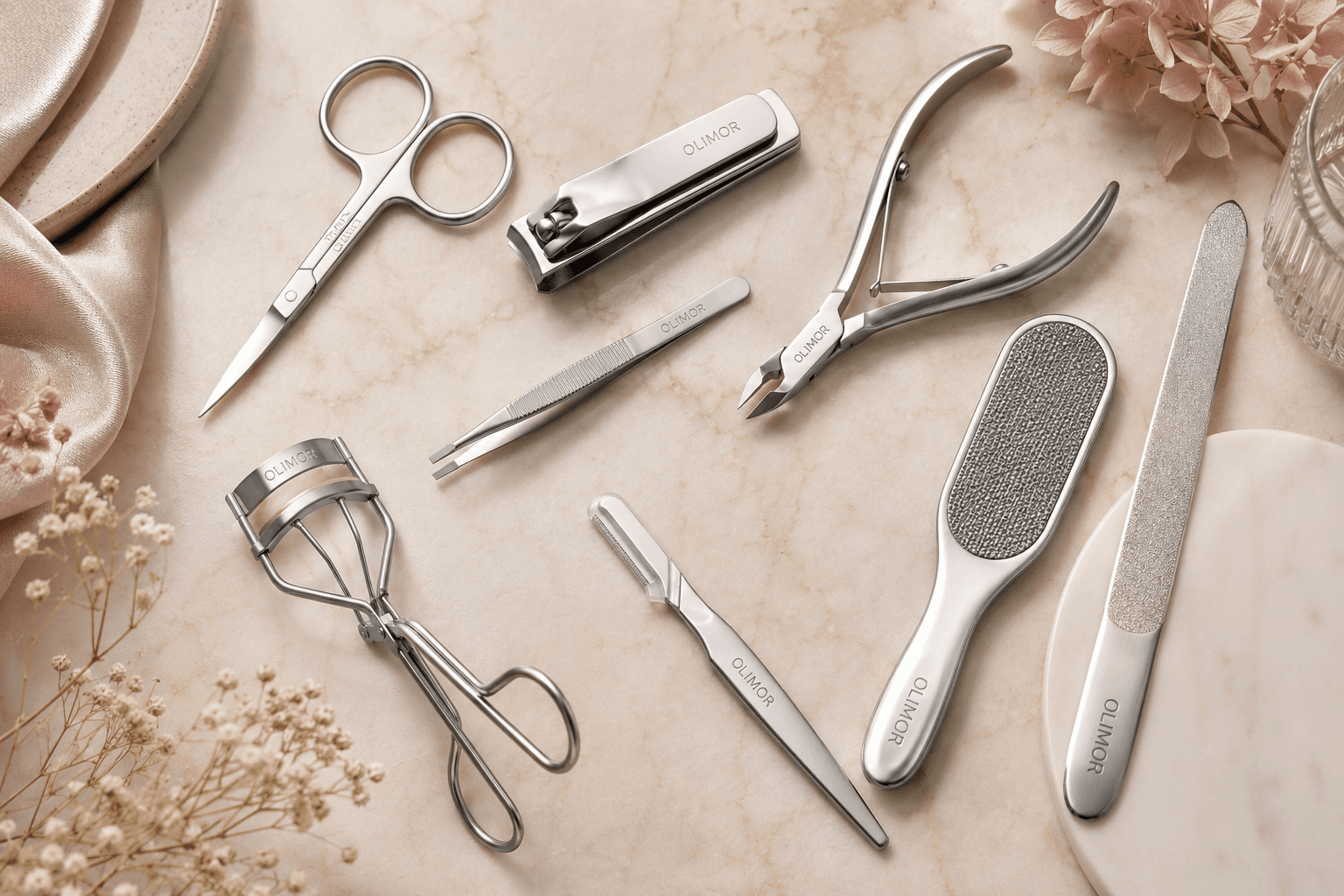
The supplied Olimor Beauty nail clipper is described as using ergonomic stainless steel construction. Those two qualities matter in real use: stainless steel is commonly chosen for grooming tools because it supports durability and cleaner maintenance, while an ergonomic shape helps reduce hand strain during repeated cuts.
Best Use Cases: Home Grooming, Salons, and Podiatry-Style Care
Different users expect different things from the same tool. A home user may want one reliable clipper for weekly grooming. A salon buyer may need a consistent tool that staff can handle comfortably across many appointments. A podiatry-focused environment may prioritize control on thickened or ingrown-prone nails, while still following appropriate hygiene protocols and professional scope of practice.
Specialized nail clippers are useful for:
- Thick toenails: A stronger cutting action helps avoid crushing or tearing when trimming harder nail edges.
- Older adults’ nail care: Nails can become tougher with age, so a stable grip and clean cut become more important.
- Pedicure services: Professional users need predictable alignment and comfort during repeated use.
- Travel or personal kits: A dependable clipper can reduce the need for multiple low-quality tools.
- Careful edge correction: When used properly, a precise clipper helps shape the nail before filing.
For painful nails, suspected infection, severe ingrown nails, diabetes-related foot concerns, or open skin around the nail, trimming should be handled cautiously and may require qualified medical advice. A good tool supports care, but it does not replace professional assessment when a nail condition is more than routine grooming.
How to Evaluate Blade Quality and Cutting Control
The blade is the heart of the clipper. Even if the handle feels comfortable, poor blade alignment can leave jagged edges or force the user to cut the same area repeatedly. When comparing specialized nail clippers, inspect how the jaws meet. The cutting edges should align cleanly from one side to the other, without visible gaps that could bend the nail before cutting.
Curvature also matters. A curved cutting edge can follow the natural shape of the nail, while a straighter edge may be preferred for toenails when users want to avoid cutting deeply into the corners. The right choice depends on the intended trimming style and the nail type. For retail assortments, offering clear usage guidance can reduce customer confusion and returns.
Use the following checklist when assessing a professional nail clipper sample:
- Open and close the jaws slowly. The movement should feel stable, not loose or uneven.
- Check the blade meeting line. Look for even contact across the cutting surface.
- Test grip comfort. The handle should not dig into the fingers when pressure is applied.
- Assess cutting visibility. Users should be able to see where the blade contacts the nail.
- Review finishing. Edges around the handle and body should feel smooth, without burrs.
- Consider cleaning access. Nail dust and residue should not collect in areas that are difficult to wipe.
These checks are simple, but they reveal much about whether a clipper is suitable for repeated personal or professional use.
Grip, Leverage, and Comfort for Repeated Trimming
Specialized nail clippers often feel different from small convenience clippers because they are designed to transfer pressure more efficiently. This is important when trimming toenails, where the nail plate can be thicker and the angle of use is less convenient. Better leverage can make the cut feel smoother and reduce the need for excessive force.
Ergonomic design should be judged by actual hand position. A clipper that looks substantial may still be uncomfortable if the pressing surface is too narrow, slippery, or awkwardly angled. Professional users should consider how the tool feels after several minutes, not only during the first cut. For salons and distributors, this is one reason sample evaluation is important before making a product decision.
For end users, safe technique also improves results. Trim after washing or bathing when nails are slightly softer, avoid cutting too close to the skin, and make several small cuts instead of one deep cut across the full nail width. After clipping, use a nail file to smooth corners rather than trying to perfect the shape with the clipper alone.
Hygiene and Maintenance: Keeping Clippers Ready for Use
Stainless steel grooming tools are valued because they are durable and practical to clean, but maintenance still matters. Nail clippers contact keratin, skin oils, and sometimes moisture, so cleaning should be part of the routine. For personal use, wipe the tool after trimming and store it dry. For professional settings, follow the hygiene procedures required by the business, local regulations, and the type of service being performed.
Good maintenance habits include:
- Remove nail fragments from the jaws immediately after use.
- Wipe the cutting area with an appropriate cleaning method for the environment.
- Dry the clipper before storage to help maintain the finish.
- Store tools separately so cutting edges are not damaged by other metal items.
- Retire any clipper with misaligned blades, visible damage, or rough movement.
Maintenance should also be considered at the sourcing stage. A clipper with hard-to-reach crevices may look appealing but become inconvenient in a busy nail care setting. Smooth finishing, accessible surfaces, and reliable movement are practical advantages.
Sourcing Specialized Nail Clippers for Retail or Professional Supply
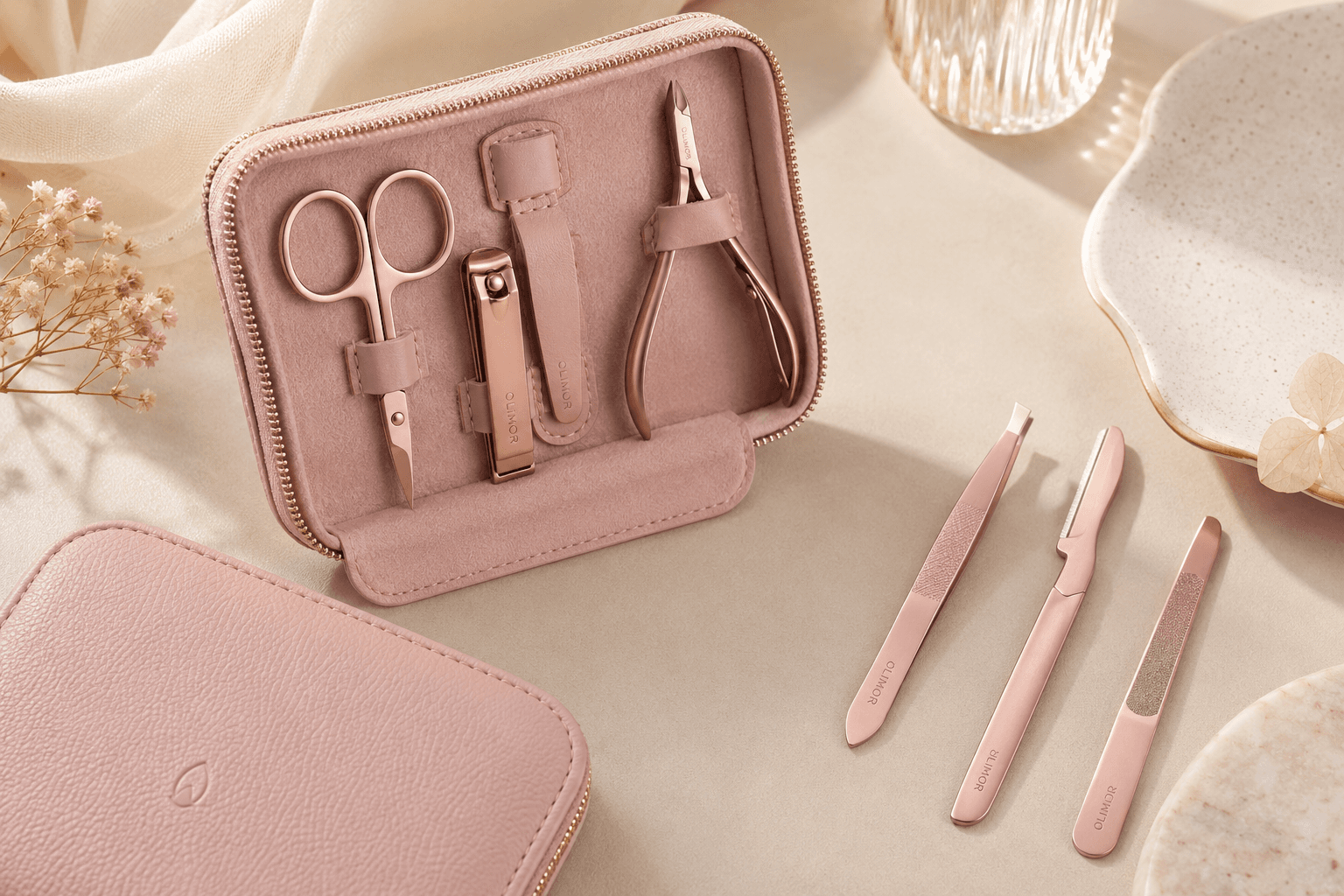
For beauty retailers, importers, and salon supply buyers, the ideal nail clipper is not only sharp on day one. It should be consistent across batches, easy to present to customers, and appropriate for the intended price position. Olimor Beauty offers beauty tool products for buyers building grooming ranges, and nail clippers can be an important part of a manicure and pedicure assortment.
Before placing a bulk order or adding a clipper to a retail line, define the target user clearly. A compact personal clipper, a heavy-duty toenail clipper, and a professional pedicure clipper may require different packaging messages and selection criteria. If the product is intended for podiatry-style care, avoid overstating medical claims and focus instead on control, comfort, and practical nail trimming use.
A sourcing brief can include:
- Target channel: retail, salon supply, travel kit, personal care set, or promotional beauty tool range.
- Main nail type: fingernails, toenails, thick nails, or mixed use.
- Preferred finish and packaging direction.
- Grip and size expectations for the intended customer group.
- Inspection points such as blade alignment, surface finish, and opening/closing feel.
Buyers can browse related beauty tool products or review broader product collections to plan a coordinated nail care range. For specific purchasing requirements, packaging questions, or product comparison support, you can send an inquiry or contact Olimor.
Choosing the Right Clipper for Cleaner Nail Care
A specialized nail clipper should make trimming feel controlled, not risky. Look for stainless steel construction, clean blade alignment, a comfortable pressing surface, and a design that suits the nail type being trimmed. For thick toenails or professional pedicure work, leverage and grip are just as important as sharpness. For retail and distribution, consistency, maintenance practicality, and clear positioning help the product perform better after it reaches the customer.
Olimor Beauty specialized nail clippers are suited for users who need reliable grooming tools for everyday and professional nail care. By evaluating the tool through real handling, hygiene, and sourcing criteria, buyers and users can choose clippers that support cleaner cuts, smoother routines, and more confident nail maintenance.
Tag: