

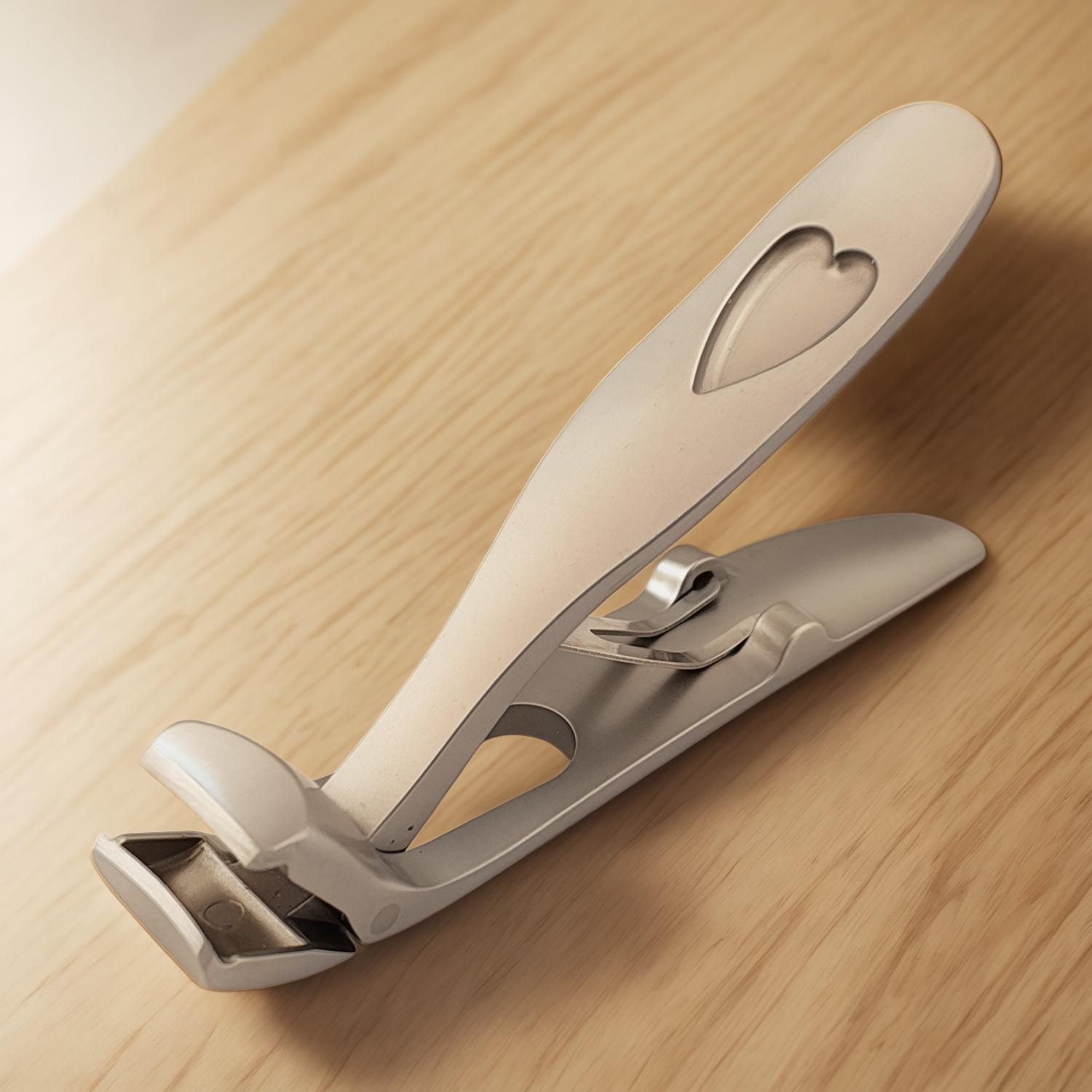
Nail Clippers Supplier: Quality and Sourcing Guide
A nail clippers supplier should be compared on specification control and repeatable sample quality, not price or finish alone. Review blade contact, lever movement, surface condition, package protection and reorder references together.

What Makes a Nail Clipper Suitable for Bulk Sourcing?
Bulk buyers usually evaluate nail clippers differently from a single consumer. One sample can look acceptable at first glance, but large orders need consistency across many pieces. The clipper should open smoothly, align correctly when closed and deliver a clean cut without excessive pressure. For products that may be handled by salon staff, retail shoppers or home users, repeatable cutting performance is essential.
The Precision Nail Clipper from Olimor Beauty is described as a stainless steel nail care tool with sharp, curved blades. Stainless steel is widely used in personal care tools because it supports durability and easy cleaning when compared with many lower-grade alternatives. Curved blades are also important because they help follow the natural shape of fingernails and toenails, reducing the need for repeated trimming passes when used correctly.
When assessing a supplier, buyers should not focus only on the visible finish. A nail clipper has several performance points that matter: blade edge, lever tension, jaw alignment, surface smoothness and handle comfort. If any of these elements are inconsistent, the end user may feel that the tool is cheap even when the material appears strong. A dependable nail clippers supplier should understand these details and be able to discuss them clearly during product selection.
Key Selection Criteria for Durable Nail Care Tools
Before placing a bulk order, create a practical evaluation process. The goal is to judge the clipper as an end user would: by grip, cutting feel, control and finish. The following checklist can help purchasing teams compare samples more effectively.
- Blade alignment: The upper and lower blades should meet evenly. Poor alignment can cause tearing or uneven cutting.
- Cutting smoothness: Test the clipper on appropriate nail samples and note whether it cuts cleanly with reasonable pressure.
- Curved blade shape: A well-shaped curve supports natural trimming for both fingernails and toenails.
- Handle comfort: The lever and grip area should feel stable, especially for repeated use in salons or grooming services.
- Surface finish: Edges and corners should feel smooth enough for safe handling and retail presentation.
- Opening and closing action: Movement should be controlled, without looseness that makes the tool feel unstable.
- Cleaning practicality: Buyers should consider whether the tool shape allows basic cleaning after use.
- Packaging compatibility: For retail or kit assembly, the clipper should fit the intended display, pouch or grooming set format.
This kind of checklist is especially useful when comparing similar-looking clippers from several factories or trading partners. A lower unit price may not be meaningful if the cutting edge wears quickly, the lever feels weak or the finish does not match the expectations of your market.
Why Stainless Steel and Blade Design Matter
Nail clippers are exposed to pressure, moisture, skin oils and repeated handling. Stainless steel construction helps support durability in these conditions, making it a sensible choice for salons, retailers and personal care brands. The original description of the Precision Nail Clipper highlights stainless steel and durability, which are core purchasing factors for buyers seeking long-lasting nail care tools in bulk.
Blade design is just as important as material. Sharp, curved blades allow the user to trim with more control and fewer passes. A clean cut is not only more comfortable; it also helps users maintain a neat nail edge. Dull or poorly shaped blades can crush the nail instead of cutting it, which may lead to rough edges that require extra filing.
For buyers, it is useful to separate marketing claims from observable performance. Instead of relying only on a description such as “sharp,” test how the clipper behaves across different nail thicknesses and user hand positions. A tool intended for both fingernails and toenails should feel strong enough for thicker nails while still allowing controlled trimming on smaller nails. If the clipper is being placed in a kit, consider whether one size is appropriate for the full use case or whether your assortment requires additional nail care tools from the wider range of beauty tool products.
Use Cases: Salons, Distributors and Personal Care Brands
Different buyers need nail clippers for different reasons. A salon may value reliable daily handling and easy replacement planning. A distributor may focus on stable supply, product presentation and consistency across repeat orders. A personal care brand may need a clipper that fits a broader grooming kit and supports an OEM sourcing plan.
For beauty salons, the main concern is user confidence. Staff need tools that feel comfortable and controlled during repeated work. An ergonomic handle, as described for the Precision Nail Clipper, helps reduce awkward pressure and supports more precise trimming. For distributors, the key issue is whether the product can satisfy varied buyers without frequent complaints. Clean cutting, stainless steel construction and a practical design make the clipper easier to position for a broad customer base.
For brands developing a private label or customized personal care assortment, working with an OEM personal care tools supplier can simplify coordination. OEM sourcing is not just about adding a logo. It involves choosing the right tool type, confirming quality expectations, considering packaging needs and aligning the product with the end customer’s price and usage expectations. Buyers planning a larger assortment can also review Olimor Beauty product collections to consider how nail clippers may sit alongside other grooming or beauty accessories.
Questions to Clarify Before Confirming an OEM Order
Because product requirements vary by market, a strong sourcing conversation should be specific. Buyers should prepare information about intended users, sales channel, packaging preference and inspection requirements before moving forward. This helps avoid misunderstandings and supports more accurate recommendations.
| Decision Area | What to Confirm | Why It Matters |
|---|---|---|
| End use | Salon use, retail sale, gift set or home grooming kit | Different channels may require different finish, packaging and durability expectations |
| Cutting performance | Blade sharpness, curve, jaw alignment and pressure feel | These factors determine whether users experience a clean and comfortable trim |
| Material preference | Stainless steel construction and surface finish expectations | Material and finish influence durability, appearance and cleaning practicality |
| Packaging | Single retail pack, bulk pack or inclusion in a kit | Packaging affects presentation, logistics and final customer experience |
| Quality checks | Inspection points such as function, finish and alignment | Clear criteria help maintain consistency across bulk shipments |
Olimor Beauty emphasizes technical commitment and quality assurance in personal care tool supply. For a nail clipper order, that means the buyer should define what quality means in practical terms: no rough burrs, stable lever action, aligned blades, clean appearance and cutting performance that matches the intended use. These points are easier to verify than vague promises and are more useful for long-term cooperation.
Maintenance Guidance to Improve End User Satisfaction
Even a durable nail clipper performs best when users treat it properly. If you sell clippers through retail or include them in kits, simple care guidance can reduce complaints and help customers get better results. This is especially important for salons and distributors that want the tool to be seen as reliable over time.
- Use the clipper only on nails, not on wire, plastic tags or other hard materials that can damage the blade edge.
- Trim nails when they are clean and, if preferred, slightly softened after washing or bathing.
- Cut gradually instead of forcing the blade through a large section of nail at once.
- Wipe the tool after use and allow it to dry before storage.
- Store the clipper in a clean, dry place to help protect its appearance and function.
- Replace the clipper if the blades become dull, misaligned or uncomfortable to use.
For business buyers, adding these instructions to packaging inserts or product pages can improve the customer experience without changing the tool itself. Clear usage guidance is particularly helpful when selling online, where customers cannot feel the tool before purchase.
Working With Olimor Beauty as a Nail Clippers Supplier
The right nail clippers supplier should help you evaluate the product beyond surface appearance. Olimor Beauty’s Precision Nail Clipper is positioned for buyers seeking durable nail care tools with stainless steel construction, sharp curved blades and an ergonomic grip. These features suit everyday grooming needs, salon environments and personal care product assortments where reliable cutting performance is central.
If you are comparing suppliers, prepare a short brief before making contact. Include the target market, expected sales channel, preferred packaging approach and any inspection points that matter to your business. This allows the sourcing discussion to move quickly from general descriptions to practical fit. You can contact Olimor for product discussions or send an inquiry when you are ready to share project details.
A good nail clipper may be compact, but it carries the quality impression of your brand or service. By focusing on material, blade design, ergonomic handling and consistent quality checks, buyers can choose durable care tools that feel dependable in daily use and make sense for bulk sourcing.
Use one comparison sheet for every supplier
List size, intended nail type, material or reference, finish, functional checks, packaging, quantity range and destination needs in the RFQ. Apply the same inspection sheet to multiple units from each supplier. Keep the approved sample, drawing or specification, artwork version and accepted-change record so a reorder can be compared with the original approval. Do not treat a lower quoted unit price as equivalent when the package or inspection scope differs.
Buyer FAQ
What should a nail clipper RFQ include?
Include size, intended nail type, material or reference, finish, functional checks, package, quantity range and destination needs.
How should buyers compare supplier samples?
Use the same inspection sheet and appropriate test method across multiple units from each proposed specification.
What protects repeat-order consistency?
Keep the approved sample, drawing or specification, artwork version and written record of any accepted change.
Prepare the nail clippers supplier sourcing brief
Include the intended user, sales channel, tool specification, finish, packaging, quantity range and inspection priorities. Review the relevant nail clipper products, compare related manicure set options, and use request a nail clipper quotation to request a sample and quotation.
Tag:
Related articles
- Manicure & Nail Tools
- OEM & Private Label Solutions
Manicure Scissors Manufacturer: Private Label Guide
- Manicure & Nail Tools
- Manufacturing & OEM Solutions
Travel Manicure Kit Manufacturer: Retail-Ready Buyer Guide
- Manicure & Nail Tools
- Manufacturing & OEM Solutions