

If you are comparing nail clippers wholesale options for a retail line, hotel amenity pack, promotional kit, or private-label grooming set, the obvious questions are rarely the right ones. Price matters, of course, but so do cut quality, finish consistency, packaging compatibility, and whether the product feels solid in the hand when a customer picks it up for the first time. A small grooming item can still create a big impression, and in this category, that impression often decides whether buyers reorder.
The challenge is that nail clippers look uniform at a glance. From the outside, many models share the same compact body, hinged lever, and metal cutting head. But sourcing teams know the differences show up in use: the way the lever closes, whether the edges feel clean, how the plated surface holds its shine, and whether the integrated file on top actually serves a purpose or just takes up space. That is why choosing a nail clipper supplier is less about finding the cheapest quote and more about finding a factory or trading partner that can produce consistent hardware at scale.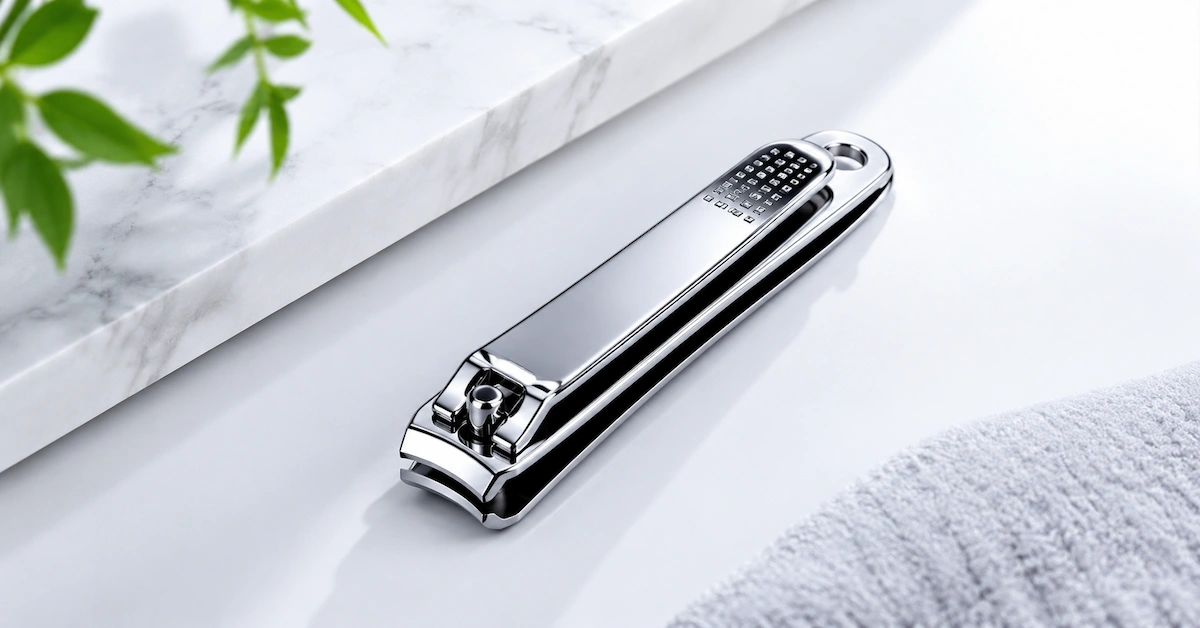
What buyers are really evaluating
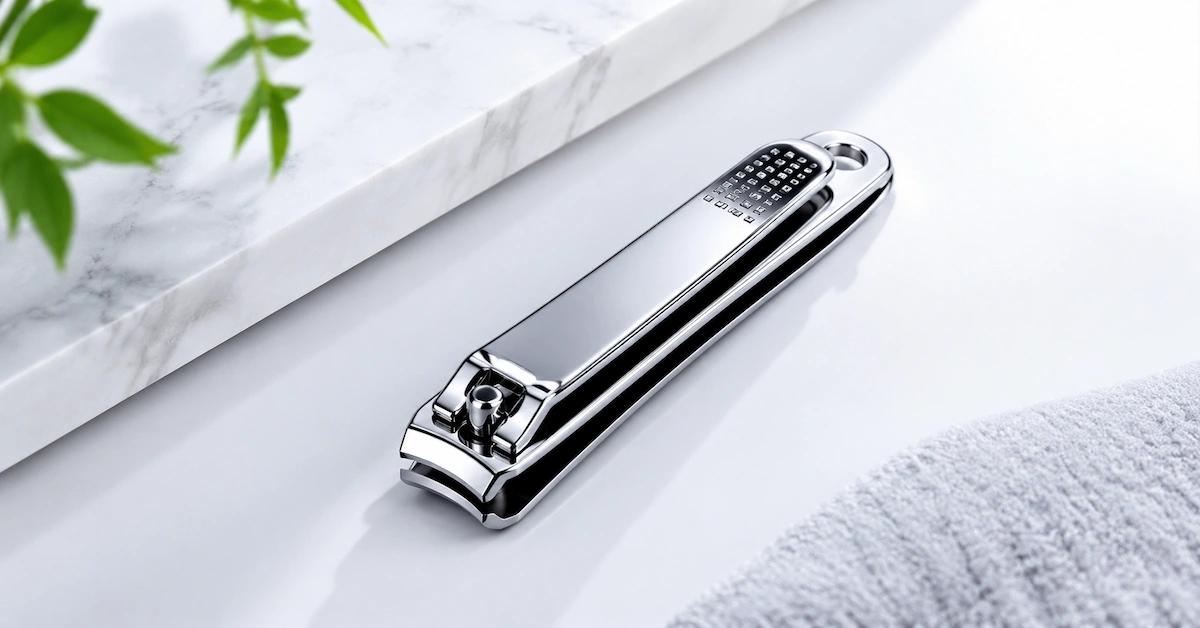
The visible product here is a classic metal nail clipper with a compact rectangular body, rounded ends, a folding lever, and a hanging hole at the rear. It appears to be polished chrome-plated or stainless steel with a mirror-like finish. That combination is common for personal grooming tools because it signals cleanliness, durability, and shelf appeal. For many buyers, especially those sourcing for consumer retail or hospitality, those visual cues matter almost as much as function.
Still, a polished look is only the starting point. Bulk buyers usually need to think through a few practical points:
- Does the cutting head close cleanly and consistently?
- Is the lever easy to fold and control?
- Does the file area on top have enough texture to be useful?
- Is the finish smooth enough to feel premium, but not so glossy that fingerprints and minor scratches stand out immediately?
- Can the product fit the intended packaging, whether blister card, box, pouch, or kit?
A lot of procurement mistakes happen when a team approves samples based on appearance alone. That is understandable. The sample may be attractive on the desk, but once production starts, small variations in stamping, polishing, or assembly can change the user experience more than expected.
Where this product fits in the market
A metal nail clipper is a simple item, but it serves several distinct channels. The right wholesale strategy depends on which of these channels you are serving.
Retail and private label
For retail, presentation is often as important as the tool itself. Buyers want a clipper that looks clean, has a dependable feel, and can support branding through packaging or subtle product marking. In private label, consistency across batches is critical because end customers notice when one clipper closes more tightly than the next.
Hotels and travel kits
In hotel amenities or travel grooming kits, compact size and a safe, folded profile matter. The hanging hole can help with storage or merchandising, although not every buyer will use it that way. For this channel, the product often has to balance low unit cost with a finish that does not look flimsy next to other toiletries.
Salons, gift sets, and promotional packs
For salons and branded gift sets, the clipper may be a small component inside a larger package. That means the sourcing team should care about visual uniformity, surface quality, and whether the all-metal look aligns with the rest of the set. A weak-looking clipper can make a whole kit feel cheaper than it is.
Metal construction: why it matters more than people think
The visible construction suggests a stamped and formed metal body with a pivoting lever, followed by polishing or plating. Exact manufacturing details are not confirmed here, but this is a reasonable expectation for the category. For buyers, the practical point is simple: the quality of the metal work shows up in the final feel.
A well-made clipper should open and close with control, without wobble at the hinge or rough edges near the cutting jaws. If the lever sits unevenly, if the mirror finish reveals tool marks, or if the filing surface is too soft to function well, customers notice quickly. These are small objects, but they are handled at close range, often in bathrooms, travel bags, and personal care routines. There is very little room for sloppiness.
Plated finishes also deserve caution. A bright chrome-like surface can sell well, but any inconsistency in polishing or plating becomes visible under retail lighting. Buyers should ask for samples from production-level runs, not just hand-finished prototypes. That is especially true if the order will be sold under a brand name that cannot afford mixed sheen or slight color shifts between cartons.
How to compare suppliers without overcomplicating the process
When a sourcing team compares a nail clipper manufacturer against another, the evaluation should stay grounded in actual use. Not every project needs a long spec sheet, but every project benefits from a short, disciplined checklist.
Start with function
Ask how the clipper is intended to perform in normal use. Is it meant for everyday home grooming, travel convenience, or inclusion in a promotional pack? The answer changes the acceptable balance between price, finish, and durability. A premium retail product can justify more attention to surface quality. A hotel amenity item may prioritize consistent, economical output.
Inspect the hinge and cutting area
The pivot area is one of the most important parts of the tool. If the lever motion feels loose, uneven, or overly stiff, the end user will feel that immediately. The cutting head should look aligned, and the jaws should appear cleanly formed. Buyers do not need to become metallurgists, but they should understand that a cheap-looking hinge often predicts cheap performance.
Look at the finish under real light
Do not evaluate only in a sample room. Reflective metal can hide minor defects in one setting and expose them in another. Retail buyers in particular should check how the product looks under bright store lighting. If the surface has visible scuffs, rough edges, or uneven polish, those flaws can undermine the brand even if the clipper still works.
Check compatibility with packaging
This sounds minor until it becomes a production headache. A compact clipper with a hanging hole may fit neatly in a blister card or hang tab design, but only if the dimensions and orientation are known in advance. If you are building a set with other grooming tools, confirm that the clipper does not crowd the package or create damage during transit.
Common sourcing mistakes
One common mistake is treating all nail clippers as interchangeable. They are not. The market is full of low-cost versions that look acceptable online but arrive with inconsistent lever action or rough finishing. Another frequent problem is over-specifying features that do not add value for the end user. A buyer may ask for too many cosmetic variations, then discover that unit cost rises without a meaningful gain in customer satisfaction.
There is also the packaging trap. Some teams focus entirely on the metal tool and leave packaging decisions for later, only to find that the chosen carton, pouch, or card does not work with the clipper’s shape or hanging hole. That can delay a launch more than a minor product issue would.
A quieter mistake is ignoring user context. A clipper intended for hotels may need a different balance of appearance and cost than one sold in a premium grooming assortment. The same product body can sometimes serve both, but only if the supplier can control finish and batch consistency.
What to ask before placing a bulk order
Before committing to nail clippers wholesale procurement, ask for information that helps you compare real production capability rather than sales language.
- What material and surface finish options are available?
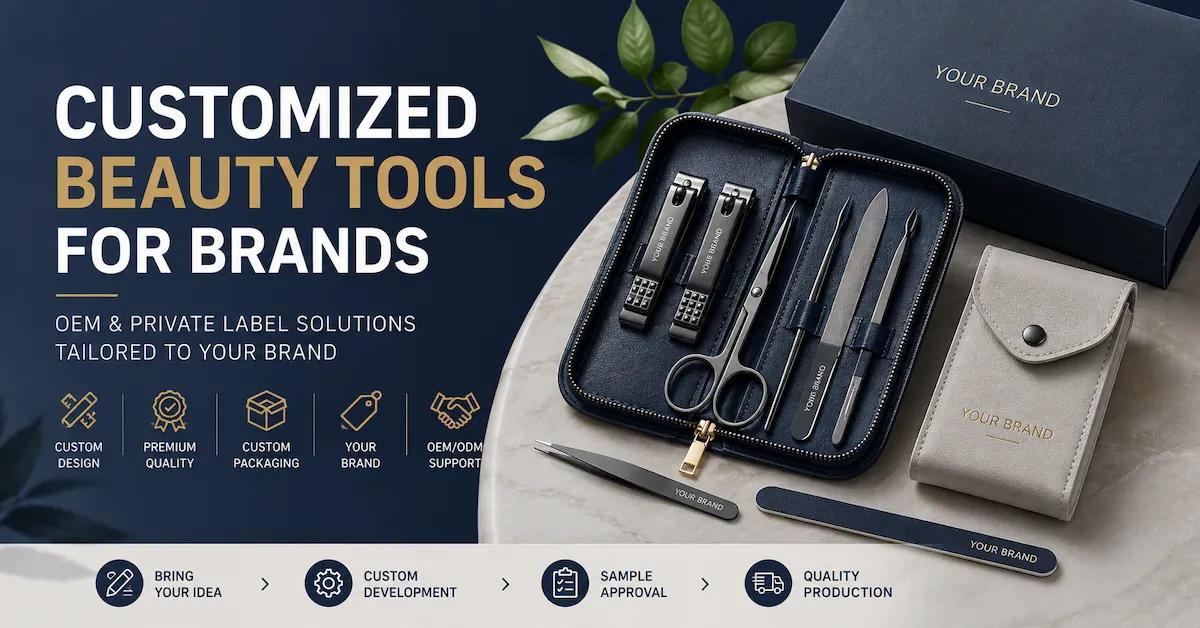
- Can the supplier support custom packaging or private-label presentation?
- How is product consistency checked across batches?
- Are there samples from the same production method that will be used for the order?
- Can the supplier provide details on the lever, hinge, and file surface structure?
These are basic questions, but they quickly separate factories that understand the product from middlemen who only know how to quote a price. If the answer is vague, that is usually a warning sign.
Practical buyer advice for sourcing teams
If you are building a grooming assortment, consider how the clipper will be perceived next to the rest of the set. A reflective metal clipper pairs well with other polished personal care items, but only if the finish is consistent. If you are selling into travel or hospitality, compactness and easy storage may matter more than decorative appeal. For retail, visible quality becomes part of your brand story whether you want it to or not.
Also, do not assume that a shiny product is automatically a better product. In this category, shine can hide or reveal issues depending on the manufacturer’s control. A strong sourcing decision comes from comparing the tactile feel, the geometry of the body, and the uniformity of the finish, not just the catalogue photo.
Quick takeaway for decision-makers
The best wholesale choice is the one that fits the channel, holds up in production, and looks credible in the customer’s hand. A compact all-metal clipper with a folding lever and integrated file can be a practical, marketable item, but only if the supplier can keep the build consistent from sample to shipment. That is the real test.
If you are shortlisting vendors, request production samples, compare the hinge action and finish under normal lighting, and make sure the packaging plan is settled before mass order placement. It is a small product, but the buying process deserves more care than many teams give it.
FAQ
Is this type of clipper suitable for retail and promotional use?
Yes, the compact metal format works well for both, especially when presentation matters. The key is consistent finish and dependable assembly.
Does the hanging hole matter?
It can, depending on packaging, storage, or merchandising needs. For some buyers it is useful; for others it is simply part of the body design.
Should buyers focus more on price or finish?
Neither alone is enough. Price matters in wholesale, but finish and function influence customer satisfaction and reorder behavior. A very low unit cost can become expensive if returns or complaints rise.
What is the safest next step when comparing suppliers?
Ask for production-aligned samples, verify finish quality in real light, and confirm that the product suits your packaging and channel before placing volume orders.
If you are reviewing bulk sourcing options now, start by narrowing your list to suppliers that can show stable metal work, consistent polishing, and packaging readiness. That is where the reliable orders usually come from.
Conclusion
For buyers comparing nail clippers wholesale options, the best next step is to move from catalog review to real sample evaluation. A reliable supplier should help you confirm the cutting feel, hinge stability, surface finish, packaging fit, and batch consistency before you place a volume order.
If you are sourcing nail clippers for retail, hotel amenities, travel grooming kits, salons, or private label personal care lines, explore OLIMOR’s related nail clipper products and full beauty tools range. You can also learn more about OLIMOR’s manufacturing background on the About Us page.
To discuss custom packaging, bulk pricing, OEM options, or sample requests, send your project details through the Contact Us page. OLIMOR can help you build a practical, consistent, and market-ready nail clipper supply solution.
Tag:
Related articles
- Beauty Tools Sourcing Guide
- OEM & Private Label
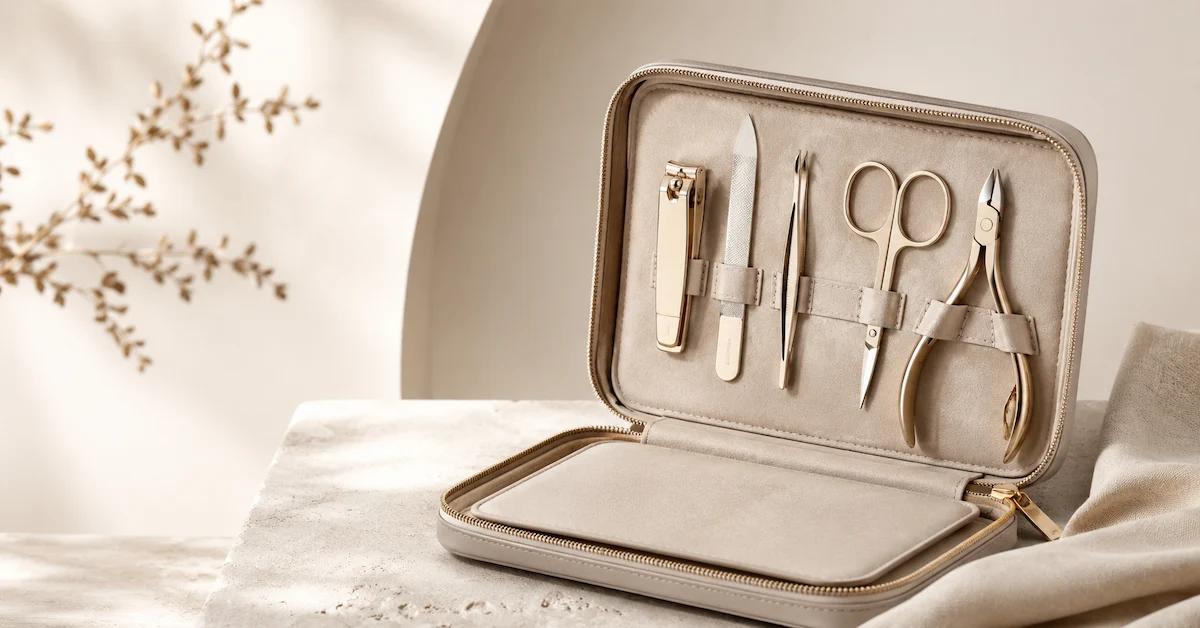
Private Label Grooming Kit Manufacturer: How Brands Build Custom Personal Care Sets
- Beauty Tools Sourcing Guide
- Lash & Brow Tools
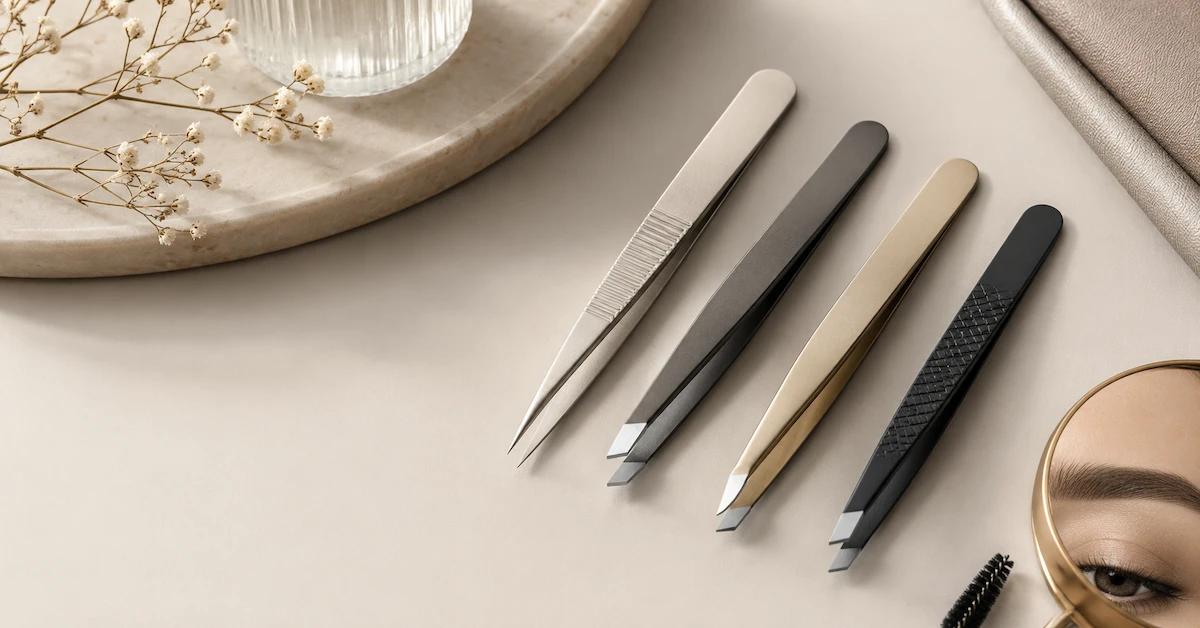
Tweezers for Eyrow Grooming Supplier: B2B Buying Guide for Beauty Brands
- Beauty Tools Sourcing Guide
- OEM & Private Label