

If you are sourcing a nail clipper factory, the real question is rarely just “Can they make a clipper?” Most factories can produce a small metal grooming tool. The harder part is finding a supplier that can keep the cut clean, the hinge smooth, the finish consistent, and the product safe enough for daily use across retail, hotel, pharmacy, and private-label channels. A nail clipper looks simple on the shelf, but buyers know the details are where complaints start: jagged cutting edges, loose pivot action, dull closure, surface rust, or packaging that looks cheap beside the product itself.
That is why this category deserves more attention than it often gets. A reliable nail clipper manufacturer is not only a machining source. It is a process control partner. For sourcing managers and product teams, the decision usually comes down to whether the factory can deliver repeatable geometry, acceptable hand feel, and a finish that matches the market position of the item. For an OEM grooming line, that difference can make or break a private-label program.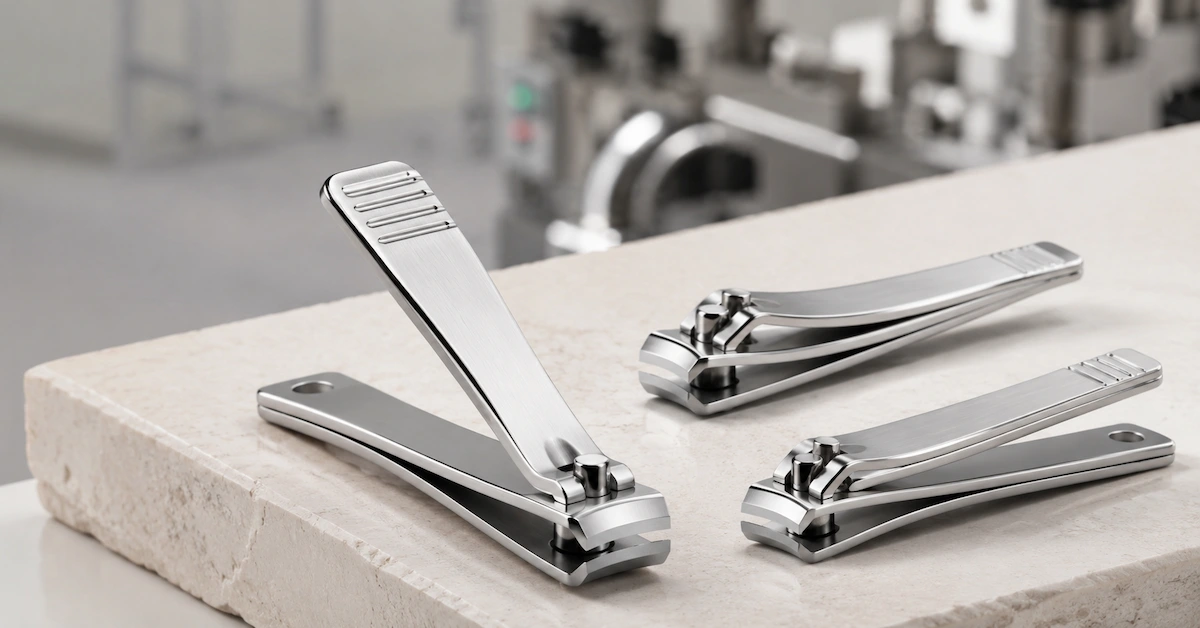
What a buyer should look at first
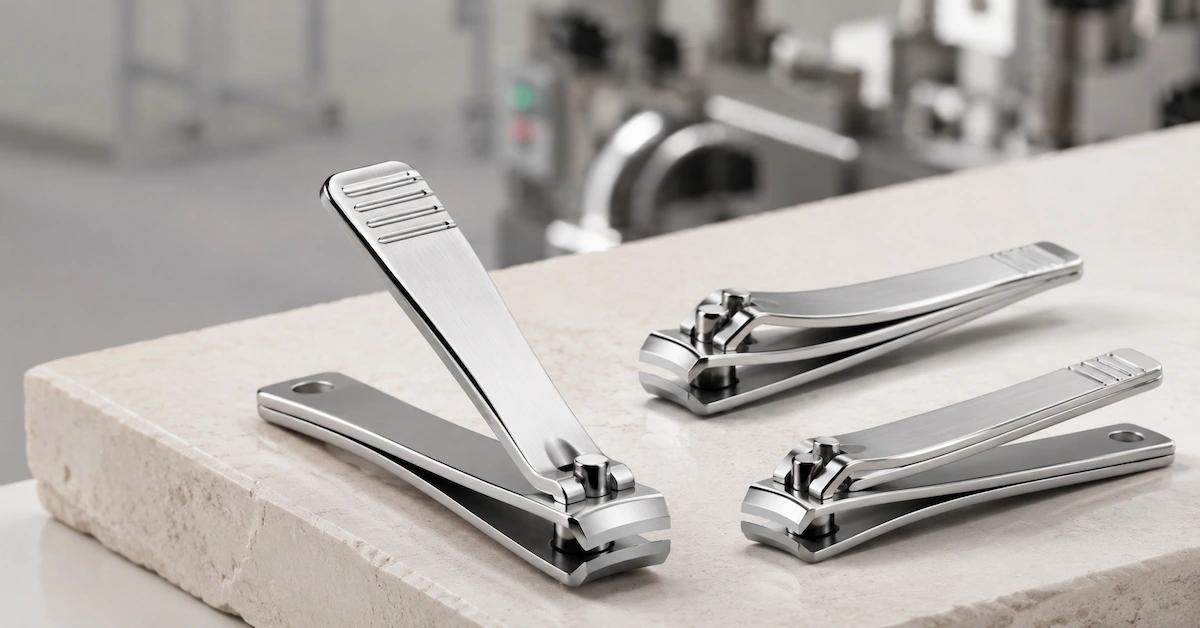
Before comparing price, look closely at the structure of the clipper itself. The product information here points to an all-metal, lever-operated design with a polished or brushed finish, shallow grip ridges, a pivot joint near the cutting end, and in some versions a hanging hole at the tail. Those are small details, but they tell you a lot about how the tool is likely made and where quality control matters.
The practical buyer checklist is straightforward:
- Does the cutting action feel stable, or does the lever twist under load?
- Do the jaws close evenly without leaving a visible gap?
- Is the finish uniform across the body, pivot area, and grip ends?
- Are the edges smooth enough for consumer handling and packaging?
- Does the hanging hole, if included, look functional rather than decorative?
A clipper can look elegant in photos and still disappoint in use. That is especially true when the product is sold in hotel amenity kits or pharmacy impulse displays, where the buyer cannot afford returns over a five-dollar item.
How nail clipper manufacturing typically works
Even when a supplier does not disclose every step in detail, a nail clipper factory usually relies on a sequence of metalworking and assembly operations. Based on the visible design, the line likely involves stamping or forming the body components, shaping or grinding the cutting jaws, finishing the surfaces, then assembling the pivot and lever. In some cases, precision machining around the hinge and jaw area may be used to improve alignment, though that should be confirmed rather than assumed.
The reason this process matters is simple: tiny deviations are magnified in a small tool. If the hinge hole is off, the clipper binds. If the jaw angle is uneven, the cut becomes inconsistent. If the polishing stage is sloppy, the item may look acceptable at first glance but feel rough in the hand. For consumer grooming hardware, “small” manufacturing errors are not small in the field.
Metal construction and finish
The product details suggest a metal body, likely stainless steel or another polished steel alloy, with no visible plastic parts. That all-metal construction is often preferred in this category because it gives the product a solid feel, supports a cleaner appearance, and works well for private-label presentation. The brushed or satin surface also helps the clipper read as a higher-grade item than a glossy, overly reflective finish.
That said, buyers should avoid making assumptions from appearance alone. Metal finish does not automatically mean corrosion resistance, and a polished surface does not guarantee durability. If the item is intended for humid bathrooms, hotel rooms, or travel kits, ask the supplier how the surface treatment is controlled and whether the product has been tested for long-term exposure. If they cannot answer clearly, treat that as a warning sign.
Key product variations in the category
A nail clipper supplier will usually offer more than one body style, and that matters when you are building a range. The supplied product information points to both a more compact version and a more elongated model. That kind of variation is common because end users have different hand preferences and different cutting needs.
For sourcing purposes, the main differences are usually in:
- Body length and leverage
- Presence or absence of a hanging hole
- Grip pattern on the handle ends
- Overall profile for pocket, travel, or kit packaging
- Intended positioning for consumer retail or professional grooming sets
An elongated model may feel easier to handle for some users, while a compact one fits travel packs better. Neither is automatically superior. The right choice depends on the channel. A pharmacy wall display, a hotel amenity box, and a manicure/pedicure set do not demand the same geometry.
Selection criteria that actually affect the buyer outcome
1. Consistency of the cutting mechanism
The most important performance issue is whether the lever and jaws align from sample to sample. This is where a nail clipper manufacturer shows its real capability. If one sample closes crisply and the next sample feels loose, your production run is likely to create customer complaints. Ask for sample sets from multiple batches, not just one hand-picked unit.
2. Surface finish and hand feel
A small hand tool lives or dies on feel. Grip ridges at the handle ends are a useful detail, but only if they are formed cleanly. Rough ridges, burrs, or sharp transitions undermine the user experience. This may sound minor, yet consumers notice it instantly.
3. Package fit and retail presentation
Retail buyers often forget that a good tool can still underperform on the shelf if the packaging is weak. The clipper’s compact size is an advantage for blister packs, cartons, or multi-piece grooming kits. If you are building a private-label line, make sure the factory can hold the product securely without scratching the finish during packing.
4. Channel suitability
Not every clipper belongs in every channel. A hotel amenity kit usually needs compact packaging and predictable cost control. A salon-oriented set may demand a more refined appearance. A pharmacy shelf item often needs broad consumer appeal and a clean, no-frills design. The best factories understand these differences and do not push one model into every use case.
Common mistakes when sourcing this category
One mistake is treating all clipping tools as interchangeable. They are not. Buyers may approve a sample because it looks sturdy, then discover during user testing that the jaw action is uncomfortable or that the hinge loosens after repeated use. Another mistake is focusing only on unit price and ignoring packing quality. A metal clipper can arrive with cosmetic marks if it is not protected correctly.
A third mistake, and this one comes up often, is asking the factory for “better finish” without defining what that means. Better compared with what? A brushed satin surface, a brighter polish, a tighter hinge feel, fewer visible seams, or all three? If the spec is vague, the supplier will make its own interpretation, which may not match your market.
Finally, do not assume the same supplier is equally strong at fingernail, toenail, and travel-size formats. The functional need changes with the user, and the factory should be able to discuss those differences instead of simply offering whatever is already on the line.
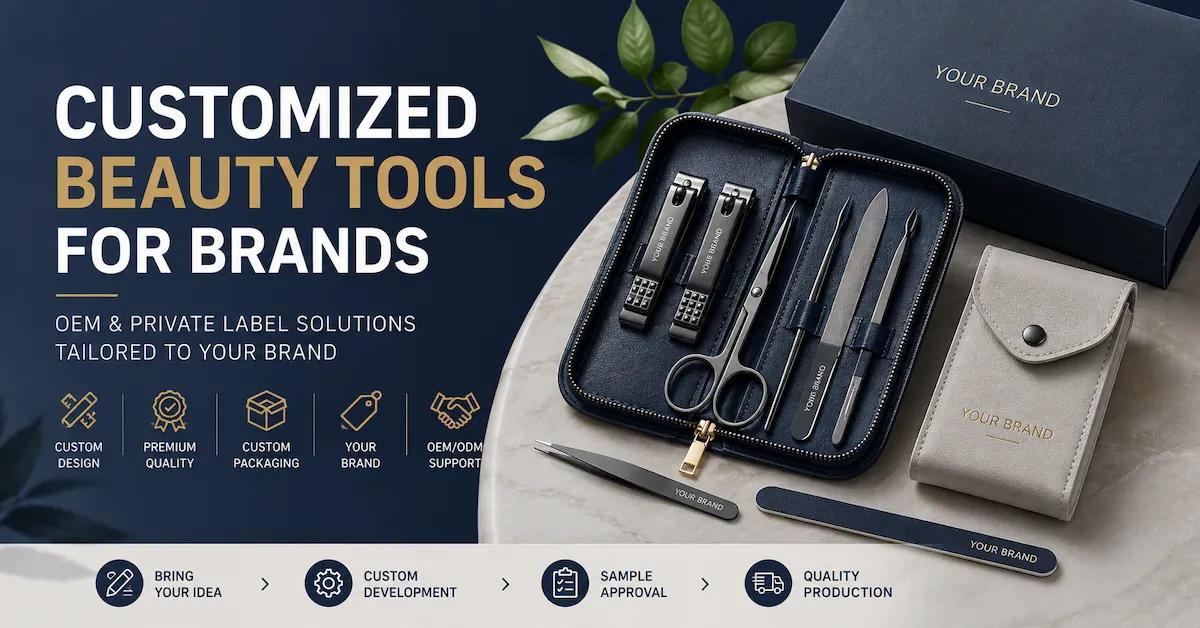
Practical advice for OEM and private-label buyers
If you are working with a nail clipper factory for OEM or ODM development, start with a sample conversation that goes beyond appearance. Ask how the body is formed, how the pivot area is controlled, what finishing steps are used, and how the factory checks alignment before shipment. You do not need every technical detail on day one, but you do need enough clarity to avoid surprises later.
It also helps to define the product role early. Is this a low-cost giveaway item, a pharmacy staple, a hotel amenity, or part of a premium manicure set? The answer affects everything from finish level to packaging strategy. A good supplier should help you balance those decisions instead of pushing a one-size-fits-all solution.
If you are comparing a nail cutter supplier against a broader personal care hardware vendor, remember that specialization can matter. A factory that regularly produces small metal grooming tools will often understand surface quality and compact assembly better than a general metal shop that happens to accept the job.
FAQ for sourcing teams
Can a nail clipper factory support private-label packaging?
Yes, many can, especially for retail and promotional grooming kits. The key is whether the factory can package without damaging the finish and whether it can follow your brand presentation requirements.
Is an all-metal clipper always better?
Not always, but all-metal construction is common in this category because it supports a solid feel and a cleaner visual profile. The best choice still depends on your market and price point.
What should I ask for in samples?
Request samples from more than one unit, ideally across different production lots if possible. Check jaw alignment, lever feel, finish consistency, grip edges, and how the product sits in packaging.
Can one factory handle multiple clipper styles?
Many can, but capabilities vary. A factory that makes both compact and elongated versions may be a better fit if you want a product family rather than a single SKU.
Next step for buyers
If you are actively sourcing and ready to move forward, now is the right time to connect directly with a reliable nail clipper factory. Instead of only comparing samples, reach out to discuss your exact requirements, target market, and packaging needs. A professional supplier can quickly provide tailored solutions, stable quality control, and clear answers on materials and production processes.
You can start by contacting a trusted manufacturer here: https://www.olimor.com/about-us or explore available product options at https://www.olimor.com/products. If you already have a specific design or private-label idea, sharing your details early will help the factory give you accurate quotations and faster sample support.
For buyers who want consistent quality and long-term cooperation, choosing a supplier that responds quickly and understands small details is key. Send your inquiry today and get a clearer picture of how your nail clipper line can be developed efficiently.
Tag:
Related articles
- Beauty Tools Sourcing Guide
- OEM & Private Label
Private Label Grooming Kit Manufacturer: How Brands Build Custom Personal Care Sets
- Beauty Tools Sourcing Guide
- Lash & Brow Tools
Tweezers for Eyrow Grooming Supplier: B2B Buying Guide for Beauty Brands
- Beauty Tools Sourcing Guide
- OEM & Private Label