
How to Choose an Eyebrow Razor for B2B Retail Programs
To choose an eyebrow razor for a B2B retail program, compare blade protection, guard geometry, handle control, cleaning guidance and packaging—not just the visible shape. Approve the exact sample and safe-use wording before finalizing a private label or wholesale order.
An eyebrow razor combines an exposed working edge with a small retail format, so protection and instructions deserve the same attention as cutting performance. Buyers should evaluate how the guard, cap, handle and pack work together from shipment through first use and storage. This guide organizes that review around the exact razor intended for the private label program.
Define the Brow Use Case
Retail customers may use a razor for light facial grooming, brow outline cleanup or travel touch-ups. A salon kit may need a different handle, pack quantity and instruction set. Describe the intended use and the limits of the tool in the product brief. Avoid promises about skin results that are not supported by the model, instructions or market review.
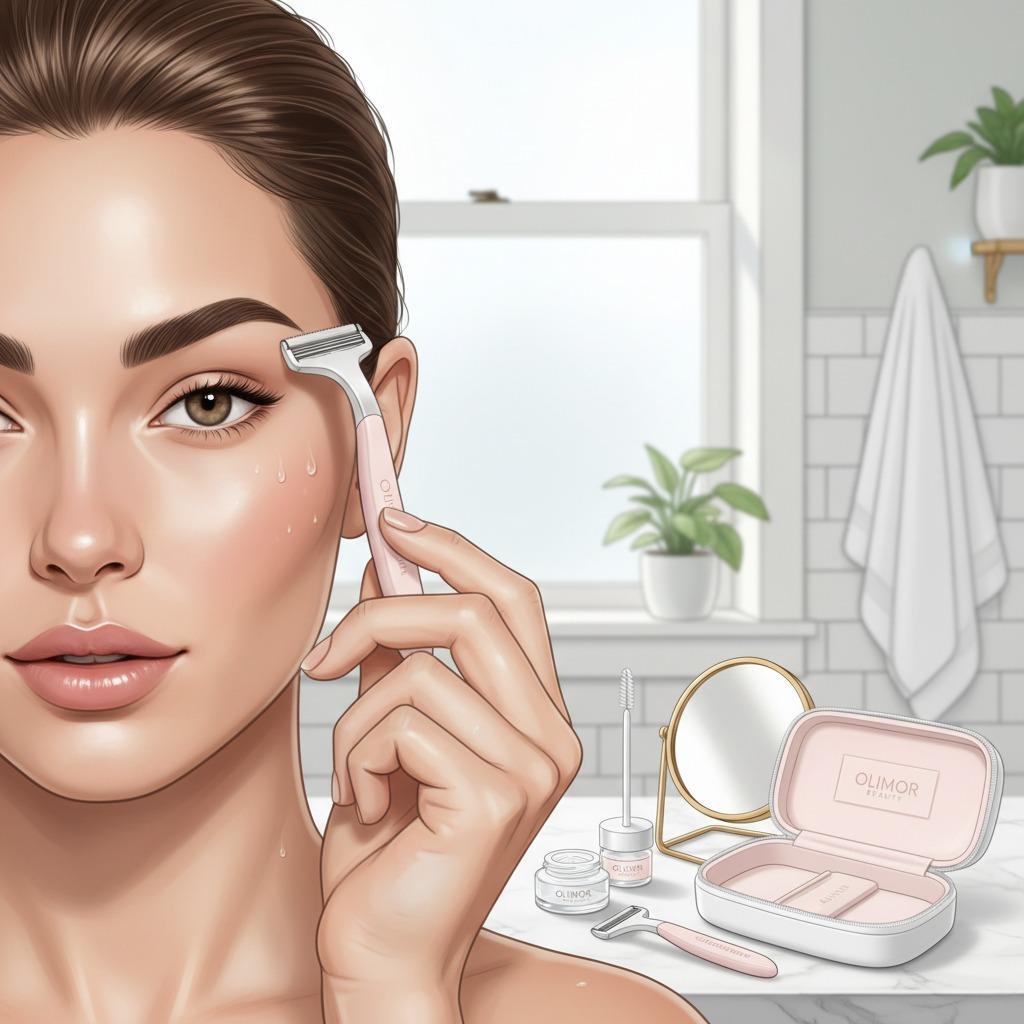
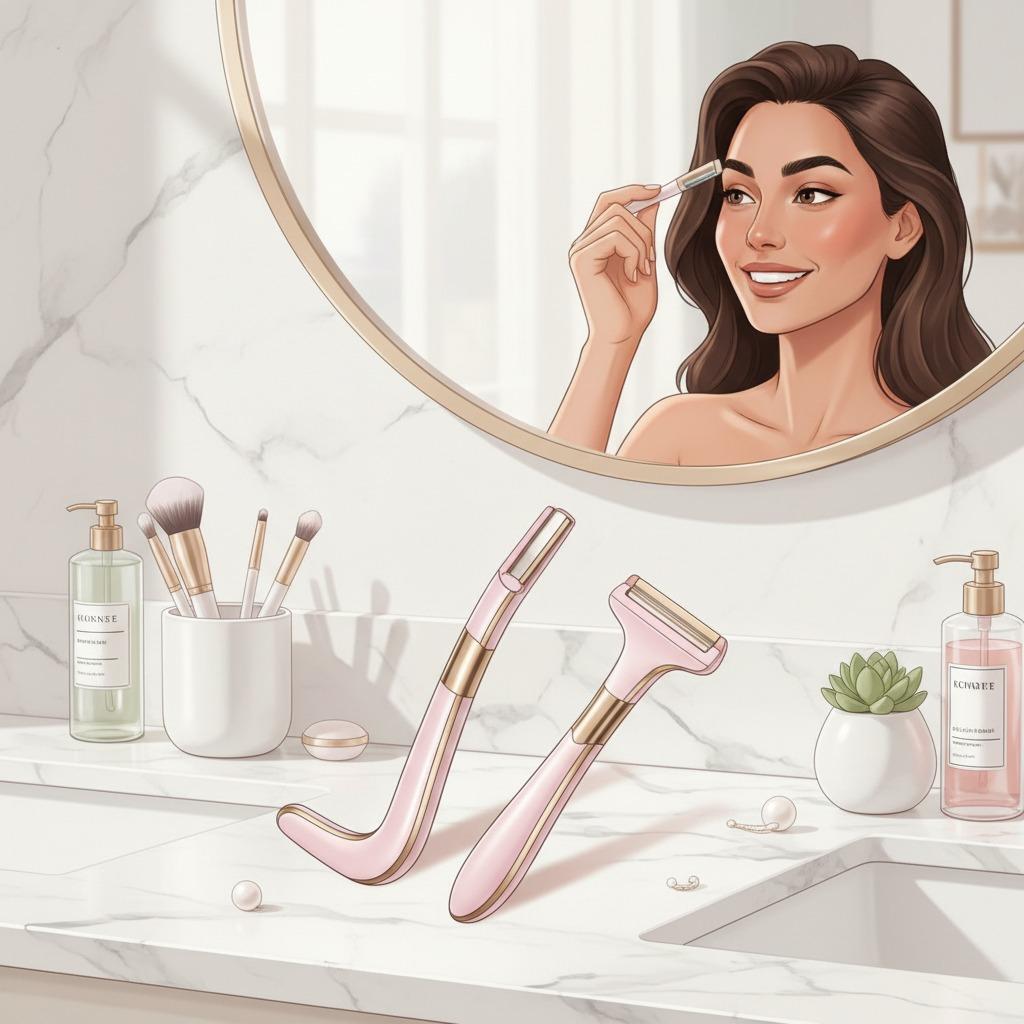
Compare L-shape, T-shape or other formats by visibility and hand control. The best format depends on the user's movement and the area being groomed. Ask for the working length, guard or cover detail and handle dimensions for each shortlisted sample.
Inspect Blade Protection and Handling
Inspect the blade edge, guard, cap and handle as a system. The blade should be protected during transport and storage, and the user should be able to hold the tool without placing fingers near the cutting area. Check that the cover stays attached, the handle does not flex unexpectedly and the edge is free of visible damage.
Run a controlled sample review with several pieces from the same proposed configuration. Record edge appearance, guard position, handle finish, cap fit and pack retention.
Before approval, confirm the exact blade material, blade-guard specification, acceptable edge condition, inspection sampling plan and current commercial terms for the selected model.
Approve Claims, Instructions and Packaging
A retail-ready eyebrow razor needs copy that matches the physical product. Review the product name, intended use, warnings, cleaning advice, disposal or replacement guidance and market-required information. Keep claims separate from supplier marketing language until the buyer has verified them.
The pack should protect the blade and present the tool without forcing the customer to touch the edge. Check barcode space, item code, logo placement, language versions and the removal process. Approve a printed or marked sample, not only artwork on a screen.
Treat Protection as Part of the Razor Design
Review the eyebrow razor program in three states: unopened, removed from the retail card and stored after initial use. In the unopened pack, the blade area should not rub against the card, another razor or a loose accessory. During removal, fingers should have a clear place to grip. For storage, assess whether the supplied cap covers the working edge and stays attached under ordinary handling.
Inspect the guard and blade relationship under consistent light without touching the edge. Compare guard position, visible damage, cap fit, handle flex and assembly alignment across several proposed units. Record observations by sample number. The buyer should define any functional evaluation and stop conditions; casual use comments are not a substitute for an approved product review method.
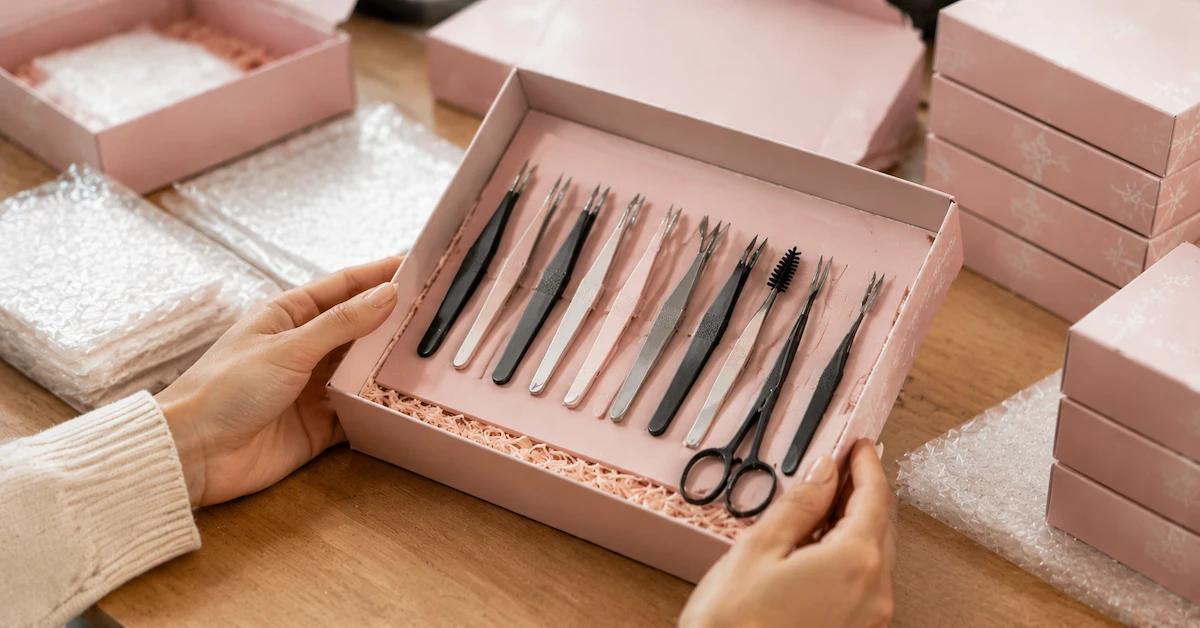
For multi-piece packs, open one unit as a customer would and check how the unused razors remain separated and protected. A low-cost tray that releases every tool at once can undermine an otherwise suitable product. Test the final tray or pouch, not an empty artwork rendering.
Create a Retail Safety Copy Check
Match every instruction to the physical razor. The review should cover intended area, preparation, direction of movement, pressure, cleaning, storage, replacement or disposal, warnings and the destination market's labeling needs. Remove unsupported promises such as guaranteed painless use or a professional result. Claims and warnings require the buyer's own market review before print approval.
Build a simple pack proof checklist for the product name, item code, barcode, language, logo, warning size and opening route. Compare the printed proof with an assembled pack and photograph any correction. If the guard, handle, cap or pack changes, reopen the affected instruction lines because user handling may also have changed.
Before ordering, confirm the blade and guard materials, dimensional acceptance points, sample-evaluation method, warning copy and current order terms for this razor against the current product records and quotation.
Write Safer Retail Instructions
Instruction copy should help the customer understand preparation, direction of movement, pressure, storage and when to stop. Keep the language consistent with the actual guard and handle. Avoid promising a painless, irritation-free or professional result because individual technique and skin condition vary. The buyer should have warnings and claims reviewed for the sales market before artwork approval.
The package should also make replacement and disposal decisions understandable. A cap that protects a new blade may no longer fit after damage, and a dropped or visibly bent razor should not be presented as reusable without limits. The exact replacement guidance must reflect the selected construction and buyer policy. Where multiple razors are packed together, confirm how unused pieces remain protected after the outer pack is opened.
For a private label launch, compare the digital artwork with a physical printed sample. Check that small warnings remain readable, the item code and barcode are correct, and the razor cannot move into the cutting edge during transit. Open the pack as a customer would and confirm that removing the tool does not require contact with the blade area. These are practical retail checks, not decorative details.
FAQ
What should buyers test on an eyebrow razor sample?
Inspect blade protection and cap retention, then assess control and visibility using an approved evaluation method. Review several pieces and approve the exact instructions and package.
Is a digital packaging proof enough for approval?
No. Use it to check layout, then inspect a physical pack containing the approved razor. The physical review reveals cap movement, blade clearance, removal hazards, small-text readability and whether unused pieces remain protected.
Prepare the Retail Razor Request
Study the eyebrow razor product range and the available beauty tool product development, then request an eyebrow razor sample. State the razor format, target user, pack quantity, guard and cap questions, branding, required languages, destination and evaluation plan. That information supports a safer and more comparable sample discussion.
Tag: