Grooming Tools Wholesale: How to Choose the Right Assortment for B2B Supply
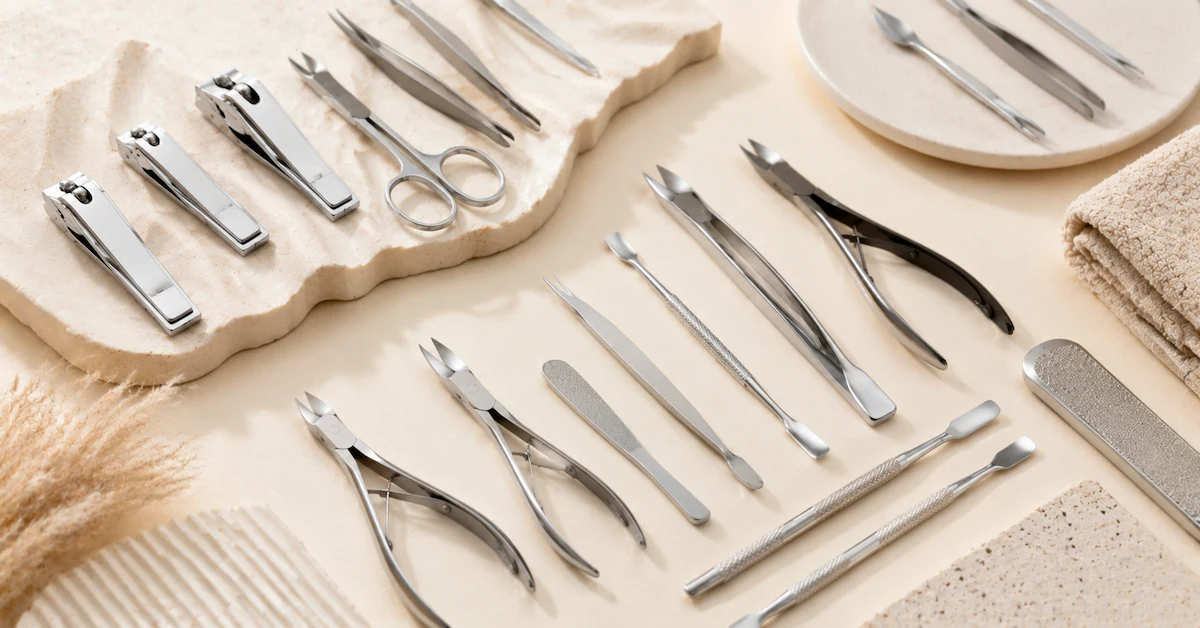
Wholesale grooming tools are best sourced as a practical assortment, not as a random collection of small metal items. Buyers need tools that match the end-use channel, feel consistent in the hand, present well in packaging and can be checked before bulk ordering.
The primary sourcing question is simple: which mix of nail clippers, cuticle nippers, tweezers, scissors, files and pushers will your customers actually use? A good grooming-tool assortment should support everyday hand, foot and detail grooming without looking overloaded or inconsistent. For salons, barber suppliers, retail merchandisers and private-label teams, the right decision depends on tool function, finish, packaging presentation, quality-control communication and supplier responsiveness.
This guide focuses on stainless-steel personal grooming tools, especially manicure and pedicure implements. It explains what to include, what to inspect, how to compare assortments, which cost factors matter and what to ask before placing a wholesale order.
1. Define the Buyer Intent Before Choosing an Assortment
Most B2B searches for grooming tools wholesale are not looking for a single product. They are looking for a dependable product mix that can be sold, bundled, distributed or branded. The buyer may be building a salon supply line, adding a personal-care kit to retail shelves, developing a private-label grooming set, or sourcing compact tools for barber and travel-use channels.
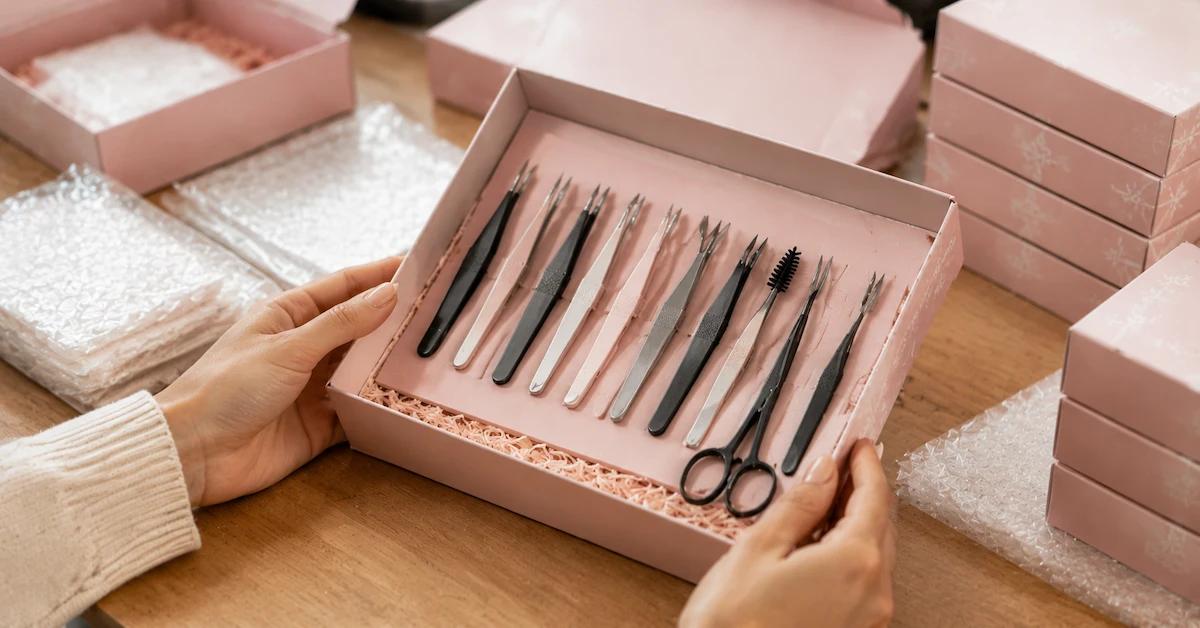
Before comparing product photos, define the commercial role of the assortment. A salon-oriented kit should emphasize control, familiar tool shapes and a professional metal appearance. A retail giftable kit should look complete, clean and easy to understand. A compact home-grooming set should avoid too many niche tools that confuse the user. A barber-focused assortment may need to feel portable and practical rather than decorative.
Clear positioning prevents two common buying errors: overfilling the set with redundant tools, or choosing a set that looks attractive but does not cover the grooming tasks customers expect.
2. What a Practical Wholesale Grooming Tool Set Usually Includes
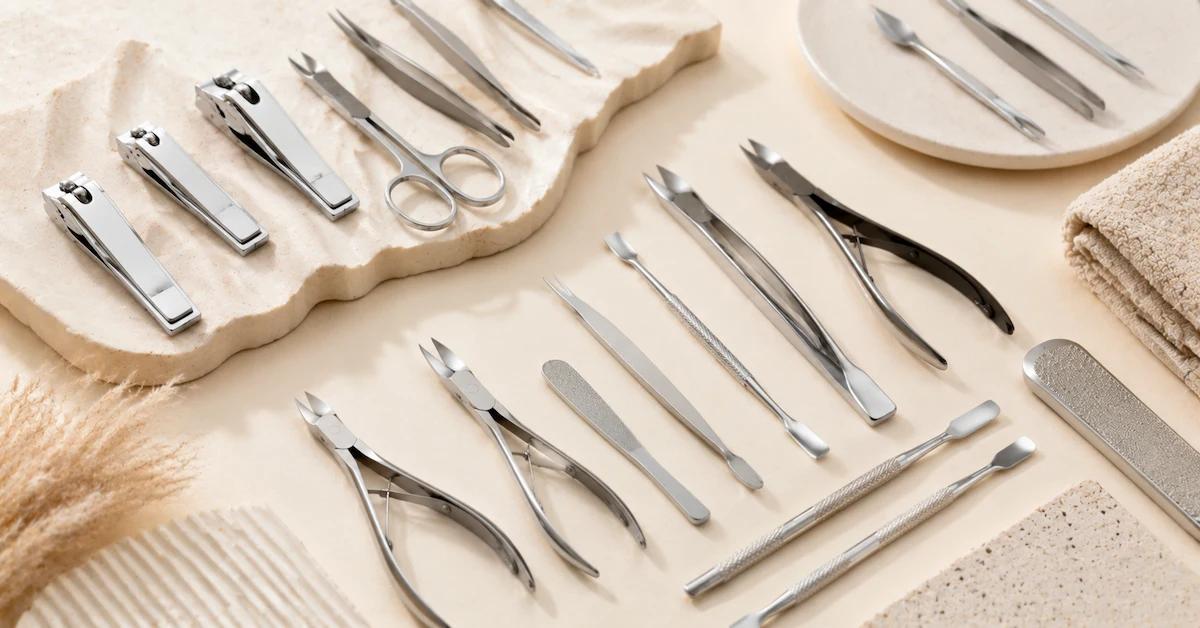
A typical stainless-steel grooming assortment centers on small precision tools used for nail care, cuticle care, tweezing and basic detailing. The most relevant items usually include nail clippers, cuticle nippers, tweezers, small scissors, nail files and dual-ended pushers or spatulas.
Each item has a different job. Nail clippers should trim cleanly and feel controlled. Cuticle nippers depend on jaw alignment, edge condition and spring action. Tweezers require accurate tip contact. Small scissors should open and close smoothly without feeling oversized. Files shape edges. Pushers and spatulas help manage cuticle areas and surface preparation in routine grooming.
The buyer should not judge the assortment only by item count. A smaller set with the right tools can be more useful than a larger set containing repeated or awkward pieces. The goal is a complete grooming routine: trimming, shaping, tweezing and controlled detail work.
Core tool roles to confirm
- Nail clippers: Check jaw alignment, closing feel, leverage and grip comfort.
- Cuticle nippers: Review tip meeting, spring response, handle balance and protective packing.
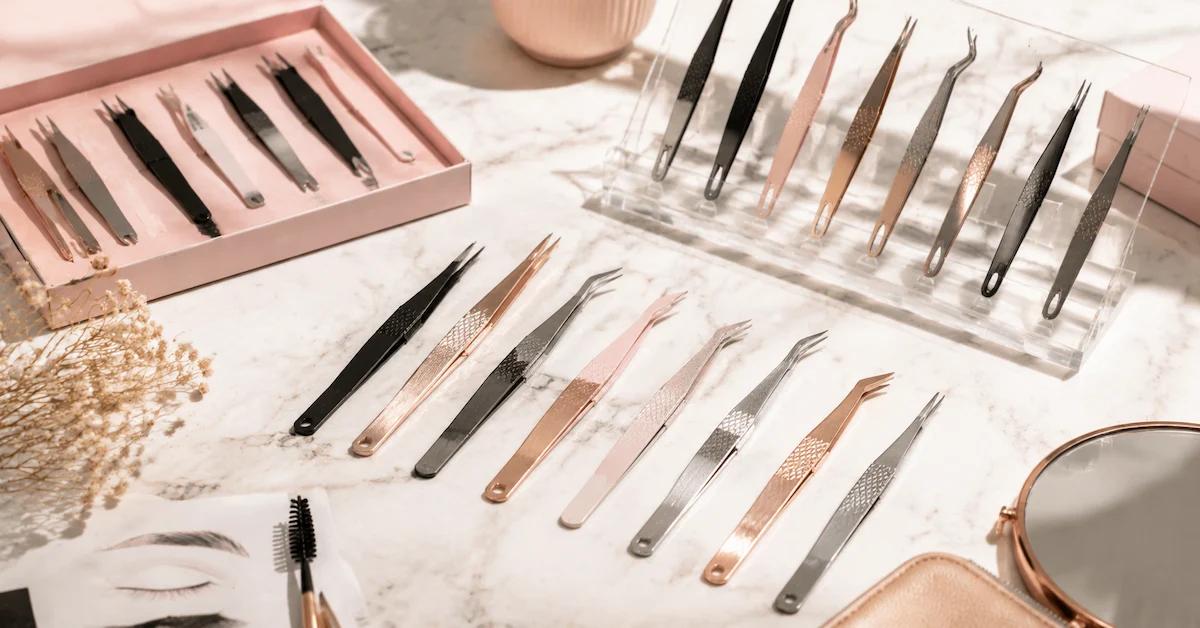
- Tweezers: Inspect tip shape, contact point, tension and whether the profile suits brow or detail work.
- Small scissors: Confirm opening smoothness, blade meeting and finger-loop comfort.
- Nail files: Look at texture consistency, edge finishing and whether the file feels sturdy enough for the intended use.
- Pushers or spatulas: Review working-edge shape, handle texture and ease of control when hands are damp or oily.
For current product browsing, buyers can start from Olimor’s beauty tool product range and then narrow the assortment by channel, finish and packaging requirements.
3. Stainless Steel, Finish and Hand Feel: What to Inspect
Stainless steel is a common expectation in this category because it gives grooming tools a clean, durable and serious appearance. However, buyers should not rely on the phrase stainless steel alone. Exact steel grade, hardness, coating, sharpening process and surface treatment should be confirmed with the supplier rather than assumed from a photo.
The finish affects both presentation and perceived quality. Mirror-polished surfaces can look bright and giftable. Brushed or matte areas may look more technical and restrained. Textured grip zones can improve handling and make slim tools feel easier to control. None of these finishes is automatically better; the right choice depends on the channel and customer expectation.
Small grooming tools often pass through metal forming, stamping or cutting, grinding, edge finishing, polishing and surface texturing steps. The buyer does not need to manage every production detail, but the supplier should be able to explain the basic construction and inspection approach. If a supplier cannot answer how sharp edges are protected, how tweezers are checked for tip contact, or how mixed tools are packed to avoid scratching, that is a sourcing risk.
Visual checks are not enough
Product photos can show whether an assortment looks coherent, but they cannot prove hand feel. Samples should be opened, handled and viewed under normal retail or salon lighting. Check whether the clipper closes evenly, whether the nipper tips meet cleanly, whether the tweezers grip fine material, and whether the scissors feel stable in the hand.
Also inspect consistency across the set. A premium-looking tweezer paired with a rough file or awkward pusher can lower the perceived value of the whole kit. In grooming supplies wholesale, the set is judged as one product experience, even when each tool is made separately.
4. Match the Assortment to the Sales Channel
The same stainless-steel grooming tools can serve different channels, but the assortment and presentation should change with the buyer’s market. A professional user may focus on repeat handling and precise tool geometry. A retail customer may decide based on shelf appearance, packaging clarity and whether the contents look complete at a glance.
| Channel | Assortment priority | Inspection focus | Packaging consideration |
|---|---|---|---|
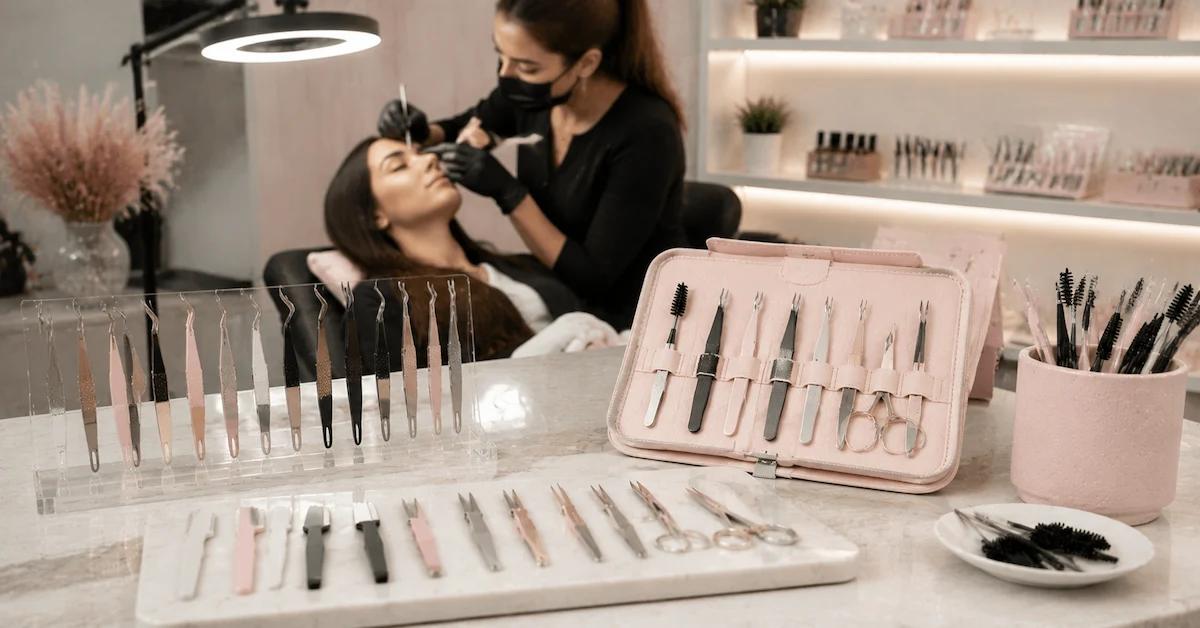
| Salon supply | Functional manicure and pedicure tools with a professional look | Jaw alignment, tip precision, smooth action and grip control | Clear tool visibility and protective packing for sharp or pointed items |
| Barber supply | Compact tools for detail grooming and kit convenience | Portability, sturdy feel, tweezer accuracy and scissors control | Compact case or organized layout that travels well |
| Retail beauty | Complete-looking personal-care set with strong shelf appeal | Consistent finish, clean appearance and easy-to-understand tool mix | Branding space, product visibility and simple user communication |
| At-home grooming | Familiar tools with minimal learning curve | Comfort, safe handling and practical tool selection | Storage-friendly case and clear contents display |
| Private label | Assortment that supports the brand’s positioning | Finish consistency, customization options and repeatable quality checks | Artwork, insert cards, case design and barcode or label planning |
For buyers comparing broader beauty categories, the Olimor collection page can help identify related product directions before narrowing to a grooming-tool set.
5. Cost Factors Buyers Should Compare Without Guessing Prices
Wholesale cost depends on more than the number of tools in a set. Buyers should avoid assuming that the largest assortment is the best value. A kit with more pieces may require more forming, sharpening, polishing, inspection and packaging work, and may also create more chances for inconsistency.
Key cost drivers include tool count, tool complexity, finish type, handle texturing, case or pouch style, packaging structure, branding requirements and quality-control expectations. A simple nail clipper and a cuticle nipper are not equivalent from a manufacturing and inspection perspective. Tweezers require tip accuracy; scissors require controlled blade meeting; nippers require careful jaw and spring checks.
Customization can also influence cost. Logo application, branded packaging, color presentation, special inserts, retail-ready labeling or revised assortment composition may change the quotation. Buyers should ask suppliers to separate the cost impact of tool changes, packaging changes and branding changes so the purchasing team can make a clear decision.
How to compare quotations fairly
- Compare the same tool count and same tool types across suppliers.
- Confirm whether tools are stainless steel and request exact material details if required for your market.
- Ask whether the quote includes packaging, branding, inner cartons or only the tool set.
- Review whether samples match the quoted version, not just a similar catalog item.
- Confirm how sharp, pointed or delicate tools are protected during packing and shipment.
- Ask what quality checks are performed before goods are released.
Quotations are easier to evaluate when the buyer provides a clear target assortment, packaging expectation and market channel. If you are ready to share a specification, use the wholesale inquiry form to start a structured discussion.
6. Quality Control and Compliance Questions to Ask
Small metal grooming tools look simple, but quality problems are easy for users to notice. A tweezer that does not meet at the tip, a nipper that feels loose, a clipper that tears rather than trims, or a pusher with an uncomfortable edge can quickly affect reviews, returns and repeat orders.
Quality control should cover both individual tools and the full set. Individual checks may include visual finish, tool action, edge condition, tip alignment, handle feel and obvious burrs or defects. Set-level checks should include assortment accuracy, packaging cleanliness, item placement, case fit and protection of sharp or pointed areas.
Consumer product requirements vary by market. For general consumer grooming tools, buyers selling into the United States may need to review applicable expectations from the U.S. Consumer Product Safety Commission. Buyers selling into the European Union should review the EU General Product Safety Regulation and any product-specific obligations that apply to their route to market. Always verify current versions of regulations and supplier documents, and do not rely on assumptions based on product appearance.
If a grooming tool is marketed with medical, professional sterilization or specialized performance claims, additional requirements may apply. Those claims should be supported by appropriate supplier documentation and reviewed by the buyer’s compliance team before purchase.
7. Supplier Evaluation: What Makes a Wholesale Partner Reliable
A reliable grooming-tool supplier should help the buyer reduce uncertainty. This does not require exaggerated claims; it requires clear communication. The supplier should be able to discuss the tool assortment, finish options, packaging possibilities, sample process, inspection approach and what information still needs confirmation.
Strong suppliers are also realistic about limitations. They do not expect buyers to approve a mixed grooming set based only on a photo. They understand that samples are important because hand feel, edge condition and visual consistency are difficult to judge remotely.
When evaluating suppliers, ask for product photos from multiple angles, sample availability, packaging examples, customization options and the process for confirming the final assortment. If your business needs documentation, ask early rather than after the order is prepared. Requirements for labeling, packaging language, importer information, barcode placement or safety warnings should be part of the project brief.
Buyer checklist before placing an order
- Is the target channel clearly defined?
- Does the assortment cover trimming, shaping, tweezing and cuticle care without unnecessary duplication?
- Have samples been checked for tool action, alignment, edge feel and finish consistency?
- Is the exact tool list confirmed in writing?
- Are packaging style, branding position and retail presentation approved?
- Has the supplier explained what quality checks are performed?
- Are material details, compliance documents and labeling requirements confirmed where needed?
- Is the quotation based on the final sample or a comparable confirmed specification?
8. Common Problems and How to Prevent Them
The most common problem is a mismatch between the assortment and the channel. A technical-looking kit may be too intimidating for casual retail buyers, while a decorative set may not satisfy professional users. This can be prevented by defining the channel before choosing the tool mix.
Another issue is inconsistent finish. Mixed mirror, brushed and matte details can work well when intentional, but accidental inconsistency makes the set look assembled from unrelated pieces. Buyers should review a complete sample set, not only the best individual tool.
Handling problems are also frequent. Slim metal tools can feel slippery if the handle profile or texture is not suitable. Pushers, tweezers and scissors should be tested with the actual user scenario in mind. If the end user is likely to work after applying lotion, oil or water, grip comfort matters.
Packaging can create hidden issues. Pointed tweezers, sharp nippers and scissors need secure placement so they do not scratch other tools or damage the case. Retail packaging should make the set understandable without overpromising. If the set is intended for private label, confirm artwork, insert cards and outer packaging details early enough to avoid delays in approval.
9. Practical Next Step for Sourcing Teams
The best way to source wholesale grooming tools is to move from catalog comparison to sample-based evaluation. Start with the target channel, choose the core tool mix, request samples and inspect the set as a complete customer experience. The buyer should test closing action, alignment, grip, finish, packaging fit and overall presentation before discussing bulk order details.
Olimor supports buyers looking for stainless-steel personal grooming tools, including manicure and pedicure implements such as nail clippers, cuticle nippers, tweezers, small scissors, nail files and pushers. To discuss a project, packaging idea or assortment direction, contact the team through Olimor contact support.
A well-chosen grooming tool set does not need to be complicated. It needs to be coherent, useful, inspectable and appropriate for the sales channel. That is what turns a small metal-tool assortment into a dependable wholesale product line.
FAQ: Wholesale Grooming Tools
Can I request samples before confirming a wholesale grooming tool order?
Yes, sampling is the right step before bulk sourcing. Samples help you evaluate hand feel, finish consistency, tweezer alignment, clipper action, nipper response, packaging fit and the overall assortment.
Is there an MOQ for grooming tools wholesale?
MOQ depends on the selected tools, packaging, customization and production arrangement. Buyers should confirm the current MOQ directly with the supplier for the exact assortment and packaging version being quoted.
Can grooming tool sets be customized for private label?
Customization may include assortment selection, packaging design, logo placement or presentation changes, depending on the project. Confirm available options, artwork requirements and approval steps before placing an order.
How should buyers check quality before shipment?
Ask what inspections are performed for tool finish, edge condition, tip alignment, opening and closing action, packaging accuracy and set completeness. If your market requires specific documents or labeling, request them before production is finalized.
How is lead time confirmed?
Lead time should be confirmed after the supplier reviews the final assortment, customization, packaging and order requirements. Avoid relying on a general timeline if the project includes branded packaging or revised tool combinations.
Tag: