

Essential Nail Grooming Tools: Salon Range QC Guide
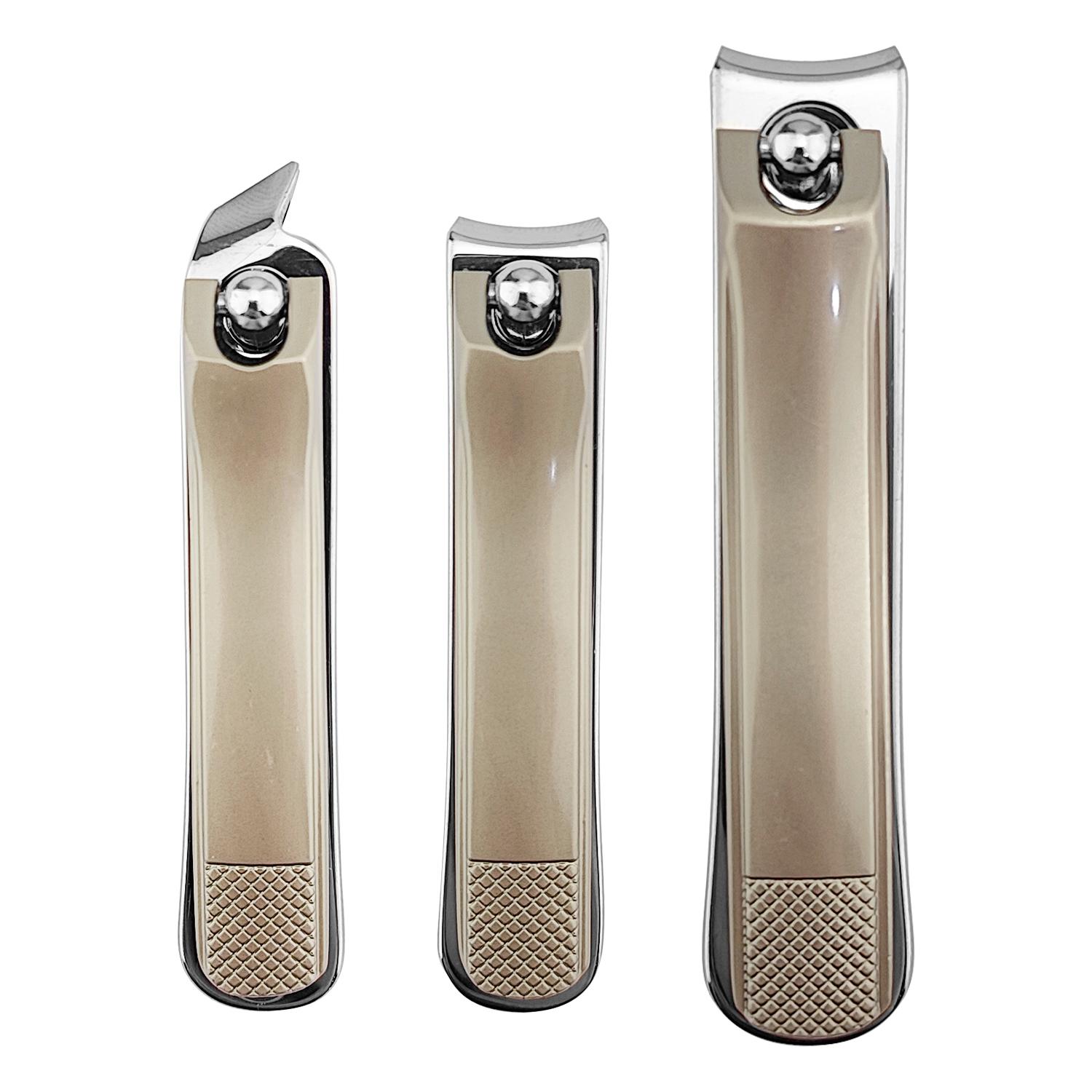
Essential nail grooming tools should be selected by customer task and reviewed for material evidence, cutting or filing function, finish, hygiene handling and packaging.
Define the buyer decision
salon task mapping, cross-tool inspection and range planning. Start with an approved reference and observable acceptance criteria. A catalog photograph can introduce essential nail grooming tools for salon task mapping, cross-tool inspection and range planning, but the finished sample should decide whether this program fits the intended user and channel.
Procurement checks before the RFQ
Build the range from documented salon tasks, then request samples, pack-out data, inspection criteria and replenishment terms for each SKU. For salon task mapping, cross-tool inspection and range planning, normalize quantity, packaging, inspection scope and delivery assumptions so quotations can be compared on the same basis. During salon task mapping, cross-tool inspection and range planning, record open questions rather than converting an unverified supplier statement into a product claim.
Manufacturing and sample approval
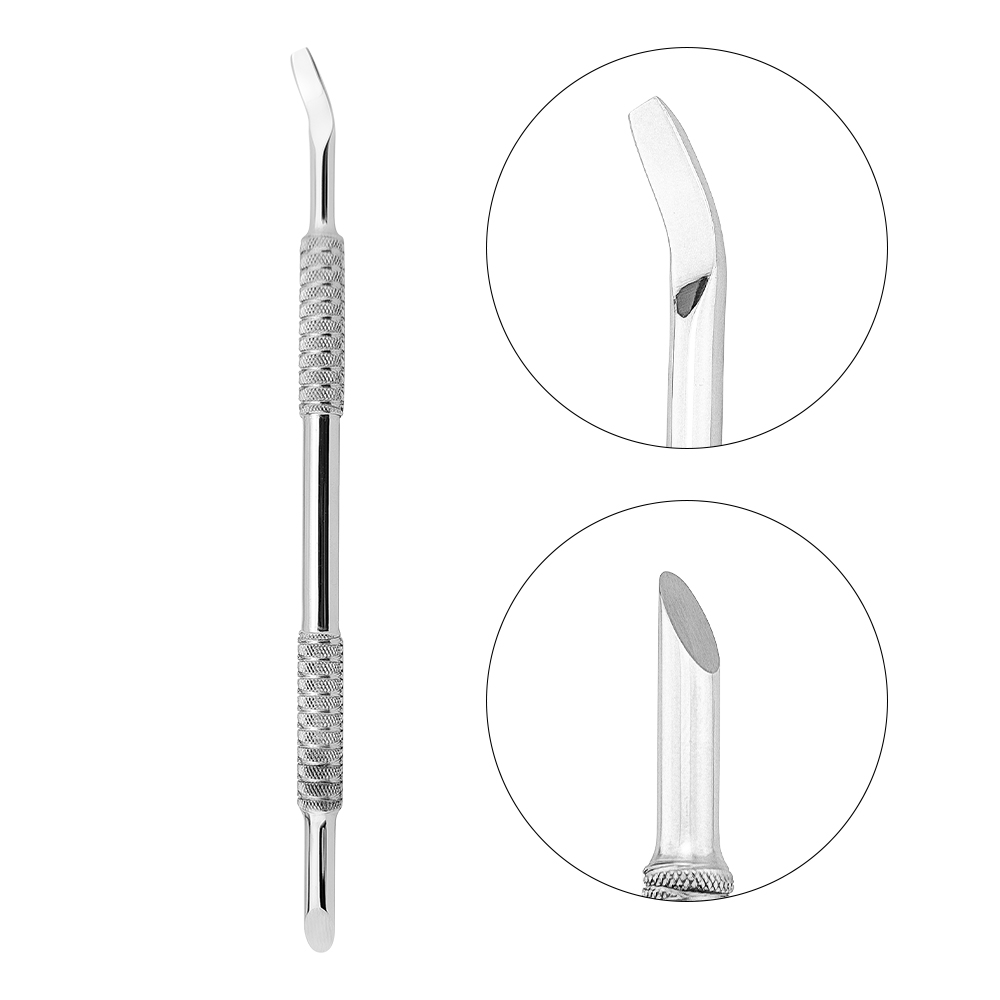
Use tool-specific checks for cutting edges, abrasive surfaces, gripping tips, springs, pivots, handles and final packaging. Keep the approved sample, revision, artwork, material evidence and inspection result together for salon task mapping, cross-tool inspection and range planning. For salon task mapping, cross-tool inspection and range planning, any change to a working interface, finish, pack-out or component list should trigger a documented review before production release.
Why Nail Grooming Tools Matter for Clean Results
Nails are small surfaces with curved edges, sensitive surrounding skin and different thicknesses from person to person. A general-purpose cutting tool is rarely suitable for this kind of detail. Proper nail grooming tools are designed to manage controlled pressure and create a predictable cutting path. This matters for toenails, fingernails, cuticle trimming and refining uneven edges after a main cut.
For salon professionals, the tool also affects efficiency. A cutter that requires repeated squeezing can slow down service and increase hand fatigue. For personal users, poor tools often lead to over-cutting because the user keeps trying to correct a rough edge. In both situations, the goal is to remove only what is needed and avoid unnecessary stress on the nail or surrounding skin.
Useful nail grooming tools support three core tasks:
- Trimming: reducing length while keeping the nail edge controlled and even.
- Detail cutting: reaching corners, small hangnails or narrow areas with better visibility.
- Finishing: refining edges so nails feel smooth and do not snag on fabric or hair.
Key Features to Compare Before Choosing a Nail Tool
Many nail tools look similar in photos, but small design choices make a large difference in use. When comparing options from Olimor Beauty or browsing broader beauty tool products, pay attention to the parts of the tool that influence control: the cutting edge, blade angle, handle shape, spring response and surface finish.
A multipurpose Diagonal Cutting Pliers design, for example, uses angled blades to improve access for intricate tasks. That angle can help when working around sidewalls or small nail edges where a straight-on cutter may block the view. Polished steel contributes to a smooth, clean appearance and can support strength and sharpness when paired with good manufacturing and inspection. Non-slip handles are also important because nail grooming often requires short, precise movements rather than one large cut. A tension spring can reduce effort during repeated opening and closing, especially during longer grooming sessions.
| Feature | Why it matters | What to check |
|---|---|---|
| Blade alignment | Improves cutting accuracy and reduces crushing or tearing | Edges should meet evenly without obvious gaps |
| Angled blade design | Helps reach tight corners and detail areas | Angle should improve visibility, not force the wrist into an awkward position |
| Handle grip | Supports control during small movements | Look for a secure, non-slip feel when the hand is dry |
| Spring action | Reduces hand fatigue during repeated cuts | Opening and closing should feel smooth and consistent |
| Finish and edges | Affects comfort, cleaning and perceived quality | Surfaces should feel smooth with no sharp burrs outside the cutting area |
Using Diagonal Cutting Pliers for Detailed Nail Care
Diagonal cutting pliers are especially useful when the grooming task requires visibility and access. The angled blade can approach an edge from the side, making it easier to isolate a small section instead of cutting too much at once. This is valuable for shaping uneven corners, removing small lifted pieces and handling delicate cleanup after the main nail length has been trimmed.
Technique matters as much as tool selection. Use short, controlled cuts instead of trying to remove a large piece in one squeeze. Keep the blade angle stable, and avoid digging into living skin. If a nail is thick or rigid, soften it first with warm water and dry it before trimming. For salons, the tool should be used within a clear hygiene workflow between clients. For home users, cleaning after each session helps maintain performance and comfort.
A practical sequence for cleaner nail grooming is:
- Wash and dry hands or feet so the nail surface is clean.
- Trim the main length with an appropriate nail cutter.
- Use diagonal cutting pliers only for corners, small raised edges or precise cleanup.
- Smooth the nail edge with a file if needed, moving in controlled strokes.
- Clean and dry the tool before storage.
Quality Assurance: What Professional Buyers Should Look For
Quality assurance is important because nail grooming tools are used close to skin. Olimor Beauty emphasizes inspection from raw material selection to packaging, which is the right general framework for reliable beauty tools. For buyers sourcing for salons, distributors or private retail assortments, the inspection mindset should include both function and finish.
Functional checks focus on whether the tool performs the task repeatedly. The blades should align, open smoothly and cut with controlled pressure. Cosmetic checks focus on polishing, surface uniformity and safe handling. Packaging checks matter because tools can be scratched, loosened or contaminated if packaging does not protect them during transport and storage.
When evaluating a sample, test it in realistic conditions rather than only inspecting it visually. Hold the tool for several minutes, open and close it repeatedly and perform careful cuts on appropriate test material or practice nails. A tool that feels acceptable for one cut may feel uncomfortable after a full manicure session. If you are building a product range, compare different handle shapes and blade angles so each item has a clear role in the grooming kit. You can review broader product collections to plan how nail tools fit with other beauty accessories.
Maintenance Habits That Extend Tool Life
Even a well-made nail grooming tool will lose performance if it is stored wet, dropped frequently or used for unsuitable materials. Nail tools should be reserved for grooming tasks only. Cutting wire, plastic tags or other hard non-beauty materials can damage blade alignment and dull the cutting edge.
After each use, remove visible residue and wipe the tool dry. If the tool is cleaned with an appropriate disinfecting process, follow the product and workplace instructions carefully and make sure the tool is fully dry before storage. Moisture trapped around the joint or spring area can affect smooth movement. Store tools separately or in protective packaging so cutting edges do not hit other metal items.
For professional environments, assign a routine inspection schedule. Retire tools that no longer align properly, feel loose at the joint or require excessive force. A dull or misaligned tool can cause more problems than it solves, especially during detail work near the skin.
Choosing Nail Grooming Tools for Home, Salon or Retail Use
The best choice depends on the user. A home grooming kit may need one reliable nail cutter, one detail tool and one file. A salon station may require multiple tools so cleaned items can rotate between services. A retail buyer may need a balanced selection that includes simple beginner-friendly tools and more precise options for experienced users.
For each buying scenario, consider these selection criteria:
- Intended task: Separate heavy trimming from precision corner work.
- User comfort: Choose handles that support stable grip and reduce slipping.
- Cleaning routine: Select tools that can be cleaned and dried easily according to your environment.
- Consistency: Samples should show dependable blade alignment and smooth operation.
- Packaging needs: Retail packaging, salon storage and shipping protection may require different priorities.
If you need help comparing nail grooming tools for a product line or professional supply plan, you can contact Olimor with your application details. For sourcing discussions, sample planning or product questions, you may also send an inquiry.
Final Buying Advice
Salon-quality nail care depends on control, not force. Look for nail grooming tools that cut cleanly, feel secure in the hand and are supported by sensible inspection from materials through packaging. Features such as polished steel, angled blades, non-slip handles and a tension spring are valuable when they improve the user’s ability to work precisely and comfortably.
Whether you are choosing a single cutter for personal grooming or comparing tools for a professional assortment, focus on how the tool performs in real use: trimming without tearing, reaching small areas without blocking visibility and maintaining smooth movement after repeated sessions. A reliable nail tool does not need exaggerated claims. It needs careful design, clean finishing and consistent handling that makes everyday grooming easier to do well.
Buyer FAQ
How many tools belong in an essential range?
Only the formats that solve distinct, repeatable tasks for the target salon or retail channel.
Can one QC checklist cover the whole range?
Share common fields, but keep separate functional checks for clippers, nippers, files, pushers and tweezers.
What supports a reliable reorder?
Keep the approved samples, SKU roles, materials, artwork, packaging and accepted change history together.
Prepare the essential nail grooming tools sourcing brief
For this salon task mapping, cross-tool inspection and range planning program, document the intended user, channel, function, finish, packaging and inspection priorities. In a salon task mapping, cross-tool inspection and range planning brief, compare the relevant nail care tool range, review adjacent manicure set options, and use contact Olimor to request a sample and quotation.
Tag:
Related articles
- Manicure & Nail Tools
- OEM & Private Label Solutions
Manicure Scissors Manufacturer: Private Label Guide
- Manicure & Nail Tools
- Manufacturing & OEM Solutions
Travel Manicure Kit Manufacturer: Retail-Ready Buyer Guide
- Manicure & Nail Tools
- Manufacturing & OEM Solutions