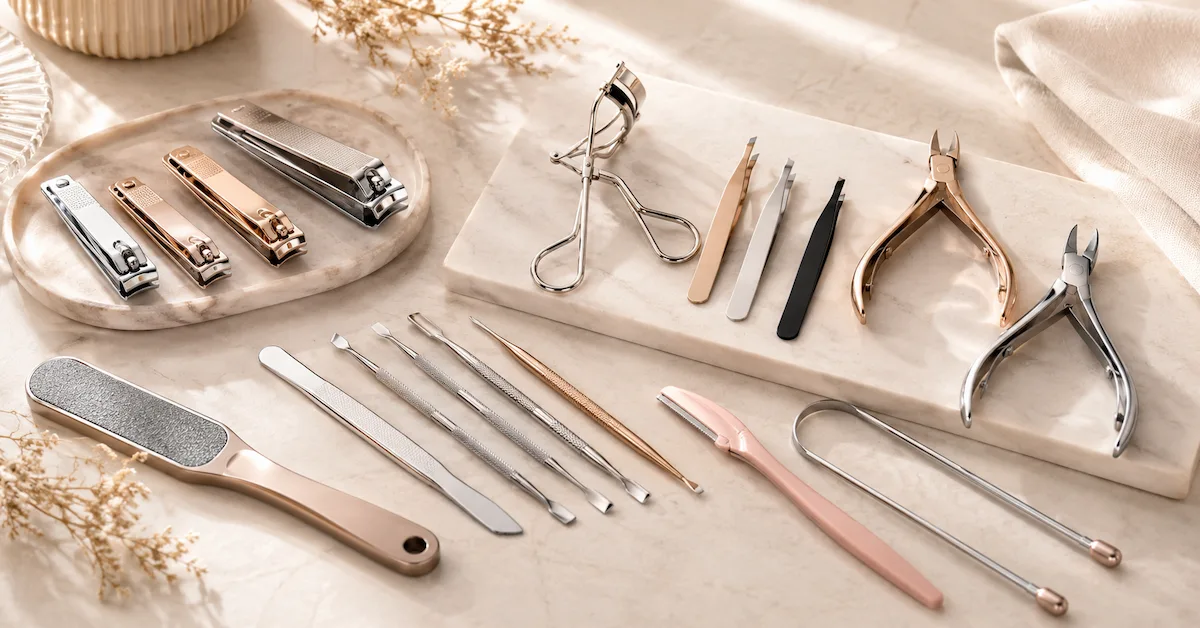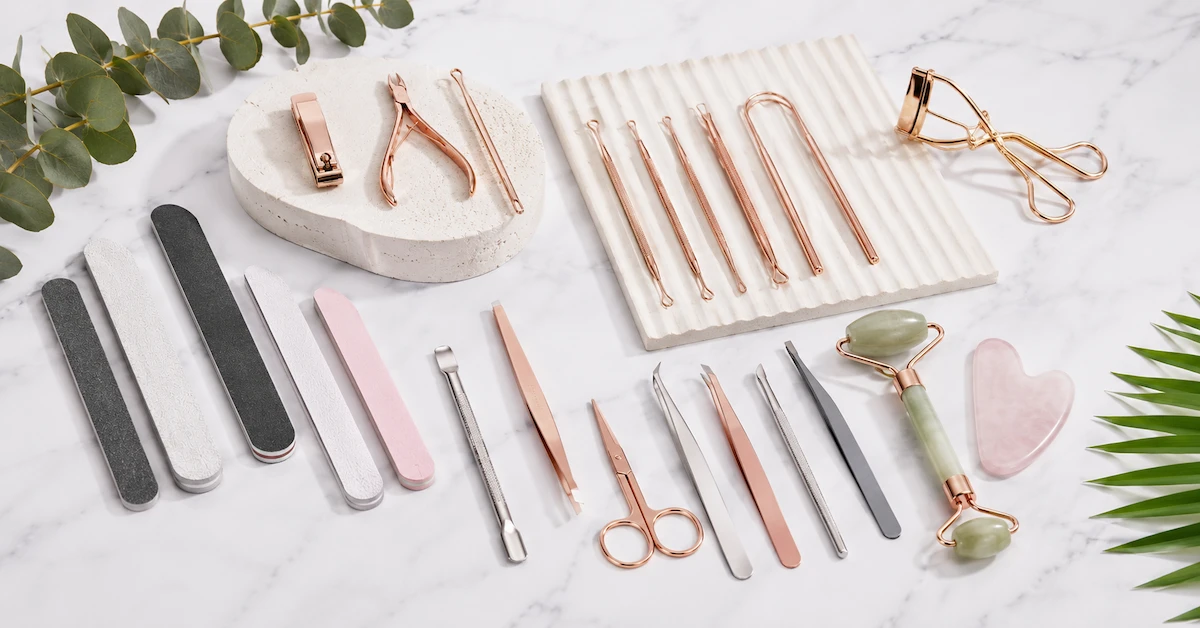












If you are planning a bulk purchase grooming tools order, the real question is not simply how many sets fit into a carton. The harder question is whether the assortment will serve your customers, staff, or private-label strategy without creating avoidable quality issues later. Grooming kits look straightforward on a listing page, but once you put them into retail, salon, or hospitality use, details start to matter fast: how the tools are arranged, what the handles feel like, whether the case closes cleanly, and whether the set covers the basic jobs people actually perform.
This matters because grooming kits are usually bought as a bundle decision. Buyers are not picking a single clipper or a single file; they are deciding whether an entire mixed set is convenient enough to keep, gift, resell, or use repeatedly. That is where wholesale pet grooming tools and personal-care tool assortments start to overlap in procurement logic: you are looking for compact packaging, dependable mechanisms, and enough variety to justify the SKU. When those pieces are in balance, the set sells itself better. When they are not, returns and complaints can be annoyingly mundane, which is often worse.
What is typically inside a mixed grooming set
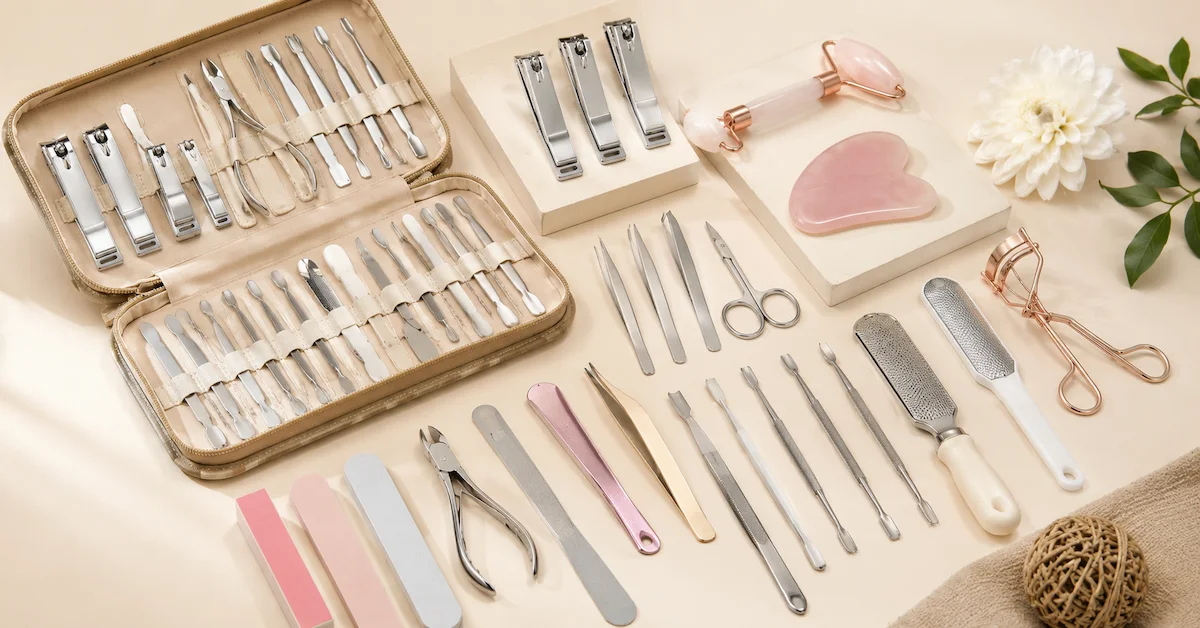
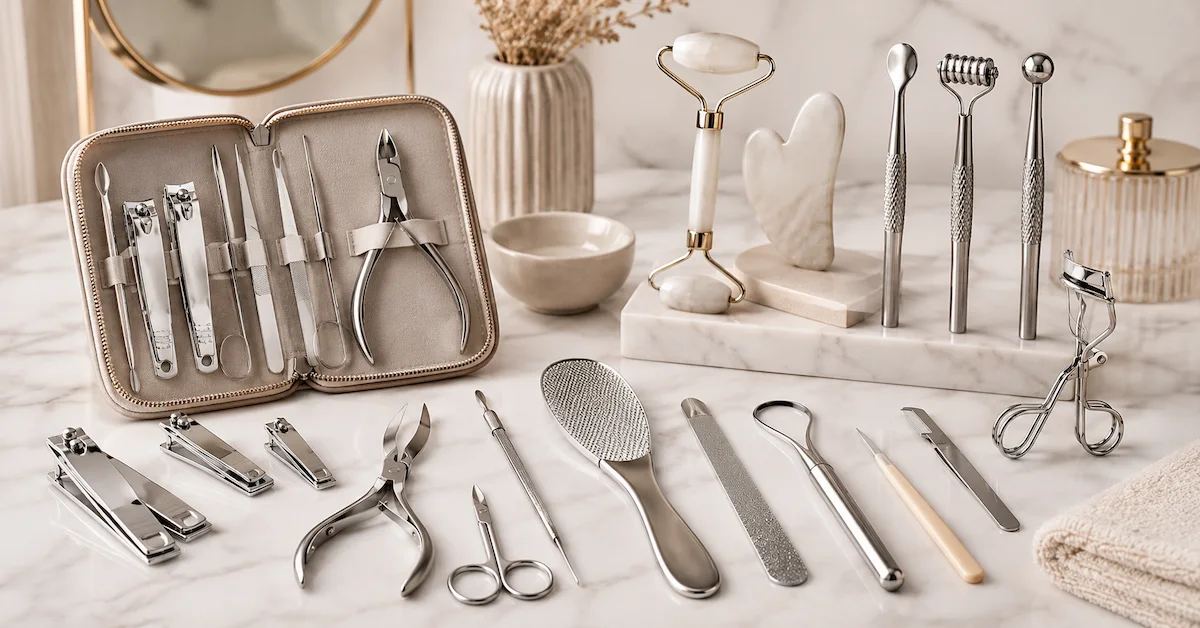
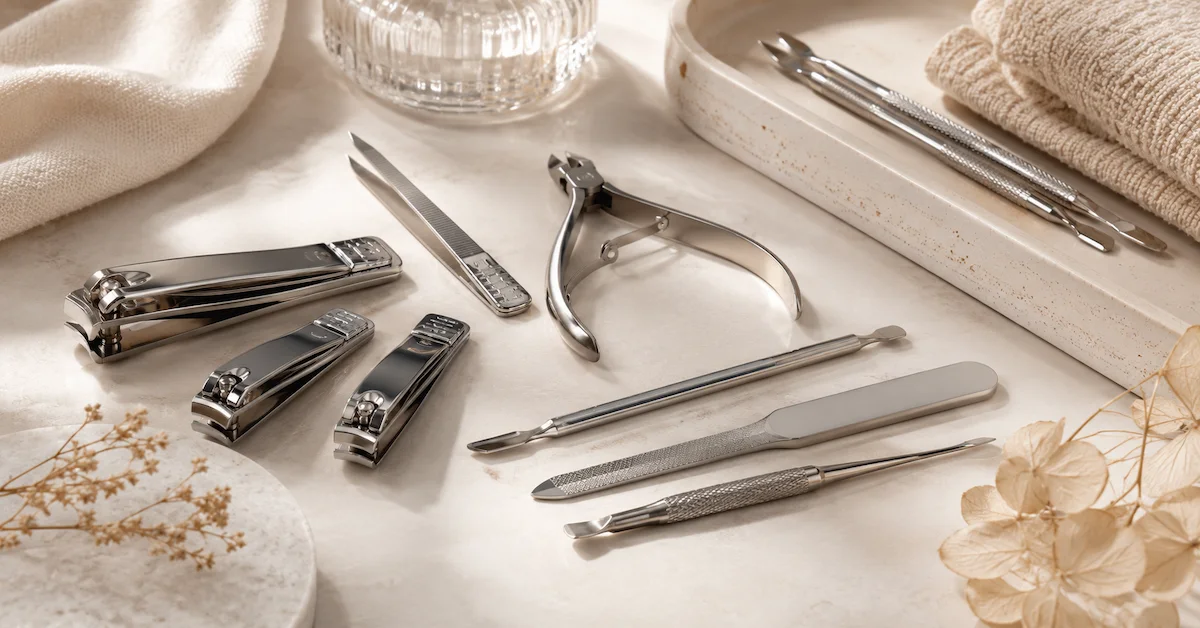
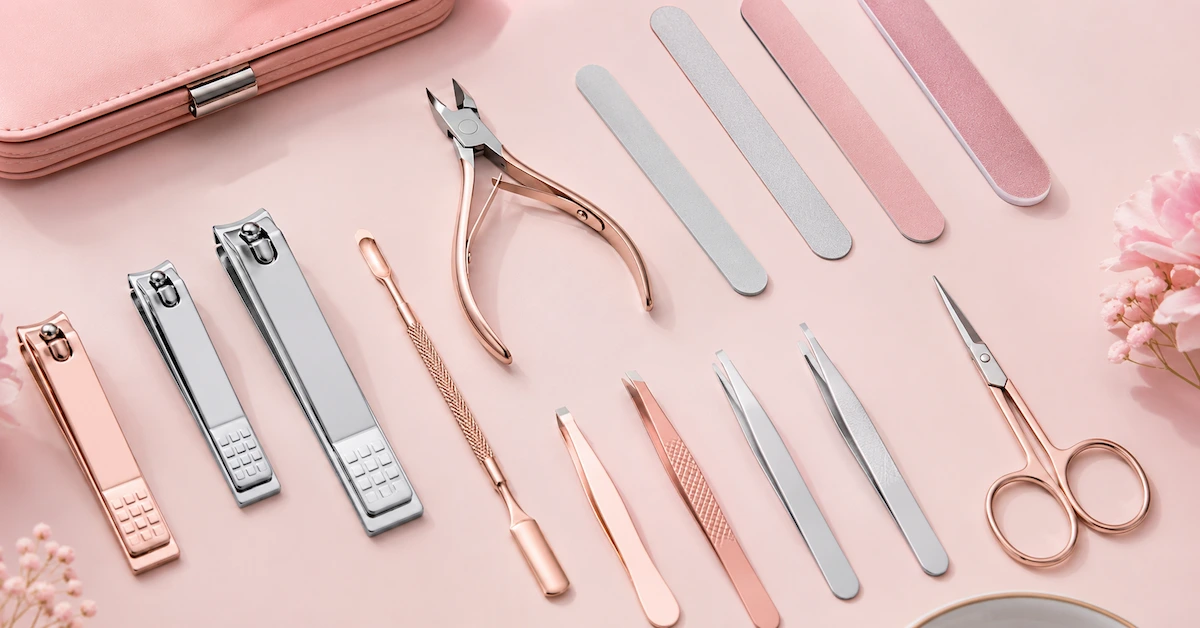
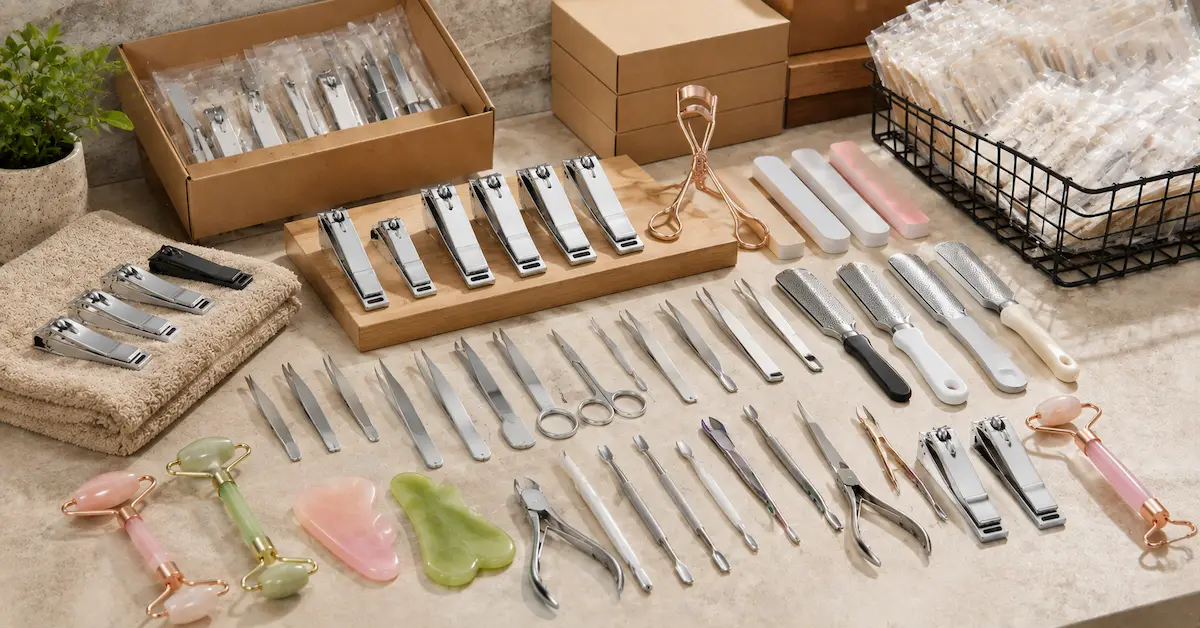
The product type described here is a mixed manicure/pedicure and grooming tool set, which places it squarely in the broader family of bulk pet grooming supplies and human personal-care kits, depending on how it is marketed. The assortment shown includes multiple nail clippers in different sizes or styles, cuticle nippers, cuticle pushers, tweezers, scissors, nail files or emery boards, and foot rasps or callus removers. There are also smaller metal implements that appear intended for cleaning or picking around nails and skin. On the beauty side, the set includes an eyelash curler and facial massage accessories in a jade-roller style and a gua sha-like shape.
That mix tells you something important: the bundle is designed for cross-use convenience, not for one highly specialized job. A buyer should read that as both an advantage and a warning. The advantage is obvious—more perceived value in a single case. The warning is equally practical: if your market expects deeply specialized tools, a broad assortment may feel useful but not exceptional. In wholesale, that distinction changes how you position the item and where you price it.
Why the case matters as much as the tools
One easy mistake in sourcing grooming sets is treating the case as packaging only. It is not. In a portable kit, the case is part of the product’s utility. The zippered beige carry case described here uses individual elastic loops or slots, which is a sensible design choice because it keeps tools from colliding during storage. For buyers, that means less rattling, easier shelf presentation, and a cleaner unboxing experience.
A clamshell-style layout also helps users identify missing pieces at a glance. That sounds minor, but it reduces the feeling of clutter. For retail, especially in gift or travel categories, organization can be as persuasive as the tool count. A chaotic bundle with loose tools looks cheaper even if the metal is fine. A neat case with visible order tends to read as more premium, or at least more considered.
Material and construction cues buyers should check
Most of the visible tools appear to be stainless steel or a similar metal with polished, brushed, or matte finishes. That is standard for this category, and it is usually the right baseline for nail care, cuticle work, and simple grooming tasks. The important part is not the shine; it is consistency. When a mixed set includes several finish types, buyers should look closely at whether the surfaces feel intentionally executed or simply assembled from different sourcing lots.
Look at hinge action on clippers and nippers. Check whether the handles align cleanly and whether the lever motion feels smooth rather than loose or gritty. On tweezers, tip alignment matters more than appearance. A well-made tweezer is a small thing, but a poorly aligned one is the kind of failure customers notice immediately. Files and rasps are more forgiving in appearance, yet the textured face still needs to look even and purposeful rather than patchy.
The facial accessories are a little different. The smooth pink-toned massage tools appear to be stone or resin-like materials, but their exact composition cannot be confirmed from the image alone. That is worth stating plainly in procurement. If a supplier is marketing a natural material, ask for documentation or clear product specifications before you build a listing around it. Buyers are increasingly sensitive to this sort of claim, and sloppy naming can create more trouble than it is worth.
How to decide whether this kind of set fits your channel
The best use case for a mixed grooming kit is usually one of three channels: at-home personal care, salon/travel kits, or retail gift bundles. Each one values the set a little differently. Home users want convenience and breadth. Salon or mobile professionals care more about portability and replacement logic. Gift buyers want presentation, which is why the case and mixed materials matter so much.
If you are comparing wholesale pet grooming tools against human grooming assortments, be careful not to blur the intended audience. Some tool styles overlap, but the commercial context is not the same. Pet grooming buyers may prioritize sturdier grip shapes and task-specific combs or trimmers, while human personal-care buyers often respond to compactness, aesthetic finishes, and multi-use accessories. The wrong framing can make a perfectly decent product feel off-market.
Quick buyer checklist
Before placing a bulk order, it helps to ask a few unglamorous questions:
Does the set cover the tasks your customers actually perform most often?
Are the tools organized in a way that supports repeated use, not just first-time unboxing?
Do the materials and finish quality look consistent across the full assortment?
Is the case durable enough for travel, retail handling, or drawer storage?
Will the aesthetic fit your channel, whether that means pharmacy, beauty, gift, or private label?
Common sourcing mistakes in bulk grooming tool orders
The first mistake is buying for quantity alone. A large multi-piece assortment looks attractive in a catalog, but excess variety can dilute the value of the core tools. If the clippers and tweezers are the only items customers truly use, the extra pieces need to justify their place. Otherwise they become filler, and buyers notice that sooner than suppliers expect.
The second mistake is assuming all metal grooming tools are functionally equal. They are not. The difference between acceptable and frustrating often shows up in small mechanical details: hinge resistance, edge finishing, file consistency, or handle ergonomics. A product can look polished on a white background and still feel awkward in hand.
The third mistake is overpromising on material identity. If a pink facial tool is “jade-inspired” or “stone-like,” say that carefully unless you have clear evidence of the exact material. That kind of wording discipline is especially useful in wholesale pet grooming supplies and beauty bundles, where listing accuracy has to survive platform review, distributor questions, and customer skepticism all at once.
What a practical buyer should ask a supplier
When you talk to a supplier, ask for more than a product photo. Request the exact contents of the kit, the packaging configuration, and the available finish options. If the set can be customized, ask which components are fixed and which can be changed. In mixed grooming kits, substitutions are common, and not all substitutions are equal. Swapping one clipper style for another may be fine. Swapping an actual working tool for a decorative placeholder is not.
If you need wholesale pet grooming tools or general grooming kits for resale, ask how the tools are assembled and finished. The product category is typically made through stamping, grinding, polishing, bending, and assembly for metal instruments, but that broad process description is not enough on its own. What matters is how controlled the final result is. Buyers do not need a factory lecture; they need evidence that the set will remain consistent from one batch to the next.
Practical positioning tips for retail and gifting
This kind of kit is easiest to sell when the use case is obvious. “All-in-one grooming case” is clearer than trying to make every component sound essential. If your customer is shopping for a travel kit, emphasize compact storage. If they are buying for a home vanity, emphasize organization and variety. If they are buying for gifting, the presentation does a lot of the work.
For private label programs, the beige case and mixed rose-gold and pastel accents create a soft, lifestyle-oriented look. That can be useful if your brand sits near beauty, self-care, or accessory retail. It may be less suitable if your channel is more clinical or utilitarian. A buyer can get into trouble by choosing a product aesthetic that conflicts with the rest of the shelf.
Frequently overlooked details that affect reorder rates
Tool retention inside the case is one of those details that rarely gets mentioned in product descriptions but often shows up in customer behavior. If tools slip out too easily, the set feels less dependable. If elastic slots are too tight, users may stop putting things back properly. Small frustrations like that influence repeat demand more than suppliers sometimes admit.
Another overlooked point is how the set photographs after handling. Fingerprint-prone polished metal can look very different in a catalog than after a few consumer touches. Matte or brushed finishes often age more gracefully in display settings. That does not make them better in every case, but it is a useful practical consideration for retailers and distributors.
What to do next if you are sourcing this category
If you are evaluating a bulk purchase grooming tools order, start by mapping the set against your channel rather than against a generic idea of “complete.” Decide whether your priority is retail appeal, travel convenience, salon utility, or gift presentation. Then compare the contents, finish, and case design against that purpose. It is a simple step, but it prevents a lot of expensive second-guessing after the goods arrive.
For buyers working with wholesale pet grooming tools or broader bulk pet grooming supplies searches, the same discipline applies: match the assortment to the customer, then inspect the mechanical quality and packaging logic before committing to volume. The best mixed kits are not the ones with the most pieces. They are the ones that feel coherent in hand, organized in storage, and sensible on the shelf.
If you are shortlisting suppliers, ask for a full contents sheet, packaging images, and a sample unit before you place any meaningful order. That is the most reliable way to separate a useful kit from a merely crowded one.