
Best Eyebrow Tweezers: A Selection Guide for Buyers
For general eyebrow grooming, a well-aligned slant tip usually offers the most versatile balance of broad grip and single-hair control. Buyers still need to test tip contact, closing tension, edge finish and comfort across multiple samples.
The best eyebrow tweezers combine appropriate tip geometry with even contact and controlled closing tension.

Why Eyebrow Tweezers Need More Precision Than General Tweezers
Eyebrow hairs can be short, fine, angled, or partially hidden against the skin. A general-purpose tweezer may be useful for many tasks, but brow grooming requires a tool that can isolate one hair at a time without catching surrounding hairs. This is especially important when cleaning the lower brow line, shaping the arch, or removing stray hairs between appointments.
A good eyebrow tweezer should grip evenly along the tip. If only one corner makes contact, the hair can slide away or snap before it is removed from the root. When tweezers break hairs repeatedly, regrowth may look uneven and the skin can become tender from multiple attempts. Clean removal depends on the combined performance of the tip edge, the spring tension of the arms, and the user’s ability to see and control the hair being removed.
For personal users, precision means less time spent in the mirror and fewer red marks after grooming. For professionals and product buyers, it also affects customer satisfaction, repeat use, and perceived product quality. Tweezers are small, but the user judges them by immediate performance.
Key Features to Compare Before Choosing Brow Tweezers
When evaluating eyebrow tweezers, focus on functional details rather than decorative finishes alone. The following criteria are useful for home users, salon buyers, and sourcing teams reviewing product options.
Tip alignment: The two tips should meet evenly without visible gaps. Proper alignment improves grip on fine and short hairs.
Tip style: Slant-tip tweezers are a common choice for eyebrows because the angled edge can work along the brow line while still allowing targeted plucking.
Material: Stainless steel tweezers are valued for durability, resistance to rust, and easier cleaning after use.
Tension: The arms should close with controlled pressure. Too stiff can tire the hand; too loose can reduce gripping power.
Edge finish: The gripping surface should be precise enough to catch hair but not so rough that it cuts or frays the strand.
Body shape: A comfortable holding area helps users maintain control, especially when working on small brow areas.
Protective storage: A cap or clean storage method helps protect the aligned tips from being bent in a makeup bag or drawer.
These details matter more than broad claims such as “professional quality.” A buyer can often evaluate a sample by checking whether the tips close evenly, whether the tweezer holds a single fine hair without slipping, and whether the arms return smoothly after pressure is released.
For a sourcing review, test more than one piece and record the same observations for each sample:
| Sample check | What to observe |
|---|---|
| One-hair grip | The hair is held without repeated slipping or cutting |
| Closure under strong light | Both tips meet at the intended contact area without a visible gap |
| Arm return | The arms reopen smoothly after normal pressure |
| Edge and handle feel | No burrs, rough corners or uncomfortable pressure points |
| Piece-to-piece repeatability | The same grip and tension are present across the sample set |
| Storage fit | A cap, pouch or insert protects the aligned tips without forcing them sideways |
Slant Tip, Point Tip or Flat Tip: Which Is Best for Eyebrows?
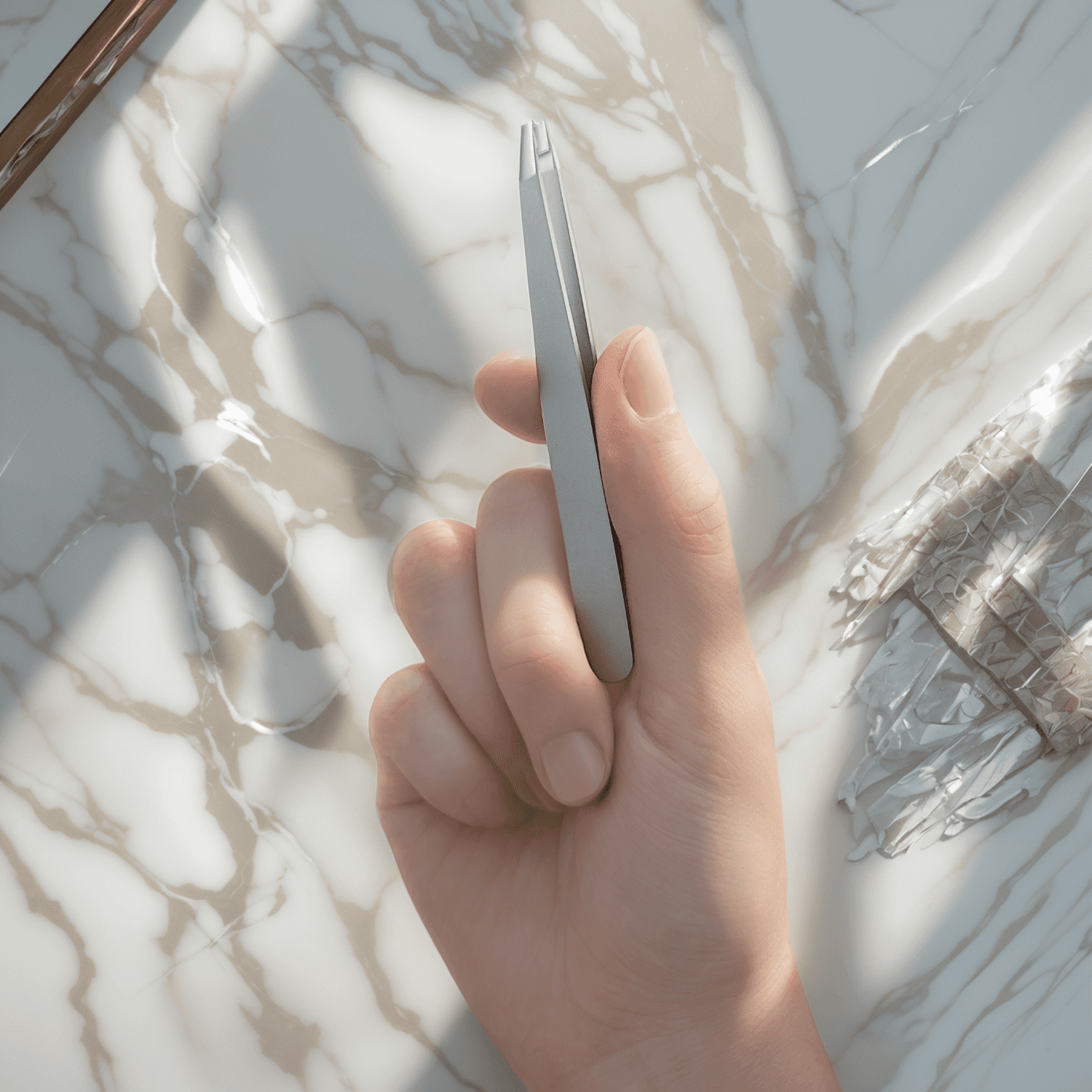
Different tweezer tips are designed for different levels of control. For most eyebrow routines, a slant tip is the most versatile choice. The angled edge can rest naturally against the skin, making it easier to approach hairs from the correct direction. It can also be used with the pointed corner for more detailed work near the brow tail or arch.
Point-tip tweezers can be useful for extremely fine hairs or ingrown hairs, but they require a steadier hand and careful placement. They are not always the easiest option for quick brow cleanup because the narrow point can miss hairs if the user is not precise. Flat-tip tweezers can grip larger areas, but they are generally less suitable for eyebrow shaping because they may catch more than one hair at a time.
If you are selecting a tweezer for a broad audience, such as a retail grooming kit or a standard brow tool, a finely aligned slant-tip design is usually the safest and most practical direction. If you are building a complete beauty tool range, you can compare options across Olimor Beauty product collections to match different use cases and packaging needs.
How to Tweeze Eyebrows Cleanly and Comfortably
Technique is as important as the tool. Even the best tweezers for eyebrows will not perform well if hairs are pulled at the wrong angle or if the skin is oily and difficult to grip. The goal is to remove only the intended hair, as close to the root as possible, while minimizing discomfort.
Start with clean skin. Remove makeup, oil, and skincare residue from the brow area so the tips can grip the hair, not product buildup.
Use good lighting. Natural light or a bright mirror helps prevent over-plucking and makes fine hairs easier to see.
Brush brows into place. This reveals the natural shape and helps distinguish stray hairs from hairs that support the brow line.
Hold the skin taut. Gently stretch the skin with one hand to reduce pulling and help the hair release more cleanly.
Grip close to the root. Place the tweezer tips as near to the skin as possible without pinching.
Pull in the direction of growth. A swift, controlled pull helps reduce breakage and discomfort.
Pause and check symmetry. Step back regularly. Removing one hair at a time is safer than trying to reshape the brow quickly.
Tweezing after a warm shower can make the process more comfortable because warmth helps soften the skin. However, the area should still be dry before tweezing so the hair does not slip. Avoid aggressive plucking when the skin is irritated, sunburned, or freshly treated with strong exfoliating products.
Common Mistakes That Lead to Poor Brow Results
Many brow problems come from rushing rather than from the tool itself. One common mistake is pulling upward instead of following the direction of hair growth. This can break the hair and leave a visible dark dot under the skin. Another mistake is using dull or misaligned tweezers and squeezing harder to compensate, which increases the risk of pinching the skin.
Over-plucking is also easy when working too close to a magnifying mirror. Magnification helps identify fine hairs, but it can make normal brow density look excessive. Use magnification for detail work, then check the overall shape in a regular mirror before continuing. It is usually better to remove fewer hairs and adjust later than to create a gap that takes weeks to blend back in.
For professional environments, hygiene mistakes can be even more serious. Tweezers should be cleaned between uses, stored properly, and inspected for damaged tips. A bent tip or uneven closure should not be ignored because it can reduce accuracy and comfort.
Care and Maintenance for Stainless Steel Tweezers
Stainless steel tweezers are a strong choice for brow grooming because they are durable and easier to keep clean. Still, they need proper care to maintain alignment and grip. After each use, wipe the tips to remove skin oils, hair fragments, and cosmetic residue. In professional or shared-use settings, follow the tool maker’s validated care instructions and the applicable salon hygiene protocol; do not assume a single wipe method is sufficient.
Dry the tweezers before storage. Moisture left on any beauty tool can affect appearance and hygiene over time. Store the tweezers in a clean, dry place, ideally with a protective cap if available. The tips are the working part of the tool; if they are dropped, bent, or pressed against hard objects in a crowded bag, even a small change in alignment can affect performance.
A simple maintenance routine helps extend the useful life of the tool:
Wipe residue from the tips after every grooming session.
Keep the gripping edges protected during storage and travel.
Do not use eyebrow tweezers for tasks that may deform the tips, such as prying, scraping, or pulling hard non-beauty materials.
Inspect the tips regularly under good light to confirm they meet evenly.
Replace the tool when alignment or gripping power can no longer be maintained.
Considerations for Retailers, Salons and Beauty Tool Buyers
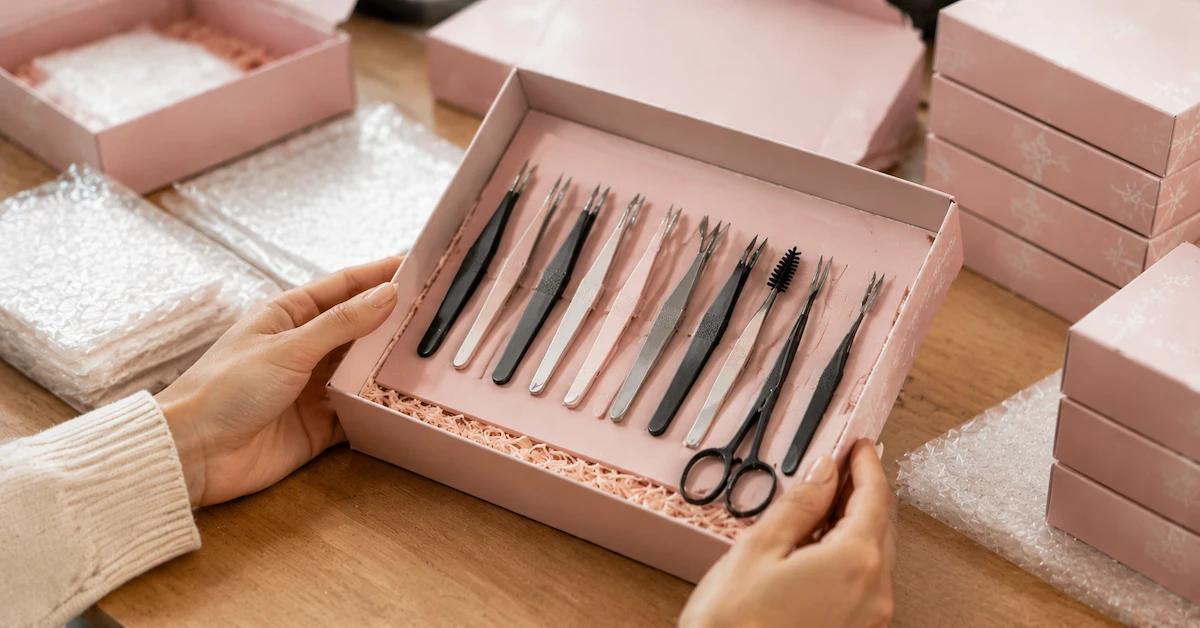
When sourcing eyebrow tweezers for resale, kits, or professional use, the sample review should go beyond appearance. Test consistency across multiple pieces, not just a single sample. Look for clean finishing, stable arm tension, and reliable tip contact. Packaging should also protect the tips during transport because a well-made tweezer can still arrive damaged if the point of contact is exposed. Approve the cap, pouch or insert with the actual tweezer so the pack does not press the arms together or push the tips out of alignment.
The best tweezers for eyebrows should feel precise from the first use and remain dependable with proper care. By focusing on tip alignment, stainless steel construction, controlled tension, and correct technique, users can achieve cleaner brow maintenance with less irritation and fewer broken hairs. For buyers, those same features create a more reliable product experience and a stronger foundation for beauty tool selection.
Prepare a Clear RFQ
Review the Olimor tweezer category, compare the eyebrow tweezer product reference, and then request eyebrow tweezer samples. Include the intended user, target market, product dimensions or reference, finish, logo, packaging, sample quantity and inspection expectations so the response can be based on the actual project.
Buyer FAQ
Are slanted tips always best for brows?
They suit many general shaping tasks, but the right tip depends on hair, access and user technique.
Why do tweezers cut hair instead of pulling it?
Possible causes include a sharp or misaligned contact area, excessive pressure or an unsuitable pulling angle.
When should tweezers be replaced?
Remove a pair from use when tips are damaged, contact cannot be restored or the surface no longer supports safe care.
Why do eyebrow tweezers slip?
Misalignment, residue, unsuitable tension, worn tips or an incorrect pulling angle can all contribute.
Can damaged tips be bent back into place?
Do not improvise a repair for professional use; remove the tool if reliable contact and surface condition cannot be confirmed.
How should tweezers be stored?
Keep them clean, dry and protected from impacts that can damage the working tips.
Which tweezer tip is easiest for a beginner?
A slant tip is often versatile, but the best choice still depends on hair type, visibility and hand control.
How can tip contact be checked?
Close the tool gently under good light and confirm the intended gripping surfaces meet without twisting or a visible gap.
Should care instructions promise sterilization compatibility?
Only state a cleaning or sterilization method after the material, finish and process have been verified.
Test the Best Tweezers for Eyebrows at the Tips
Use a fine test fiber to observe where the tips grip and whether the item pulls without cutting or sliding. Repeat the closure at several positions instead of testing only the widest part of the slant.
Tension should let the arms open reliably while avoiding unnecessary hand fatigue. Compare several units from the sample set because one carefully adjusted pair cannot establish production consistency.
Finish and cleaning instructions belong in the selection record. Smooth non-working edges, a stable grip and a surface compatible with the intended care routine all affect repeat use.
- tip format tied to a brow task
- full and repeatable contact
- arm symmetry and tension
- grip position near the working end
- smooth finish and readable marking
- care and dry-storage instructions
Evidence boundary: Material grades, dimensions, test limits, MOQ, timing, certifications and destination-market documents remain project-specific unless the current quotation and approved sample confirm them.
For buyers comparing beauty tool options, the most important factors are tip shape, tip alignment, material, grip comfort, and finishing quality. Stainless steel tweezers are commonly preferred because they are durable, easy to clean, and suitable for frequent grooming environments. However, material alone is not enough. The tool also needs precise contact between the tips, a balanced spring tension, and a shape that matches how the user holds and angles the tweezer near the brow line.
Material, Hygiene, and Durability Considerations
Eyebrow tweezers come into direct contact with skin, so hygiene should be part of the buying decision. Stainless steel tweezers are a practical choice because they are generally resistant to corrosion and can be wiped clean after use. For personal grooming, cleaning the tips before and after tweezing helps reduce the transfer of oil, makeup residue, and skin debris. In salon or retail settings, tool care procedures should be consistent with local hygiene requirements and the way the tools are used.
Durability also depends on finishing. A tweezer can be made from a strong material yet still perform poorly if the tips are uneven or the arms feel unstable. The best tweezers for eyebrows should maintain their shape through normal use, close with consistent pressure, and resist becoming misaligned when stored properly. Avoid tossing tweezers loose into a crowded cosmetic bag where the tips can be knocked against metal files, scissors, or other hard tools.
For sourcing or stocking beauty tools, compare products not only by appearance but by repeatable function. Olimor Beauty offers beauty tool options for buyers who need practical grooming instruments, and you can review broader categories through beauty tool products or browse related product collections when building a product range.
Use Precision Eyebrow Tweezers with Tip Control
Approach the hair close to its base while keeping the skin and tip visible. Pull in the direction of growth with steady control rather than twisting the tool or increasing pressure after a missed grip.
For buying, test a fine fiber at different points along the slant. A single contact spot can make the tool feel inconsistent even when the tips appear aligned from one angle.
Protect the working end during storage. Tip damage, drops and residue can change contact, so care instructions and a suitable cap or package matter beyond presentation.
- slant angle for the intended brow task
- contact across the working faces
- arm return and tension
- smooth edges near the tip
- care and drying method
- tip protection during storage
Evidence boundary: Material grades, dimensions, test limits, MOQ, timing, certifications and destination-market documents remain project-specific unless the current quotation and approved sample confirm them.
Olimor Beauty’s Professional Makeup Eyebrow Tweezers are designed for precise brow grooming, using premium stainless steel with a slanted, sharp-tip design. The combination is practical: stainless steel supports durability and easier cleaning, while the angled tip helps users approach brow hairs from a comfortable direction. Whether you are refining your own brows at home or selecting tools for a beauty kit, the most important buying factors are tip alignment, grip, tension, material and the intended grooming task.
How to Use Tweezers for More Accurate Brow Shaping
Good tweezers make brow grooming easier, but technique still matters. Removing hair too quickly, pulling against the growth direction or working without a clear shape can lead to uneven brows. A simple process helps protect the brow line and improves comfort.
- Clean the skin and tool. Start with clean, dry skin and clean tweezers. This improves grip and supports better hygiene.
- Brush brows into place. Use a spoolie or brow brush to reveal the natural growth pattern before removing anything.
- Map the basic shape. Identify the start, arch and tail. Avoid removing too much from the top unless you are correcting obvious stray hairs.
- Hold the skin gently taut. This gives the tweezers a cleaner path to the hair and may reduce discomfort.
- Grip close to the root. Use the slanted tip to catch one hair at a time as close to the skin as possible without pinching.
- Pull in the direction of growth. This helps reduce breakage and makes removal smoother.
- Pause and check symmetry. Step back after every few hairs. Brows should look related, not necessarily identical.
For very fine hairs, use the pointed corner of the slanted tip. For longer stray hairs below the brow, the wider slanted edge may feel steadier. The goal is not to remove every tiny hair, but to create a cleaner frame while preserving the natural density of the brows.
Sourcing Tweezers for Beauty Retail or Salon Use
For buyers, a tweezer should be evaluated as both a grooming tool and a customer experience item. The end user will judge it by how easily it grabs short hairs, how comfortable it feels in the hand, and whether it stays dependable after repeated use. Before adding any tweezer to a product line, prepare a sample review process that includes performance, appearance, packaging, and after-use feedback.
Useful sourcing questions include: Does the tweezer grip fine and coarse brow hairs without repeated attempts? Are the slanted tips consistent across multiple samples? Is the finish smooth near the gripping edge? Does the handle feel stable for left- and right-handed users? Is there enough packaging protection to prevent tip damage during shipping and display?
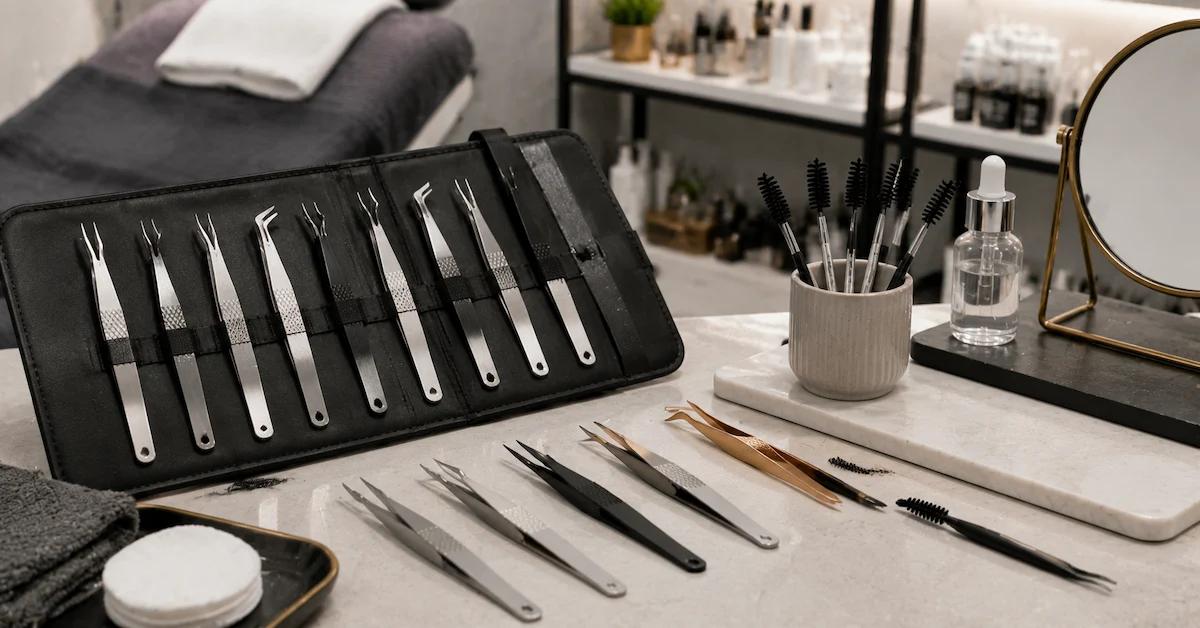
Retailers may also want to consider whether the tweezer fits into a broader beauty-tool assortment. A single brow tweezer can be sold alone, included in grooming kits, or merchandised with mirrors, scissors, brushes, and other care tools. If you are developing a beauty tool range or comparing options for your market, you can send an inquiry with your project requirements or contact Olimor for product discussion.
Match tip geometry to the task
A slant tip can offer broad contact and corner access, while pointed or flat profiles serve different pickup and visibility needs. Review the intended hair type, user skill and package instructions together. Under good light, close each sample gently and record whether the gripping surfaces meet evenly without twisting, a sharp edge or a visible gap. Only publish care or sterilization guidance that has been confirmed for the exact material and finish.
Tag: