
Beauty Tools for Ecommerce: Private Label Launch Guide
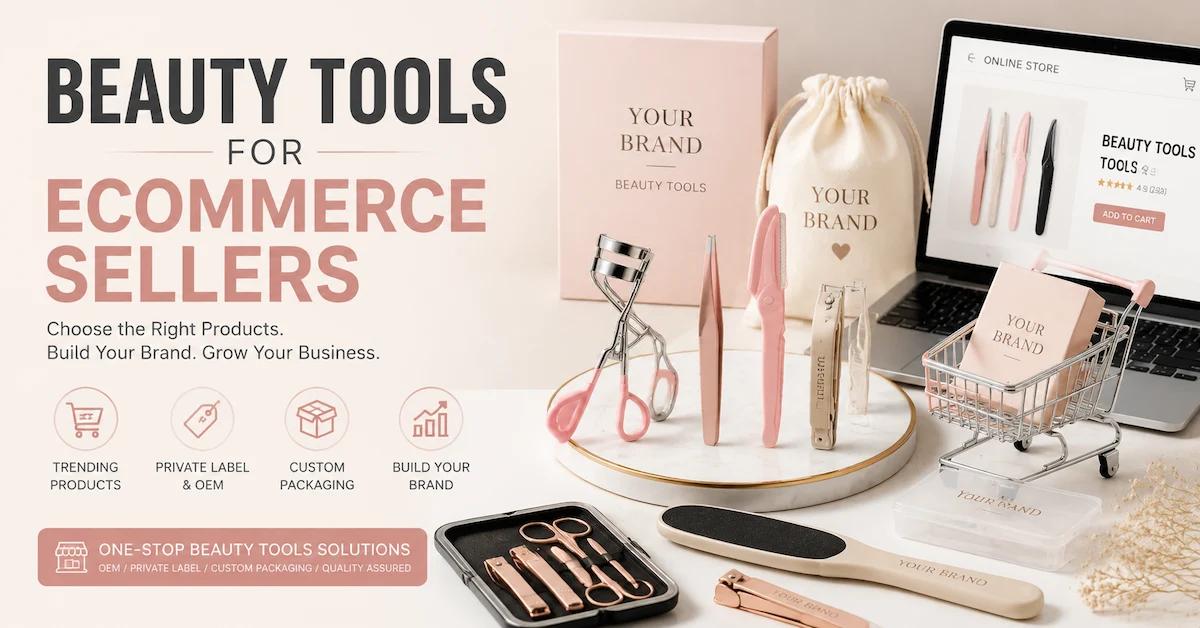
Beauty tools for ecommerce need more than attractive packaging. Sellers should control product evidence, listing claims, sample identity, photography, pack protection, SKU data and reorder changes before a page goes live.
Build the listing from the approved saleable configuration, not from a generic supplier description. Every measurable statement, material name, image and care instruction should match the model that customers will receive.

Choose a Product With a Clear Online Role
Define the customer task, sales channel, price position and reason the SKU belongs in the range. Avoid launching several near-identical tools that compete for the same keyword and inventory. Each product should have a distinct model code and a plain-language use case.
Evaluate function before branding. A clipper, tweezer, curler, file or scissors requires a different working-interface check. Product appearance can support the offer, but it cannot replace evidence for cutting, gripping, curling, filing or moving parts.
Create a Listing Evidence Sheet
For every proposed claim, record its source and approval status. Dimensions should come from the controlled model record. Materials, finishes and care compatibility require current model-specific confirmation. Benefits should be limited to what the design and buyer review actually support.
| Listing field | Required source | Launch control |
|---|---|---|
| Title and model | Approved SKU and product role | One identity across listing and pack |
| Dimensions | Current measured or drawing reference | Match the photographed sample |
| Material or finish | Model-specific supplier evidence | Remove unsupported wording |
| Care instructions | Confirmed product guidance | Keep claims within validated conditions |
Approve the Sample Before Photography
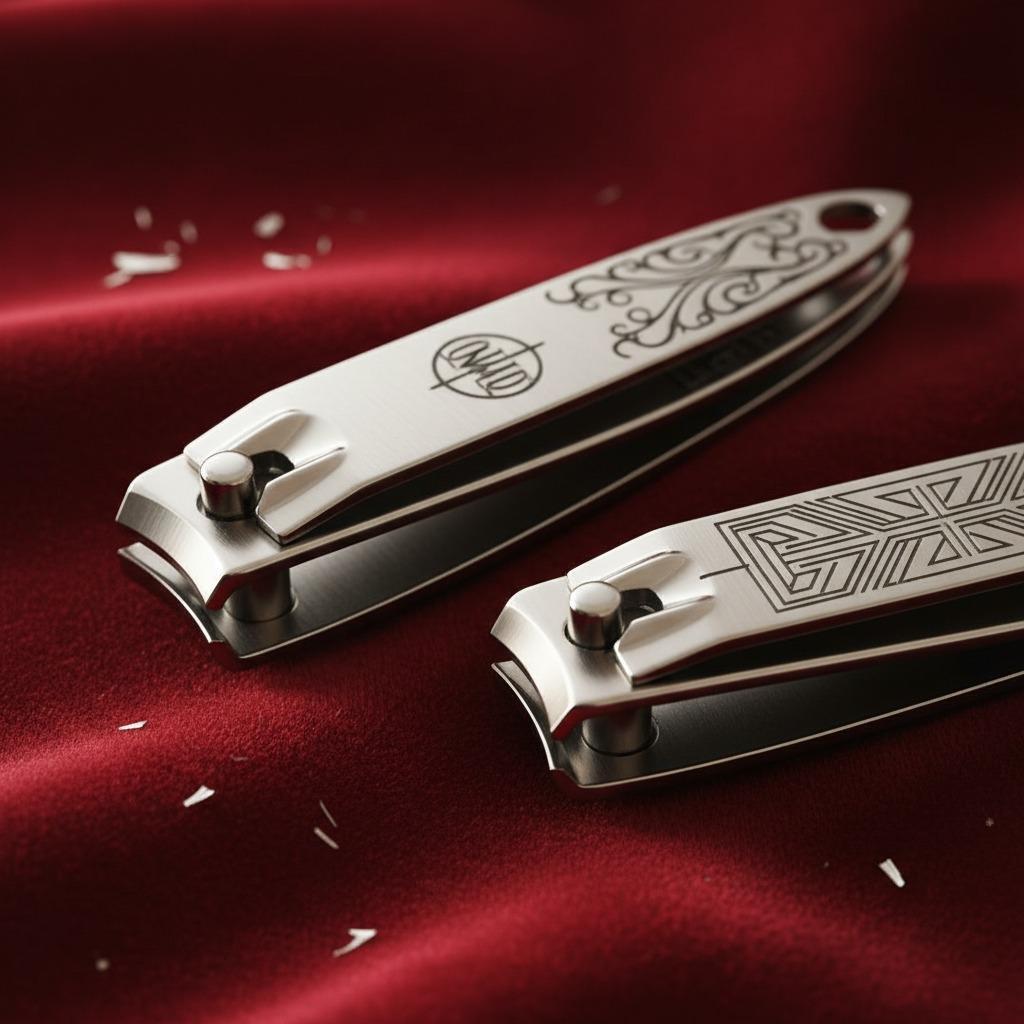
Photography should use the same model, finish, logo and package that production will follow. Record the sample revision and keep it with the final files. If an image uses a prototype, mark it internally and replace it before launch when the production configuration changes.
Capture the complete product, working area, scale, package and included components without hiding relevant details. Do not use one product image for a different model or repeat the same cover and body image across unrelated articles or listings.
Treat Packaging as Fulfilment Equipment
The package must protect working ends and finished surfaces through storage, pick-and-pack and delivery. Check tray retention, cap fit, edge separation, barcode readability and whether the unit can be returned to the pack without damage.
Confirm unit, inner and master-carton identity. Ecommerce operations need reliable dimensions and weights for the actual saleable configuration; obtain and verify them rather than copying a value from another SKU.
Set Up SKU and Change Control
Connect the listing SKU, purchase order, unit label, carton label and approved sample. Keep artwork and pack revisions in the same record. Require notice before changes to geometry, material statement, finish, logo, included components or package.
When a change is proposed, review which images, claims, instructions and fulfilment data are affected. Do not allow a supplier substitution to reach customers under an unchanged listing without buyer approval.
Plan Inspection and Replenishment
Define model-specific function checks plus common identity, finish, artwork and packaging checks. Record issues by SKU so returns and receiving findings can be compared with the approved reference. Use actual sales, available stock, open orders and current supply timing for reorders.
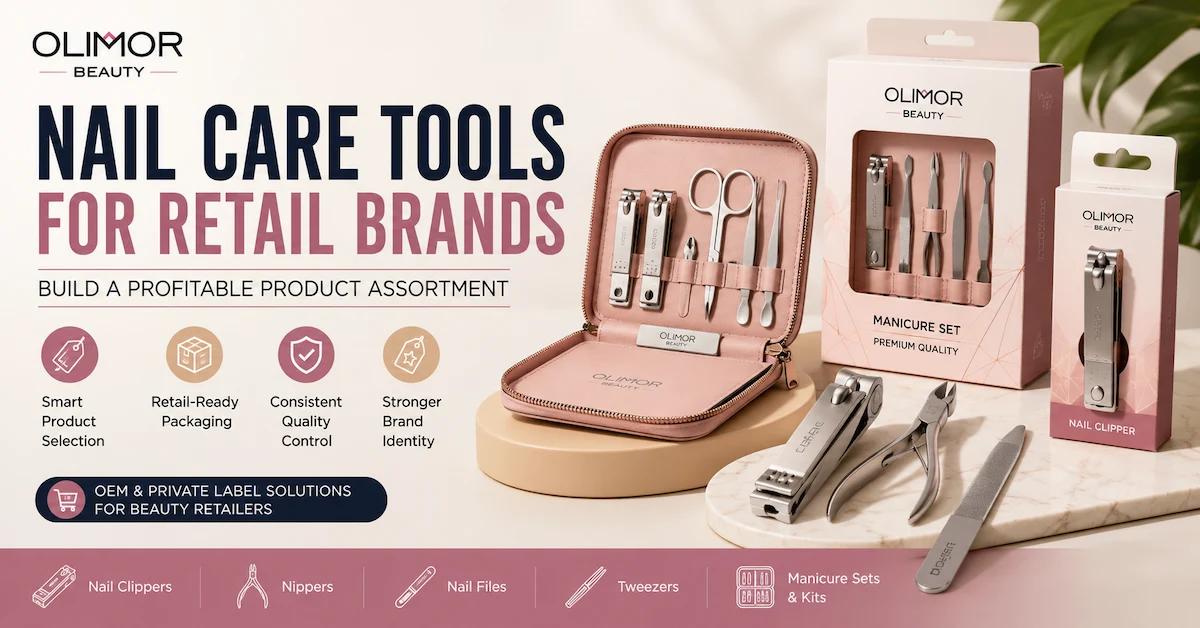
Use the Olimor nail care tool range as one source of candidate SKUs. The separate grooming tools assortment guide helps prevent overlapping roles across a broader store range.
Buyer FAQ
Can supplier copy be published unchanged?
No. Verify model identity, claims, dimensions, materials and care statements against current evidence and the approved product.
When should product photography happen?
After model, finish, logo and packaging are stable enough to represent the saleable unit accurately.
What makes a private label SKU repeatable?
A controlled model, retained sample, current artwork, pack revision, inspection method and documented approval of any change.
Build the Ecommerce Sourcing Brief
Provide the customer task, SKU role, product checks, claims, quantity, branding, package, destination and launch schedule. Then send Olimor the ecommerce beauty tool brief to separate confirmed options from evidence still needed before listing.
Tag: