Importing Nail Clippers from China: Quality Checks for Global Buyers
Nail clippers are small, familiar grooming tools, but they are not simple products from a sourcing perspective. A clipper that feels sharp on the first cut can still fail if the lever loosens, the cutting edges are misaligned, the plating chips, or the packaging is not suitable for retail handling. For beauty brands, wholesalers, salons, and personal care distributors, importing nail clippers from China can be a practical way to build a competitive product line, provided the buyer evaluates quality, design, compliance, and logistics with care.
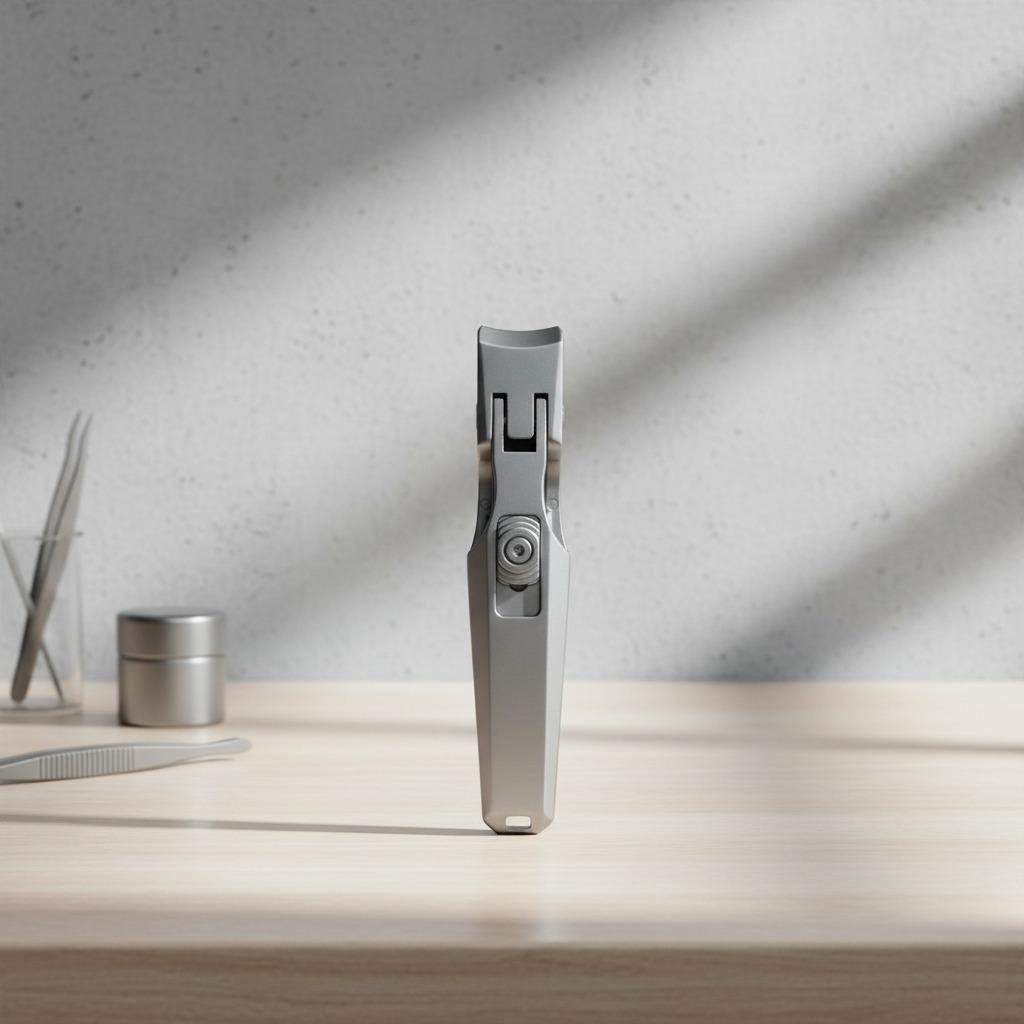
China remains a major sourcing base for personal grooming tools because of its manufacturing depth, developed export infrastructure, and broad supplier ecosystem. Buyers can compare different finishes, packaging formats, lever designs, and accessory features without changing countries for every component. Olimor Beauty offers stainless steel grooming tools, including a nail clipper described as 91 mm long, 16 mm wide, and 48 grams in weight, giving buyers a useful reference point for a lightweight but durable format. The key is not only finding a low unit cost; it is building a repeatable product that cuts cleanly, looks consistent, and reaches the market in sellable condition.
Why China Is a Common Source for Nail Clippers
Importers often begin with China because the production ecosystem supports both standard and customized beauty tools. Nail clippers typically require metal forming, grinding, polishing, heat treatment or hardening control, assembly, surface finishing, and packaging. In a mature manufacturing area, those processes can be coordinated more efficiently than in markets where each step depends on a separate, distant supplier.
This matters for buyers who need more than a generic clipper. A retail brand may want a specific carton size, a private label logo, a matte or polished appearance, or a set configuration that pairs clippers with other grooming items. A salon distributor may care more about grip comfort, cutting consistency, and easy cleaning. An e-commerce seller may focus on compact packaging, appearance in product photos, and low defect rates after parcel shipping. Chinese factories and export partners can often support these different requirements, but buyers should still verify the details before committing to volume production.
Compared with some boutique manufacturing regions, China may offer broader pricing tiers and faster access to sample variations. Compared with purely low-cost sources, established Chinese beauty tool suppliers may provide stronger export experience and more predictable communication around packaging, inspection, and shipment preparation. The best sourcing decision balances product quality, documentation, total landed cost, and the supplier’s ability to maintain consistency over repeated orders.
Product Details Buyers Should Evaluate Before Importing
A nail clipper’s value is determined by how it performs in daily use. Stainless steel is a common and practical material choice for grooming tools because it can offer durability and corrosion resistance when properly processed and finished. However, buyers should not treat the phrase “stainless steel” as the full specification. Cutting quality depends on edge formation, alignment, hardness, lever strength, rivet or pin assembly, and finishing work.
When reviewing a product such as a 91 mm, 16 mm wide, 48 gram nail clipper, consider how the dimensions match the target user. A longer clipper can feel more stable in the hand and may provide better leverage for thicker nails. A lightweight clipper can be convenient for travel kits, online shipping, and retail multipacks. Width affects handling, cutting access, and packaging layout. These measurements should be reviewed with actual samples, not only from a specification sheet.
- Cutting edge alignment: The two blades should meet evenly without visible gaps or crossing.
- Sharpness and cutting feel: A good clipper cuts cleanly without crushing or tearing the nail.
- Lever action: The lever should move smoothly, return reliably, and avoid wobbling.
- Surface finish: Polished, brushed, or coated surfaces should be even and free from burrs, stains, or peeling.
- Grip and ergonomics: Test whether the clipper is comfortable for different hand sizes and nail types.
- Added features: If a built-in file or cleaner is included, check that it is secure, useful, and not sharp in the wrong places.
- Packaging fit: The tool should not shift excessively inside the package during shipping.
China Versus Other Global Sourcing Hubs
International buyers may compare China with Europe, the United States, Japan, South Korea, India, or Southeast Asian manufacturing bases. Each option can make sense depending on positioning. Some buyers choose European or US production for local branding, shorter domestic distribution routes, or specific regulatory preferences. Others look to Japan or Korea for premium grooming aesthetics. China is often selected when the buyer needs a combination of manufacturing scale, customization flexibility, and export efficiency.
The most important comparison is not country reputation alone, but supply chain fit. A premium brand with a high retail price may accept higher production costs to support a specific origin story. A growing distributor may need stable output, practical packaging, and competitive pricing to serve pharmacies, supermarkets, salons, or online marketplaces. A promotional buyer may prioritize delivery planning, packaging customization, and a clear inspection process.
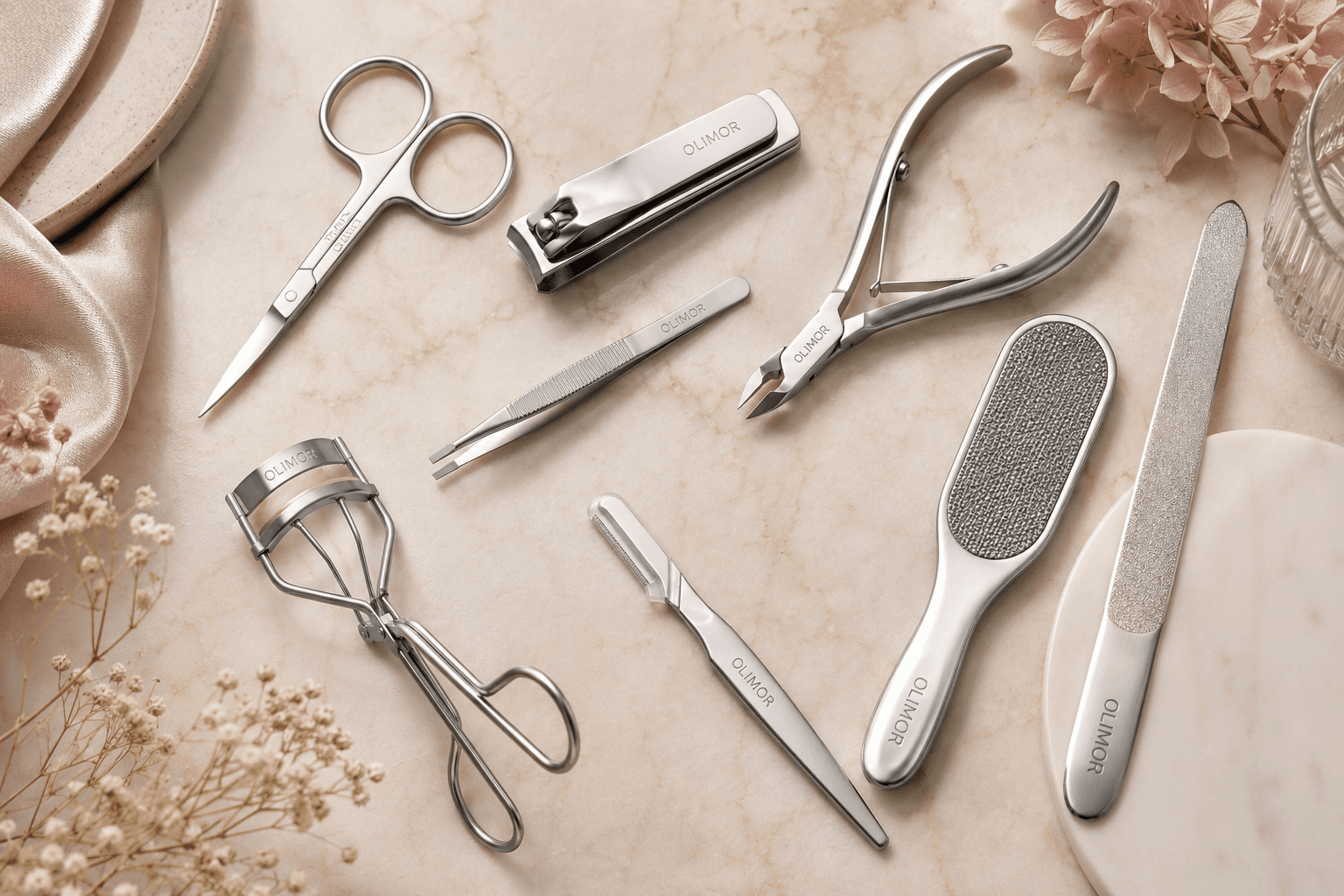
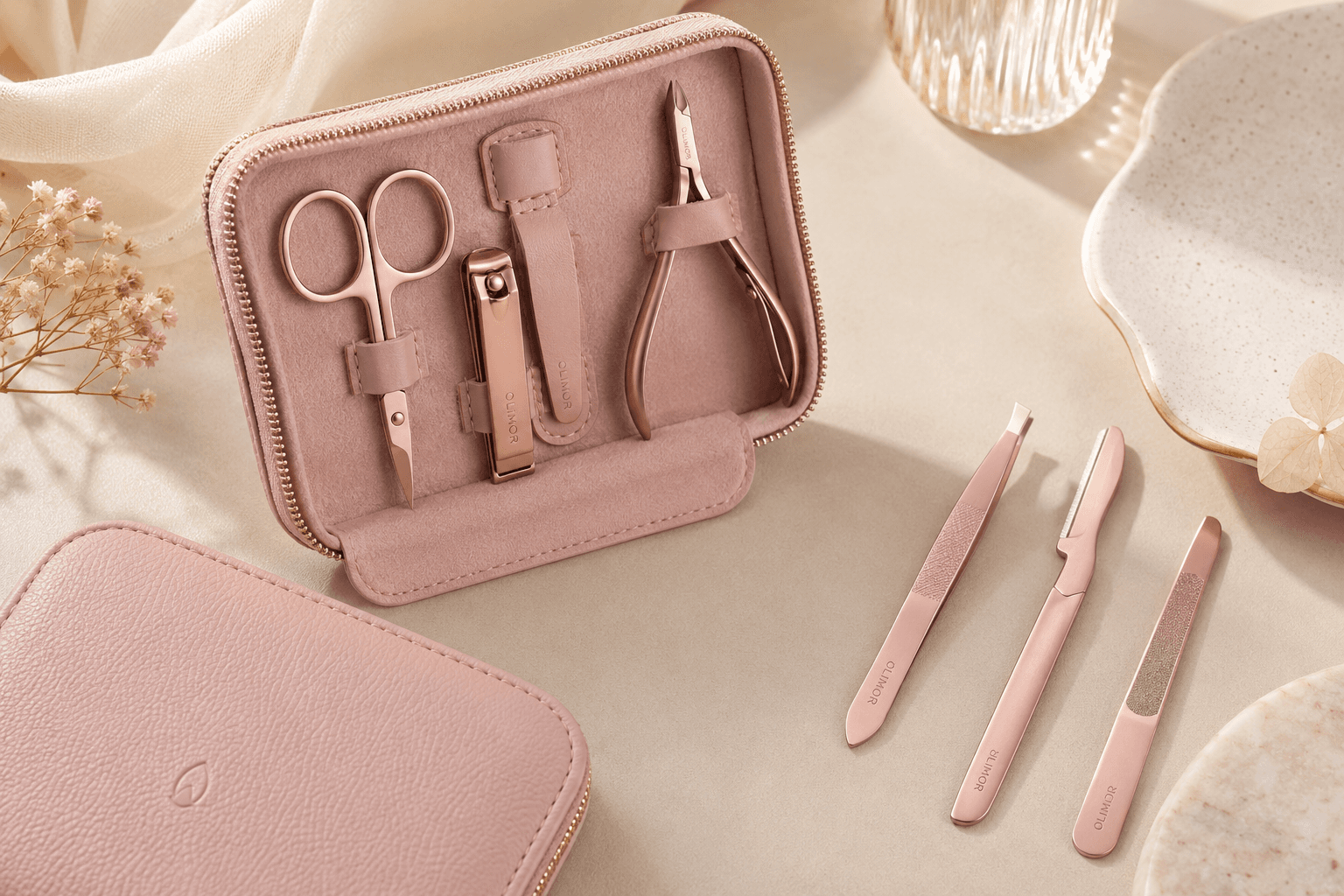
China’s advantage is often strongest when a buyer needs to build or expand a range of related items. Nail clippers may be sourced alongside tweezers, manicure tools, or other personal care accessories from a connected supplier network. To explore broader options, buyers can review Olimor’s beauty tool products or browse product collections when planning a coordinated grooming line. Keeping related tools within a coherent sourcing program can simplify packaging style, quality benchmarks, and shipment consolidation.
Quality Control Points for Imported Nail Clippers
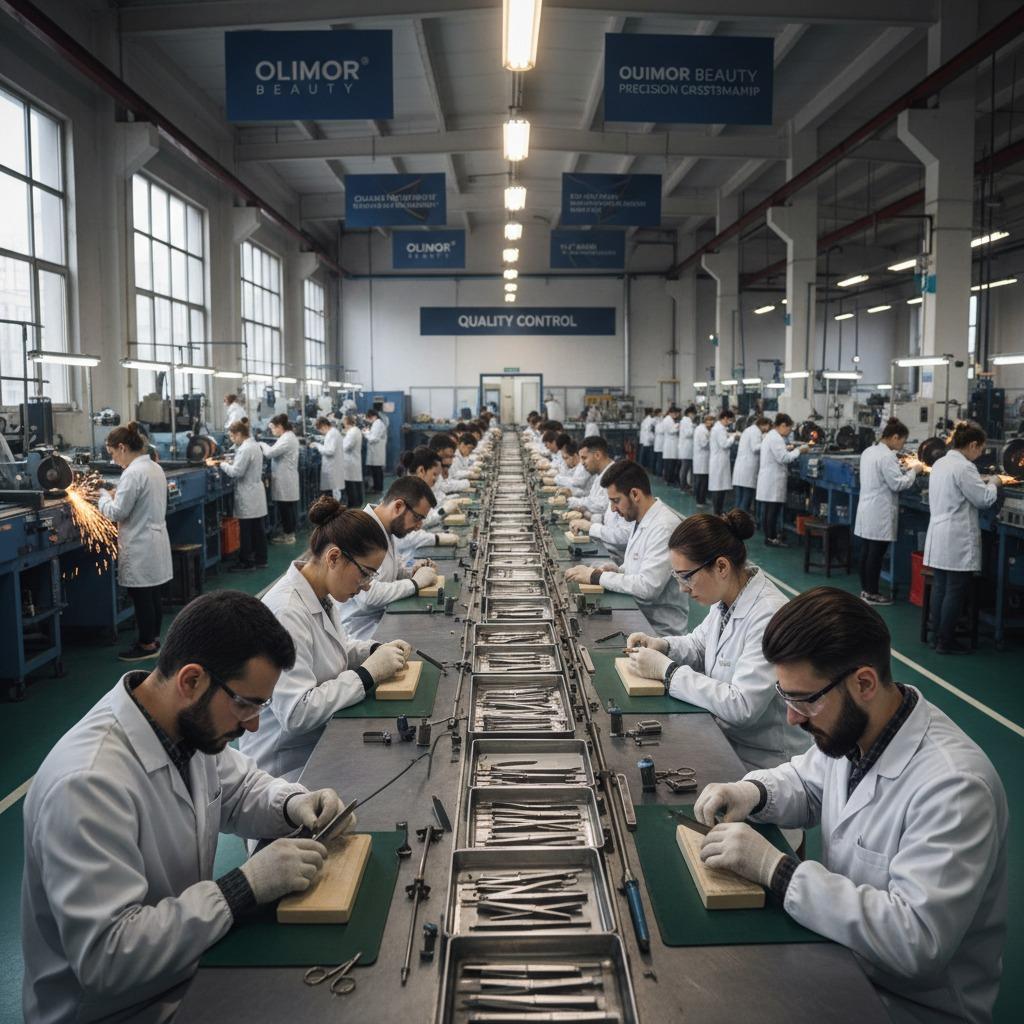
Quality control should start before production, not after cartons are packed. The buyer should define an approved sample and compare bulk production against that sample. For nail clippers, visual inspection alone is not enough. Functional checks are essential because small alignment issues can cause poor cutting performance even when the tool looks acceptable.
| Inspection Area | What to Check | Why It Matters |
|---|---|---|
| Material and finish | Consistent stainless steel appearance, no rust marks, burrs, stains, or coating defects | Protects product appearance and user confidence |
| Blade alignment | Even contact between cutting edges across the full width | Prevents splitting, crushing, or uneven trimming |
| Lever and pin | Smooth movement, stable assembly, no looseness | Improves durability and cutting control |
| Sharpness | Clean trimming on a suitable test material or approved nail test method | Confirms real product performance |
| Packaging | Correct label, barcode placement, carton strength, and product orientation | Reduces retail, warehouse, and transport problems |
For private label buyers, packaging approval should include artwork files, color references, logo placement, warning text if required for the destination market, and carton markings. If the clipper is sold through e-commerce, the packaging should also protect the finish from scratches and keep the tool from moving during parcel delivery. A small grooming tool can still generate customer complaints if it arrives loose, scuffed, or difficult to open safely.
Customization and Packaging Decisions That Affect Sales
Customization should support the target market rather than add unnecessary cost. For a pharmacy or supermarket channel, simple retail-ready packaging with clear product visibility may be more effective than elaborate materials. For a salon or professional distributor, a clean bulk or multi-pack format may be preferred. For online sales, compact packaging that photographs well and ships reliably can be more valuable than oversized presentation boxes.
Common customization decisions include surface finish, logo method, handle texture, packaging type, set combination, and whether to include a file or other accessory. Each change should be evaluated for function as well as appearance. A logo that looks attractive on a digital mockup may wear poorly if placed on a high-contact area. A textured grip may improve handling, but it must be easy to clean. A built-in file can add value, but only if its edges and attachment are safe and consistent.
Buyers should also think about shelf education. Nail clippers are often purchased quickly, so packaging claims should be specific and easy to verify. Clear descriptions such as stainless steel, compact size, curved cutting edge, or travel-friendly format are usually more useful than vague promotional language. Avoid claims that cannot be supported by documentation or testing for the destination market.
Managing Import Risk and Total Landed Cost
The factory price is only one part of the import decision. Total landed cost may include sample charges, packaging development, inspection, inland transport, export handling, freight, insurance, duties, customs brokerage, warehousing, and domestic delivery. A low quoted price can become less attractive if defect rates are high, cartons are weak, or packaging needs to be reworked after arrival.
Before placing a larger order, prepare a sourcing checklist that covers commercial, technical, and logistics questions. Confirm the approved sample, product measurements, packaging specification, inspection standard, delivery terms, and required documents. Buyers should also understand the destination market’s rules for product labeling, packaging materials, consumer safety, and any retailer-specific requirements.
- Define the target sales channel and user: retail, salon, travel, gift set, or e-commerce.
- Approve a physical sample for cutting feel, finish, size, and packaging.
- Document product dimensions, weight, material description, and finish expectations.
- Set inspection criteria for blade alignment, lever movement, surface defects, and packaging.
- Calculate landed cost, not only the unit price.
- Plan reorder timing based on production, inspection, freight, and customs clearance.
If you are comparing nail clipper options or building a wider grooming range, you can send an inquiry with your product requirements. For broader sourcing discussions, contact Olimor to clarify available options and next steps.
What a Strong Supplier Relationship Looks Like
A reliable supplier relationship is built on clear samples, consistent standards, and practical communication. The supplier should understand whether the nail clipper is intended for budget retail, premium personal care, salon use, travel kits, or promotional programs. Each channel has different expectations for finish, packaging, and price structure.
For repeat orders, consistency matters more than one perfect sample. Buyers should keep a retained sample, confirm any changes before production, and review inspection reports or photos in a structured way. If a supplier proposes a material, finish, or packaging change, treat it as a new approval point. Small changes can affect cutting performance, appearance, or retail compliance.
Importing nail clippers from China can be a strong choice when the buyer approaches it as a quality-managed sourcing project. Focus on the measurable details: stainless steel finish, 91 mm size suitability, 48 gram handling, blade alignment, lever strength, packaging protection, and clear import planning. With the right checks in place, a compact grooming tool can become a dependable item in a larger beauty tool assortment.
Tag: