Weird Eyelash Curlers: How to Choose an Unusual Curler That Still Works

Weird eyelash curlers can be useful retail products when the unusual design improves visibility, comfort, handling or shelf appeal without compromising lash safety. The best choice is not simply the curler that looks the most different. It is the one that fits the eye area, closes evenly on the silicone pad, feels controlled in the hand and can be inspected, cleaned and packaged reliably.
For beauty brands, retailers, distributors, salon suppliers and makeup tool buyers, unusual eyelash curlers raise both design and sourcing questions. Will the shape work for a broad range of users? Does the colored pad help with inspection? Is the frame strong enough for repeated use? Can the curler fit into a private-label assortment or travel beauty kit? This guide answers those questions with a practical selection framework grounded in product details such as a pink silicone pad, durable metal construction, stainless steel where specified, ergonomic handling and compact, visually distinctive styling.
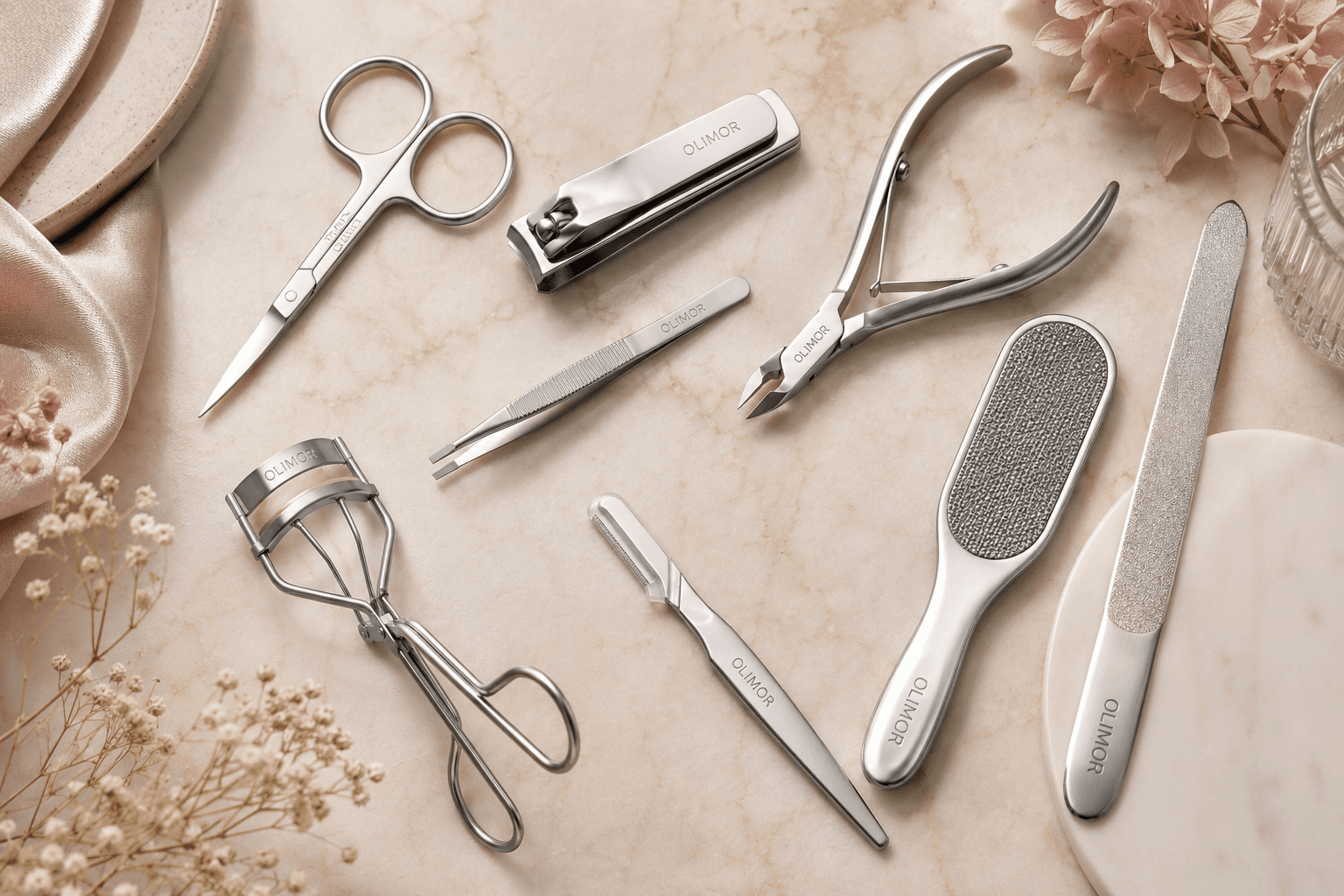
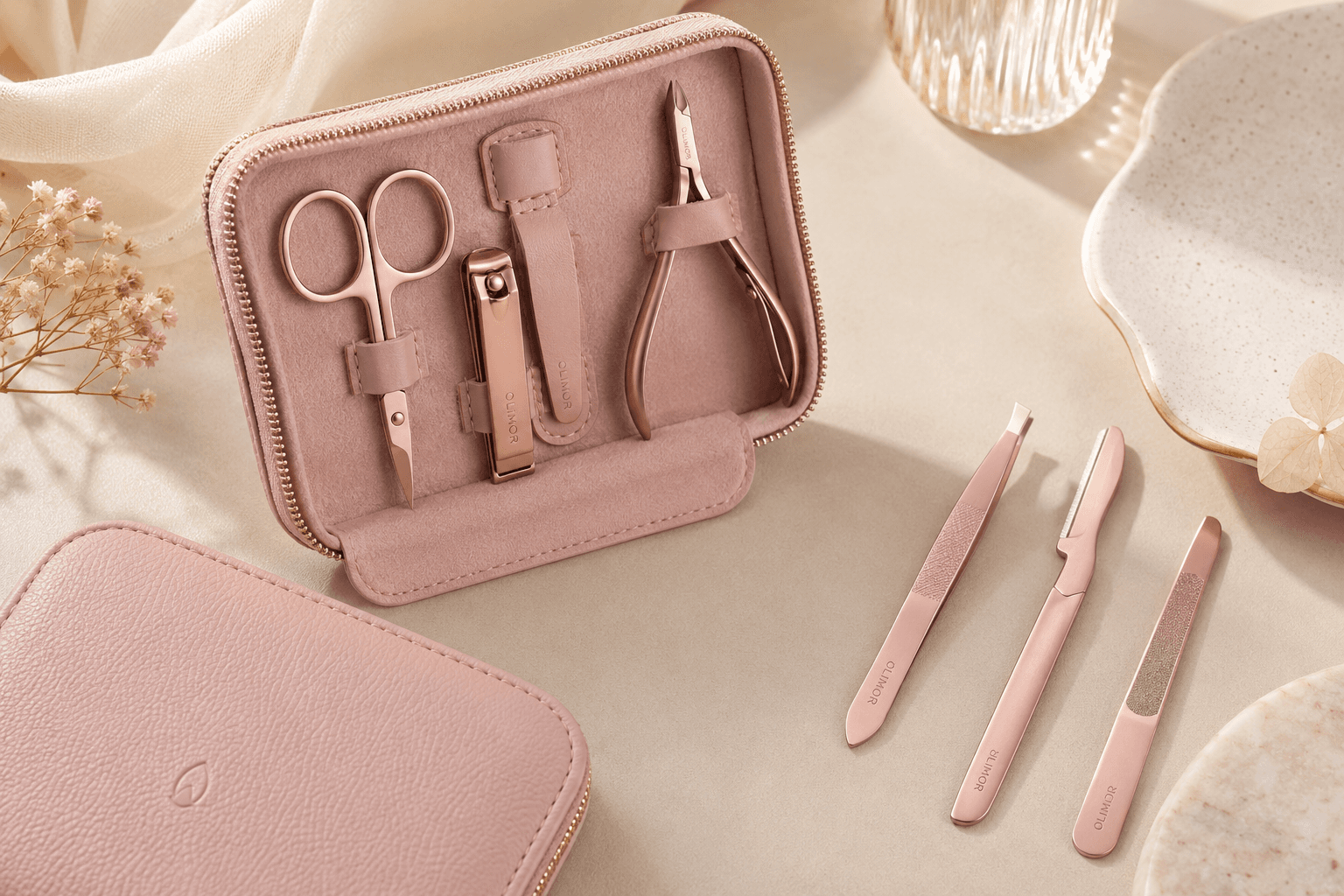
If you are comparing a curler with other beauty accessories, it helps to review the wider category first. Olimor offers related beauty tool products that can be evaluated alongside eyelash curlers for retail sets, salon kits or brand assortments.
What Makes an Eyelash Curler “Weird” in a Useful Way?
An eyelash curler may look unusual because of its color, handle shape, pad color, compact proportions, decorative finish or nontraditional frame styling. These visual choices can make a product more memorable in ecommerce images and more noticeable on a retail display. However, an unusual feature should still support practical use.
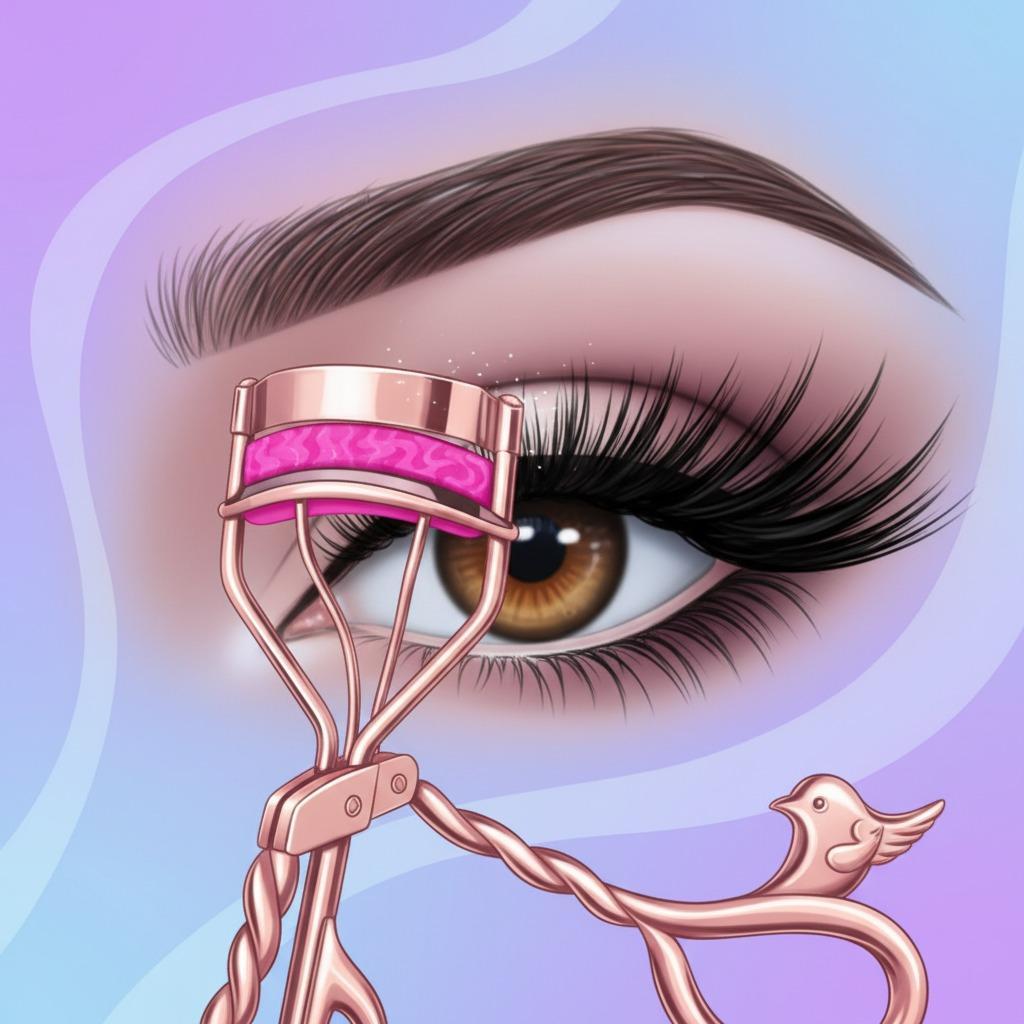
A pink silicone pad is a good example. It gives the curler a more playful appearance, but it also makes the pad easier to see against a metal frame. That visibility helps users and inspectors notice residue, pad movement, deformation or uneven seating. A distinctive handle can also be useful if it gives the user a more stable grip and allows gradual pressure instead of a sudden hard clamp.
When evaluating a weird eyelash curler, separate decorative design from working design. A useful unusual curler should still answer these questions clearly:
- Does the frame curve sit comfortably near the lash line without pinching skin?
- Does the silicone pad stay seated evenly in the channel?
- Does the top bar meet the pad evenly from end to end?
- Can the user apply gentle, controlled pressure?
- Do the finger grips suit different hand sizes and usage styles?
- Can the curler be cleaned and inspected easily after makeup contact?
- Does the packaging protect the tool while showing its distinctive look?
Start With Fit: Eye Shape, Curl Coverage and Comfort
Fit is the most important factor in any eyelash curler, whether the design looks classic or unusual. A curler that is too flat, too curved, too narrow or too wide may pinch skin, miss outer lashes or create uneven lift. In B2B sourcing, this is especially important because one product may be sold to users with many different eye shapes and lash lengths.
A well-selected curler should make positioning feel predictable. The user should be able to place the frame near the lash base, close it gently and release it without pulling. The tool should not require excessive pressure to create a visible curl. Ergonomic form matters because the hand movement should feel steady and repeatable, not awkward or forced.
For sample evaluation, do not rely only on product photos. Ask how the curler feels in actual hand use. Open and close it repeatedly. Check whether the finger holes are comfortable, whether the handle angle makes pressure easy to control and whether the frame blocks visibility near the eye. If the curler is intended for a travel set, test whether the compact form still allows stable positioning.
Silicone Pad Quality: The Small Part That Controls the Curl
The silicone pad is one of the most important performance parts of an eyelash curler. It cushions the lashes as the upper bar closes, helping form a curve rather than a harsh bend. A pad that is too hard may create a crimped angle. A pad that is too soft may compress unevenly or wear quickly. The pad should sit flush in its channel and make even contact with the top bar.
The pink silicone pad on this type of curler is not only decorative. Its color can make daily inspection easier. Users can more readily see mascara residue, skincare oils, loose fibers or pad deformation. For professional users and salon kits, this is helpful because tools used close to the eye need routine cleaning and careful visual checks.
During sourcing, inspect the pad before and after repeated opening and closing. Look for shifting, uneven edges, visible gaps or surface defects. If replacement pads are part of the sales plan, confirm that the replacement pad shape matches the curler channel. Do not assume all pads are interchangeable. Even small differences in pad width, height or contour can change how the curler closes.
Metal Construction, Hinge Action and Finish Inspection
Durable metal construction is valuable because the frame must maintain alignment during repeated compression. Where stainless steel is specified, buyers should still request clear material documentation from the supplier and verify that it matches the purchase requirement. Do not judge metal quality by shine alone. Alignment, edge finishing, hinge smoothness and resistance to deformation are more important for user confidence.
The hinge should open and close smoothly without side-to-side wobble. A loose hinge can create uneven pressure across the lashes. The upper bar should meet the silicone pad evenly from one side to the other. If one end touches earlier than the other, the curl may be inconsistent and the user may compensate by squeezing harder, which is not ideal.
Finish inspection is also critical because an eyelash curler is used near the eye. Check for rough seams, sharp edges, burrs, uneven plating, residue and exposed unfinished areas. The surface should be easy to wipe clean. If the curler is part of a premium beauty accessory range, the visible finish, pad color and packaging should align with the quality level of other items in the beauty tool collection.
Comparison: Unusual Curlers Versus Standard Curlers
Standard silver eyelash curlers remain popular because they are familiar and easy to understand. Weird eyelash curlers add another layer: visual differentiation. For retail and brand buyers, that differentiation can support merchandising, gifting, travel kits and social-friendly product photography. The decision should depend on whether the unusual elements create value for the intended customer.
| Selection Point | Standard Curler | Unusual or Weird Curler | What Buyers Should Check |
|---|---|---|---|
| Visual appeal | Familiar, classic appearance | More distinctive through color, pad design or shape | Confirm the design supports the brand style and retail display |
| User confidence | Easy for many users to recognize | May require clearer instructions if the shape is unfamiliar | Include simple use and care guidance |
| Pad visibility | Often neutral or dark pad colors | Colored pads, such as pink silicone, can be easier to inspect | Check pad seating, firmness and replacement compatibility |
| Handling | Conventional grip and frame | May include ergonomic or compact styling | Test pressure control, grip comfort and hinge movement |
| Retail positioning | Basic beauty tool category | Suitable for giftable, travel, playful or differentiated assortments | Evaluate packaging protection and shelf presentation |
The practical rule is simple: choose the unusual curler only if it performs at least as reliably as the standard option for the target user group. Design should add value, not distraction.
Sourcing Checklist for B2B Buyers
Beauty businesses should evaluate weird eyelash curlers with a written checklist. This reduces the risk of selecting a product based only on color or novelty. It also makes sample comparisons easier when reviewing multiple suppliers or design variations.
Product sample checklist
- Frame fit: Check curve, width and access to inner and outer lashes.
- Pad seating: Confirm the silicone pad sits level and does not shift during repeated opening and closing.
- Pressure control: Test whether the handle allows gradual compression without excessive force.
- Hinge smoothness: Open and close the tool repeatedly to check for catching, looseness or uneven movement.
- Edge finish: Inspect all areas near the eye for roughness, burrs or sharp transitions.
- Surface cleanliness: Make sure the metal surface and pad can be wiped clean without trapping residue.
- Packaging fit: Confirm the packaging holds the curler securely and prevents movement during shipping and display.
- Documentation: Ask for current supplier documents relevant to materials, quality control and order specifications.
For markets with specific product safety obligations, buyers should verify current requirements before ordering. In the European Union, the General Product Safety Regulation may be relevant to consumer product responsibilities. In the United States, buyers can review guidance from the Consumer Product Safety Commission for applicable consumer product expectations. Always verify current versions, market scope and supplier documents rather than relying on outdated assumptions.
Customization and Retail Positioning
Unusual eyelash curlers are often selected because they can support a stronger retail identity. A pink silicone pad, colored handle accent, compact profile or coordinated packaging can help the product feel more intentional within a beauty range. For private-label or brand programs, customization discussions may include color direction, packaging style, logo placement, insert cards or matching tools in the same assortment.
Customization should not weaken function. If a handle shape changes, retest grip comfort. If a finish changes, inspect edge smoothness and cleaning behavior. If a pad color changes, confirm that the pad still has the right fit and cushioning behavior. If packaging is modified, check whether it protects the curler from pressure on the frame or pad during transport.
Cost factors can vary depending on material choice, finishing process, packaging complexity, customization scope, order quantity, inspection requirements and shipping method. Buyers should request a quotation based on a clear specification rather than asking for a generic price. A precise inquiry helps the supplier understand whether the product is intended for mass retail, salon distribution, travel kits, promotional sets or a more premium beauty line.
How to Use an Unusual Eyelash Curler Safely
Even a well-made eyelash curler can cause poor results if used incorrectly. The safest starting point is clean, dry lashes and a clean pad. Many users prefer to curl before applying mascara because dried mascara can make lashes stiffer and more likely to stick to the pad.
- Check that the silicone pad is clean, seated evenly and free of deep grooves.
- Open the curler fully before bringing it close to the eye.
- Place the frame near the lash base without catching eyelid skin.
- Apply gentle pressure for a short moment; do not yank, twist or clamp aggressively.
- Release fully before moving the curler slightly outward along the lashes.
- Repeat with light pressure at the middle of the lash length for a softer curve.
- Clean the pad after use if makeup, oil or residue transfers onto it.
Users with very straight or downward-pointing lashes may get better results from several light presses rather than one strong squeeze. The goal is a smooth lifted curve, not a sharp corner in the lash line.
Maintenance, Hygiene and When to Replace Parts
Maintenance affects both performance and user trust. The pad should be cleaned regularly with a soft damp cloth and dried completely before storage. If makeup residue remains on the pad, it can transfer back to lashes and reduce the smoothness of the curl. Avoid storing the curler where pressure can deform the pad or bend the frame.
Inspect the silicone pad for grooves, cracks, flattening, stickiness or movement in the channel. Once the pad no longer cushions evenly, curling results may become inconsistent. Also check the hinge and top bar alignment. If the upper bar no longer meets the pad evenly, the curler may need service, replacement or removal from a professional kit.
For retail programs, care instructions should be treated as part of the product experience. A small instruction card or clear packaging note can reduce misuse and help customers understand why cleaning and pad condition matter. For professional kits, staff should know how to inspect tools before use and how to retire damaged curlers.
How to Evaluate a Supplier for Weird Eyelash Curlers
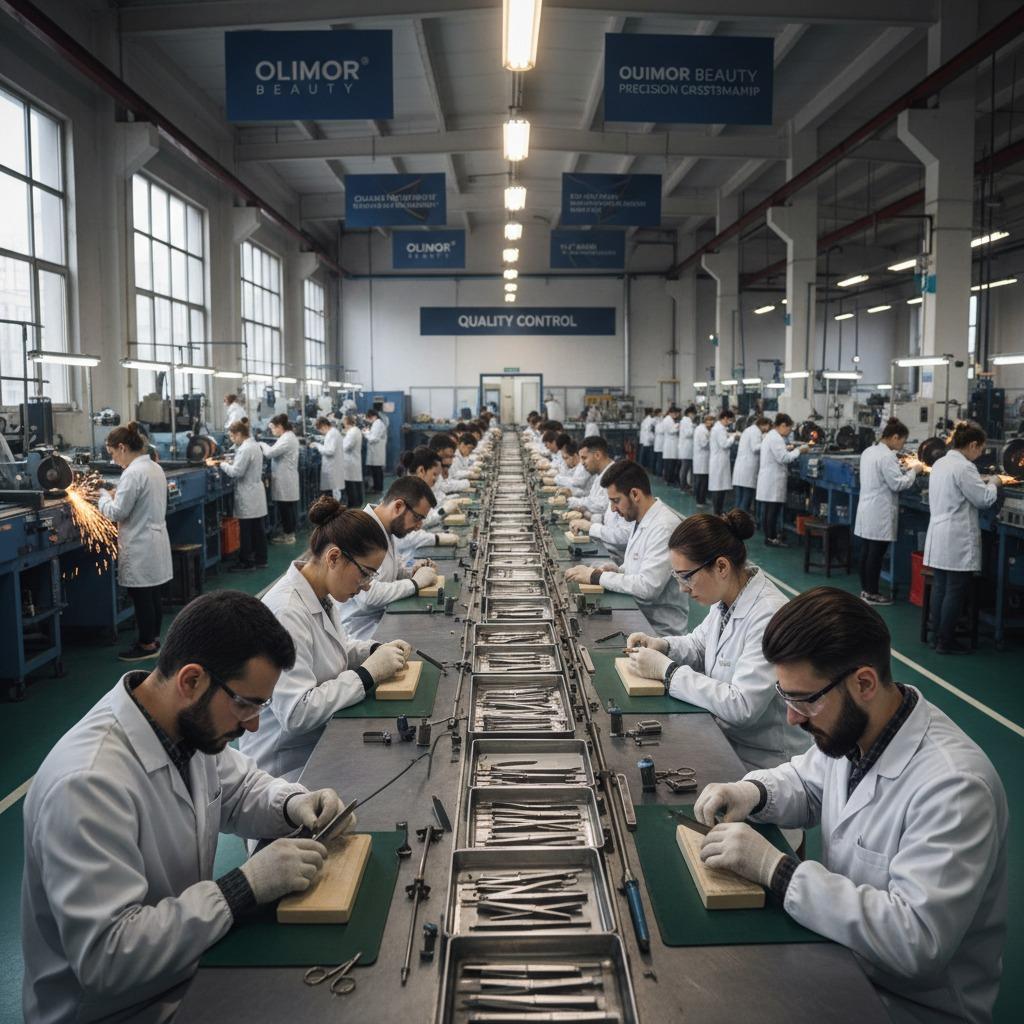
A good supplier should help buyers move from a visual idea to a practical product specification. Instead of asking only whether a curler looks unusual, ask how the frame, pad, hinge, finish and packaging will be controlled during production. Request samples, compare them against your checklist and confirm the final specification before placing an order.
Commercially relevant questions include whether the supplier can discuss customization, packaging options, sample availability, order requirements and quality inspection steps without making unsupported claims. Buyers should avoid vague descriptions such as “premium quality” unless they are supported by product samples, written specifications and clear inspection expectations.
If you are planning a new beauty tool range, prepare details such as target market, preferred color, packaging concept, assortment plan and any market-specific compliance needs. You can send a product inquiry to discuss suitable eyelash curler options and related accessories.
FAQ for Buyers and Beauty Brands
Can I request samples before placing an order?
Sample requests are commonly used to evaluate fit, pad seating, hinge movement, finish and packaging direction. Confirm sample availability, sample terms and shipping details directly with the supplier before making a purchase decision.
Is there an MOQ for customized eyelash curlers?
Minimum order requirements can depend on the product design, customization method, packaging choice and production plan. Ask for the current MOQ based on your exact specification rather than assuming one standard quantity applies to every project.
What customization options should I ask about?
Useful questions include pad color, handle or frame finish, logo application, packaging style, instruction inserts and whether the curler can coordinate with other tools in the same assortment. Every customization should be checked again for comfort, alignment and cleaning performance.
How should quality be checked before shipment?
Quality checks should include visual finish, edge smoothness, hinge action, pad seating, frame alignment, packaging condition and comparison against the approved sample. Buyers should also verify current supplier documents relevant to their market and order requirements.
Choosing a Memorable Curler That Still Performs
Weird eyelash curlers work best when the unusual design makes the product easier to notice, inspect, handle or sell while preserving the basics of lash comfort. A pink silicone pad, durable metal construction, ergonomic form and compact styling can all be valuable, but only if the curler closes evenly, feels controlled and supports routine cleaning.
For consumers, the right curler is the one that fits comfortably and creates a smooth curl without pinching. For B2B buyers, the right product is the one that passes sample testing, suits the retail position and can be supported with clear specifications and supplier communication. To compare eyelash curlers with other beauty tools for your assortment, contact Olimor with your product requirements and packaging goals.
Tag: