Eyelash Curler Pivot Joint Guide for Better Lash Tool Selection
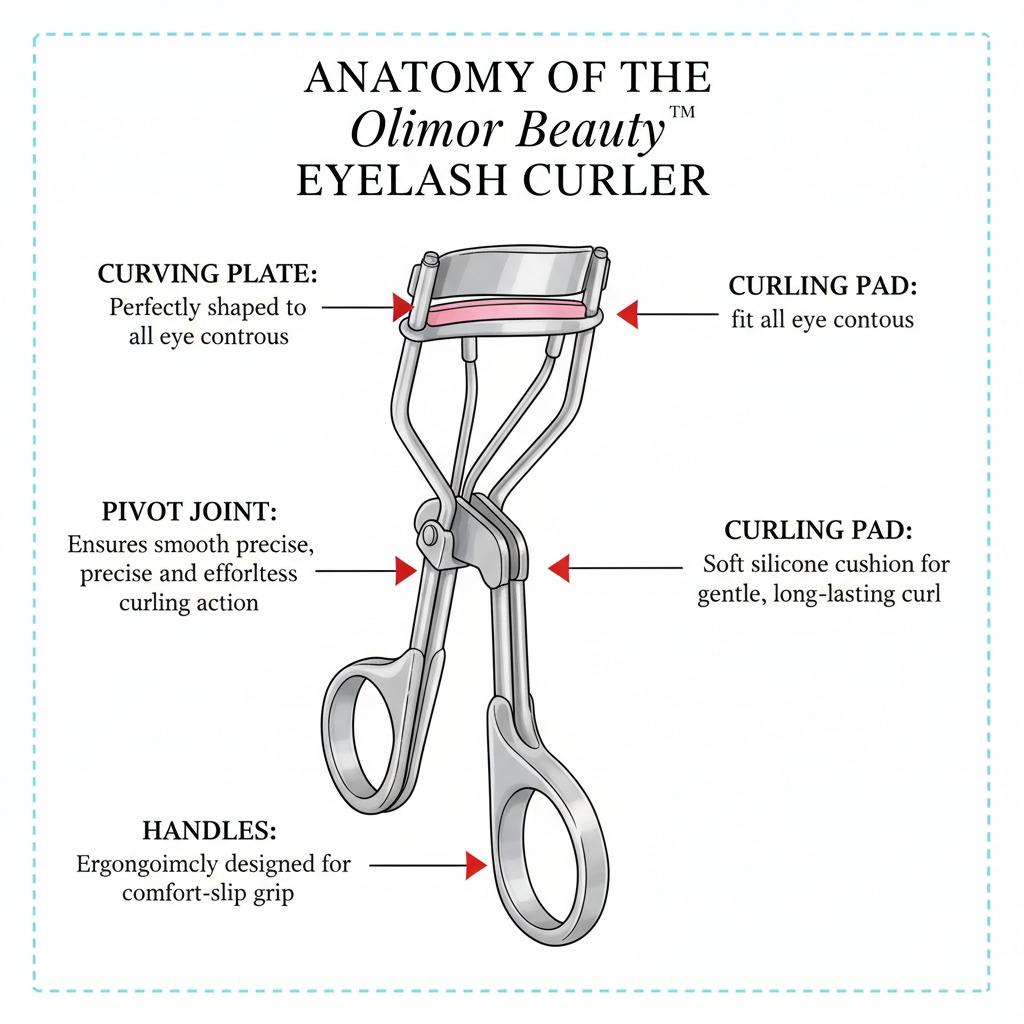
The pivot joint is one of the most important working parts of an eyelash curler. It connects the handle movement to the curling head, controls how pressure reaches the lash pad, and influences whether the tool feels smooth, stable and safe near the eyelid. For beauty retailers, private label buyers, salon suppliers and product developers, this small mechanism can be the difference between a curler that feels dependable and one that looks good but disappoints in use.
An eyelash curler may appear simple: handles, a curved frame, a cushion pad and a moving joint. In practice, these parts must work together with consistent alignment. If the joint is loose, rough or uneven, the pad may not meet the top frame correctly. That can cause patchy curling, pinching, poor pressure control or early wear. If the joint is stable and properly finished, the user can squeeze lightly and predictably, which supports a more comfortable curl.
This guide explains what the pivot joint does, how to inspect it, how it affects comfort and durability, and what B2B buyers should ask before selecting eyelash curlers for retail ranges, salon kits, gifting programs or custom sourcing projects.
What Is the Pivot Joint in an Eyelash Curler?
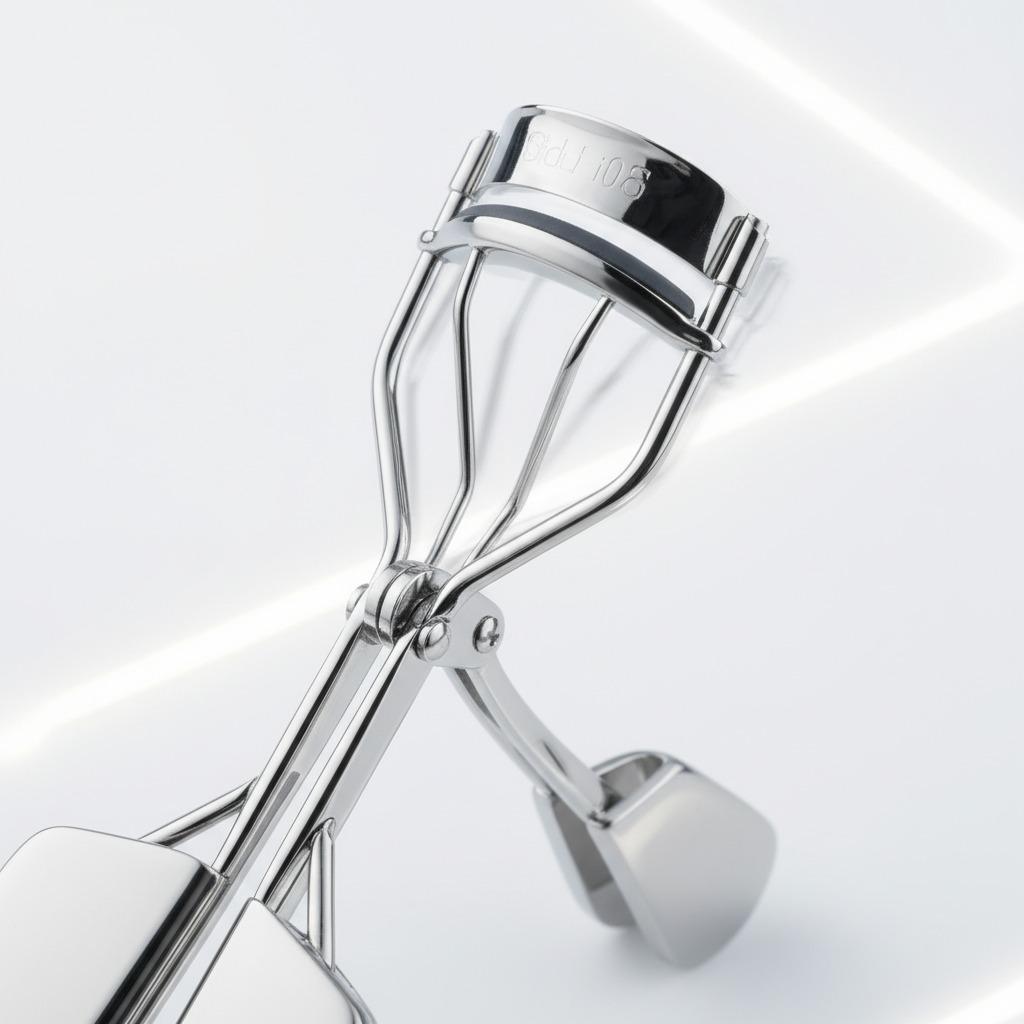
The pivot joint is the moving connection that allows the handles and curling head to open and close. When the user squeezes the handles, the joint transfers that hand force into a controlled closing action at the lash pad. A good pivot joint does not simply move; it guides the pad toward the upper curling frame in a consistent path.
This matters because the lashes are positioned close to the eyelid. Users need gradual control, not a sudden snap. A smooth joint lets the user approach the lash line, check placement and apply light pressure. The better the joint control, the easier it is to curl in small pulses instead of one hard squeeze.
The pivot joint supports three core functions. First, it helps keep the pad and upper frame aligned from left to right. Second, it provides leverage, so the curler does not require excessive hand strength. Third, it improves repeatability, helping each squeeze feel similar during everyday use. Two eyelash curlers may have similar shapes, finishes and packaging, but the pivot action can make them feel very different in the hand.
Why Pivot Joint Quality Affects Curling Results
The joint does not create curl by itself. Curling performance depends on the frame curve, pad resilience, lash placement, pressure and user technique. However, the pivot joint determines how consistently those factors come together. If the closing motion is uneven, one side of the pad may press earlier or harder than the other. The result can be a curl that lifts the center lashes but misses the corners, or an outer section that bends more sharply than intended.
Even pressure is especially important for users with straight, fine or downward-facing lashes. These users often need careful placement near the lash base, followed by light pressure along the lash length. A loose joint can shift at the moment pressure is applied, making the user squeeze again to correct the result. Repeated hard squeezing can make lashes look crimped rather than softly lifted.
For retail and private label buyers, pivot performance also affects perceived value. Shoppers may first notice color, shine or packaging, but they judge the tool when they press the handles. If the movement feels gritty, unstable or misaligned, the product can feel low quality even before use. A controlled pivot joint supports a more premium hand feel without needing exaggerated claims.
Key Parts That Work With the Pivot Joint
The pivot joint should never be evaluated alone. It works with the frame, handles and cushion pad. A stainless steel eyelash curler, for example, can offer a clean appearance and firm structure, but material alone does not guarantee smooth operation. The complete construction must be checked.
Frame and Curling Head
The upper curling frame sets the curve that contacts the lashes. If the frame is bent, uneven or poorly matched to the pad holder, a good joint cannot fully correct the issue. During inspection, close the curler slowly and watch whether the pad meets the frame evenly across the full width.
Cushion Pad
The cushion pad distributes pressure. A pad that is too loose, worn, split, hardened or poorly seated can make the tool feel harsh, even when the pivot is acceptable. Buyers should check pad fit and ask whether compatible replacement pads are available for the selected design.
Handles and Finger Loops
Handles influence the direction of force. If the handle shape encourages twisting, the user may unintentionally push pressure sideways through the joint. Comfortable handles help the user squeeze straight through the mechanism, improving control and reducing wobble.
Joint Finish
The area around the joint should be cleanly finished. Rough edges, burrs or sharp contact points can catch the skin or make the tool feel unpleasant during handling. This is important for both consumer satisfaction and professional salon use.
Pivot Joint Inspection Checklist for Buyers
Many pivot joint problems can be identified during sample review without specialized laboratory equipment. A structured inspection process helps purchasing teams compare products more fairly, especially when evaluating several suppliers or several designs within one range.
| Inspection point | What to check | Why it matters |
|---|---|---|
| Opening and closing | Operate the curler slowly several times and feel for scraping, sticking or sudden looseness. | Smooth movement supports careful pressure control near the eyelid. |
| Pad alignment | Close the tool and check whether the cushion pad meets the upper frame evenly from side to side. | Uneven contact can create patchy curling or sharper bends on one section of lashes. |
| Side-to-side stability | Gently check for obvious lateral wobble at the joint and curling head. | Excessive movement can reduce control and make the tool feel unstable. |
| Resistance consistency | Squeeze through the full motion and note whether resistance changes abruptly. | Predictable resistance helps beginners and regular users apply light pressure. |
| Edge condition | Inspect the joint, handles and frame for rough or sharp areas. | Clean finishing improves comfort and reduces complaints during handling. |
| Repeat operation | Open and close the tool repeatedly, then recheck alignment and feel. | Repeatability is important for retail returns, salon use and brand reputation. |
For B2B decisions, inspect more than one sample when possible. A single display sample can look and feel acceptable, while production consistency may vary. Keep notes for each sample and compare them against the intended selling channel: mass retail, premium gift set, salon supply, travel kit or custom beauty accessory line.
Comfort, Safety and Correct User Technique
A well-made pivot joint supports safer, more comfortable use, but technique still matters. Eyelash curlers should generally be used on clean lashes before mascara. Dried mascara can make lashes more rigid and more likely to stick to the pad. Users should position the curler close to the lash base without catching the eyelid, look slightly downward, squeeze gently, release fully and move outward along the lashes if a softer curve is desired.
The pivot joint affects each step. If the joint closes too abruptly, the user may apply more force than intended. If it shifts sideways, the curling head can move at the lash line. If the resistance is uneven, users may over-squeeze to compensate. A smooth pivot action encourages a better routine: place, check, press lightly, release and repeat only if needed.
Business buyers should also consider customer education. Packaging, product pages or retail staff guidance can remind users not to use excessive force and to replace worn pads. Clear instructions are a practical way to reduce misuse-related dissatisfaction without making unsupported performance claims.
For consumer product safety requirements, buyers selling into specific markets should verify current obligations with their compliance teams and supplier documents. Public bodies such as the U.S. Consumer Product Safety Commission and the European Commission’s General Product Safety Regulation framework may be relevant depending on the market, product presentation and sales channel. Requirements can change, so do not rely on outdated summaries or verbal assurances.
Material and Construction Considerations for Sourcing
Olimor Beauty supplies practical beauty tools, including stainless steel eyelash curlers. Stainless steel is commonly selected for beauty tools because it can provide a clean look and firm structure, but buyers should still examine the full design. A curler with an attractive metal frame can perform poorly if the joint is misaligned, the pad holder is loose or the handles twist during use.
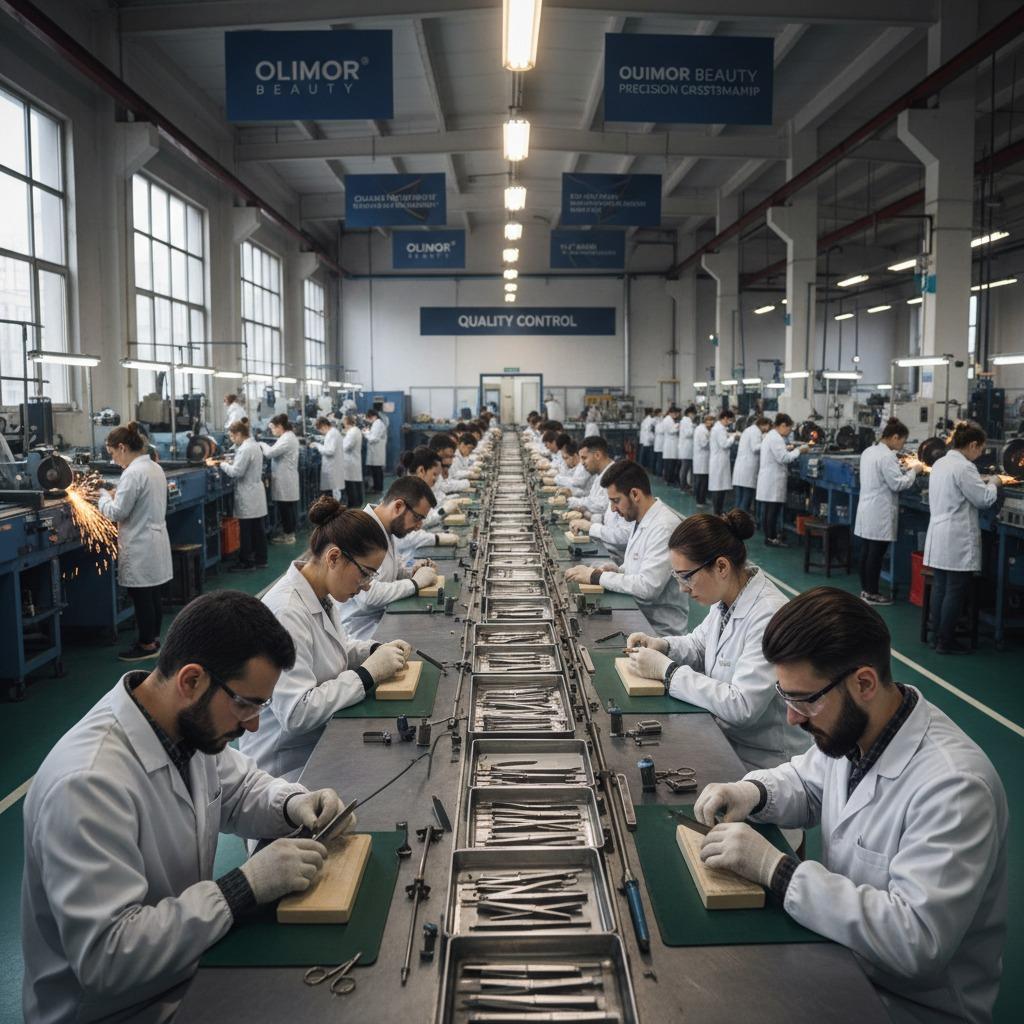
When comparing eyelash curlers, ask how the joint is assembled, how the pad is held in place and how the tool is inspected before shipment. The answer does not need to be filled with technical jargon. What matters is whether the supplier can explain the quality points that affect user experience: smooth operation, alignment, finishing and repeat handling.
Cost differences often come from more than the metal frame. Buyers should consider the level of finishing around the joint, consistency of assembly, pad quality, packaging, replacement pad inclusion, custom color or logo work, and inspection requirements. A lower unit cost may not be the best value if the tool feels loose, generates complaints or requires extra sorting before retail packing.
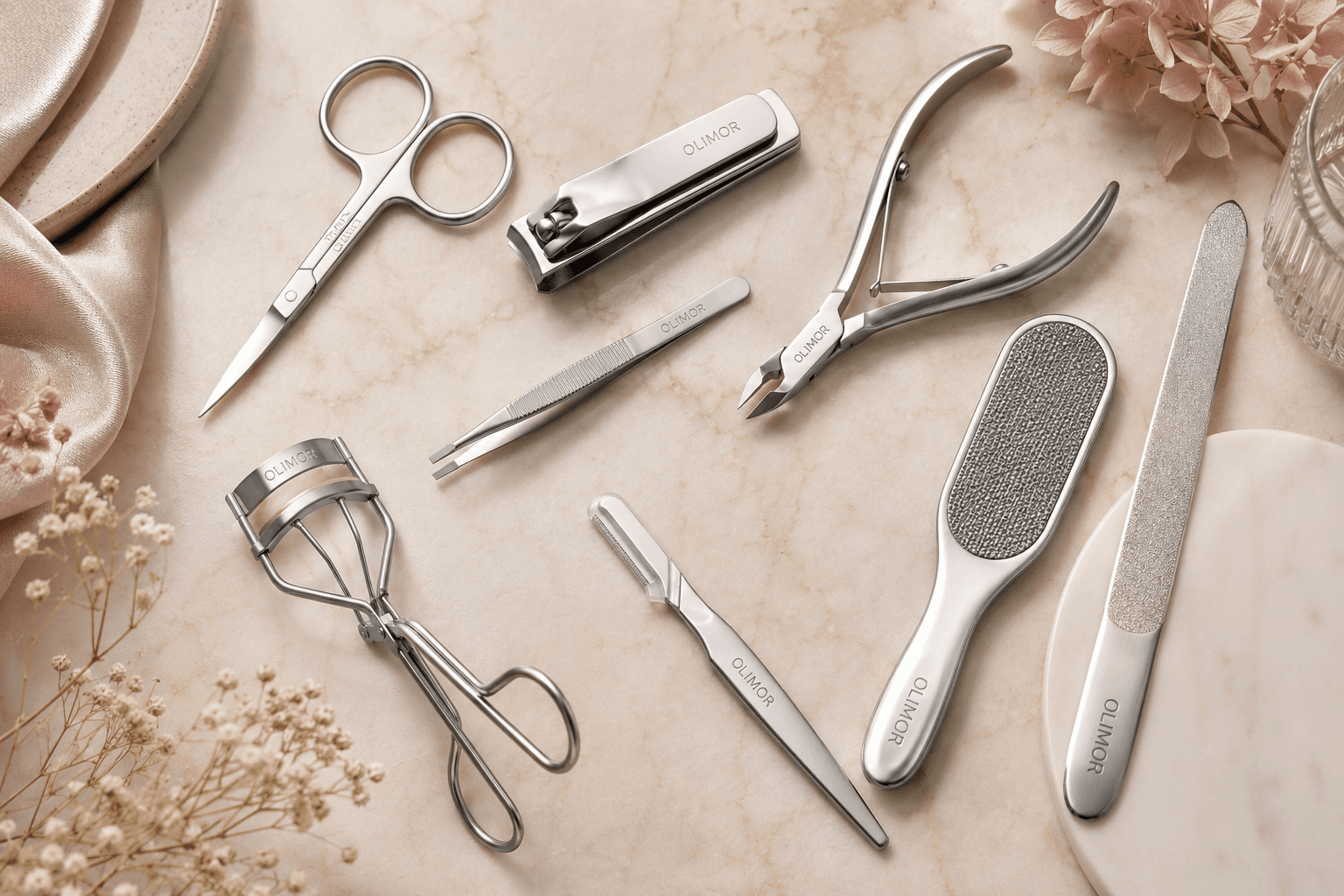
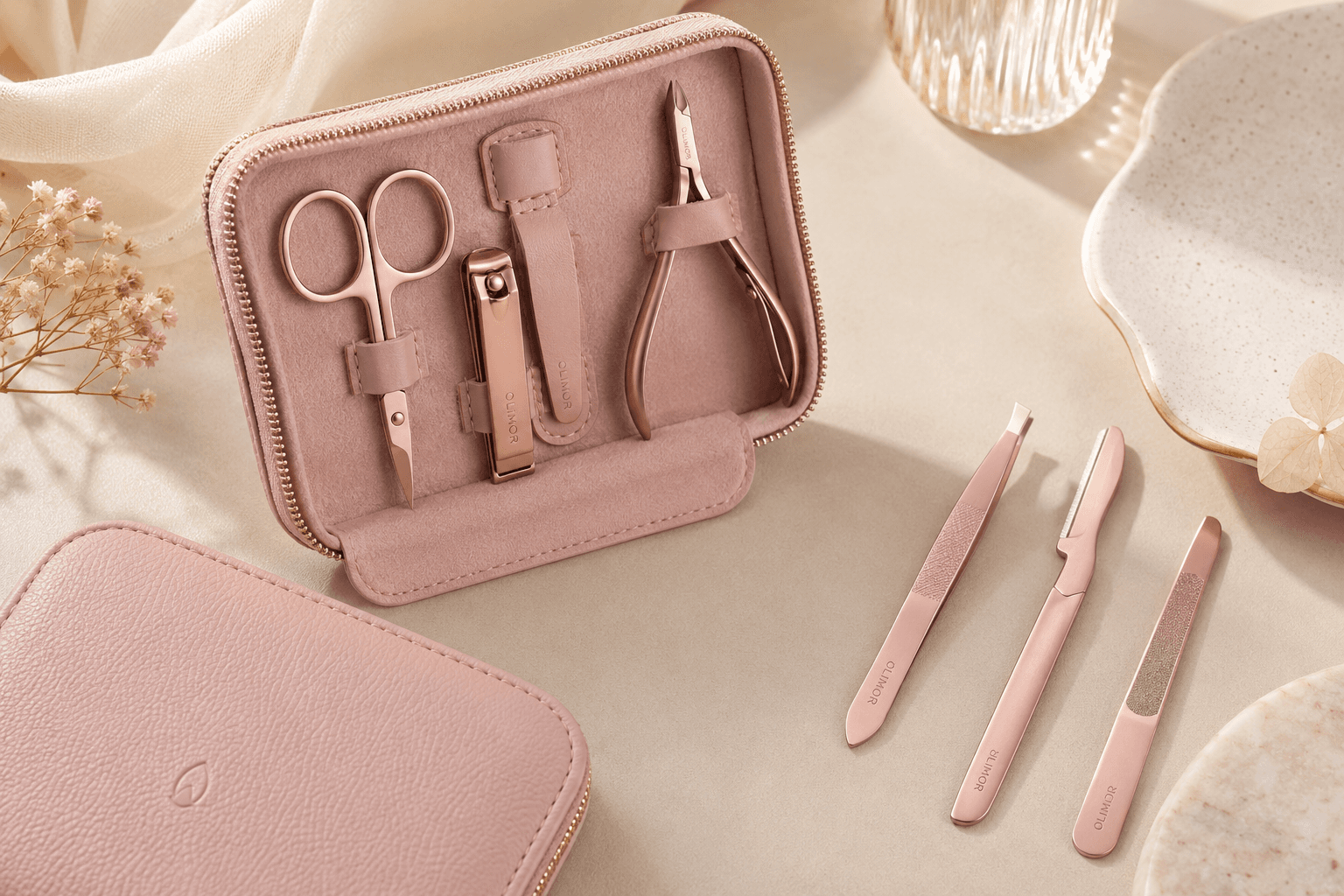
If you are building a broader assortment, review related beauty tool products and compare how each item fits your target price point, packaging style and customer expectations. For curated ranges, Olimor product collections can help buyers think beyond a single eyelash curler and plan coordinated accessories.
How to Compare Eyelash Curler Designs
Not every eyelash curler is intended for the same customer. Some buyers need a compact tool for travel kits. Others need a classic stainless steel curler for everyday retail. Salon suppliers may prioritize comfortable repeated handling. Private label brands may want a specific finish, pad color or packaging concept. The pivot joint should be judged in relation to that use case.
- For beginner-friendly retail: Prioritize smooth resistance, stable alignment and clear instructions.
- For salon or professional supply: Emphasize repeat operation, comfortable handles and easy cleaning around the pad and joint.
- For gift sets: Check both appearance and function; decorative finishes should not hide rough joint movement.
- For travel kits: Confirm that the curler is protected in packaging so the frame and joint are not compressed.
- For private label projects: Approve functional samples before finalizing finish, logo placement or outer packaging.
A useful comparison method is to test each sample in the same sequence: visual check, slow close, alignment check, repeated operation, pad inspection and packaging fit. This keeps the discussion focused on practical performance rather than subjective first impressions.
Maintenance: Keeping the Joint and Pad Working Properly
Even a well-made eyelash curler needs basic care. Cosmetic residue, skin oils and dust can collect around the pad and joint area. Users should wipe the pad and metal surfaces regularly with a clean cloth. If product instructions allow, a lightly dampened cloth can help remove residue, followed by thorough drying. The joint area should not be left wet because moisture and residue can affect the feel and appearance of metal components over time.
The cushion pad should be inspected frequently. If the pad becomes split, deeply marked, hardened or loose, it may no longer distribute pressure evenly. Replacing the pad when needed helps preserve comfort and curling consistency. For sourcing teams, pad availability and pad fit are commercially important because customers often expect the tool to remain useful beyond initial purchase.
Storage also matters. A curler thrown loose into a crowded makeup bag can be knocked out of alignment. In retail sets or travel kits, the tool should be positioned so the handles and curling head are not compressed during shipping, storage or display. A tray, pouch or protective compartment can help maintain the shape of the frame and the action of the joint.
Supplier Evaluation Questions for B2B Buyers
The best supplier conversations are specific. Instead of asking only for a catalog or quotation, describe your channel, target user, packaging needs and inspection expectations. This helps the supplier recommend an eyelash curler that fits the project rather than simply offering the nearest available style.
Useful questions include: How is the pivot action checked during production review? Can samples be evaluated before order confirmation? What customization options are available for the curler or packaging? Are replacement pads available for the selected model? What supplier documents can be provided for the target market and sales channel? Buyers should verify current documents and requirements before placing orders, especially for regulated retail environments.
If you are comparing eyelash curlers for a retail program, salon supply range or private label project, you can send a product inquiry with your preferred tool style, packaging direction and quality priorities. For broader sourcing discussions, contact Olimor Beauty to review suitable beauty tool options.
FAQ: Eyelash Curler Pivot Joints and Sourcing
Can I request samples before choosing an eyelash curler?
Sample review is strongly recommended for eyelash curlers because pivot feel, pad alignment and handle comfort are difficult to judge from images alone. Confirm sample availability, sample terms and shipping details directly with the supplier.
Is there a fixed MOQ for eyelash curler orders?
MOQ can depend on the selected model, customization, packaging and current production arrangements. Buyers should share the intended order type and ask for the applicable MOQ before finalizing a project plan.
Can the curler be customized for private label or retail programs?
Customization may include elements such as finish, logo application, pad color or packaging, depending on the product and production feasibility. Functional sample approval should come before final artwork or packaging confirmation.
How should quality be checked before shipment?
Quality checks should include pivot smoothness, pad-to-frame alignment, side-to-side stability, surface finishing, pad fit, packaging protection and repeated opening and closing. Buyers should agree on inspection expectations and supplier documents in advance.
What affects lead time for eyelash curler sourcing?
Lead time can be influenced by sample approval, customization, packaging preparation, order quantity and production scheduling. Ask the supplier for current timing based on your actual specifications rather than assuming a standard timeline.
Bottom Line
The pivot joint is small, but it has a major effect on eyelash curler quality. It influences pressure transfer, alignment, comfort, repeatability and long-term user satisfaction. For consumers, a stable pivot helps create a controlled curl with less effort. For retailers and private label buyers, it is a practical inspection point that reveals whether a lash tool is ready for real daily use.
When selecting an eyelash curler, do not rely on appearance alone. Operate the tool, watch the pad alignment, feel the resistance, inspect the joint finish and consider maintenance and replacement pad needs. A thoughtful review of the pivot joint helps buyers choose lash tools that feel dependable in the hand and support a better customer experience.
Tag: