Tweezers Wholesale: How Beauty Buyers Can Source Better Tools
The tweezers wholesale market continues to grow because tweezers are small, familiar, and useful across many beauty categories. They appear in brow grooming kits, manicure sets, lash application kits, travel pouches, hotel amenities, and retail beauty displays. For buyers, however, a tweezer is not just a low-cost accessory. Its tip alignment, grip feel, finish, packaging, and consistency can strongly affect customer satisfaction.
Beauty brands, salon suppliers, distributors, and hospitality buyers often look for products that are simple to merchandise but still feel dependable in the hand. That makes tweezers a practical category for building repeat business, especially when paired with other beauty tool products such as nail tools, scissors, files, and grooming accessories. The key is to evaluate tweezers as a precision tool rather than a generic commodity.
Why Tweezers Wholesale Remains a Strong Beauty Category
Several consumer habits support ongoing demand for wholesale tweezers. At-home grooming has become a normal part of personal care, while professional salons still need reliable tools for brow shaping, facial hair removal, lash placement, and detailed cleanup work. A well-made tweezer can serve both markets when the design is practical and the quality is consistent.
Retailers also like tweezers because they are compact, easy to ship, and suitable for many price positions. A single tweezer can be sold as an entry-level grooming tool, while a coordinated set can be positioned as a giftable or travel-friendly beauty accessory. For wholesale buyers, this flexibility creates room to build assortments for supermarkets, pharmacies, beauty stores, online shops, salons, and hotel programs.
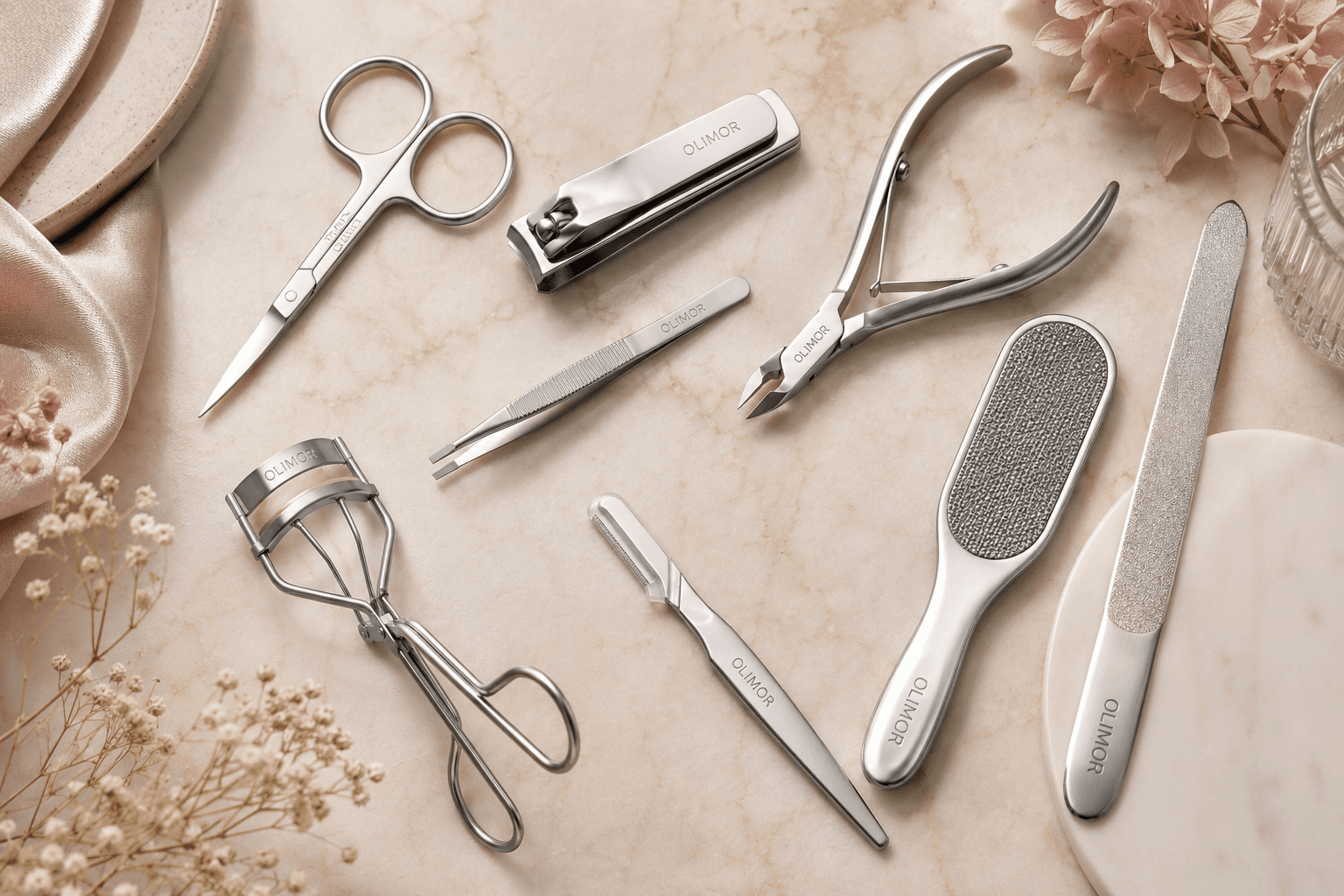
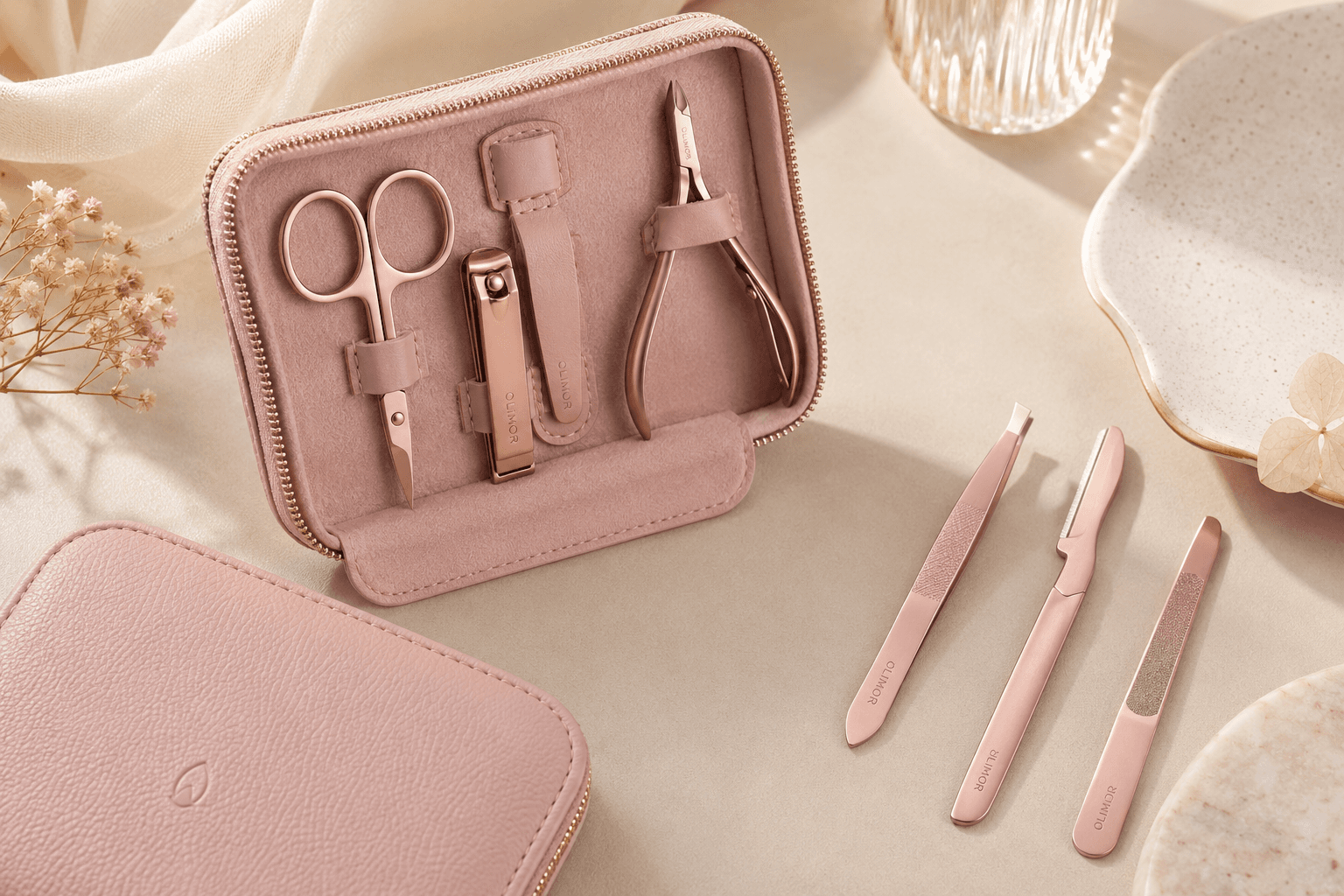
The trend is not limited to individual tweezers. Demand for private label manicure tools has encouraged many brands to create coordinated beauty kits. In these programs, tweezers need to match the overall look and purpose of the set. A mismatched tool with weak grip or rough edges can reduce the perceived quality of the entire collection.
Match the Tweezer Type to the User and Use Case
Before comparing suppliers, buyers should define how the tweezer will be used. A tweezer designed for brow grooming may not be the best choice for lash placement or general travel kits. Shape, tension, and tip contact all matter.
- Slant tip tweezers: Common for eyebrow grooming because the angled edge gives visibility and control when removing individual hairs.
- Pointed tweezers: Useful for detailed work, but they require careful finishing and protective packaging because the tips are more delicate.
- Flat tip tweezers: Often selected for broader gripping tasks, though they may be less precise for fine brow shaping.
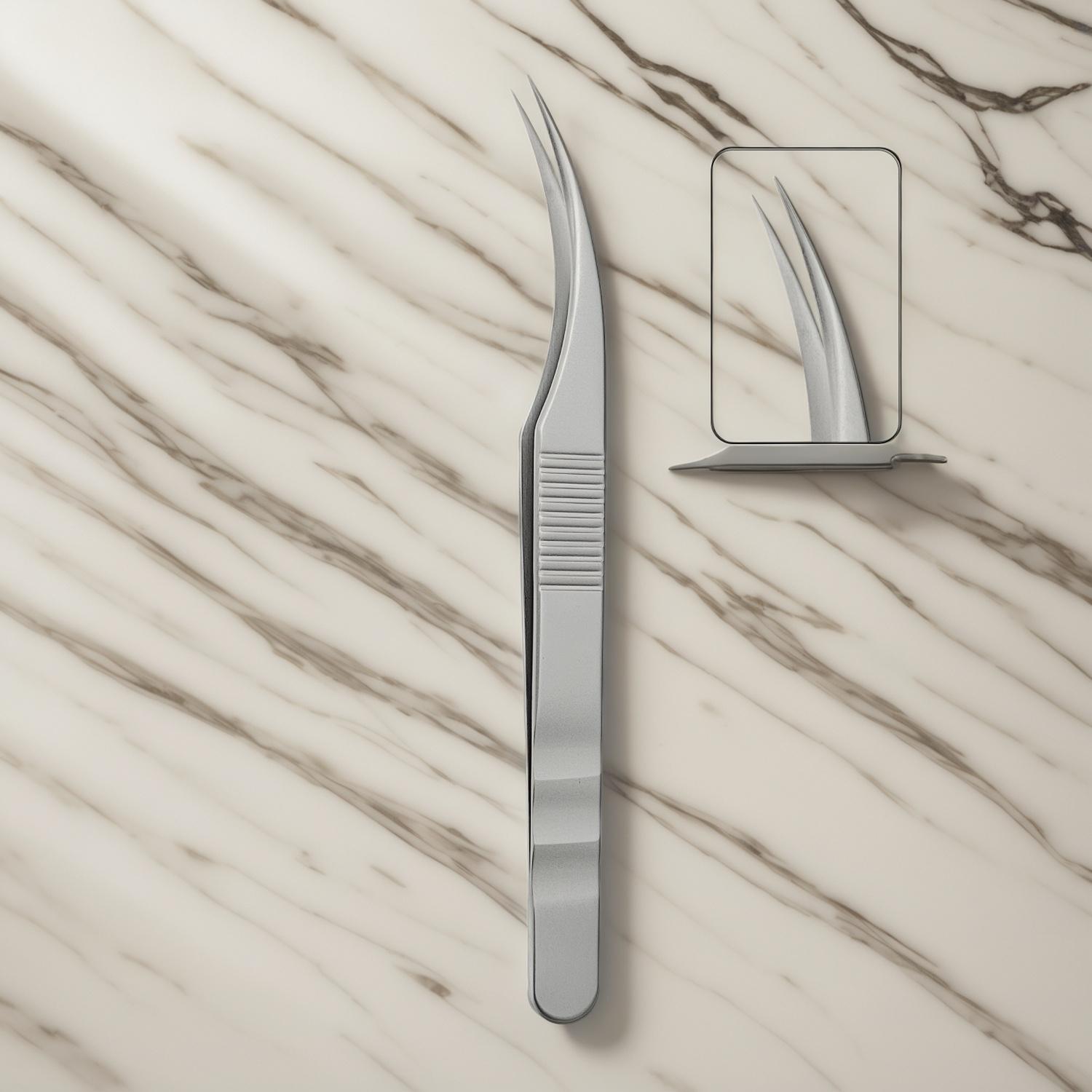
- Curved precision tweezers: Suitable for applications where an angled approach is helpful, such as certain lash or detail grooming tasks.
- Mini tweezers: Convenient for travel sets, hotel amenities, and compact manicure kits, but the grip area should still feel comfortable.
When planning a wholesale order, it is useful to divide products by selling channel. A salon supplier may prioritize control, cleaning convenience, and durability. A retail brand may focus on packaging, finish, and shelf appeal. A hotel amenity buyer may need a compact, safe, and presentable option that fits an existing guest-care set.
Quality Details That Separate Reliable Tweezers from Low-Value Tools
The most important quality factor is the tip. Tweezer tips should meet cleanly and hold fine hair or small items without slipping. Poor tip alignment leads to pinching skin, breaking hair instead of removing it, or failing to grip altogether. Buyers should check multiple samples, not just one presentation piece, because consistency across production is what determines customer experience.
Grip tension is another practical detail. If the tweezer is too stiff, users experience hand fatigue. If it is too loose, the tool may feel weak or imprecise. The best tension depends on use case, but it should feel controlled and repeatable. Edges should be smooth to the touch, and the finish should not have sharp burrs, stains, or rough polishing marks.
For wholesale evaluation, create a simple inspection routine before confirming a purchase. The following checklist helps buyers compare samples in a consistent way:
- Check whether the tips meet evenly under light pressure.
- Grip a fine hair or thin thread to test holding power.
- Open and close the tweezer repeatedly to evaluate tension.
- Run a fingertip carefully along the edges to detect rough finishing.
- Inspect the surface finish for scratches, discoloration, or uneven coating.
- Review packaging for tip protection, barcode placement, labeling area, and retail display needs.
- Compare several pieces from the same sample batch to judge consistency.
This process is especially important for brands ordering private label manicure tools. A logo or custom package cannot compensate for weak functional performance. The tool has to work first, and the branding should support that quality rather than hide problems.
Design, Finish, and Packaging Decisions for Private Label Programs
Wholesale tweezers often become part of a larger brand story. A beauty retailer may want a polished, minimalist look. A salon supply company may prefer a practical finish that is easy to maintain. A hotel amenity program may need a clean and compact presentation that looks appropriate beside other guest items. Each scenario calls for different design decisions.
Color and finish should be chosen with both appearance and use in mind. Highly reflective finishes may look premium but show fingerprints easily. Matte finishes may feel modern but need careful surface control to avoid uneven texture. Coated finishes should be reviewed for edge coverage and durability expectations. When exact material grades or coating specifications are not published, buyers can still request clear sample comparisons and define acceptance criteria based on appearance, grip, and finish consistency.
Packaging should also be practical. For retail, the package needs to protect the tip while allowing shoppers to understand the tool type quickly. For online sales, the package should withstand handling and reduce the risk of tip damage in transit. For hotel amenities, packaging may need to be compact, hygienic, and easy for guests to open. If tweezers are packed inside a manicure kit, make sure the tool does not rub against nail clippers, files, or scissors during shipping.
Buyers planning custom assortments can browse Olimor product collections to think through how tweezers may pair with related grooming and manicure items. A coordinated set often performs better when every tool has a clear purpose instead of simply filling space in the kit.
Wholesale Sourcing Questions for Beauty Brands and Distributors
Choosing a professional beauty tools supplier involves more than comparing unit price. Price matters, but an unrealistically low cost can lead to inconsistent tips, weak finishing, or packaging that does not survive distribution. A better approach is to compare the total value: product function, visual quality, packing method, communication, and the supplier’s ability to support the intended sales channel.
For buyers evaluating a manicure tools exporter or a supplier in a manufacturing region such as Guangdong, the following questions can help structure the sourcing process without relying on vague claims:
- Which tweezer shapes are available for the intended application?
- How are tip alignment and gripping performance checked during production?
- What packaging formats are suitable for retail, kit assembly, travel, or hotel use?
- Can samples be reviewed across multiple pieces to check consistency?
- What branding areas are possible on the tool or packaging?
- How are sharp or pointed tips protected during shipment and display?
- What information is needed to quote a private label or customized packaging project?
These questions help buyers move from general interest to a clear product brief. A strong brief should include use case, target channel, preferred tweezer type, packaging format, branding needs, order destination, and any inspection requirements. With those details, it becomes easier to compare options and avoid misunderstandings.
Using Tweezers in Hotel Amenity and Travel Beauty Sets
Hotel amenity beauty tools are a growing opportunity because many guests appreciate practical grooming items during travel. Tweezers are small enough to include in select amenity kits, especially when paired with nail files, clippers, or compact manicure tools. The goal is not to overload the guest kit, but to provide useful items that feel clean, safe, and appropriate for the property’s service level.
For hospitality use, packaging and safety deserve special attention. The tips should be protected, the item should be easy to identify, and the overall presentation should fit the hotel’s amenity style. A compact tweezer may be suitable, but it should not feel flimsy. Even in a hotel setting, guests notice whether a tool grips properly.
Travel sets for retail have similar needs. Consumers want compact tools, but they also expect them to work. Buyers should avoid choosing the smallest or cheapest tweezer without testing grip comfort. A slightly better tool can improve reviews, reduce complaints, and make the overall kit feel more credible.
Build a Better Tweezers Wholesale Brief
A successful tweezers wholesale purchase starts with clarity. Define the user, choose the correct tip style, test functional quality, review finish consistency, and select packaging that protects the tool through the full sales journey. For private label manicure tools, the tweezer should support the brand’s promise through both appearance and performance. For hotel amenities, the product should be compact, safe, and genuinely useful.
Olimor Beauty works with buyers who are comparing beauty tool options for retail, salon supply, private label kits, and amenity programs. To discuss a tweezers wholesale project or a coordinated beauty tool assortment, contact Olimor or send an inquiry with your target channel, preferred tool type, packaging needs, and branding requirements.
Tag: