Precision Tweezers: Buying, Use, Cleaning and Supplier Evaluation Guide
Precision tweezers are small tools, but they can strongly affect brow shaping results, customer satisfaction and repeat use. The difference between a dependable tweezer and a frustrating one is usually found in details such as tip alignment, arm tension, edge finish, surface grip, packaging protection and cleaning habits.
This guide is written for beauty retailers, salons, brow artists, promotional product planners and sourcing teams that need to evaluate tweezers for practical grooming use. It explains how to compare tip styles, inspect samples, use tweezers safely and maintain them so the working tips remain clean and aligned. Olimor Beauty offers beauty tools for grooming routines and professional product ranges; buyers can also browse related beauty tool products or review broader grooming tool collections when building a complete assortment.
What Makes a Precision Tweezer Perform Well?
A precision tweezer should grip small targets cleanly without requiring repeated attempts, excessive pressure or awkward hand positions. For brow shaping, this matters because repeated slipping can irritate skin and slow down the service. For retail customers, poor grip often becomes the reason a tool is abandoned even if it looked attractive in packaging.
The most important performance point is tip contact. When the tweezer closes, the two working surfaces should meet evenly along the intended gripping area. If only one corner touches, fine hairs may escape. If the tips cross, twist or overlap, the user loses control and may pinch skin. Buyers should inspect tip contact both visually and by practical grip testing.
Tension is the second critical factor. Arms that are too stiff can tire the hand, especially for brow professionals repeating the same motion many times. Arms that are too soft may feel vague and make it harder to control the tips. Good tension gives feedback without forcing the user to squeeze hard.
Finish quality also affects performance. The tips should feel precise but not rough. Burrs, sharp irregularities or uneven edges can scratch skin or break hair instead of gripping it near the root. A smooth, consistent finish is especially important for tools intended for face grooming, salon kits or premium retail presentation.
Common Tweezer Tip Styles and Best Uses
No single tip style is best for every grooming task. The right choice depends on the user’s skill level, the hair type, the intended retail position and whether the tweezer is sold alone or as part of a kit. A general consumer range may focus on an easy-to-use slant tweezer, while a professional brow assortment may include more specialized shapes.
| Tip style | Best suited for | Selection notes for buyers |
|---|---|---|
| Slant tip | Everyday brow shaping and general facial grooming | A practical core item for retail because the angled edge offers visibility, control and enough contact area for most users. |
| Point tip | Very fine hairs, detailed work and careful attention around individual hairs | Requires more control. Often better for experienced users, brow artists or specialty kits rather than basic beginner sets. |
| Flat tip | Gripping broader objects or multiple hairs | Can be useful outside precise brow shaping, but may feel less controlled when removing one hair at a time. |
| Pointed slant | Detail grooming with a more approachable angle than a full point | A useful middle option when buyers want precision but still need a shape many consumers can handle confidently. |
For most retail assortments, a slant tweezer is a logical starting point. It supports common brow maintenance and is easier for many users to understand at first glance. A pointed or pointed-slant version can then be added for customers who want more exact control.
Tip names should not be the only basis for selection. Two slant tweezers can perform very differently if one has better alignment, smoother edges and more balanced tension. Buyers should always test physical samples rather than relying only on style descriptions or product images.
How to Inspect Tweezer Samples Before Sourcing
A tweezer may look clean and polished in a photo but still fail in use. Sourcing teams, salons and retailers should apply the same inspection routine to every sample so comparisons are fair. Testing several units is also important because consistency across pieces matters for customer reviews, retail returns and professional satisfaction.
Sample inspection checklist
- Tip alignment: Close the tweezer gently and confirm that the tips meet evenly without crossing, twisting or leaving a visible gap.
- Grip test: Try gripping fine fibers or sample hair. The tool should pick up small targets cleanly without repeated squeezing.
- Edge feel: Check for roughness, burrs or harsh corners. The working edge should be precise but not scratchy.
- Arm tension: Open and close the tweezer several times. The movement should feel controlled rather than weak, springy or overly rigid.
- Hand comfort: Consider width, balance, surface texture and where the fingers naturally rest during repeated use.
- Finish consistency: Compare multiple units, not just the best-looking sample. Inconsistent finish can lead to uneven end-user experience.
- Tip protection: Review whether packaging, sleeves or trays prevent the tips from being damaged during transport, storage or display handling.
- Cleaning practicality: Look for surfaces and shapes that can be wiped and dried easily after use.
For a professional salon or brow service, it is helpful to let the actual users handle the sample. A buyer may notice appearance and packaging, while a brow artist may immediately notice tension, angle and visibility. For retail planning, test the product as a customer would: open it, hold it, close it repeatedly and judge whether the tool feels intuitive.
If you are comparing beauty accessories for a private assortment, promotional kit or salon supply program, prepare a short evaluation sheet and score each sample on the same points. This makes supplier discussions more objective and helps avoid choosing only by surface appearance.
How to Choose Tweezers for Retail, Salon and Kit Use
The best tweezer is the one that matches the intended user. A retail customer buying a basic grooming tool may value simple handling, a familiar slant tip and protective packaging. A brow professional may focus more on exact tip closure, fatigue-reducing tension and consistency across multiple pieces. A gift set or promotional kit may need a balance of appearance, safety during transport and everyday usefulness.
For beauty retailers
Retail buyers should choose a clear core product before adding specialized options. A dependable slant tweezer can anchor the range because it suits many brow grooming routines. Packaging should explain the tip style, basic use and cleaning expectations without making exaggerated claims. Visible tip protection is useful because customers may handle items before purchase, and damaged tips can reduce performance even before the product is sold.
For salons and brow artists
Professional users should prioritize performance over decorative features. A tool used repeatedly must feel comfortable, grip reliably and be easy to clean according to the service setting. Salons should also consider whether the tweezer can be stored separately to protect the tips and support hygiene routines between clients.
For kits and promotional assortments
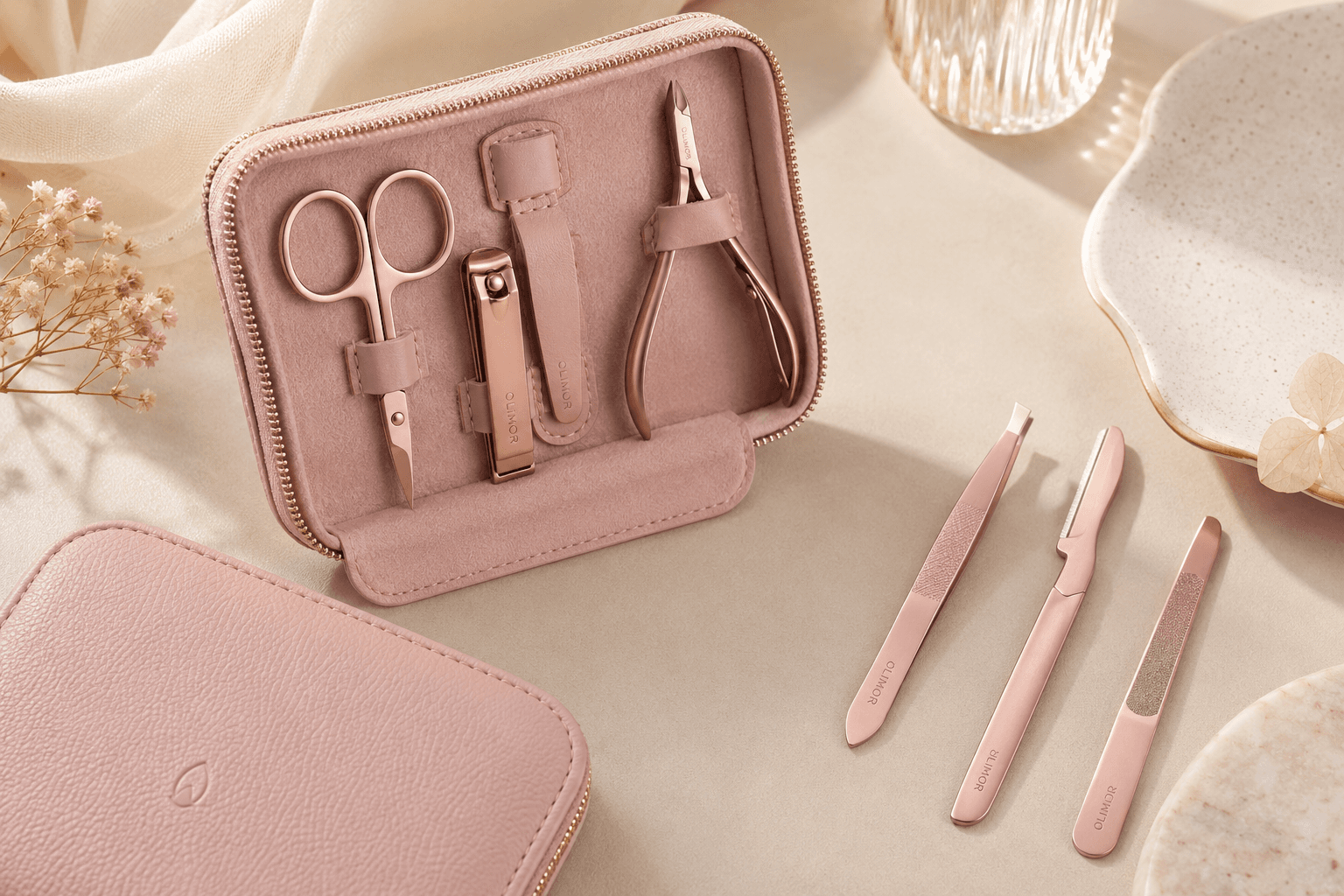
When tweezers are included with scissors, brow brushes, lash tools, mirrors or nail tools, packaging layout becomes important. Hard tools should not knock against the tweezer tips. A sleeve, molded tray or separate compartment can help protect alignment during shipping and handling.
Buyers planning a new beauty tool range can contact Olimor to discuss intended use, packaging priorities and product range planning. For specific sourcing questions, an inquiry request can outline the desired tweezer style, target channel and evaluation criteria.
Cost Factors Without Guessing the Price
Tweezer cost is affected by more than the visible shape. Buyers should avoid comparing only unit price because a lower-cost tool that slips, bends or arrives with damaged tips may create returns, complaints or weak repeat orders. Instead, compare total value based on performance, consistency and packaging protection.
Several factors can influence cost discussions with a supplier. Tip style and finishing requirements may affect production complexity. Surface treatment, handle texture, logo application, packaging format and whether the tweezer is sold individually or as part of a kit can also affect quotation. Inspection expectations and packaging protection may add cost but can reduce downstream issues.
Because pricing depends on specification, order details and market conditions, buyers should request a quotation based on a clear brief rather than expecting a universal price. Include the intended use, preferred tip style, packaging idea, retail or professional channel, and any customization requirements. This helps the supplier respond with information that is relevant instead of generic.
How to Use Tweezers for Cleaner Brow Shaping
Good tweezing depends on both tool quality and technique. Even a well-aligned tweezer can perform poorly if the skin is oily, the lighting is poor or the user pulls against the hair growth direction. The goal is to remove the intended hair cleanly while minimizing repeated pulling.
- Clean the area first: Wash or cleanse the skin and dry it fully so the tips do not slip on oil, moisturizer or makeup.
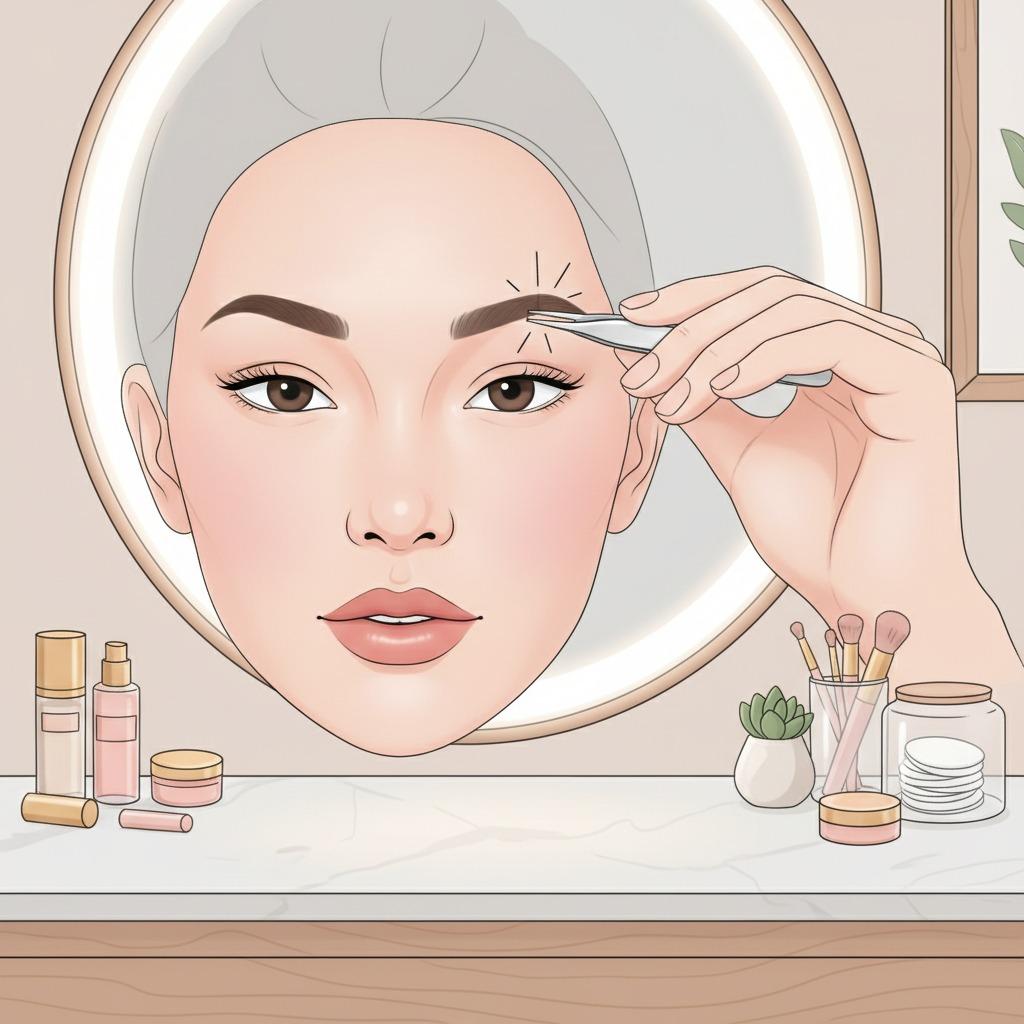
- Use clear lighting: Work where the natural brow line and individual hairs can be seen clearly.
- Map before removing: Decide the brow shape before pulling. Removing a few hairs and reassessing is safer than over-plucking quickly.
- Hold close to the working end: A grip nearer the tips usually improves control compared with holding the far end of the arms.
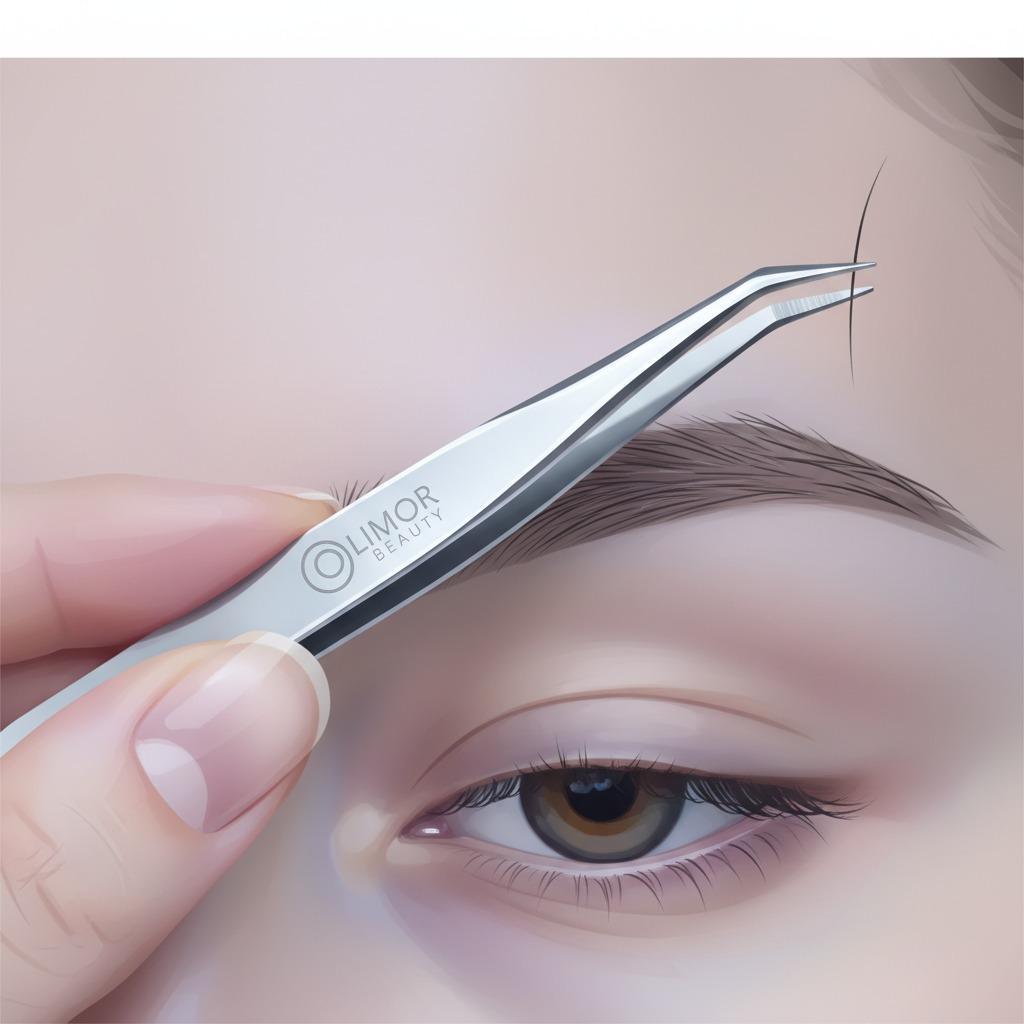
- Grip one hair near the root: Catch the hair as close to the base as practical without pinching skin.
- Pull in the direction of growth: A smooth pull with the growth direction may reduce breakage and unnecessary discomfort.
- Pause frequently: Step back from the mirror to check balance. Close-up mirrors can encourage over-removal.
- Clean after use: Remove residue before storing the tweezer so the tips remain ready for the next session.
Pointed tips require extra care because they concentrate contact in a smaller area. They should be handled deliberately, stored with protection and kept away from loose cosmetic bags where the tip can be damaged or cause accidental scratches.
Cleaning, Hygiene and Maintenance
Cleaning is one of the easiest ways to preserve tweezer performance. Skin oil, makeup, skincare residue and small hair fragments can form a film on the tips. That film reduces grip and may make the user squeeze harder than necessary. After each use, wipe the working tips with a clean soft cloth. If residue remains, use mild soap and water, rinse carefully and dry thoroughly.
Tweezers should not be left damp in closed bags, humid bathroom drawers or mixed tool compartments. Moisture and poor storage can affect appearance and usability over time. The working tips should be protected with a sleeve, pouch, tray or dedicated compartment. Storing tweezers loose with nail clippers, scissors or metal accessories can knock the tips out of alignment.
For salons or any service environment, cleaning and disinfection practices should follow the rules that apply in the local jurisdiction and the service setting. Public bodies such as the U.S. Centers for Disease Control and Prevention and local health departments publish hygiene and disinfection guidance, but requirements can vary by location and service type. Buyers and operators should verify current versions and supplier documents rather than relying on outdated assumptions.
Disinfection methods should be appropriate for the tool finish and intended use. Harsh or unsuitable chemicals may affect appearance or handling. After any wet cleaning or approved disinfection step, the tweezer should be fully dried before storage.
Tension Adjustment and Common Problems
Some users try to adjust tweezers when the arms feel too tight or too loose. Minor handling differences can sometimes change the feel, but aggressive bending is risky. If the tips lose alignment, the tweezer may stop gripping fine hairs even though the tool still looks acceptable from a distance.
If the tweezer feels too tight, first check whether residue is making the motion feel rough or whether the hand position is causing strain. Clean and dry the tool, then test again. If the tweezer feels too loose, check whether the tips meet fully when closed. A tool that does not close correctly should not be corrected by forcing the arms past each other.
For sourcing teams, repeated tension or alignment problems across several samples should be treated as a supplier evaluation issue, not an end-user adjustment task. A product range should not require customers to bend tools heavily before they work. Protecting tip alignment is more important than changing the arm feel slightly.
Supplier Evaluation Questions for B2B Buyers
When sourcing tweezers, the best supplier conversation is specific. Instead of asking only for a catalog item, explain the selling channel, target user and quality priorities. A salon kit, a mass retail grooming tool and a premium brow accessory may need different packaging, presentation and inspection focus.
Useful questions include: What tip styles are available for the intended range? How are tips protected during packing? Can samples be reviewed before confirming an order? What customization options are available for packaging or branding? How should cleaning and care information be presented to end users? What documents are available for the specific product and shipment?
Buyers should also ask how consistency is managed across production. It is reasonable to inspect multiple units from samples or pre-shipment goods because alignment, tension and finish consistency are central to tweezer quality. Avoid relying only on one perfect sample.
FAQ
Can buyers request tweezer samples before placing an order?
Sample availability depends on the product, customization needs and current supplier arrangements. Buyers should share the intended channel, tip style and packaging expectations so the sample review matches the real project.
Is there a fixed MOQ for precision tweezers?
MOQ can vary by tweezer style, packaging, customization and order requirements. Request current details for the specific product rather than assuming one quantity applies to every tool or kit.
Can tweezers be customized for retail or promotional sets?
Customization may include packaging presentation or branding details depending on the selected product and project scope. Confirm available options, artwork requirements and approval steps before ordering.
How should buyers evaluate quality before shipment?
Focus on tip alignment, grip performance, edge finish, arm tension, surface consistency and packaging protection. Review supplier documents and agree on inspection expectations for the actual order.
What affects lead time for tweezer orders?
Lead time can depend on product availability, order size, customization, packaging and production schedule. Buyers should confirm current timing during quotation and before final order approval.
Key Takeaway
A reliable precision tweezer is defined by how well it grips, how comfortably it handles and how consistently it stays aligned through use, cleaning and storage. For buyers, the strongest approach is to compare samples with a clear checklist, match tip style to the intended user and review packaging protection before committing to a range. With careful selection and routine maintenance, tweezers can remain practical tools for brow shaping, detail grooming and professional beauty assortments.
Tag: