Tweezers China Manufacturer: What Buyers Should Check Before Bulk Supply
For beauty brands, distributors, salons and e-commerce sellers, tweezers are a small product with a large impact on customer trust. A pair that grips cleanly, aligns correctly and feels balanced can become a repeat-purchase item. A pair with uneven tips, weak tension or poor finishing can quickly lead to returns and negative reviews. When sourcing from a tweezers China manufacturer, the goal is not simply to find the lowest unit price. The goal is to build a reliable supply path for consistent, stainless steel grooming tools that match your market, packaging needs and quality expectations.
Olimor Beauty works with businesses looking for wholesale tweezers and bulk beauty tool supply. Whether you are developing a personal care range, adding eyebrow tools to a cosmetics line or purchasing for distribution, it helps to understand the product decisions that affect performance. The following guide explains what to evaluate before placing a bulk order, from tip shape and material to inspection points and communication with the manufacturer.
Why Tweezers Quality Matters in Bulk Beauty Tool Supply
Tweezers may appear simple, but their performance depends on close tolerances. The two arms must meet accurately at the tips, the grip surface should catch fine hair without cutting or slipping, and the tension should be firm enough for control without causing hand fatigue. In bulk purchasing, even a small quality variation can become a large problem across cartons of product.
For retail buyers, the first customer judgment often happens before use. Surface finishing, edge smoothness, tip symmetry and packaging cleanliness all influence perceived value. For professional beauty users, performance is even more important. Brow shaping, facial hair removal and detailed grooming require tools that can repeatedly grasp short or fine hairs. This is why sourcing decisions should include both cosmetic appearance and functional checks.
Stainless steel is commonly preferred for tweezers because it supports durability and corrosion resistance when properly manufactured and cared for. However, buyers should still confirm finishing quality, tip alignment and packaging protection. A quality stainless steel tweezer should arrive clean, smooth to the touch and ready for safe consumer handling.
Choosing the Right Tweezer Style for Your Customers
Before comparing quotations, define which tweezer styles fit your sales channel. A beauty retailer may need several options for different grooming tasks, while a single-brand cosmetics kit may only need one versatile shape. Selecting the right design helps avoid overbuying slow-moving styles or disappointing users with a tool that does not suit the intended job.
| Tweezer Feature | Common Use | Buyer Consideration |
|---|---|---|
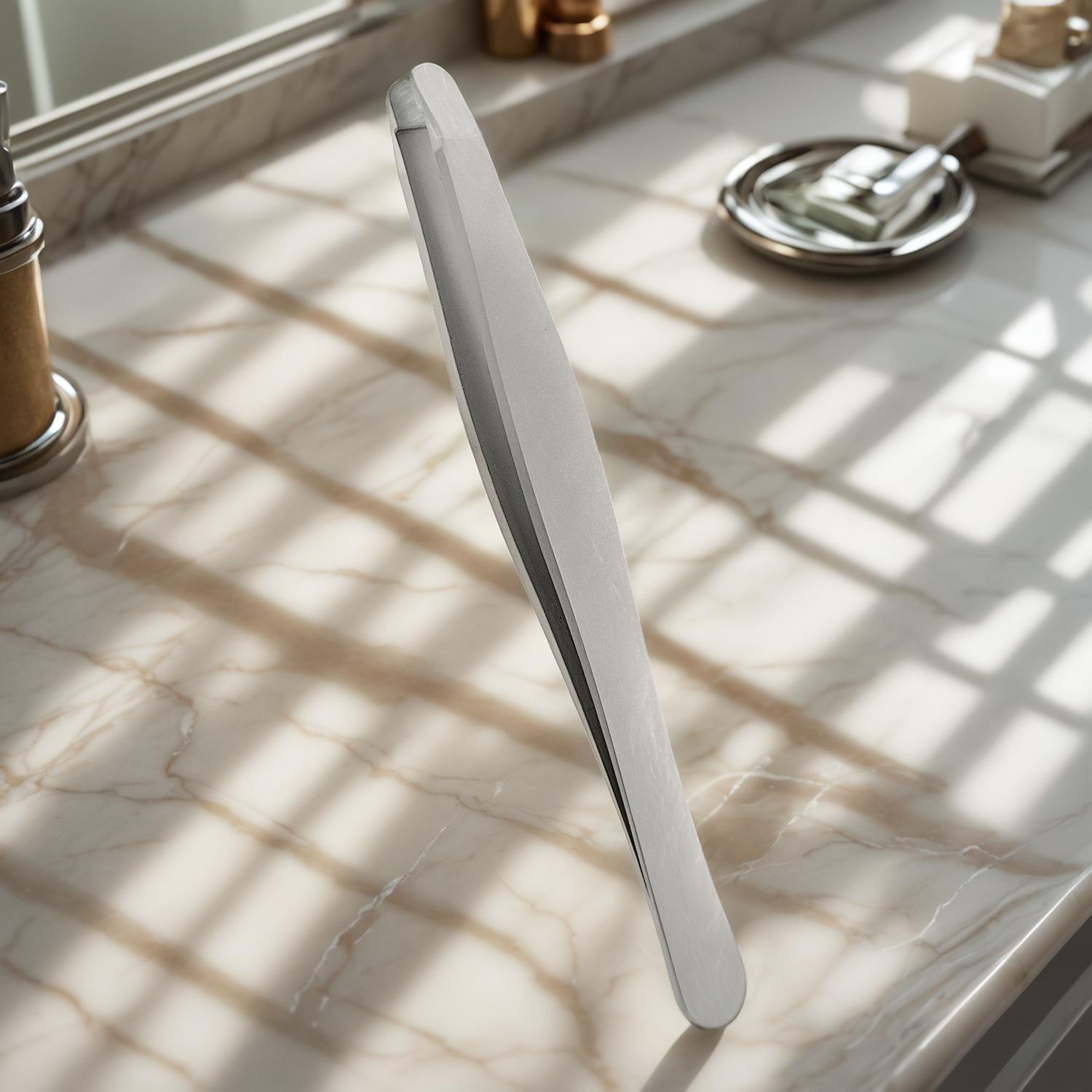
| Slanted tip | Eyebrow shaping and general grooming | Often suitable for mainstream retail because it balances control and versatility. |
| Pointed tip | Precise work on very fine or short hairs | Requires careful safety packaging and clear usage instructions due to the sharper end. |
| Flat tip | Gripping broader hairs or simple household grooming | Less specialized, but may fit basic grooming sets or value packs. |
| Textured or coated handle area | Improved finger control | Check that any coating or finish is even and does not interfere with cleaning. |
If you are unsure which format suits your market, review customer reviews from similar products in your sales channel. Complaints about slipping, overly sharp tips or uncomfortable tension can help you refine the specification before ordering. You can also browse Olimor beauty tool products to consider how tweezers may fit with other grooming tools in your range.
Key Quality Checkpoints for Stainless Steel Tweezers
A dependable tweezers manufacturer should understand that inspection is not limited to the final packed item. Quality begins with material selection and continues through forming, grinding, polishing, alignment and packaging. For buyers, the most useful approach is to define practical checkpoints that can be reviewed on samples and during bulk inspection.
- Tip alignment: The two tips should meet evenly when gentle pressure is applied. Misaligned tips often fail to grip fine hair.
- Grip performance: Test on fine fibers or hair-like material to check whether the tweezer holds without sliding.
- Tension consistency: The arms should spring back smoothly and not feel too loose or too stiff.
- Edge safety: External edges should feel smooth, with no burrs that could scratch skin or tear packaging.
- Surface finish: Polishing, coating or coloring should be clean and consistent across the visible surfaces.
- Cleanliness: Finished pieces should be free from residue, dust and handling marks before final packing.
- Packaging fit: Tip protectors, pouches, cards or boxes should hold the tweezer securely to prevent damage during shipping.
These checks are especially important when you buy tweezers in bulk because one approved sample does not automatically guarantee every production piece will perform the same. Clear inspection criteria make communication easier and reduce misunderstandings when evaluating pre-production or shipment samples.
Packaging and Branding Decisions for Wholesale Tweezers
Packaging is more than decoration. It protects the tweezer tips, communicates product positioning and helps retailers display the item effectively. A pointed or slanted tweezer may need a tip guard or secure insert to prevent damage in transit. For online sellers, packaging must also withstand courier handling while still looking presentable when the customer opens the parcel.
When planning packaging, consider how the product will be sold. A salon distributor may prefer simple protective packaging for professional users, while a retail beauty brand may need a carded blister, paper box or pouch that supports shelf display. If sustainability is part of your market positioning, discuss material options early so the structure, printing method and cost are considered together.
Branding should also be practical. Logo placement on a small stainless steel item requires enough visible area and an appropriate process. Overly large artwork may not reproduce clearly. Simple, high-contrast branding often performs better than complex designs on small tools. For cartons and inner packing, use clear product codes or descriptions to help warehouse teams separate styles, colors and packaging versions.
How to Compare a Tweezers China Manufacturer Beyond Price
Price is important, but it should not be the only sourcing filter. A very low quote may leave out packaging, inspection steps, finishing requirements or communication support. Comparing suppliers fairly means giving each manufacturer the same target product description and then reviewing how clearly they respond.
- Define the product: Include tweezer style, material preference, finish, length if already decided, packaging concept and target market.
- Request relevant samples: Review samples for grip, alignment, surface finish and packaging protection before committing to bulk supply.
- Clarify production tolerance: State what defects are unacceptable, such as crossed tips, burrs, loose tension or visible stains.
- Confirm branding method: Make sure logo size, position and color expectations are realistic for the product surface.
- Review packing details: Ask how pieces are protected inside inner boxes and export cartons to reduce tip damage.
- Discuss reorder consistency: If you plan repeat purchases, keep approved samples and specifications as reference points.
A capable manufacturer should help translate buyer expectations into workable production requirements. The best conversations are specific: instead of asking only for “high quality,” define what high quality means for your customers. For example, a brow-focused beauty line may prioritize precise slanted tips and premium packaging, while a value retail pack may prioritize consistent basic function and efficient carton packing.
Maintenance Guidance Your Customers Will Appreciate
Good after-sale information can reduce complaints and improve customer satisfaction. Even well-made stainless steel tweezers need basic care. If your brand sells tweezers directly to consumers, consider adding short care instructions on packaging or an insert.
- Wipe tips after use to remove oils, makeup or skincare residue.
- Store tweezers with a tip protector when available, especially for pointed styles.
- Avoid dropping tweezers on hard surfaces because the tips can bend or misalign.
- Keep the tool dry before storage to support long-term surface condition.
- Do not use eyebrow tweezers as a general household tool, as this can damage the precision tips.
These simple instructions help customers understand that tweezers are precision grooming tools, not disposable accessories. They also support repeat purchasing because users are more likely to trust a brand that explains proper product care.
Building a Reliable Bulk Supply Plan with Olimor Beauty
When sourcing wholesale tweezers, preparation makes the process more efficient. Buyers who provide a clear brief are more likely to receive accurate recommendations and realistic production guidance. Your brief does not need to be complicated, but it should include your preferred tweezer style, expected sales channel, packaging idea, branding needs and any special handling requirements.
Olimor Beauty supports businesses sourcing stainless steel tweezers and related grooming tools for bulk supply. If you are building a wider personal care assortment, explore Olimor product collections to see how tweezers can be paired with other beauty tools. For project discussion, you can contact Olimor or send an inquiry with your target specifications.
A successful tweezer sourcing project is built on practical decisions: the correct tip shape, consistent alignment, safe finishing, protective packaging and clear quality expectations. By focusing on these details before bulk production, brands and distributors can offer grooming tools that feel dependable in everyday use and support stronger customer confidence over time.
Tag: