












Choosing Top Nail Clipper Exporters: A Practical Buyer Guide
Nail clippers look simple, but buyers who source them in volume know that small differences can affect cutting comfort, repeat purchases and returns. A clipper that cuts cleanly, feels stable in the hand and arrives with consistent finishing is much easier to sell than a low-cost item with uneven jaws or weak leverage. For importers, retailers, distributors, salons and private-label buyers, selecting the right nail clipper exporter is therefore not only a purchasing decision; it is a quality-control decision.
This guide explains how to evaluate nail clipper exporters and reliable suppliers, with attention to the factors that matter in real commercial use: material, cutting alignment, handle comfort, finish, inspection, packaging and communication. Olimor Beauty supplies beauty and grooming tools for buyers comparing options across the market, and the points below can help you prepare a clearer sourcing brief before reviewing beauty tool products or sending a project request.

What Makes a Nail Clipper Exporter Worth Comparing?
A strong exporter is not defined only by price. In nail care tools, the best supplier fit is usually the one that can repeat the same acceptable result across many cartons, shipments and purchase cycles. That means the supplier should understand both the product and the expectations of the destination market.
When comparing exporters, look for evidence of consistent manufacturing control. Nail clippers depend on alignment between the upper and lower cutting edges. If the jaws are slightly offset, the clipper may bend the nail, leave rough edges or require repeated pressure. If the lever is unstable, the user may feel poor control. A reliable supplier should pay attention to these practical details rather than treating the clipper as a generic metal item.
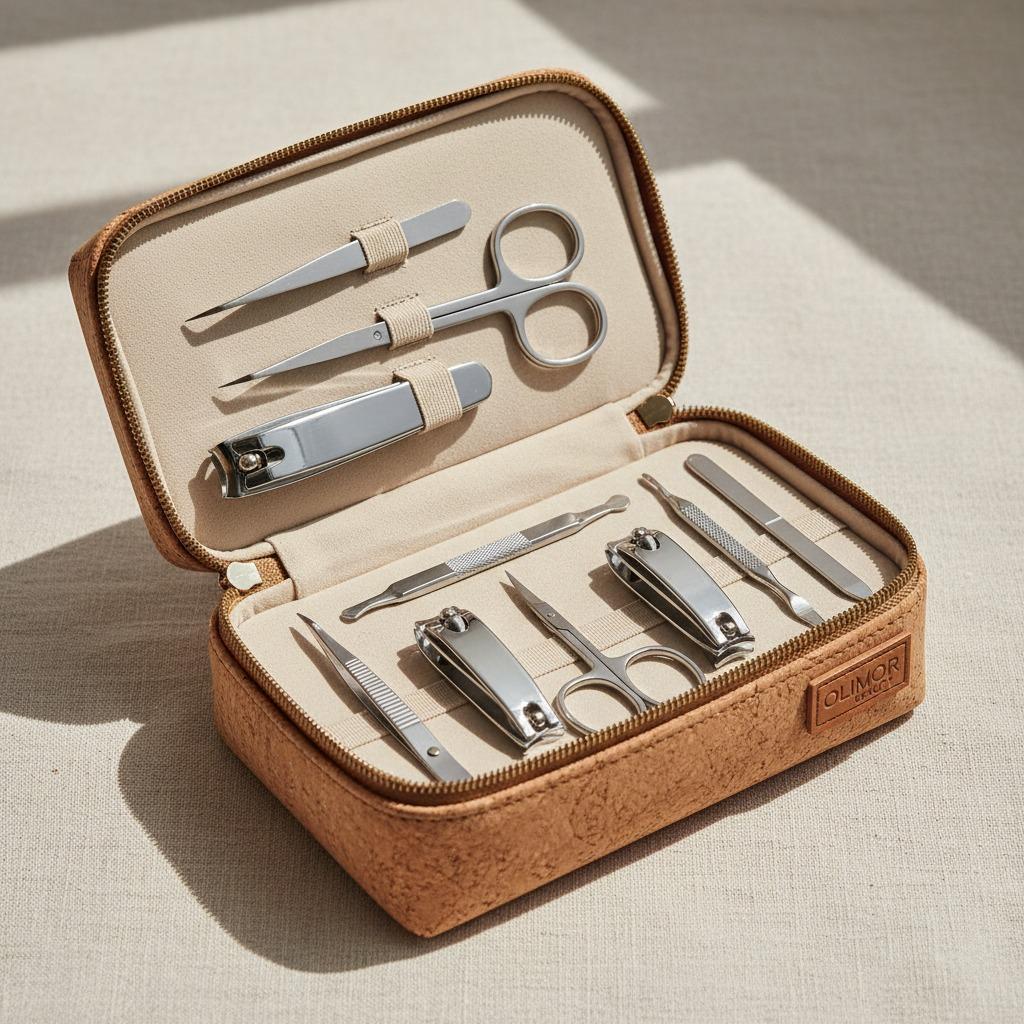
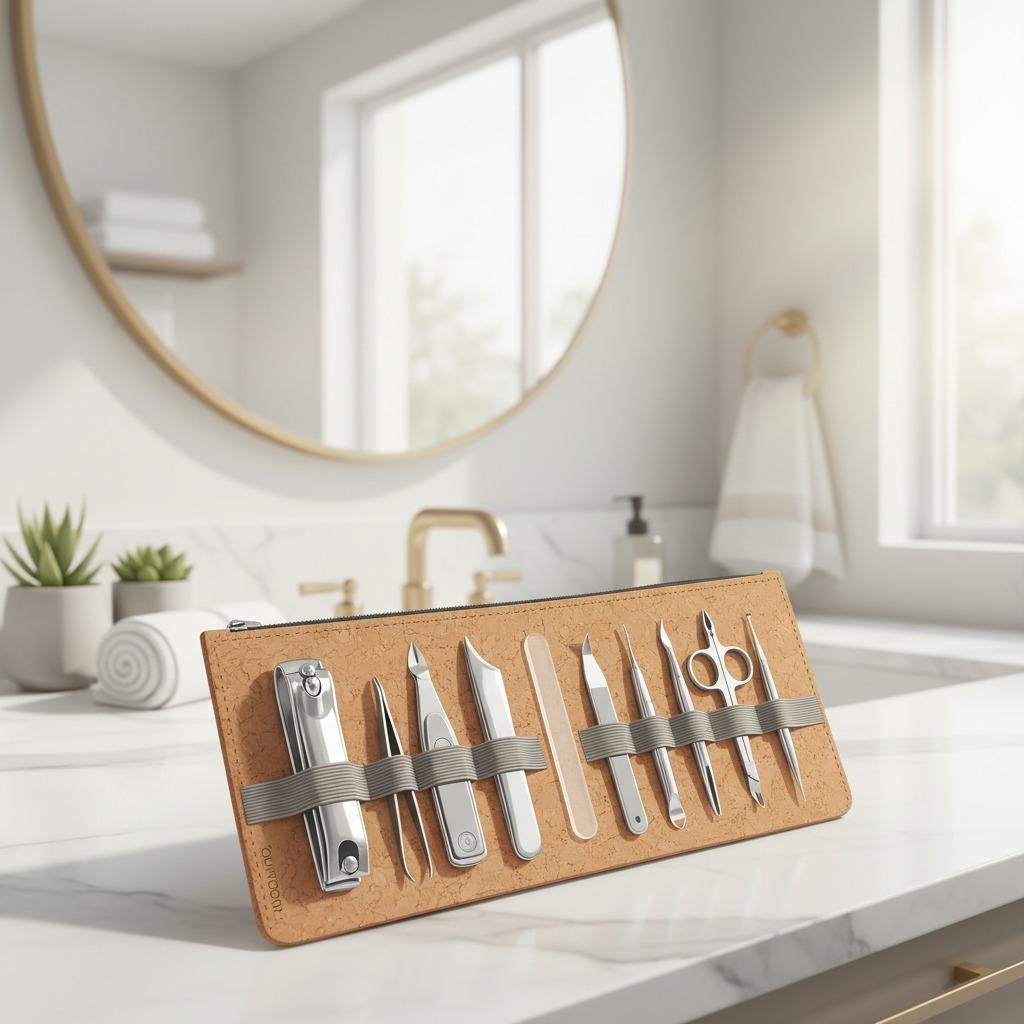
Olimor Beauty positions its nail clipper offering around stainless steel construction, ergonomic use, a brushed appearance and a lever mechanism intended to support controlled cutting. For a buyer, those are useful starting points, but they should still be translated into measurable sourcing questions: How clean is the cutting edge? How smooth is the lever movement? How consistent is the finish between samples? How is each batch checked before packing?
Key Product Details Buyers Should Inspect
Before discussing large orders, examine samples with the same care that your customers will use when opening the package. The clipper should feel balanced rather than flimsy. The cutting edges should meet evenly from side to side. The lever should press down smoothly without excessive looseness, and the tool should return cleanly after use.
Stainless steel is a common choice for nail clippers because buyers expect corrosion resistance and a clean grooming appearance. However, the word “stainless” alone is not enough to judge the product. For practical sourcing, compare surface finish, edge sharpness, resistance to burrs, and how the tool feels after repeated test cuts. A brushed finish can help give the clipper a neat, controlled appearance, but it should be uniform across the body and not hide rough edges around the lever or nail file area if present.
- Cutting alignment: Check whether the jaws meet evenly and cut without twisting the nail.
- Edge condition: Look for clean sharpening without burrs, dents or uneven grinding.
- Lever control: Press the lever several times to confirm stable movement and comfortable pressure.
- Surface finish: Inspect the brushed finish or polished areas for scratches, stains and inconsistent texture.
- Hand comfort: Test whether the shape feels secure for different hand sizes and common usage angles.
- Packaging readiness: Confirm that the item is protected from rubbing, moisture and deformation during transport.
Supplier Reliability Beyond the Sample
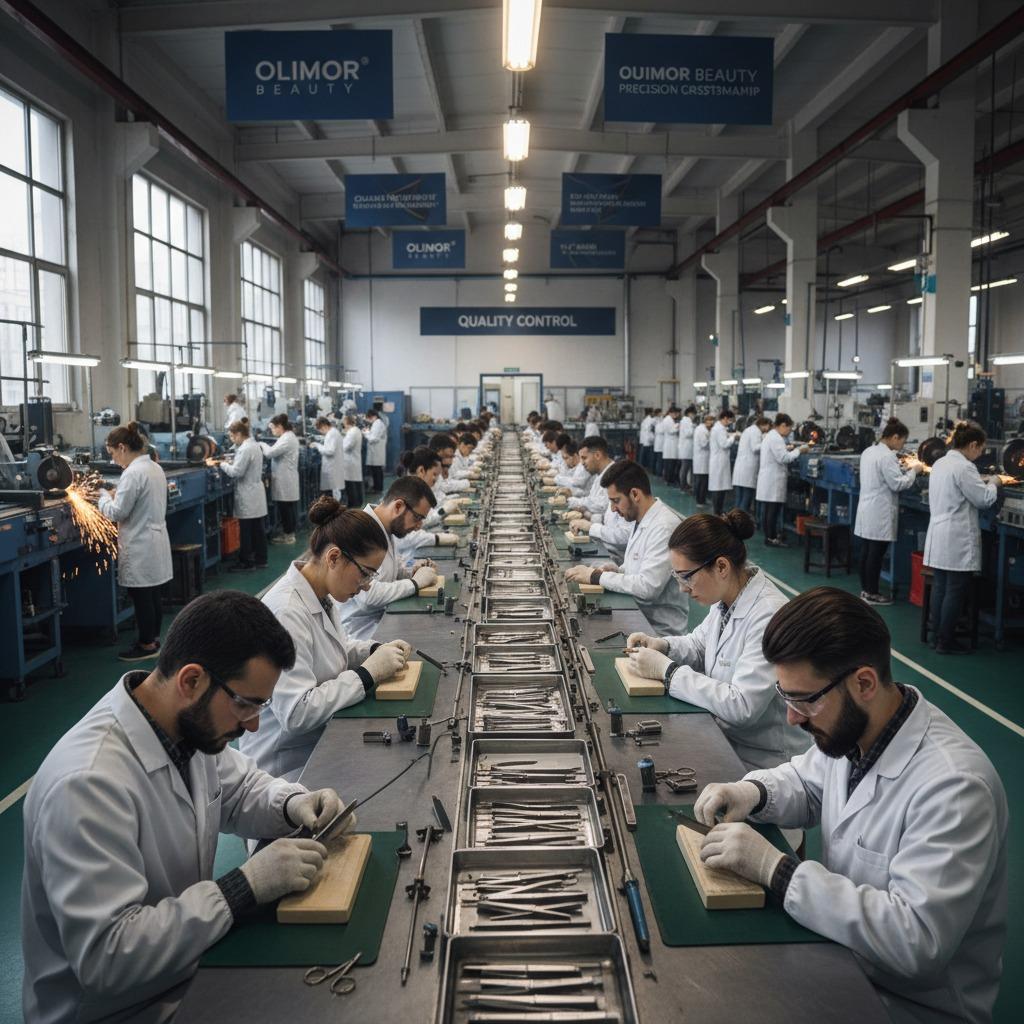
A sample can be excellent while a bulk shipment fails to match it. This is why buyer communication and quality control are as important as the initial product. A dependable nail clipper supplier should be able to describe how raw materials, forming, sharpening, assembly, finishing and final packing are controlled. The explanation does not need to be complicated, but it should be specific enough to show that the supplier understands where defects can appear.
For example, common problems include uneven cutting gaps, rough lever edges, surface scratches, oil marks, loose rivets or clippers packed in a way that allows metal-to-metal abrasion. A supplier with experience exporting grooming tools should know how to prevent these problems before shipment, not only how to respond after a complaint.
Olimor Beauty emphasizes internal quality control from raw material handling through final packaging. Buyers can make this claim more actionable by defining inspection points in the purchase brief. Instead of asking only for “good quality,” state the expected appearance, cutting performance, packing method, acceptable defect categories and sample approval process. Clear standards help both sides avoid misunderstandings.
A Practical Checklist for Importers and Retail Buyers
The following table can be used when comparing nail clipper exporters. It is not a substitute for product testing, but it helps organize decisions and prevents teams from focusing only on unit cost.
| Evaluation Area | What to Check | Why It Matters |
|---|---|---|
| Material and finish | Stainless steel appearance, brushed finish consistency, visible defects | Supports customer confidence and reduces complaints about appearance |
| Cutting performance | Jaw alignment, sharpness, clean cut on fingernail and toenail samples where relevant | Determines whether the product performs its basic function well |
| Mechanism | Lever smoothness, rivet stability, comfortable pressure | Affects control, safety perception and long-term usability |
| Ergonomics | Grip area, size suitability, angle of use | Helps match the clipper to retail, travel, salon or home-use audiences |
| Packaging | Protection, labeling space, carton arrangement, retail presentation | Influences shipping condition and shelf-readiness |
| Supplier process | Sample approval, inspection steps, defect handling, communication speed | Reduces sourcing risk when moving from samples to repeat orders |
Matching Nail Clippers to the Right Sales Channel
Not every buyer needs the same nail clipper. A pharmacy or supermarket may prioritize compact size, clean packaging and consistent retail presentation. A salon distributor may care more about durability, hand comfort and the ability to withstand frequent use. A travel kit supplier may need a smaller, lightweight option that fits into a set without damaging other accessories. A private-label grooming brand may focus on surface finish, packaging detail and a product feel that matches its price point.
Before requesting pricing, define the sales channel and user expectation. If the clipper is intended for everyday household use, balanced cost and reliable cutting may matter most. If it is part of a premium grooming set, the finish, lever feel and packaging protection become more important. If it is used as a promotional item, the buyer may still need safe cutting and acceptable finish, but packaging and branding area can carry more weight.
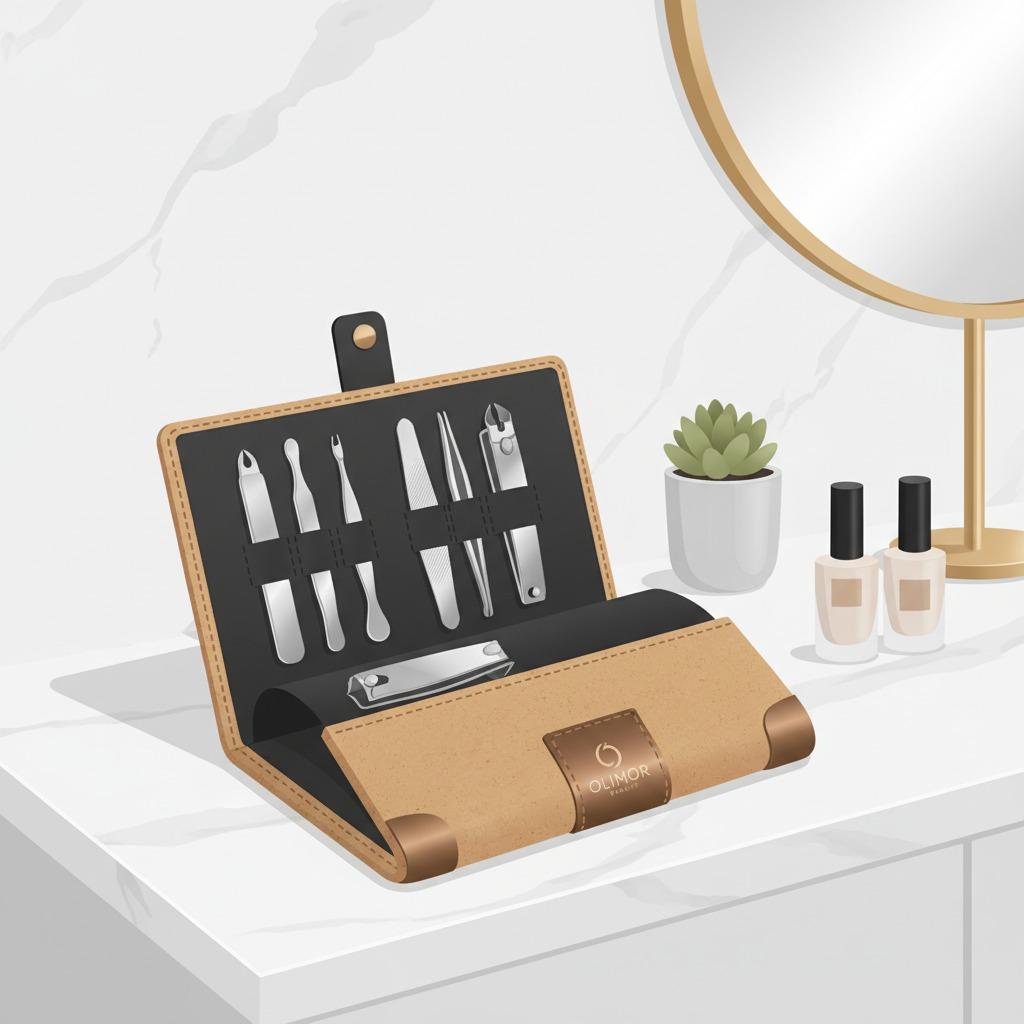
Olimor Beauty offers beauty tool products for different purchasing needs, and buyers can review broader product collections to consider whether nail clippers should be sourced alone or as part of a coordinated grooming range. Bundling tools can simplify merchandising, but only if each item in the set meets the same basic quality expectation.
Questions to Prepare Before Requesting a Quote
A well-prepared inquiry saves time and produces more useful quotations. Instead of sending a vague request for “best price nail clippers,” prepare the information a supplier needs to recommend a suitable option. This also makes it easier to compare exporters fairly.
- Identify the target market and sales channel, such as retail, salon supply, ecommerce, travel set or promotional use.
- State the preferred clipper size or user type if already known, such as fingernail, toenail or compact travel use.
- Describe the desired finish, including whether a brushed look is preferred.
- Clarify packaging expectations, including individual packaging, retail display needs or set packaging.
- Request sample evaluation before confirming bulk order details.
- Define the quality points you will inspect, such as jaw alignment, cutting sharpness, lever stability and surface condition.
- Share any labeling, market compliance or documentation requirements that apply to your destination market.
These questions do not require you to know every technical detail in advance. They simply help the supplier understand the commercial purpose of the product and help your team compare responses on more than price.
Why Work With a Specialized Beauty Tool Supplier?
A supplier focused on beauty tools is more likely to understand the difference between an acceptable metal component and a grooming tool that feels good in daily use. Nail clippers must combine cutting performance, safe handling, compact structure and presentable finishing. For repeat buyers, this combination matters because customer reviews and reorder decisions depend on small product experiences.
Olimor Beauty serves buyers looking for nail clippers and related beauty tools with attention to precision manufacturing steps, stainless steel construction, ergonomic design and final packaging control. For sourcing teams, the value is strongest when these capabilities are matched with clear product expectations, sample approval and practical inspection criteria.
If you are comparing nail clipper exporters, prepare your target use, packaging needs and quality checklist before requesting a quotation. You can send an inquiry with your purchasing requirements or contact Olimor to discuss which beauty tool options fit your channel. A clear brief makes it easier to select a reliable nail clipper supplier and build a product line that customers can use with confidence.