How to Choose Reliable Nail Clipper Exporters for Retail and Private Label Supply
For retailers, distributors, beauty brands, and grooming kit buyers, a nail clipper is a small product with a large quality burden. Customers expect it to cut cleanly, feel comfortable in the hand, resist rust, and remain safe through repeated use. If the blades pull, bend, or split the nail, the product can quickly create complaints, returns, and brand damage. That is why choosing among nail clipper exporters should be treated as a sourcing decision, not only a price comparison.
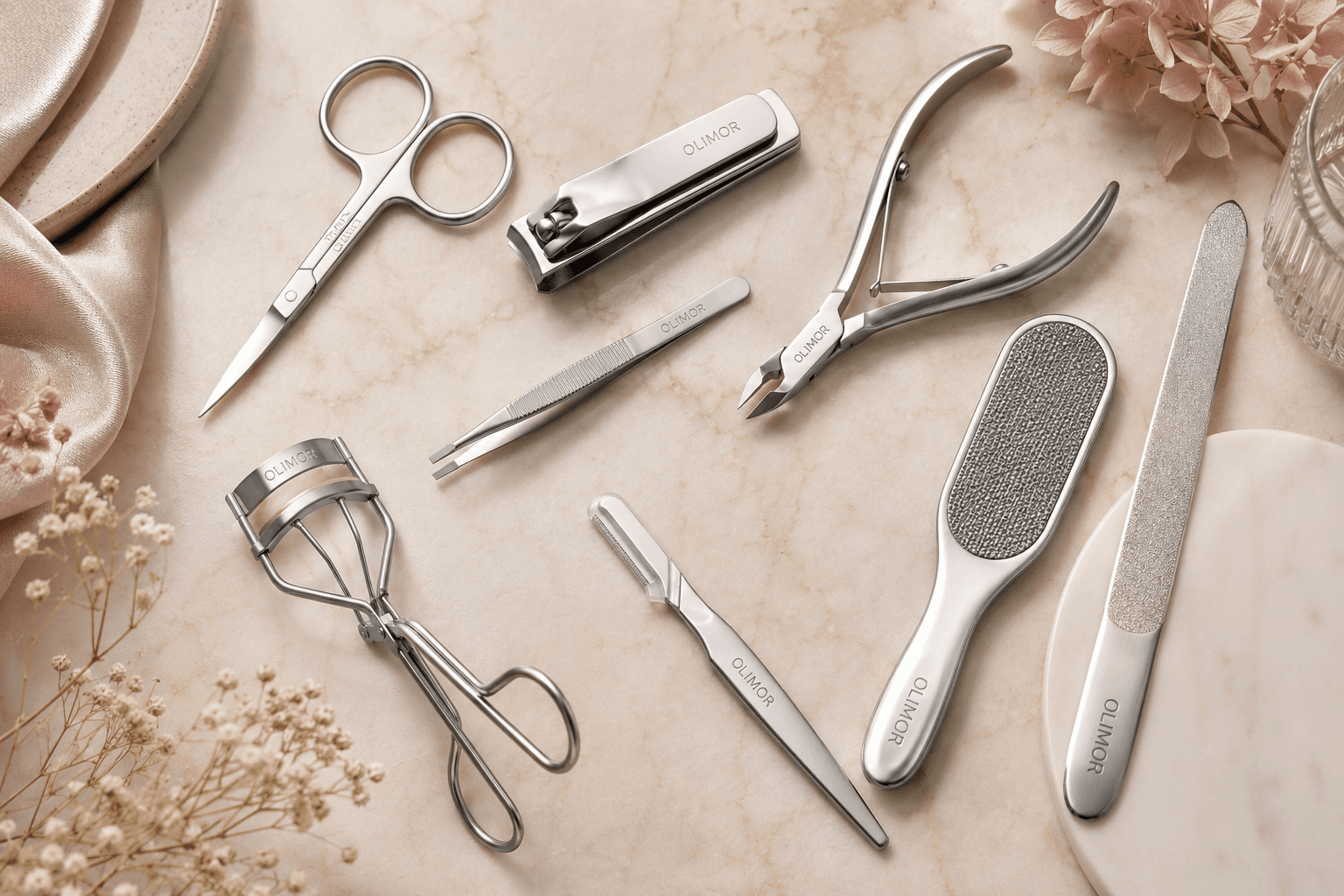
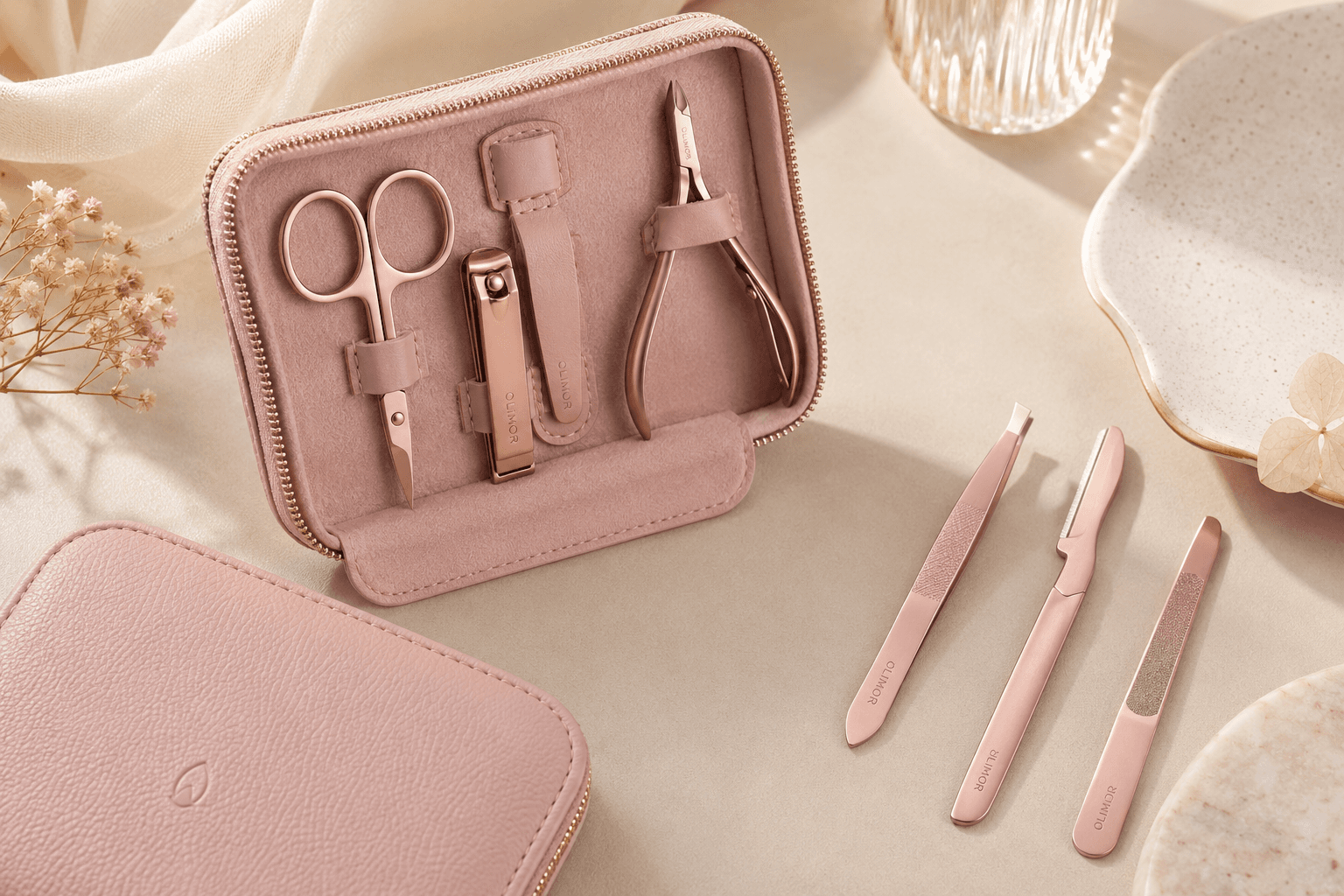
Olimor Beauty supplies nail clippers designed for everyday grooming, home use, travel kits, and beauty tool ranges. The product focus is practical: polished stainless steel, rust resistance, a sleek ergonomic shape, a comfortable grip, and sharp curved blades that help deliver clean cuts without splitting nails. For buyers comparing suppliers, these are the details that matter most because they affect both the first impression and long-term customer satisfaction.
What Makes a Nail Clipper Exporter Reliable?
A reliable nail clipper supplier should be able to support consistent product quality from raw material selection through final packaging. The nail clipper may look simple, but it contains several quality-sensitive parts: the cutting edges, lever, pin, body curvature, polishing, spring action, and surface finish. A weakness in any one of these areas can make the tool uncomfortable, noisy, stiff, or ineffective.
When evaluating nail clipper exporters, look beyond a product photo. A polished finish may suggest care, but buyers should also consider whether the clipper cuts smoothly across the full blade width, whether the lever operates without excessive resistance, and whether the edges align evenly. The best sourcing conversations are specific: how the blades are sharpened, how the finish is checked, how defective pieces are removed, and how packaging protects the tool during international shipment.
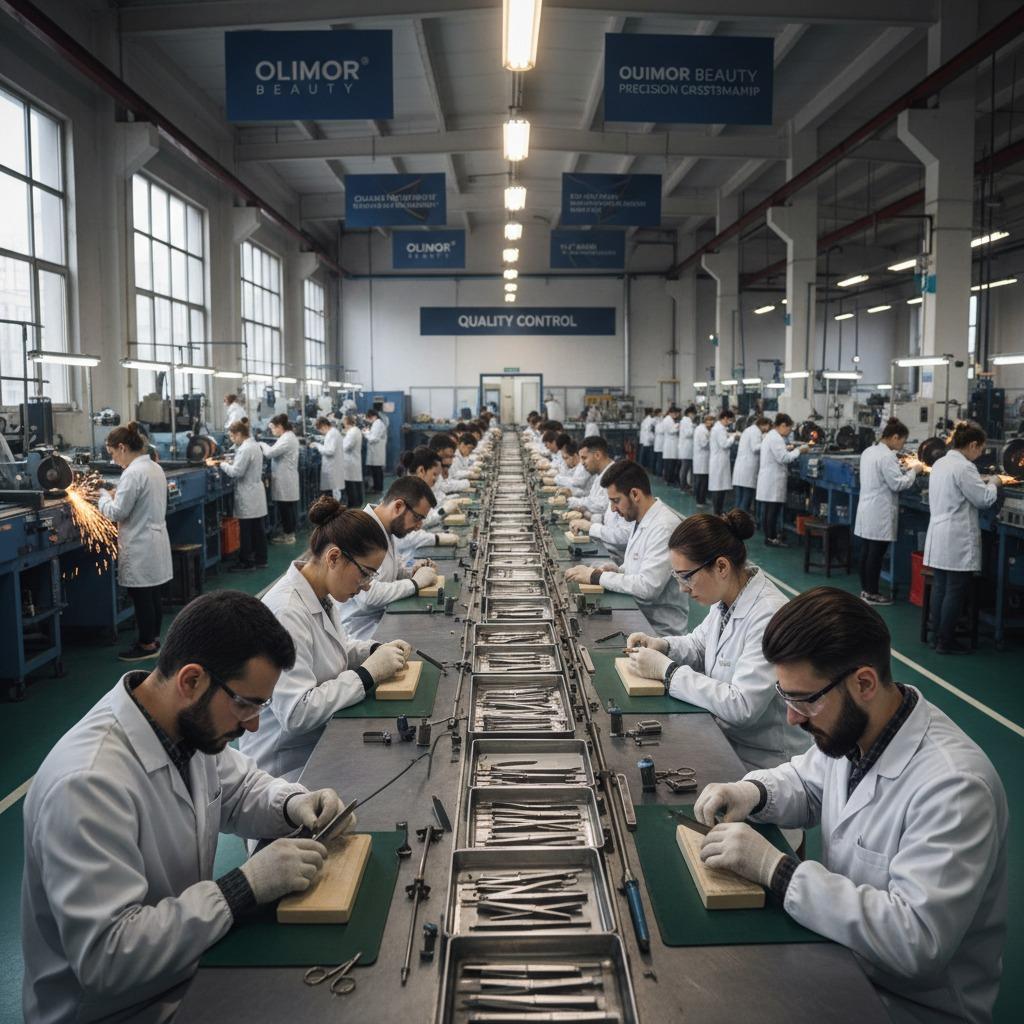
Olimor Beauty emphasizes precise manufacturing steps and quality checks for its nail clippers. The contoured shape and sharp curved blades are intended to give users more control, making the product suitable for routine personal grooming as well as compact travel assortments.
Core Product Features Buyers Should Evaluate
Whether you are building a retail nail care section or adding a clipper to a beauty kit, the following criteria can help you compare suppliers more accurately:
- Blade sharpness: The blade should cut the nail cleanly instead of crushing or tearing it. Curved blades are commonly preferred for following the natural nail shape.
- Blade alignment: The top and bottom cutting edges should meet evenly. Misalignment causes uneven cuts and may leave sharp nail edges.
- Material and finish: Polished stainless steel supports a clean appearance and helps with rust resistance, especially for bathroom or travel use.
- Grip and leverage: A comfortable lever and contoured body reduce hand strain and improve control for different nail thicknesses.
- Surface smoothness: Edges around the body and lever should feel smooth, with no burrs that could scratch the user or damage packaging.
- Consistency across units: Samples should be checked against bulk production expectations, because a strong sample is only useful if the shipped order remains consistent.
- Packaging suitability: Packaging should protect the cutting edge, present the product clearly, and match the sales channel, whether retail display, set packaging, or travel kit insertion.
These points are especially important for importers because nail clippers are often bought in volume. A small defect rate can become costly when products are distributed across multiple stores or markets.
Why Stainless Steel and Polishing Matter
Stainless steel is widely used for nail clippers because it balances strength, cleanliness, and resistance to rust. A nail clipper is frequently kept in humid places such as bathrooms, toiletry bags, handbags, salon drawers, and travel pouches. If the surface is poorly finished or the material is unsuitable, visible corrosion can appear and reduce customer confidence.
Polishing also affects more than appearance. A smooth, polished stainless steel surface feels better in the hand and is easier to wipe clean. For a personal grooming tool, users notice whether it looks hygienic and whether it has rough areas around the lever, body, or cutting head. Olimor Beauty’s nail clippers feature polished stainless steel and a sleek ergonomic design, supporting both visual appeal and practical daily use.
Buyers should not rely only on the word “stainless” in a product listing. Instead, they should review samples under normal handling conditions. Open and close the lever repeatedly, inspect the edges, check the hinge area, and look for rough polishing marks. These simple checks reveal whether the supplier has good finishing discipline.
Quality Control Questions for Nail Clipper Sourcing
Quality assurance is one of the main differences between a basic supplier and a long-term export partner. Olimor Beauty highlights internal controls from raw materials to packaging, which is the kind of process attention buyers should look for when sourcing beauty tools. A structured evaluation can prevent avoidable issues before a purchase order is placed.
| Inspection area | What to check | Why it matters |
|---|---|---|
| Cutting performance | Test the blade on suitable nail-like material or approved inspection samples | Confirms the clipper cuts cleanly without crushing or slipping |
| Blade alignment | Check whether both cutting edges meet evenly | Prevents uneven trimming and customer dissatisfaction |
| Lever action | Open, press, and release repeatedly | Identifies stiffness, looseness, or unstable assembly |
| Finish quality | Inspect surface polishing, edges, and hinge area | Supports comfort, safety, and perceived product value |
| Packaging | Review protection, labeling space, and display suitability | Reduces transit damage and improves shelf presentation |
This table can also be adapted into an incoming inspection checklist for importers. Even when a supplier has its own quality checks, buyers benefit from defining what “acceptable” means for their own market and sales channel.
Matching Nail Clippers to Sales Channels
The right nail clipper specification depends on where and how it will be sold. A beauty retailer may prioritize polished finish and shelf-ready presentation. A travel kit buyer may focus on compact handling and protective packaging. A distributor may need a versatile clipper that suits broad consumer use and has dependable bulk consistency.
For home grooming, customers usually care about a comfortable grip, clean cuts, and long-lasting sharpness. For travel, the product should be compact, sturdy, and protected so the cutting edges do not damage other items in a bag. For beauty tool sets, the clipper should visually match other tools and maintain a consistent finish. Olimor Beauty’s ergonomic, polished stainless steel nail clippers are suitable for buyers who want a practical grooming item that can fit into several of these use cases.
If you are comparing nail clippers with other categories, browse Olimor Beauty’s beauty tool products to understand how individual tools can fit into a wider grooming or nail care assortment. You can also review product collections when planning a coordinated range for retail or distribution.
Export Readiness: Packaging, Consistency, and Communication
Export sourcing is not only about the clipper itself. International buyers also need stable packaging, clear communication, and repeatable order execution. A product that performs well but arrives scratched, loose, or poorly packed can still create problems at receiving inspection. For nail clippers, packaging should protect the blade area, minimize movement, and allow the product to present well when unpacked or displayed.
Consistency is equally important. If your first shipment has a smooth lever and clean polishing, the next order should meet the same expectation. That requires attention to process control, not just sample approval. Buyers should keep approved samples, define inspection points, and confirm packaging requirements before production. These steps are especially valuable when importing beauty tools across different markets with different retail preferences.
Communication should also be practical. Instead of asking only for the lowest price, prepare a sourcing brief that includes target use, packaging style, order destination, preferred inspection criteria, and any market-specific labeling needs. This helps the supplier understand what the product must achieve and reduces the chance of mismatched expectations.
A Practical Buyer Checklist Before Placing an Order
Before selecting a nail clipper exporter, use this checklist to organize your review:
- Confirm the clipper’s intended sales channel: retail, travel kit, grooming set, distributor assortment, or promotional pack.
- Review physical samples for sharpness, blade alignment, lever action, grip comfort, and smooth polishing.
- Check that the stainless steel finish appears clean and suitable for humid bathroom or travel environments.
- Inspect for burrs, rough edges, loose pins, or uneven pressure when cutting.
- Confirm packaging requirements, including protection during shipping and presentation at the point of sale.
- Define acceptable quality criteria before bulk production begins.
- Keep an approved sample for comparison with future shipments.
- Clarify branding, labeling, carton information, and documentation needs for your market.
This approach gives purchasing teams a clearer basis for comparison and helps avoid decisions based only on unit price. A lower-cost clipper that causes returns or complaints may be more expensive in the long run than a better-controlled product from a dependable supplier.
Why Work with Olimor Beauty for Nail Clippers?
Olimor Beauty positions its nail clippers around precision, durability, and everyday usability. The products feature polished stainless steel for rust resistance, a contoured ergonomic shape for comfortable handling, and sharp curved blades designed for clean cutting without splitting nails. Internal controls from raw materials to packaging support reliability for buyers who need consistent grooming tools for international markets.
For retailers and importers, the advantage is not only the appearance of the nail clipper but the combination of practical design and supplier discipline. A dependable nail clipper should feel solid, cut smoothly, and arrive in packaging that fits the sales plan. When those details are managed well, the product can serve home users, travel customers, and beauty tool buyers with fewer quality concerns.
If you are developing a nail care range or comparing nail clipper exporters, you can send an inquiry with your sourcing requirements. For broader questions about product selection, packaging, or beauty tool supply, contact Olimor to start a focused discussion.
Tag: