











How to Choose Nail Clipper Exporters for Reliable Grooming Tool Supply
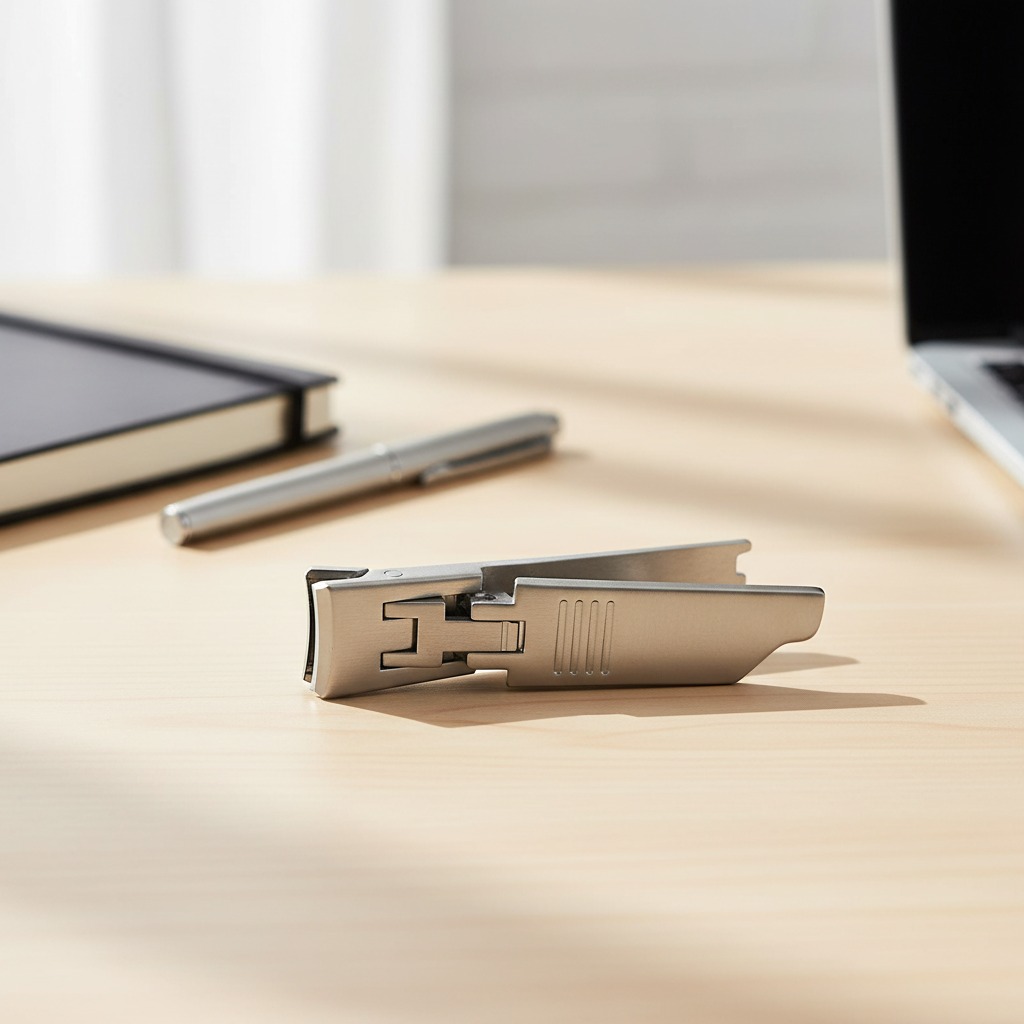
For beauty distributors, supermarket buyers, travel-kit brands, and grooming accessory wholesalers, nail clippers are small products with a big quality burden. A clipper that feels loose, cuts unevenly, or rusts too quickly can create complaints even when the retail price is modest. That is why choosing among nail clipper exporters should involve more than comparing a unit price. The stronger decision is based on cutting performance, material consistency, finishing, packaging readiness, communication, and the exporter’s ability to support repeat orders without quality drift.
Olimor Beauty supplies grooming tools for personal care and professional channels, including stainless steel nail clippers designed for clean cutting and comfortable handling. If you are reviewing beauty tool products for private label, wholesale distribution, or retail assortment planning, this guide outlines the practical checks that help separate a dependable nail clipper supplier from a risky one.
What Buyers Really Need From Nail Clipper Exporters
The best nail clipper exporter for your business is not automatically the one offering the broadest catalog or the lowest quotation. Nail clippers must satisfy several types of buyers at once: procurement teams need stable supply, retail teams need packaging that fits the shelf, and end users need a tool that cuts smoothly without crushing the nail. A good exporter understands all three expectations.
For importers, the first requirement is product consistency. A sample can look excellent, but the shipment must match the approved sample in edge alignment, lever tension, surface finish, and packaging. The second requirement is clear order communication, including product options, carton details, labeling needs, and shipment preparation. The third is responsiveness when you need to compare finishes, packaging formats, or related grooming tools for a broader range.
Nail clippers also sell into many different channels. A pharmacy may prefer compact everyday clippers with clean retail packaging. A men’s grooming set may need a more solid feel and a coordinated appearance with other tools. A travel accessories brand may prioritize compact size and safe storage. A professional beauty supplier may focus on durability, hygiene-friendly surfaces, and repeatable cutting performance. Matching the exporter to the channel is a key part of sourcing quality.
Core Product Quality Checks Before Placing an Order
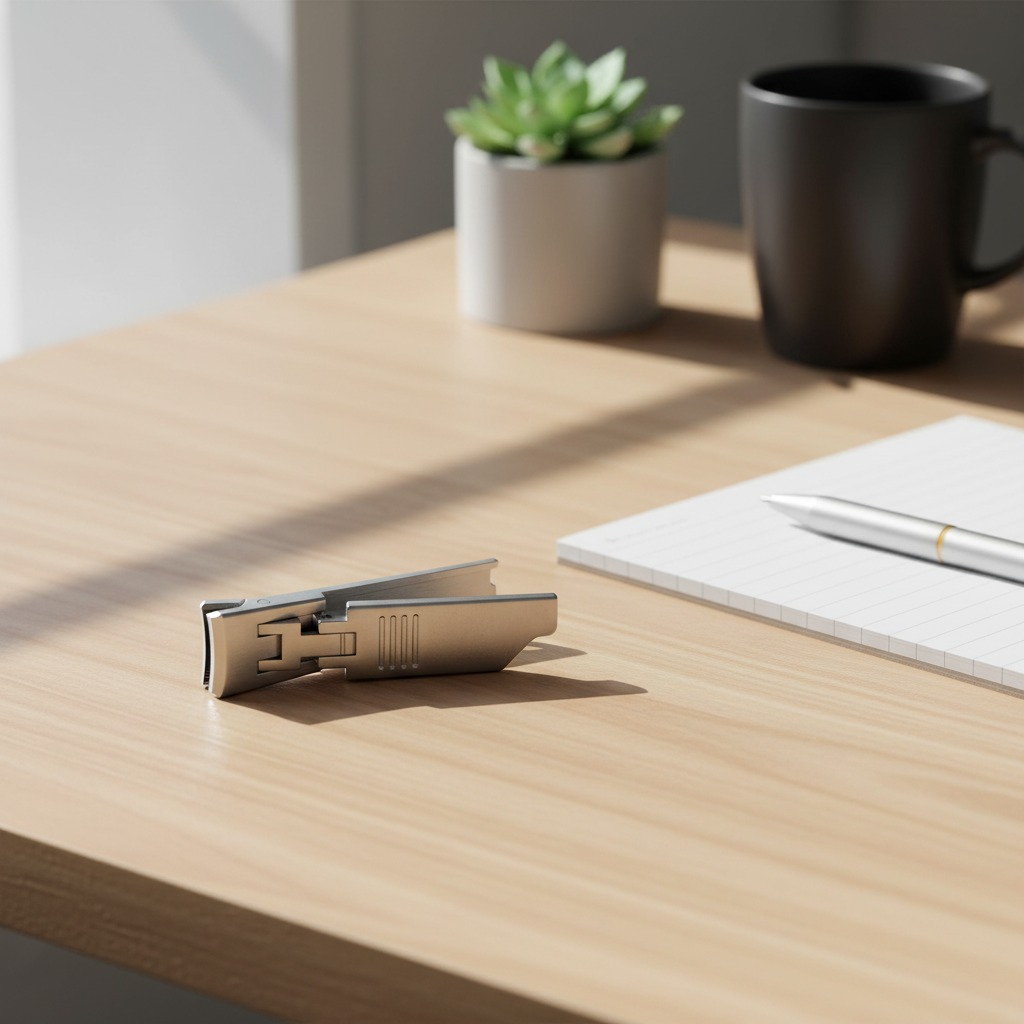
Because nail clippers are mechanical tools, small manufacturing differences matter. Buyers should evaluate the product as a cutting instrument, not only as a metal accessory. Stainless steel construction, ergonomic grips, sharp cutting edges, and robust assembly are useful features, but they need to be reviewed through sample testing and production confirmation.
- Cutting edge alignment: The upper and lower blades should meet evenly. Misalignment can bend or tear the nail instead of cutting it cleanly.
- Sharpness and cutting feel: A good clipper should cut with controlled pressure. If too much force is needed, users may experience rough edges or discomfort.
- Lever stability: The lever should feel secure and return smoothly. Excessive looseness can make the tool feel cheap and reduce accuracy.
- Surface finishing: Check for burrs, scratches, sharp non-cutting edges, or uneven polish that could affect user comfort and perceived value.
- Grip comfort: Ergonomic handling matters for both retail and professional use. A clipper should be easy to hold, especially when used on thicker nails.
- Rust resistance expectations: Stainless steel is commonly preferred for grooming tools, but buyers should still review care instructions, surface finish, and storage conditions.
- Packaging fit: Poor packaging can allow movement, scratching, or deformation during transit. Packaging should protect the tool and present it clearly.
When comparing samples from different nail clipper exporters, test each item in the same way. Use a simple score sheet for sharpness, feel, appearance, packaging, and overall value. This makes internal purchasing discussions more objective and reduces the chance of choosing based on first impression alone.
Why Stainless Steel and Ergonomic Handling Matter
The original purpose of a nail clipper is simple: trim nails cleanly and safely. However, customer satisfaction often depends on details that users notice immediately. Stainless steel is widely used for grooming tools because it supports a clean appearance and durable feel. For buyers, the material choice affects perceived quality, product positioning, and customer confidence.
Ergonomic design is equally important. A clipper with a poorly shaped lever or awkward grip may still cut, but it will not feel comfortable in daily use. This matters for elderly users, frequent travelers, salon professionals, and anyone trimming thicker nails. A comfortable lever angle and stable grip can reduce hand strain and improve control.
Sharp edges are another essential feature, but sharpness should be balanced with safety and finishing quality. The cutting edges need to perform well, while the outer areas of the tool should be smooth enough to handle. When reviewing samples, buyers should inspect the entire product, not only the blades. A clipper can have a clean cut but still fail retail expectations if it has rough corners, inconsistent polishing, or a loose hinge.
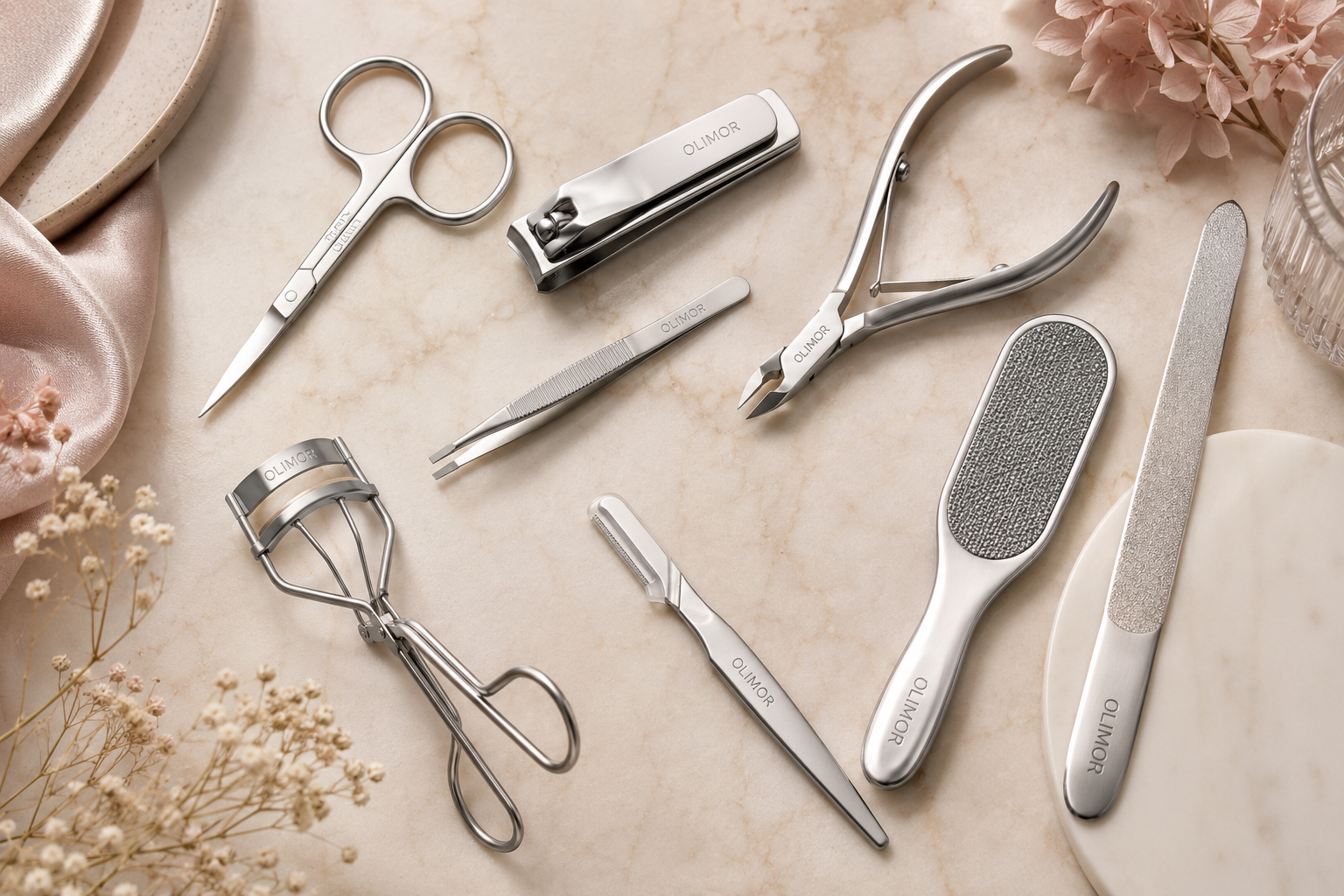
For assortment planning, consider whether you need one standard clipper or several variations for different use cases. A compact clipper may be suitable for travel kits, while a larger version may be preferred for toenails or professional grooming sets. If you are building a broader beauty accessories line, reviewing product collections can help you compare clippers with complementary tools such as tweezers, scissors, files, and other personal care accessories.
Exporter Evaluation: Beyond the Sample
A sample is important, but it is only one part of supplier selection. Reliable nail clipper exporters should be evaluated for their production controls, communication habits, packaging support, and ability to maintain quality across repeat shipments. A buyer may approve a sample in January and reorder later in the year; the second order should not feel like a different product.
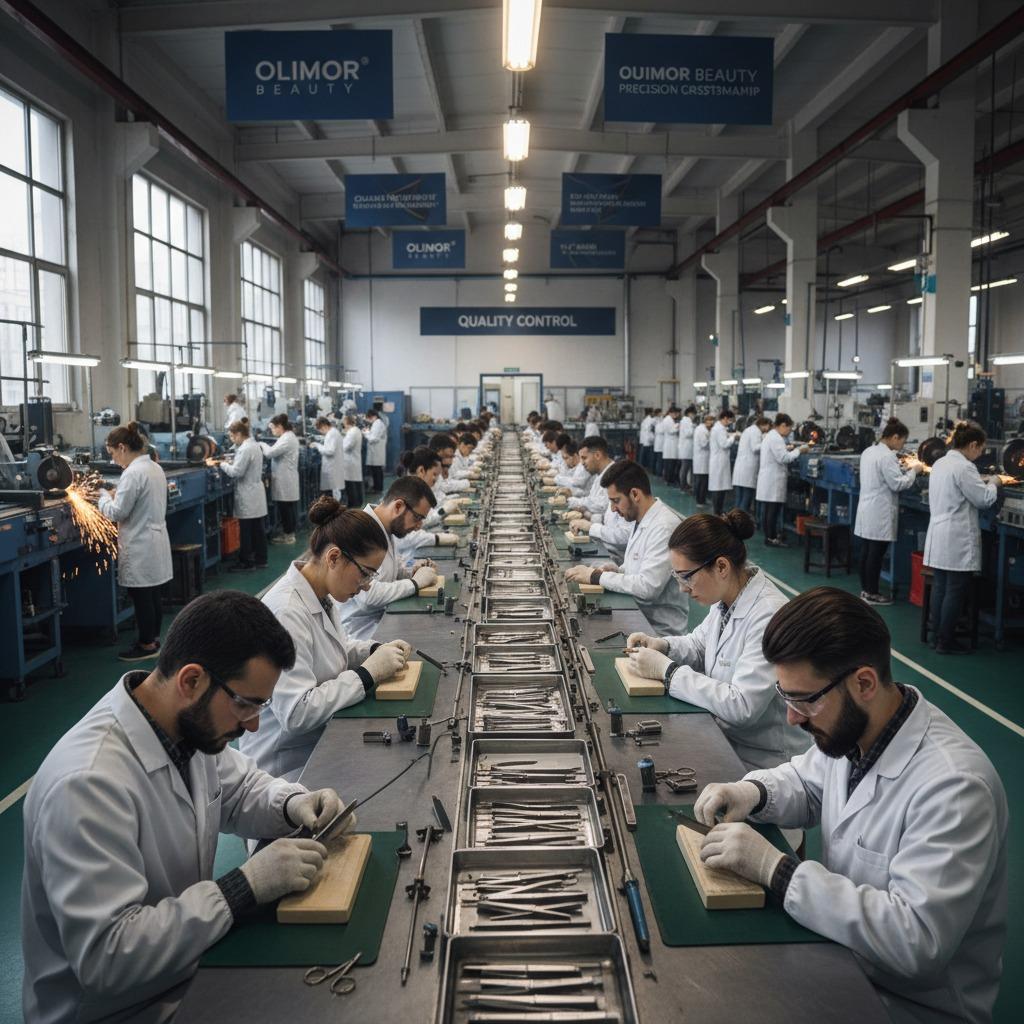
Before confirming a purchase, clarify how the exporter handles quality checks from raw material review to final packaging. The goal is not to collect vague promises, but to understand the actual inspection points. For example, does the team check edge alignment, lever action, surface finish, and packaging condition before shipment? Are approved samples retained as references? How are packaging artworks, labels, or carton marks confirmed?
Export experience also matters. International orders require clear documentation, careful packing, and communication about production progress. Delays and misunderstandings often come from incomplete specifications, not only from factory capacity. A dependable exporter helps define the product clearly before production begins: size, finish, packaging type, logo placement if applicable, carton packing, and any market-specific labeling needs.
If your company is comparing suppliers or preparing a new grooming tool project, you can send an inquiry with your intended channel, target quantity, packaging style, and quality priorities. Sharing the use case helps the supplier recommend a more suitable direction instead of treating every nail clipper as the same commodity.
A Practical Buyer Checklist for Nail Clipper Sourcing
The following checklist can be used during sample review, quotation comparison, and pre-production confirmation. It is especially useful when several internal teams are involved in approving a grooming tool order.
| Evaluation Area | What to Check | Why It Matters |
|---|---|---|
| Cutting performance | Clean trim, even blade contact, controlled pressure | Directly affects user satisfaction and return rates |
| Material and finish | Stainless steel appearance, polish consistency, smooth edges | Supports durability perception and safe handling |
| Mechanical feel | Lever tension, hinge stability, no excessive looseness | Determines whether the clipper feels precise or low quality |
| Packaging | Protection, presentation, barcode or label area, carton strength | Reduces transit damage and supports retail readiness |
| Quality control | Inspection points, approved sample reference, final checks | Helps maintain consistency across production batches |
| Export support | Clear specifications, documentation, packing communication | Reduces order delays and misunderstandings |
This checklist also helps avoid overbuying features that do not serve your market. A promotional travel kit may not need the same finish as a premium grooming set, but it still needs clean cutting and safe handling. A professional channel may justify a more robust design, but only if the product maintains consistent performance in frequent use. The right supplier should help you align product level with the channel rather than pushing a single option for every buyer.
Packaging and Private Label Considerations
For many nail clipper buyers, packaging is as important as the tool itself. Retail packaging communicates product level, protects the clipper, and helps the item pass through warehousing and store handling without damage. Even simple packaging should be planned carefully. Loose tools can scratch each other, and weak cartons can create problems during long-distance shipping.
Private label buyers should prepare clear artwork files, logo placement instructions, color references, and any required label content before production. If the same clipper will be sold in multiple markets, packaging may need different language panels, barcode formats, or warning statements. These details should be confirmed early so that production and packing are not delayed later.
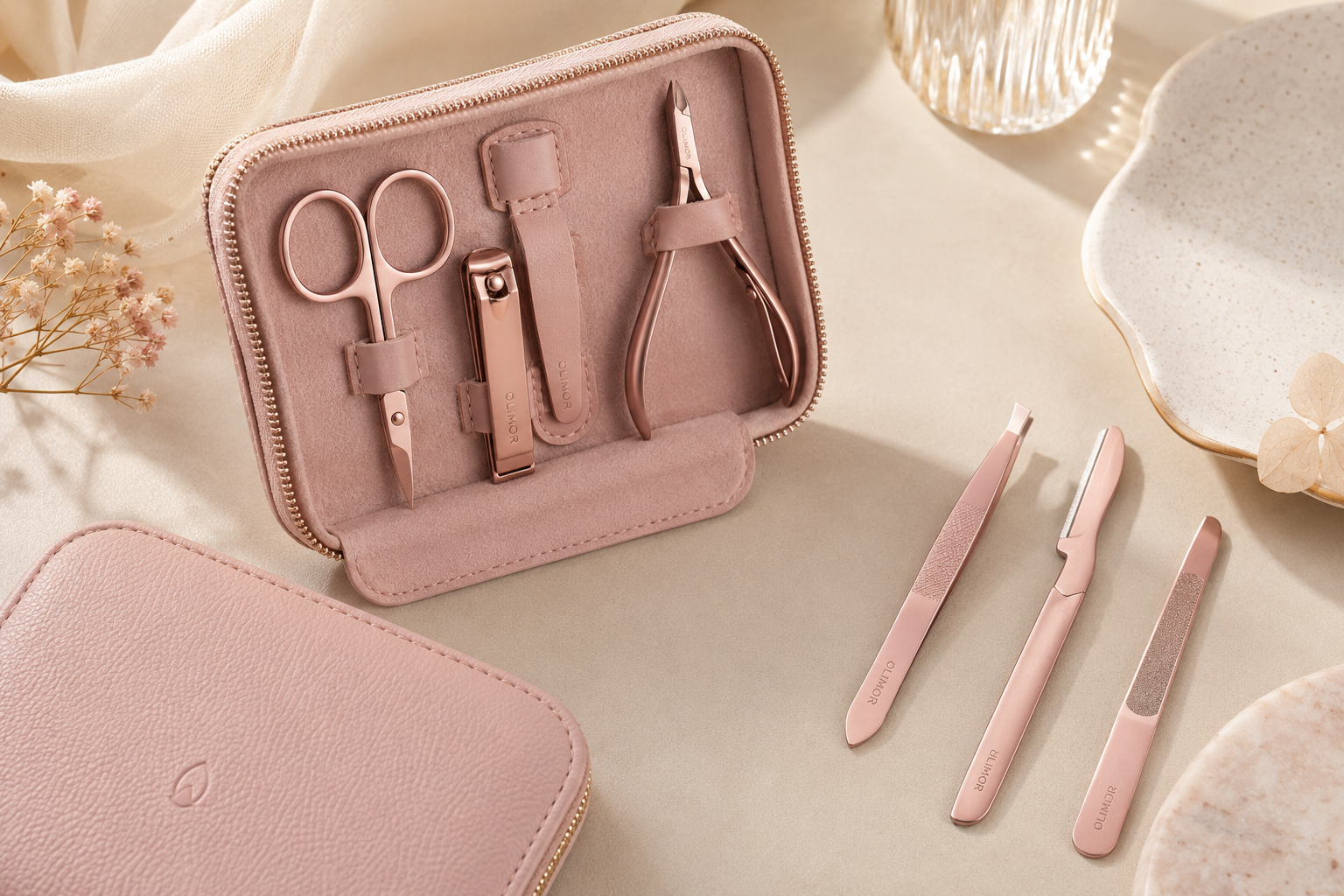
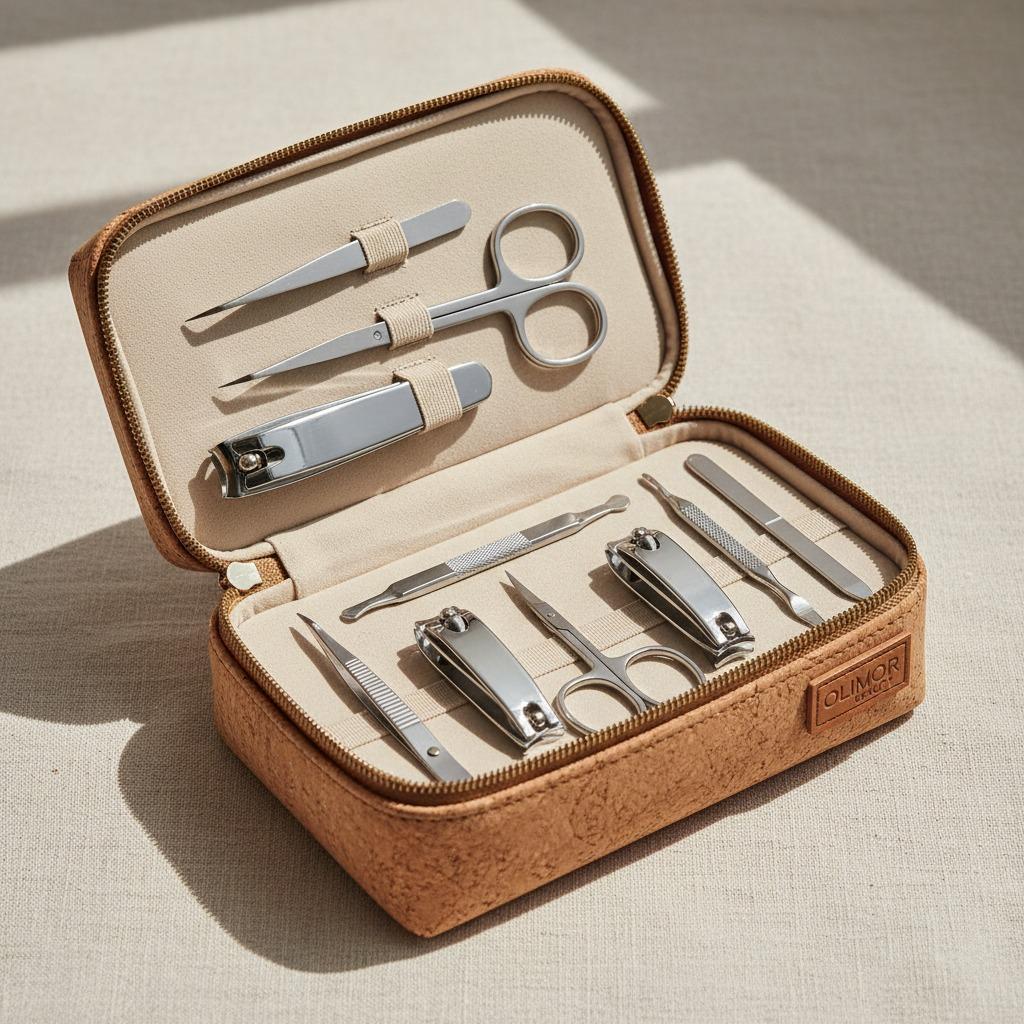
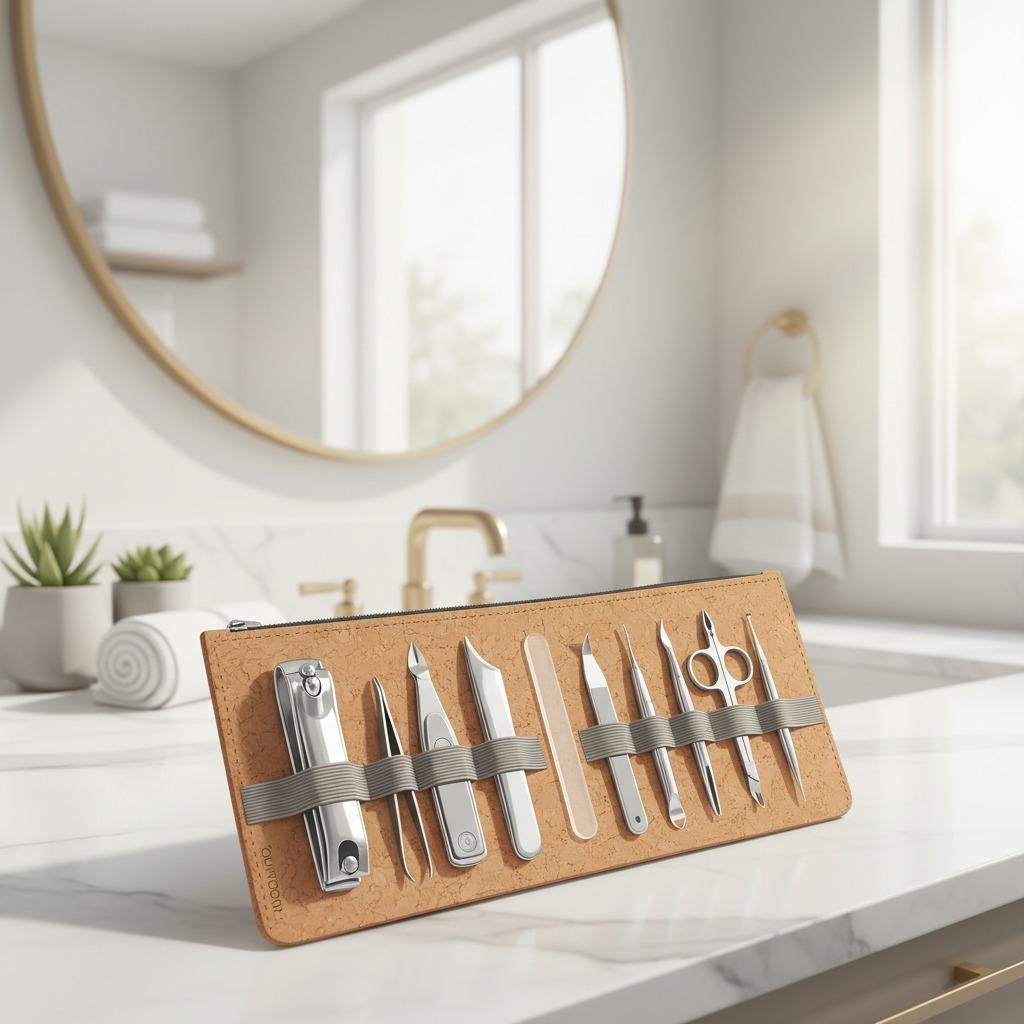
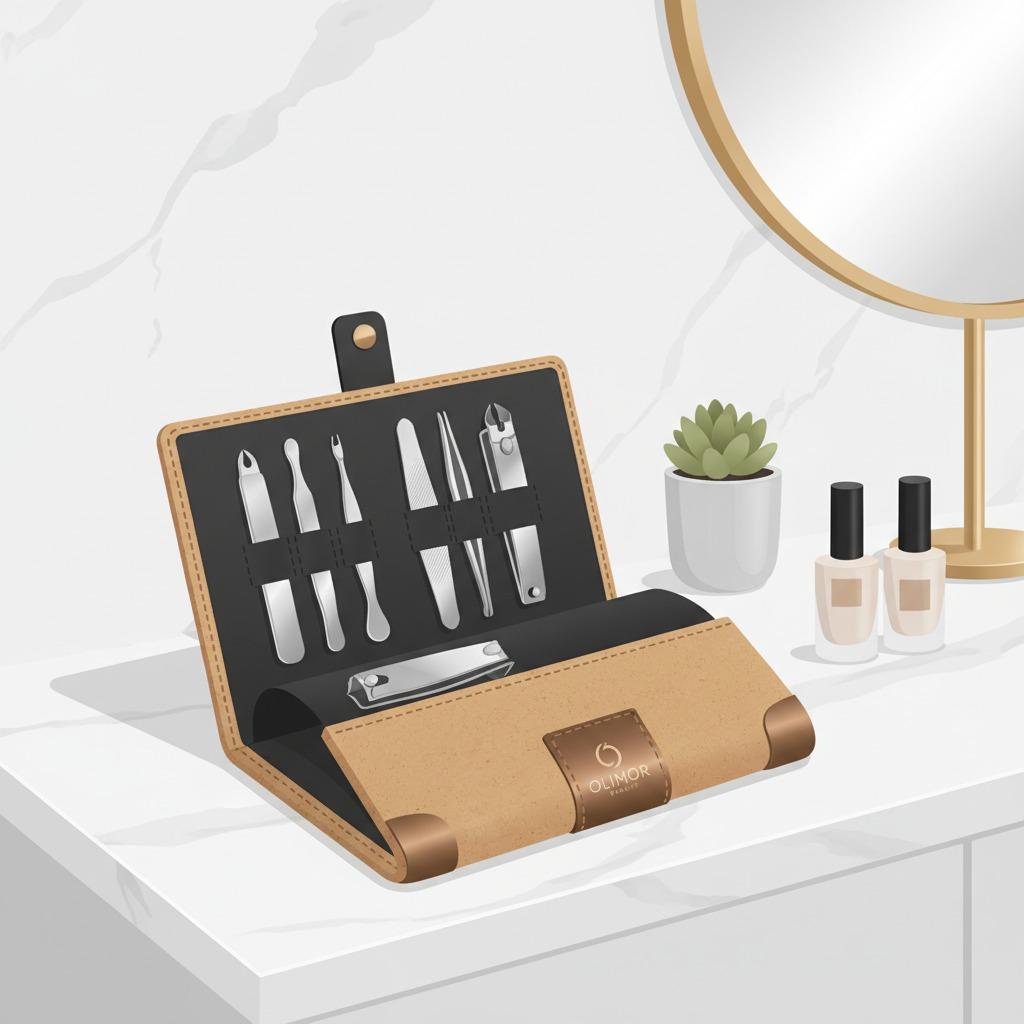
It is also useful to think about how the nail clipper fits into a complete grooming range. If you sell manicure sets, travel kits, men’s grooming accessories, or beauty tools for retailers, a consistent visual language across packaging can make the range easier to merchandise. Olimor Beauty can discuss nail clippers as part of a broader grooming tool sourcing plan; buyers with detailed requirements can contact Olimor to start a focused conversation.
Choosing a Nail Clipper Supplier for Long-Term Growth
A strong nail clipper sourcing decision balances price, performance, and reliability. Low cost has limited value if cutting edges are inconsistent, packaging fails in transit, or reorders do not match the approved sample. On the other hand, an overly complex product may not be necessary for every sales channel. The best result comes from defining the market first, then selecting the product level and exporter that fit that market.
Olimor Beauty focuses on practical grooming tools that support everyday personal care and professional supply needs. For buyers comparing nail clipper exporters, the most useful next step is to prepare a clear requirement list: target channel, preferred material direction, packaging type, expected finish, sample evaluation standards, and any branding needs. With those details in place, supplier conversations become more efficient and product comparisons become more accurate.
Whether you are building a new grooming accessory range or improving an existing nail care assortment, choose a supplier that treats nail clippers as precision tools, not disposable add-ons. Clean cutting, comfortable handling, durable construction, and consistent export preparation are the qualities that help a small product earn repeat business.