












How to Choose Nail Clipper Exporters for Premium Grooming Tools
For retailers, salon suppliers, private label buyers and grooming distributors, nail clippers look simple until product quality becomes a customer complaint. A clipper that feels loose, pulls at the nail, leaves jagged edges or rusts quickly can damage trust in an entire grooming line. That is why choosing the right nail clipper exporter is not only a purchasing task; it is a quality-control decision that affects repeat sales, reviews and brand reputation.
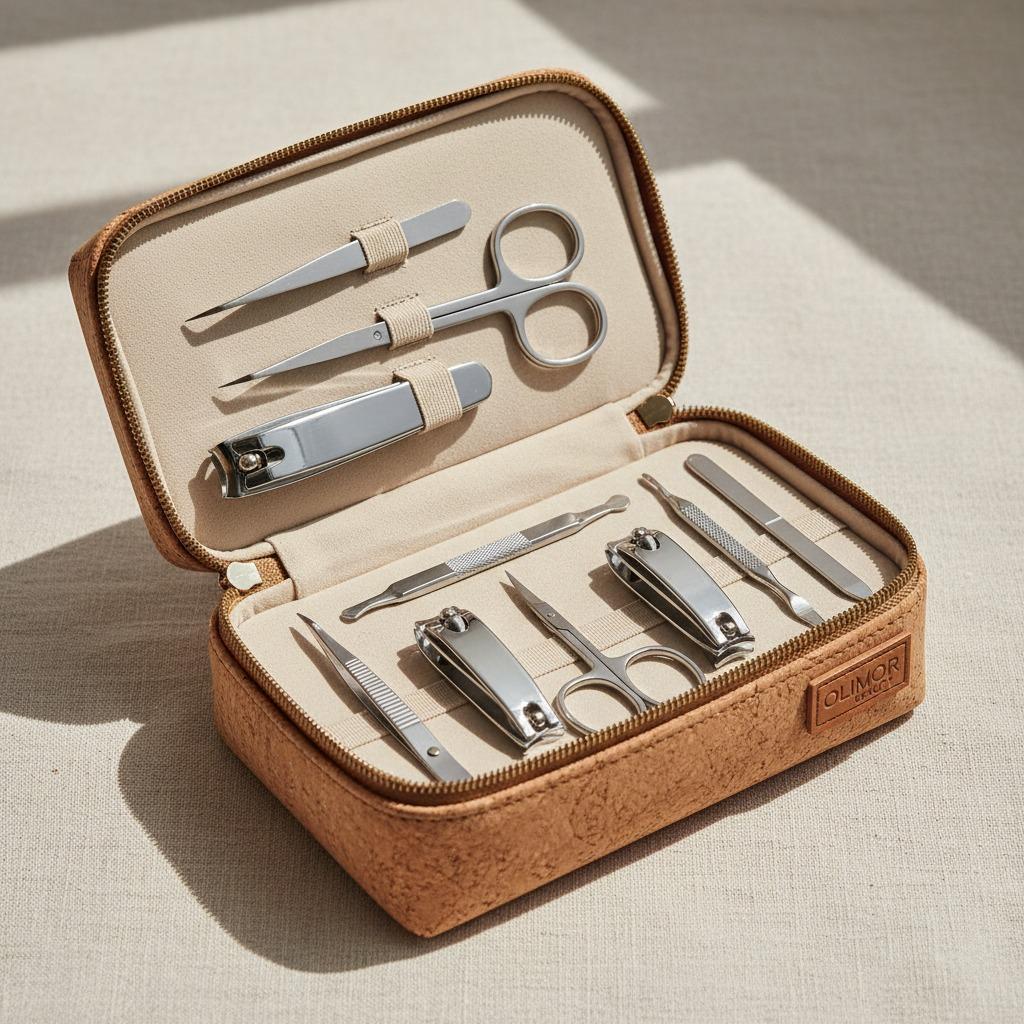
Olimor Beauty supplies beauty and personal care tools for buyers who need practical, well-finished grooming products. The nail clipper described on this page focuses on the core details buyers usually evaluate first: a polished stainless steel finish, an ergonomic design, sharp curved blades, compact portability and quality checks from raw material selection through final packaging. These are useful starting points when comparing exporters and deciding whether a product is suitable for retail, salon support, travel kits or personal care assortments.
What Buyers Should Expect from a Nail Clipper Exporter
A capable nail clipper exporter should understand more than the act of shipping goods overseas. The exporter needs to help buyers align product selection with the intended market, packaging style, user expectations and inspection requirements. A retail buyer may prioritize appearance and point-of-sale presentation, while a salon distributor may focus on repeat usability, grip comfort and hygiene. A travel kit supplier may need a compact tool that does not feel flimsy despite its smaller size.
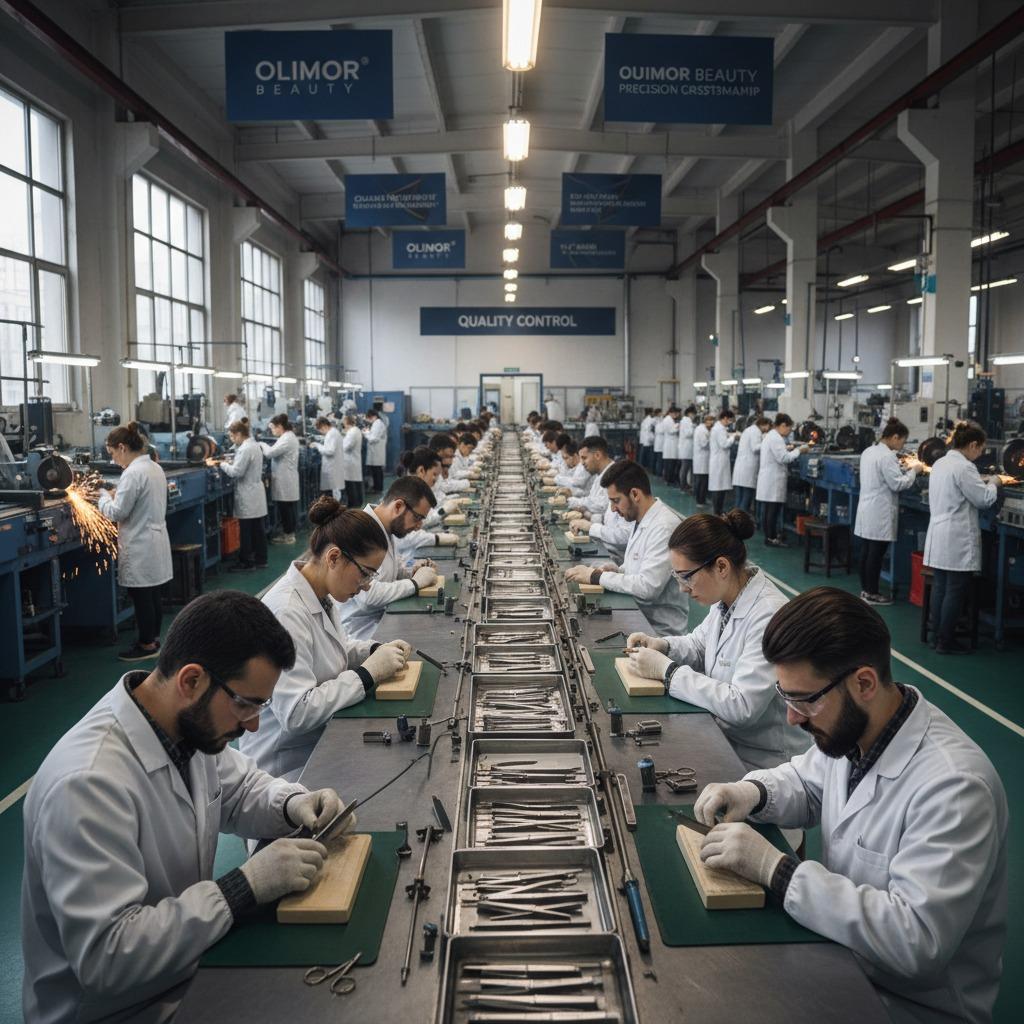
When comparing potential suppliers, look for evidence of controlled sourcing and inspection steps. The original product information highlights checks from raw material selection to final packaging, which is important because defects can appear at many stages. Poor material handling may affect corrosion resistance. Inaccurate blade forming can reduce cutting accuracy. Weak assembly can lead to misalignment or wobble. Packaging problems can create scratches before the product even reaches the shelf.
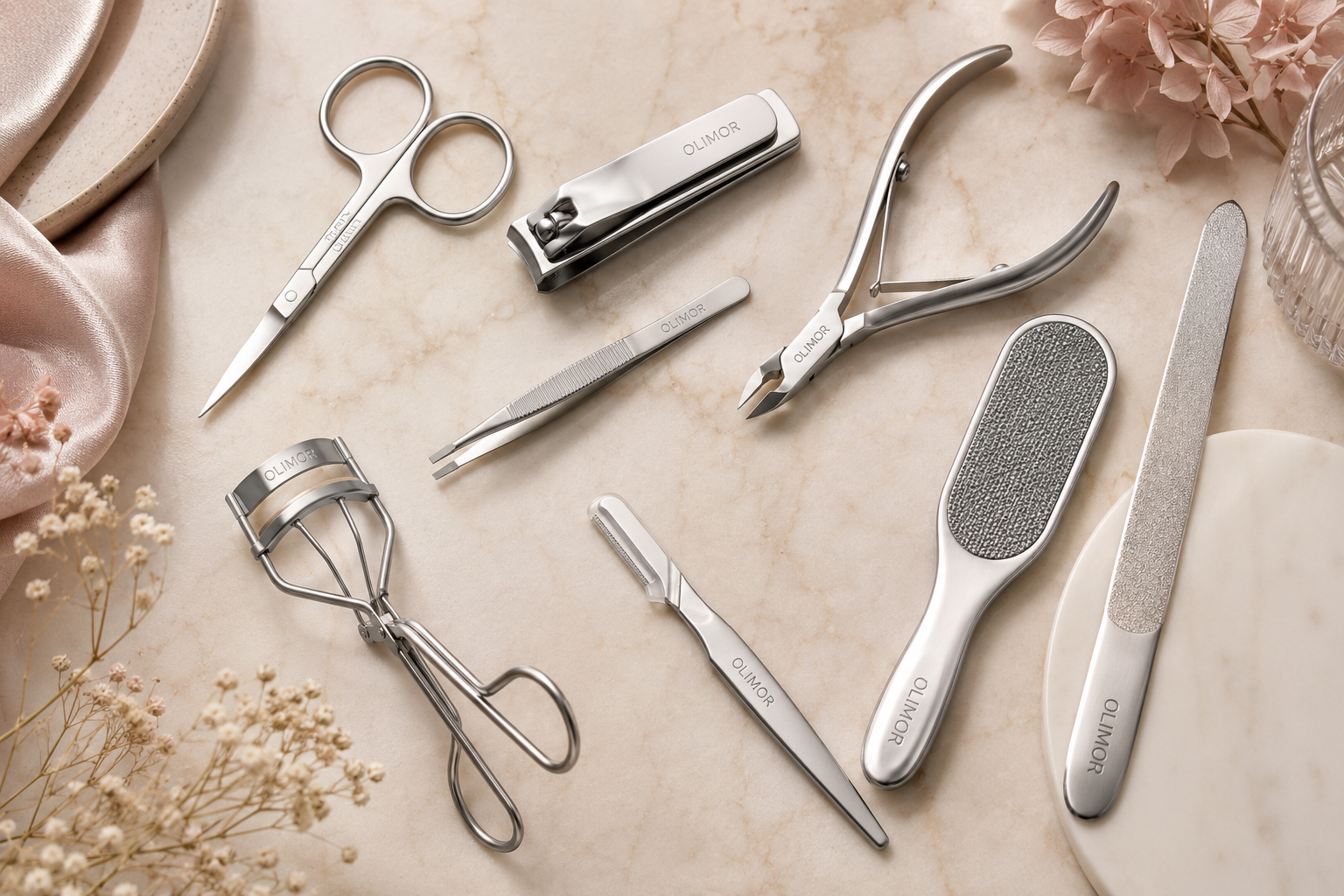
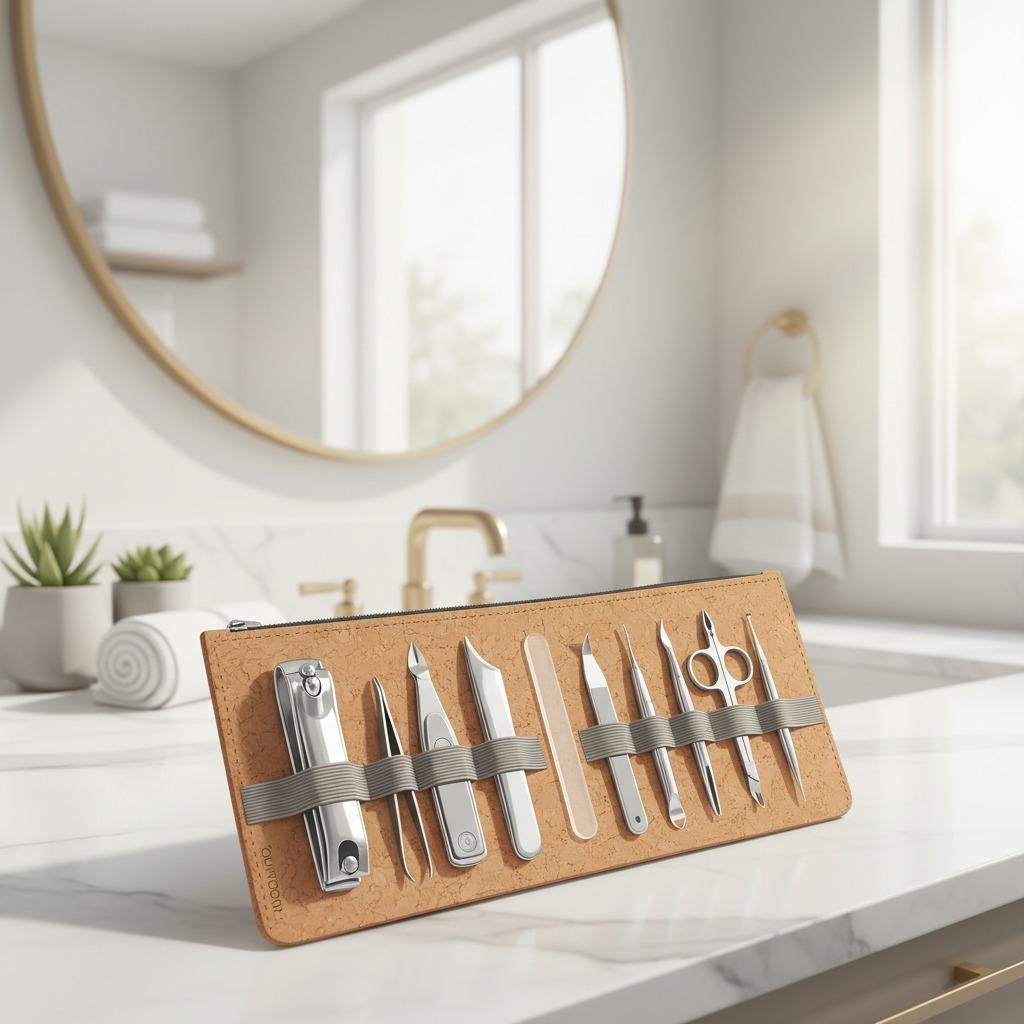
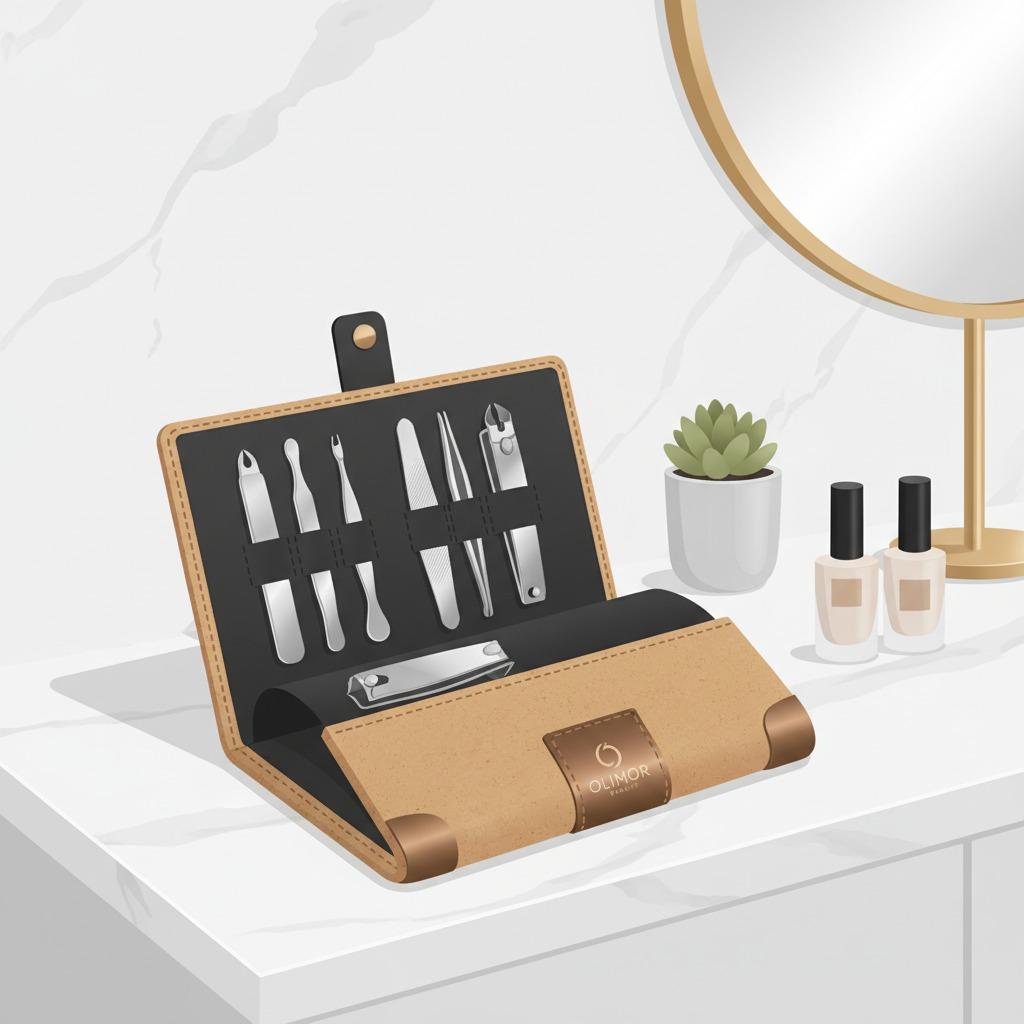
Buyers can review more categories through beauty tool products to compare how nail clippers fit within a broader grooming tool program. A strong exporter should make it easier to build a consistent assortment rather than treat each tool as an isolated item.
Blade Precision: The Main Quality Signal
The most important performance feature of a nail clipper is the cut. Sharp, curved blades are specifically mentioned for this product, and that detail matters because nail edges are not flat. A curved blade can help follow the natural shape of the nail, while sharp edges reduce crushing and tearing. For the end user, the goal is a clean, even cut with less risk of splitting or chipping.
During evaluation, buyers should not rely only on appearance. A polished clipper can look premium but still perform poorly if the blades do not meet evenly. Test samples on different nail thicknesses where appropriate, paying attention to the feel of the lever and the condition of the nail edge after cutting. The clipper should close smoothly, cut without excessive pressure and reopen reliably. If the cutting edges scrape, overlap unevenly or leave ragged edges, the product may generate complaints even if the finish looks attractive.
For bulk sourcing, create a repeatable sample review process. Record whether the blade tips align, whether the jaws meet across the full cutting surface, and whether the lever action feels stable. These checks are simple, but they help separate a premium grooming tool from a low-cost item that may not suit demanding retail channels.
Stainless Steel Finish, Hygiene and Long-Term Use
The product information notes a polished stainless steel finish. For beauty tools, stainless steel is valued because it can support a clean appearance and is widely used in grooming environments. A polished finish also contributes to shelf appeal, especially for buyers selling individual nail care tools, personal grooming sets or travel accessories.
However, buyers should evaluate finish quality carefully. Look for visible scratches, discoloration, rough edges around the handle or lever, and residue near the hinge or rivet area. A nail clipper is handled close to skin and nails, so smooth edges are part of both comfort and perceived hygiene. Even small burrs can make an otherwise attractive tool feel unfinished.
Hygiene expectations vary by market and channel. A personal-use clipper for retail still needs clean packaging and a finish that customers can wipe after use. A salon environment may require stricter handling practices and clear cleaning procedures. The exporter does not need to make unsupported claims; instead, buyers should define their own hygiene and packaging expectations and check whether the supplier’s production and packing process can support them consistently.
Ergonomics and User Comfort Matter More Than They Appear
The original product description emphasizes ergonomic design and a comfortable grip. This is important because nail clipping requires controlled pressure. If the clipper is too slippery, too small for the intended user or awkwardly shaped, the user may apply uneven force, which can affect cutting accuracy. A comfortable grip is especially relevant for salon workers who handle grooming tools repeatedly, as well as for consumers who expect easy at-home use.
Ergonomics can be evaluated through handling tests rather than complex lab procedures. Ask several people to hold the clipper and note whether the lever sits naturally under the thumb, whether the edges press uncomfortably into the hand, and whether the tool can be controlled when cutting at different angles. For compact, travel-friendly tools, comfort becomes even more important because smaller items sometimes sacrifice stability. A well-designed compact clipper should still feel secure and usable.
Practical Sourcing Checklist for Nail Clipper Buyers
Before placing an order or developing a grooming tool line, use a structured checklist. This keeps conversations with exporters focused and helps purchasing, quality and marketing teams evaluate the same criteria.
- Blade alignment: Confirm that the cutting edges meet evenly and do not twist, scrape or leave gaps.
- Cutting result: Check whether the clipper produces a clean, even cut with less risk of splitting or chipping.
- Surface finish: Inspect the polished stainless steel surface for scratches, stains, burrs or rough edges.
- Grip comfort: Test whether the ergonomic design feels stable in different hand sizes.
- Lever action: Make sure the lever moves smoothly and returns properly without feeling loose.
- Portability: If the clipper is intended for travel kits, confirm that its compact size still supports comfortable use.
- Packaging condition: Review whether final packaging protects the product from scratches and presents it cleanly.
- Assortment fit: Compare the clipper with other grooming tools so the finish, quality level and customer positioning are consistent.
Buyers building a wider personal care program can also review product collections to consider how nail clippers might pair with related tools in a retail or salon assortment.
Export Readiness: Packaging, Inspection and Communication
Export sourcing introduces extra requirements because products travel through multiple handling points before reaching the customer. A nail clipper may pass through factory packing, export cartons, customs handling, distribution centers and retail storage. If packaging is weak or inspection is inconsistent, a product that looked acceptable at the factory can arrive scratched, misaligned or poorly presented.
Useful discussions with an exporter should cover how products are checked before shipment, how the polished finish is protected, and how packaging is selected for the buyer’s sales channel. For example, e-commerce packaging may need to reduce movement during parcel delivery, while retail display packaging may need to balance visibility with protection. The best choice depends on the sales model, not on a single universal package.
Communication is also part of export readiness. Buyers should prepare clear specifications, reference samples when possible, acceptable quality limits, packaging artwork requirements and delivery expectations. A supplier that responds clearly to these points can reduce misunderstandings and help the buyer make decisions before production begins. To discuss a nail clipper project or compare options, buyers can send an inquiry with their target channel, quantity planning and packaging needs.
Why Olimor Beauty Is a Relevant Partner for Nail Clipper Sourcing
Olimor Beauty is positioned for buyers seeking beauty tools that balance practical performance and presentation. For this nail clipper, the key stated features are not exaggerated claims; they are the details that matter in daily use: polished stainless steel appearance, sharp curved blades, ergonomic handling, compact portability and attention to quality checks. These factors make the product suitable for buyers who want a dependable grooming essential for personal care, salon support or retail assortments.
When evaluating any exporter, the strongest approach is to connect product features with the expectations of your market. If your customers value travel convenience, check portability and packaging. If your channel serves salons, focus on grip comfort, hygiene handling and repeat cutting performance. If your product line competes on appearance, inspect finish consistency and presentation. Olimor Beauty can be considered within that practical framework rather than through broad claims alone.
For project questions, packaging discussions or grooming tool sourcing plans, buyers may contact Olimor. A focused request that includes the sales channel, intended use and quality priorities will help narrow the discussion to the nail clipper details that matter most.
Final Buying Guidance
A premium nail clipper is judged in seconds by the user: how it feels in the hand, how cleanly it cuts and whether it looks hygienic after repeated handling. For exporters and buyers, those seconds are shaped by material selection, blade forming, polishing, assembly, inspection and packaging. Choosing the right nail clipper exporter means looking beyond a product photo and verifying the details that affect real use.
Use samples, define inspection criteria and compare the clipper against your target customer’s expectations. With clear evaluation of blade precision, stainless steel finish, ergonomic comfort and export packaging, buyers can source nail clippers that support long-term customer satisfaction and fit naturally within a quality grooming tool range.