How to Choose a Reliable Nail Clipper Supplier for Retail and Distribution
For retailers, distributors, salon suppliers, and private-label beauty buyers, nail clippers may look like simple grooming tools. In practice, they are a product category where small differences in material, sharpening, alignment, comfort, and inspection can affect customer satisfaction. A reliable nail clipper supplier should help you source tools that cut cleanly, feel comfortable in the hand, resist everyday wear, and arrive with consistent quality from one shipment to the next.
Olimor Beauty supplies stainless steel nail clippers designed for precision, durability, portability, and comfortable use. If you are comparing manufacturers or exporters, the most useful approach is to evaluate both the product and the supplier process: how materials are selected, how the cutting edge is controlled, how the tool feels during use, and how finished goods are checked before packing. This guide explains the key points buyers should review before placing an order or building a long-term supply relationship.
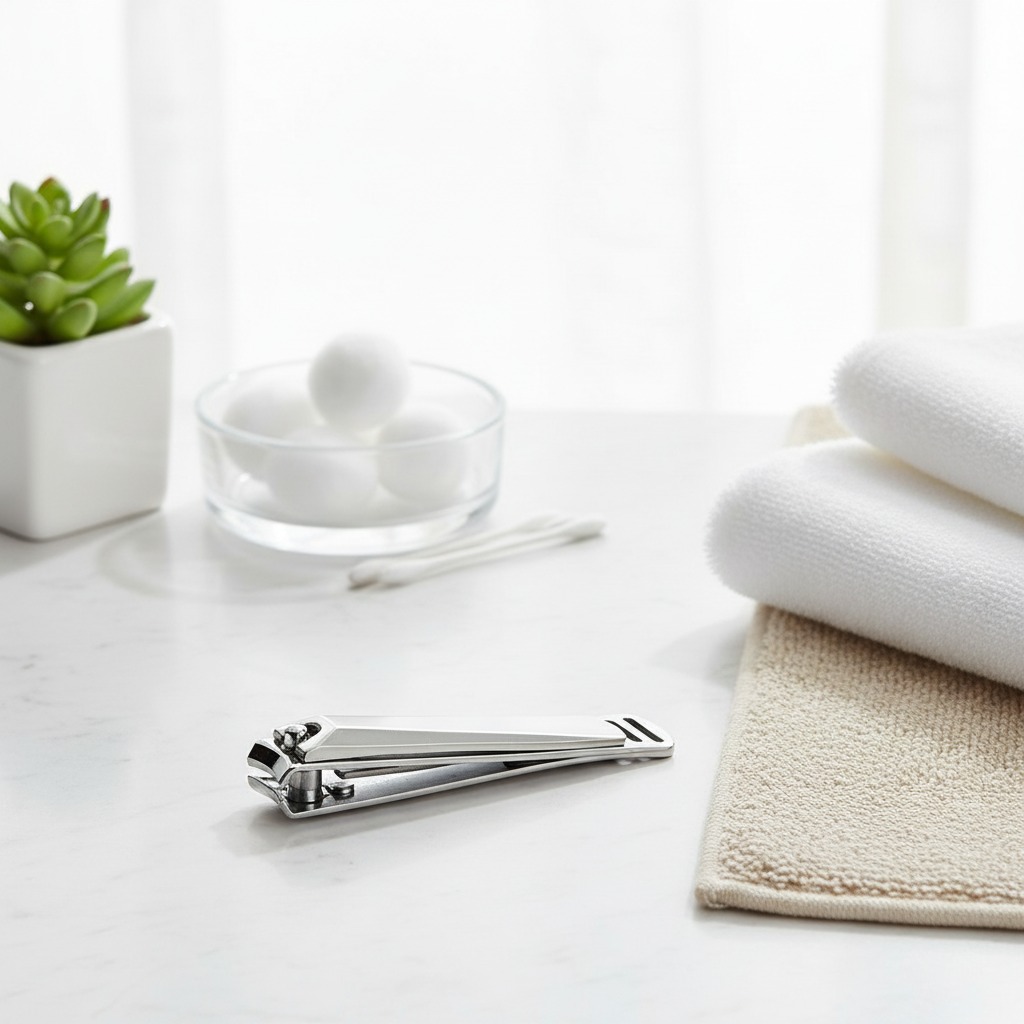
What Makes a Nail Clipper Supplier Reliable?
Reliability is not only about delivering a product. For nail clippers, reliability means consistent cutting performance, repeatable finishing, practical packaging support, and clear communication throughout sourcing. A supplier should understand that a nail clipper is used directly on the body, often by people with different nail thicknesses and hand strengths. If the cutting edge is dull, the lever is uncomfortable, or the jaws are misaligned, the end user notices immediately.
When reviewing a nail clipper supplier, look beyond a single attractive sample. A good sample matters, but it should represent regular production quality. Buyers should compare multiple pieces from the same batch, inspect the cutting edges under good light, open and close the lever repeatedly, and check whether each tool feels similar. A reliable supplier should be able to maintain that consistency as orders repeat.
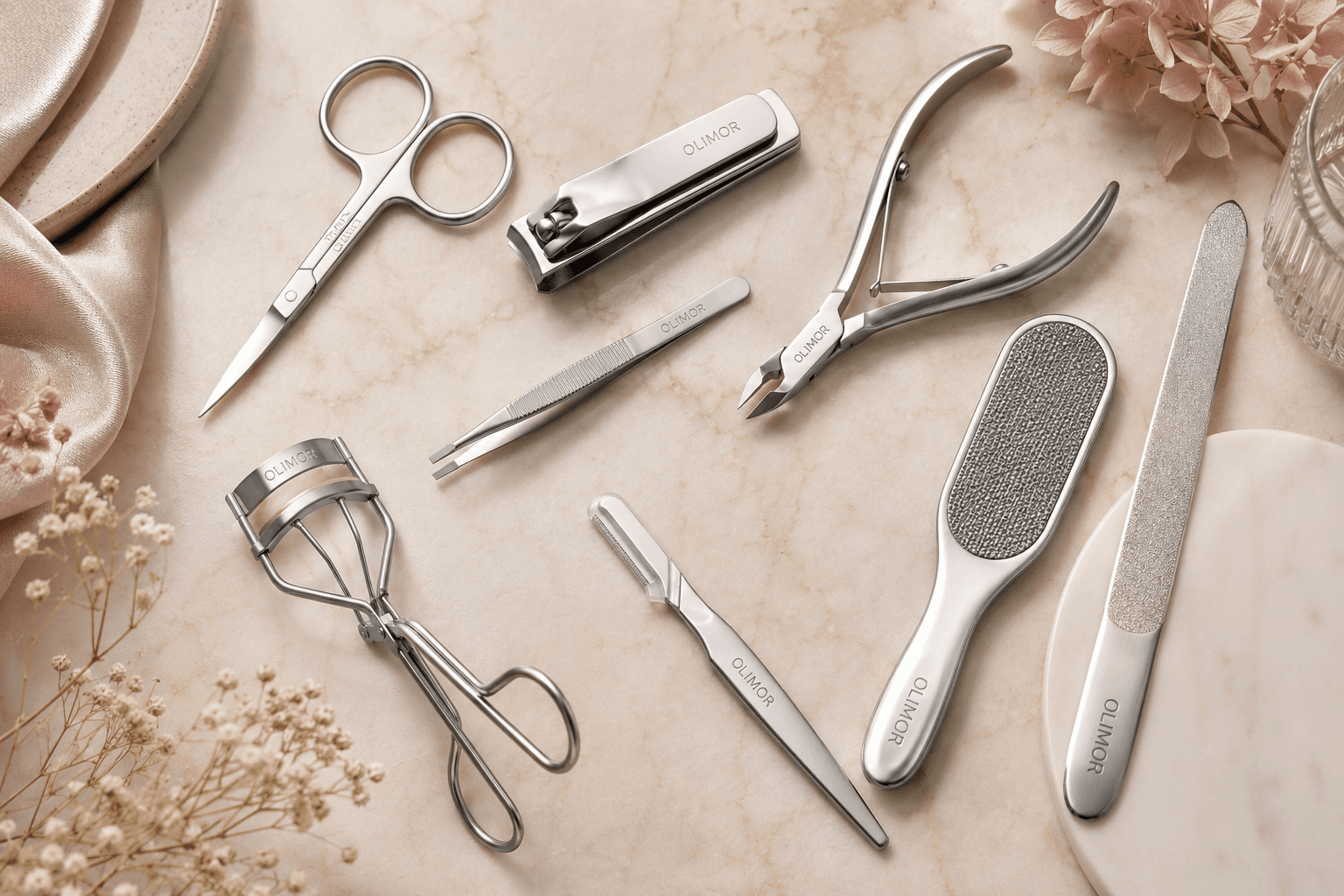
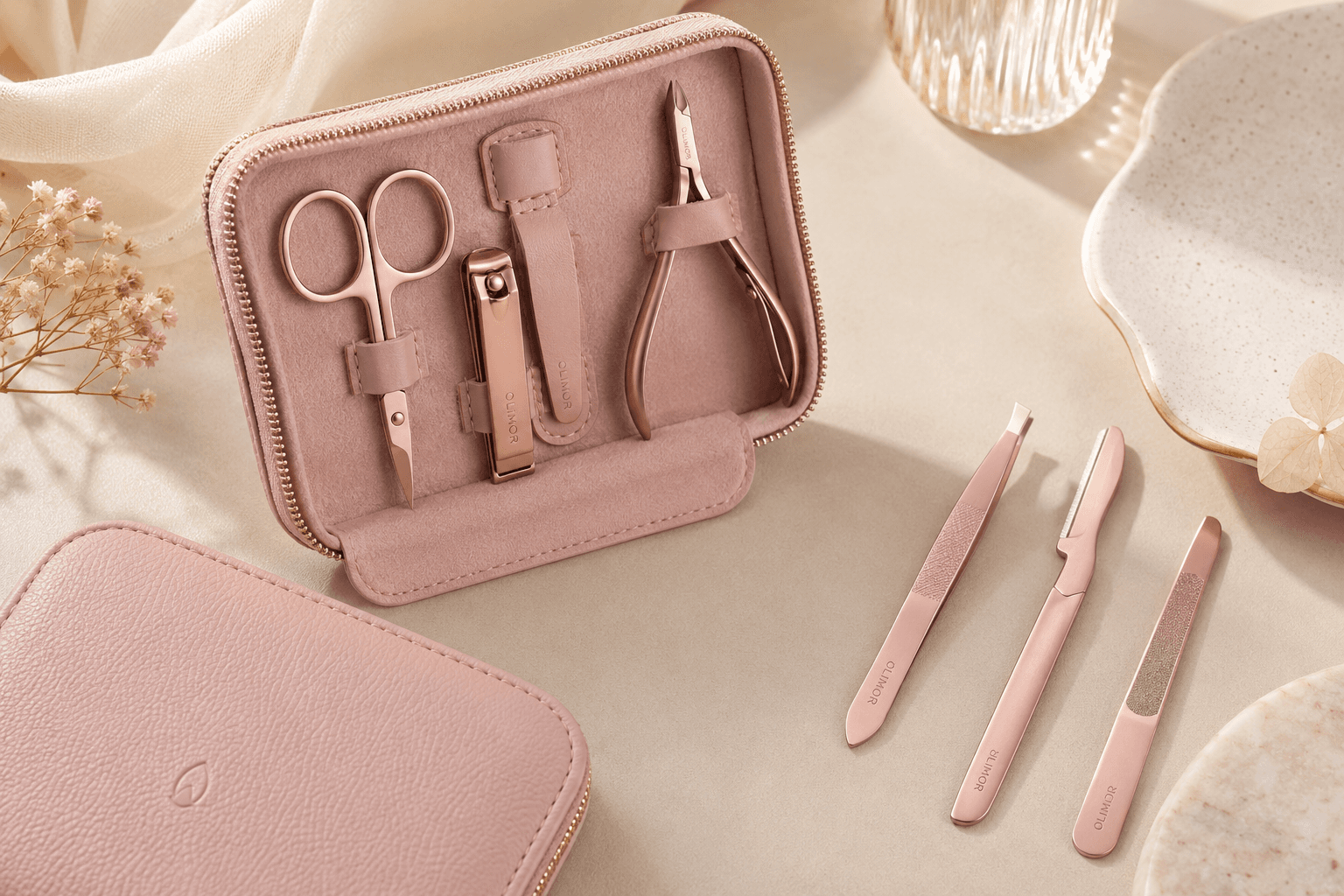
Olimor Beauty focuses on stainless steel nail clippers with a sleek, minimal appearance and ergonomic handling. This makes the product suitable for everyday grooming kits, travel pouches, retail beauty aisles, and professional personal care assortments. For buyers building a broader grooming category, nail clippers can also be sourced alongside other beauty tool products to create a more complete offer.
Material and Cutting Performance: The Core Buying Criteria
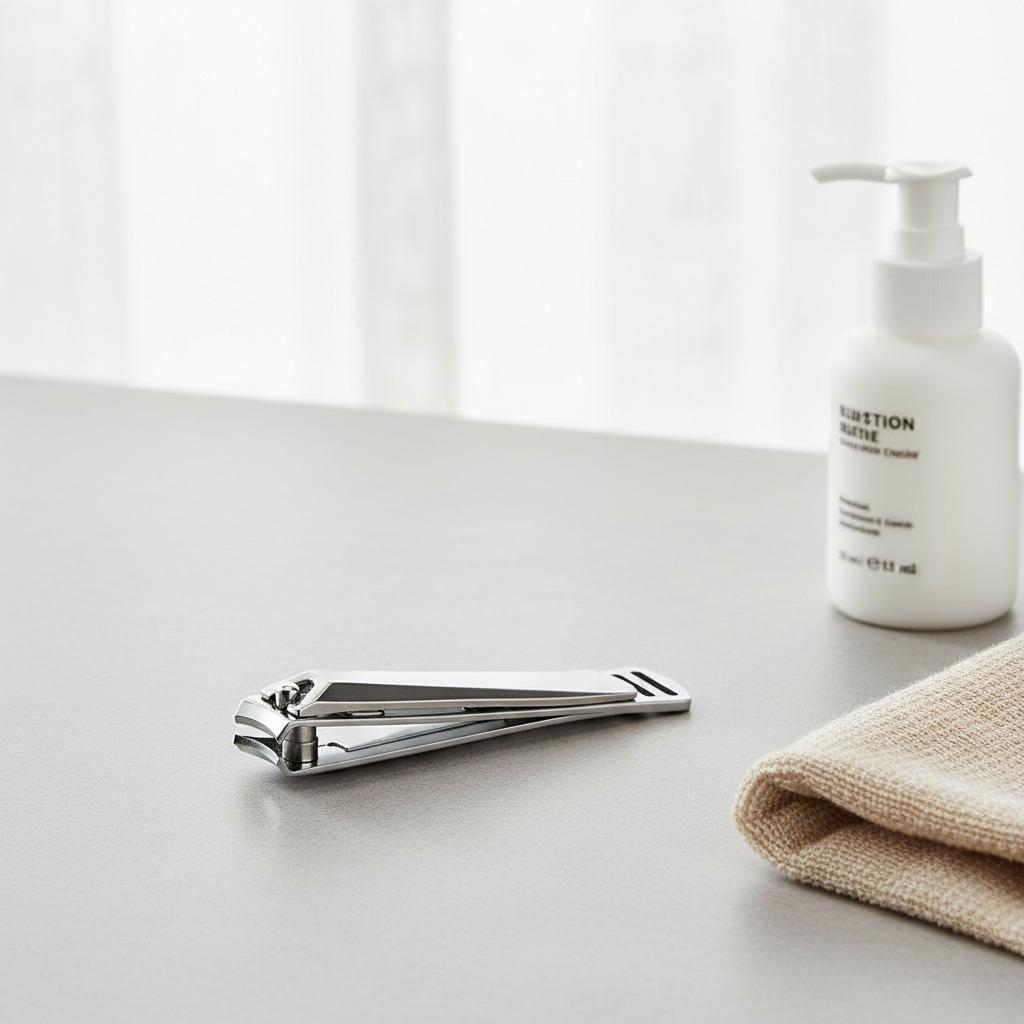
Stainless steel is a practical material choice for nail clippers because it supports durability, a clean appearance, and regular use in personal care settings. However, buyers should still evaluate how the material is formed, finished, and sharpened. A stainless steel nail clipper should not only look polished; it should cut smoothly without crushing or tearing the nail.
The cutting edge is the most important performance area. Clean cuts depend on jaw alignment, edge sharpness, and lever pressure. If the jaws meet unevenly, the clipper may leave rough edges or require repeated pressing. If the lever is poorly shaped, users may need too much force. If the surface finishing is inconsistent, the product may feel less refined in the hand or look unsuitable for retail presentation.
Use this checklist when comparing samples from different suppliers:
- Jaw alignment: The two cutting edges should meet evenly from side to side.
- Cutting feel: The clipper should cut without excessive pressure or slipping.
- Edge finish: The cutting area should be cleanly formed, without visible burrs that could scratch skin or nails.
- Lever comfort: The press action should feel stable and comfortable for everyday users.
- Surface quality: The finish should be consistent, with no obvious stains, rough spots, or sharp non-cutting edges.
- Portability: The size and shape should suit bathroom storage, travel kits, and handbag or pouch use.
For retail buyers, it is also helpful to test clippers on different nail types where appropriate. Thin nails, thick nails, and toenails create different pressure demands. A supplier does not need to make unrealistic claims, but the product should match the intended use and customer segment.
Ergonomics Matter More Than Many Buyers Expect
A nail clipper is a small tool, but ergonomics still influence customer experience. The original product direction from Olimor Beauty emphasizes an ergonomic design and comfortable grip, which are important because users often clip nails at an angle, with one hand stabilizing the other. A poorly balanced clipper can twist during cutting or feel awkward during repeated use.
When evaluating ergonomics, check the lever length, pressure point, and the shape of the handle area. The clipper should be easy to control without feeling flimsy. A minimal design can work well when the edges are smooth and the pressing surface is comfortable. For older users or customers with limited hand strength, an easy press action is especially important.
Ergonomics also affects perceived quality. Customers often judge a grooming tool within seconds of picking it up. Weight, finish, smooth opening movement, and cutting feedback all contribute to whether the product feels dependable. If you sell through physical retail, these tactile factors can influence repeat purchases and reviews. If you sell online, they may affect return rates and product ratings after delivery.
Quality Control Questions for Nail Clipper Sourcing
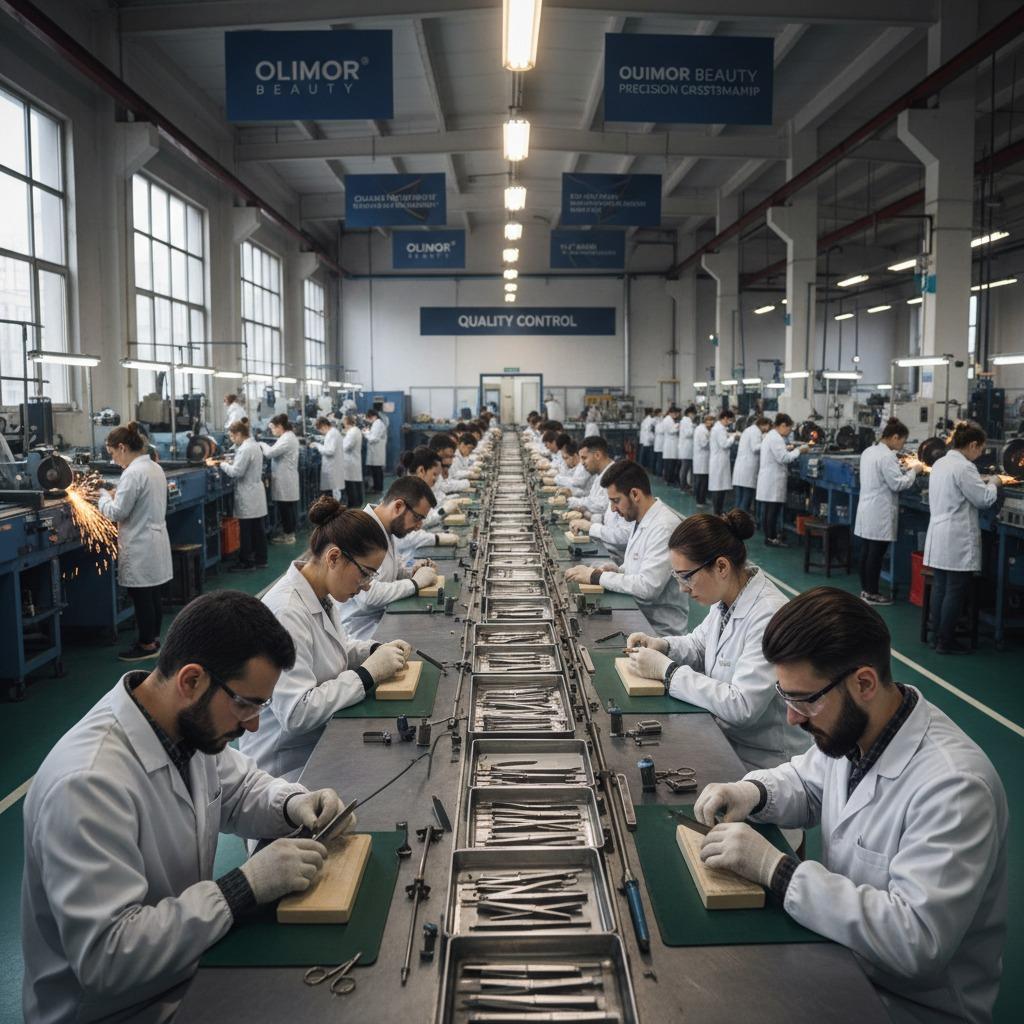
Quality checks are essential for nail clippers because small defects can make the product unsatisfactory. Olimor Beauty applies internal quality controls and inspection steps during production, which is the type of process buyers should look for when sourcing from a nail clipper manufacturer in China or from any export supplier. The goal is not only to reject defective items, but also to control variation before it reaches the customer.
Before confirming a supplier, buyers can prepare a practical inspection plan. The plan does not need to be complicated, but it should define what acceptable quality means. For example, you can specify that clippers should open and close smoothly, cutting edges should align properly, visible surfaces should meet the agreed finish level, and packaging should protect the product during transport.
The following table shows useful inspection points for nail clipper purchasing:
| Inspection area | What to check | Why it matters |
|---|---|---|
| Cutting edge | Alignment, sharpness, clean closing action | Determines whether the clipper cuts nails cleanly |
| Lever mechanism | Smooth movement and stable pressure | Affects comfort and long-term usability |
| Surface finish | Consistent appearance and smooth non-cutting edges | Supports retail appeal and safe handling |
| Size and portability | Fit for grooming kits, travel use, or counter display | Helps match the product to the target buyer |
| Packaging | Protection, barcode area, labeling space, display format | Reduces transit damage and supports sales channels |
Inspection should be matched to your sales channel. A discount bulk pack, a travel grooming set, and a premium beauty accessory assortment may have different finishing and packaging expectations. Clear criteria help avoid misunderstandings before production begins.
Packaging and Retail Presentation Considerations
For many buyers, the nail clipper itself is only one part of the product decision. Packaging determines how the item is displayed, protected, shipped, and understood by the customer. A stainless steel nail clipper with a clean, minimal look can work in different retail environments, but the package should match the channel.
If the product is sold in supermarkets or beauty stores, hanging cards, blister packs, or compact display packaging may be considered depending on the retail requirement. For e-commerce, protection and compact shipping dimensions become more important. For grooming kits, the clipper may need to fit beside other tools in a pouch, tray, or set layout. Buyers should think through the complete customer journey: warehouse handling, shelf display, online photography, unboxing, storage, and daily use.
Labeling should also be planned early. Country or market requirements may affect language, barcode placement, warning text, material description, and recycling marks. Because requirements vary by destination and sales channel, buyers should prepare their own compliance checklist and confirm that packaging artwork aligns with the intended market before mass production.
How to Compare Nail Clipper Exporters Without Relying on Claims
Many suppliers describe themselves as reliable, professional, or export-ready. The stronger approach is to compare evidence and process. A top nail clipper exporter should be able to provide consistent samples, communicate clearly about production steps, and support practical sourcing questions. Buyers can review response speed, sample consistency, packaging handling, and willingness to clarify details before making a larger commitment.
Useful comparison questions include:
- Does the sample match the product that will be produced in bulk?
- Are the cutting edges consistent across several sample pieces?
- Is the stainless steel finish suitable for the target price point and retail channel?
- Can the supplier support the packaging format needed for your market?
- Are inspection standards defined clearly before production?
- Is communication specific, or does the supplier rely only on broad marketing language?
Buyers sourcing a wider beauty tool range can also review product collections to see how nail clippers may fit with other grooming and personal care tools. A supplier that understands category planning can help buyers create more coherent assortments, even when each item is simple on its own.
Maintenance Guidance Buyers Can Pass to Customers
A reliable nail clipper should be easy for customers to maintain. Providing simple care guidance can reduce complaints and help users get better performance over time. Stainless steel is durable, but nail clippers should still be kept clean and dry after use. Residue should be removed from the cutting area, and the tool should be stored away from prolonged moisture where possible.
Retailers and distributors can include basic use and care information in packaging or online listings. Practical advice may include clipping after a shower when nails are slightly softer, cutting in small sections rather than forcing one large cut, wiping the tool after use, and keeping the clipper out of reach of small children. These details are simple, but they help customers use the product correctly and appreciate the quality of the tool.
Working With Olimor Beauty on Nail Clipper Sourcing
Olimor Beauty offers stainless steel nail clippers designed for clean cutting, ergonomic handling, and portable everyday use. For buyers, the advantage of working with a focused beauty tools supplier is the ability to discuss product details that affect real customer experience: material feel, cutting performance, finishing, packing, and repeat-order consistency.
If you are evaluating a nail clipper supplier, prepare your target market, sales channel, packaging preference, and expected quality level before you begin. This helps the supplier recommend a more suitable approach and helps you compare samples fairly. To discuss sourcing requirements, you can contact Olimor or send an inquiry with your intended use, market, and purchasing priorities.
Choosing the right supplier is not about selecting the cheapest clipper or the most polished sales claim. It is about finding a manufacturer and exporter that can deliver consistent stainless steel tools, practical ergonomic design, careful inspection, and packaging that supports your business model. For a daily-use grooming product, those details are what turn a small item into a dependable part of your beauty tool assortment.
Tag: