How to Choose a Reliable Nail Clipper Supplier for Retail and Grooming Lines
For retailers, salons, distributors, and private-label beauty brands, a nail clipper looks simple until customer complaints begin: dull cutting edges, uncomfortable leverage, loose pivots, rough plating, weak packaging, or inconsistent finish from one shipment to the next. Choosing a reliable nail clipper supplier is therefore not only about finding a low unit cost. It is about selecting a manufacturing partner that understands daily grooming use, repeatable quality, safe handling, and presentation at retail.
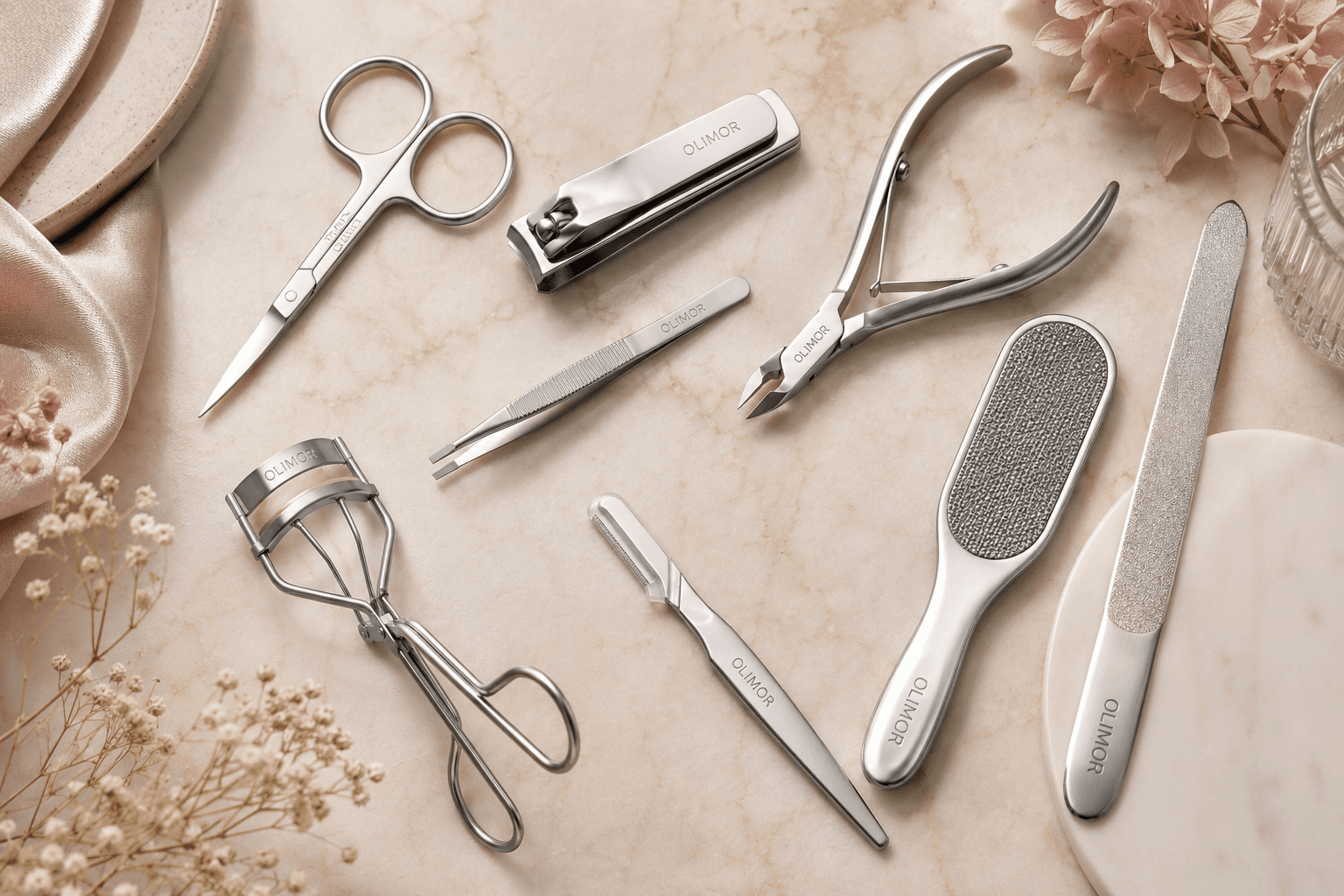
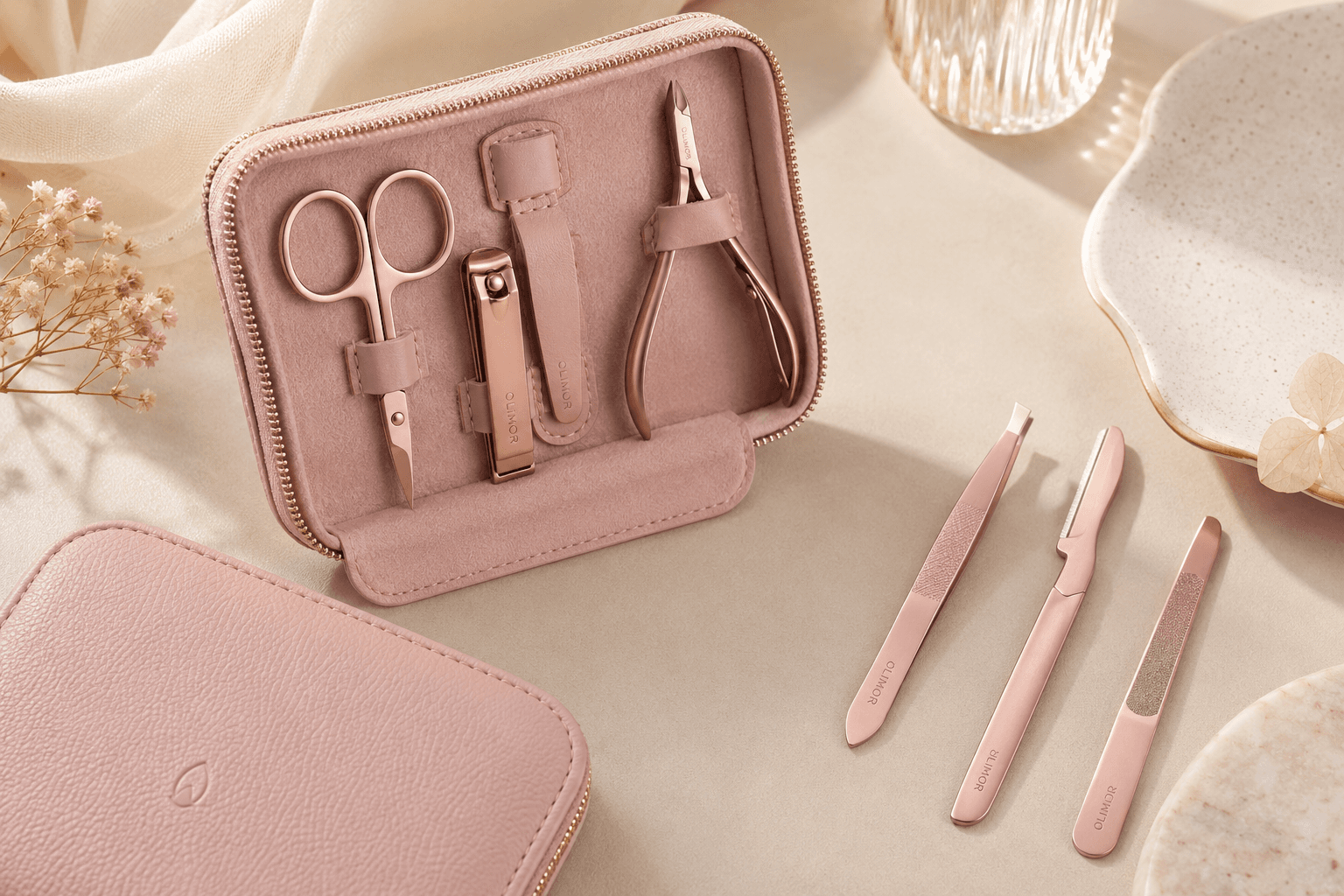
Olimor Beauty supplies beauty tools for buyers who need practical, market-ready grooming accessories. When evaluating nail clippers, the strongest purchasing decisions usually come from checking the product as a system: material, blade geometry, handle comfort, surface finish, packaging, inspection process, and customization feasibility. This guide explains what to look for before adding nail clippers to a product range or requesting a custom made nail clipper project.
What Makes a Nail Clipper Supplier Reliable?
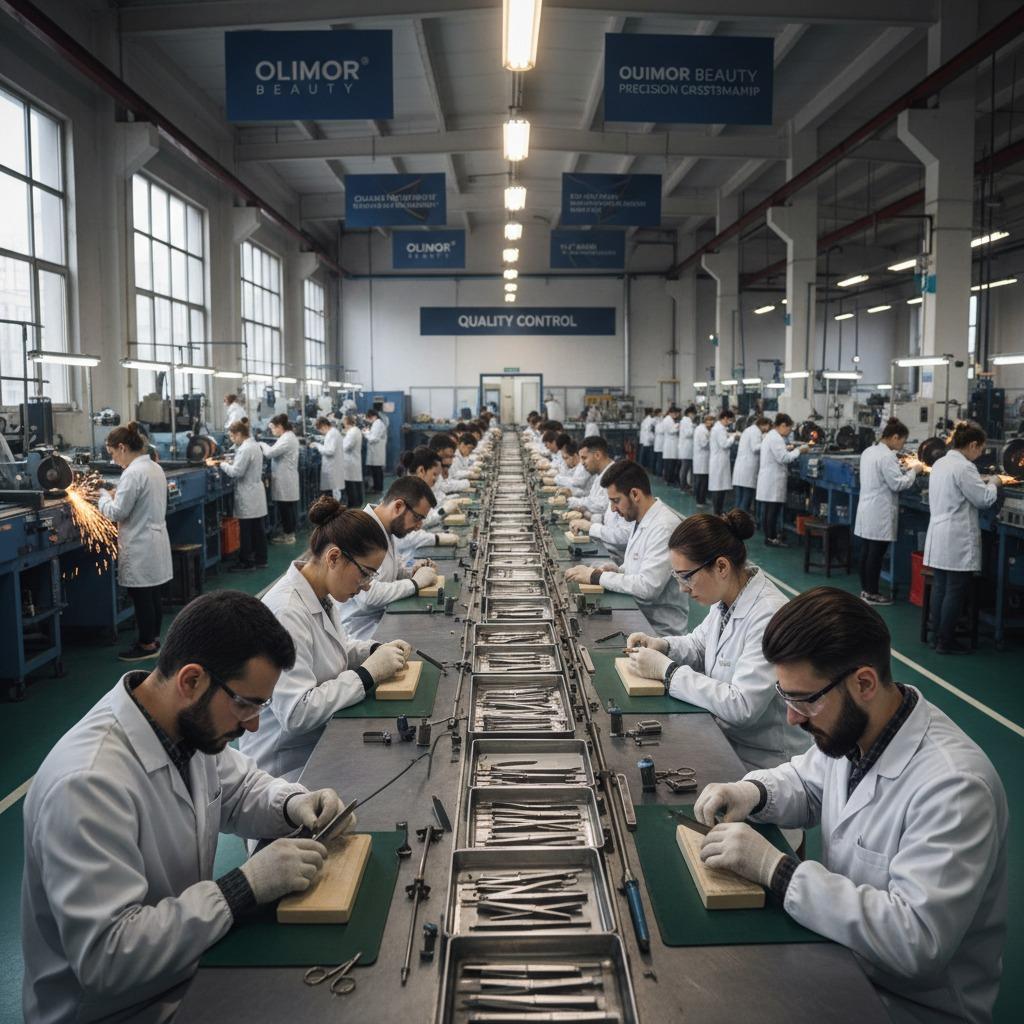
A reliable nail clipper supplier should be able to provide consistency across repeated orders, not just a good first sample. Nail clippers are used close to the skin, often in bathrooms, salons, travel kits, and home grooming sets, so small production differences can affect comfort and safety. The supplier should understand how cutting performance, pressure, alignment, and finish work together.
When assessing a supplier, pay attention to how clearly they communicate product options. A capable partner should be able to explain available designs, common use cases, packaging choices, and basic quality checkpoints without relying on vague promises. For buyers comparing multiple beauty tool products, this clarity helps prevent mismatched expectations before sampling begins.
- Consistent cutting feel: the clipper should cut cleanly without crushing, tearing, or requiring excessive hand force.
- Stable construction: the lever, pin, and jaw alignment should feel secure during repeated opening and closing.
- Smooth finish: edges around the body and handle should not feel sharp or unfinished in the hand.
- Practical packaging: packaging should protect the clipper, support retail display, and allow the buyer’s branding plan.
- Transparent customization discussion: the supplier should separate feasible custom options from ideas that may affect function or cost.
Blade Quality and Cutting Performance to Check First
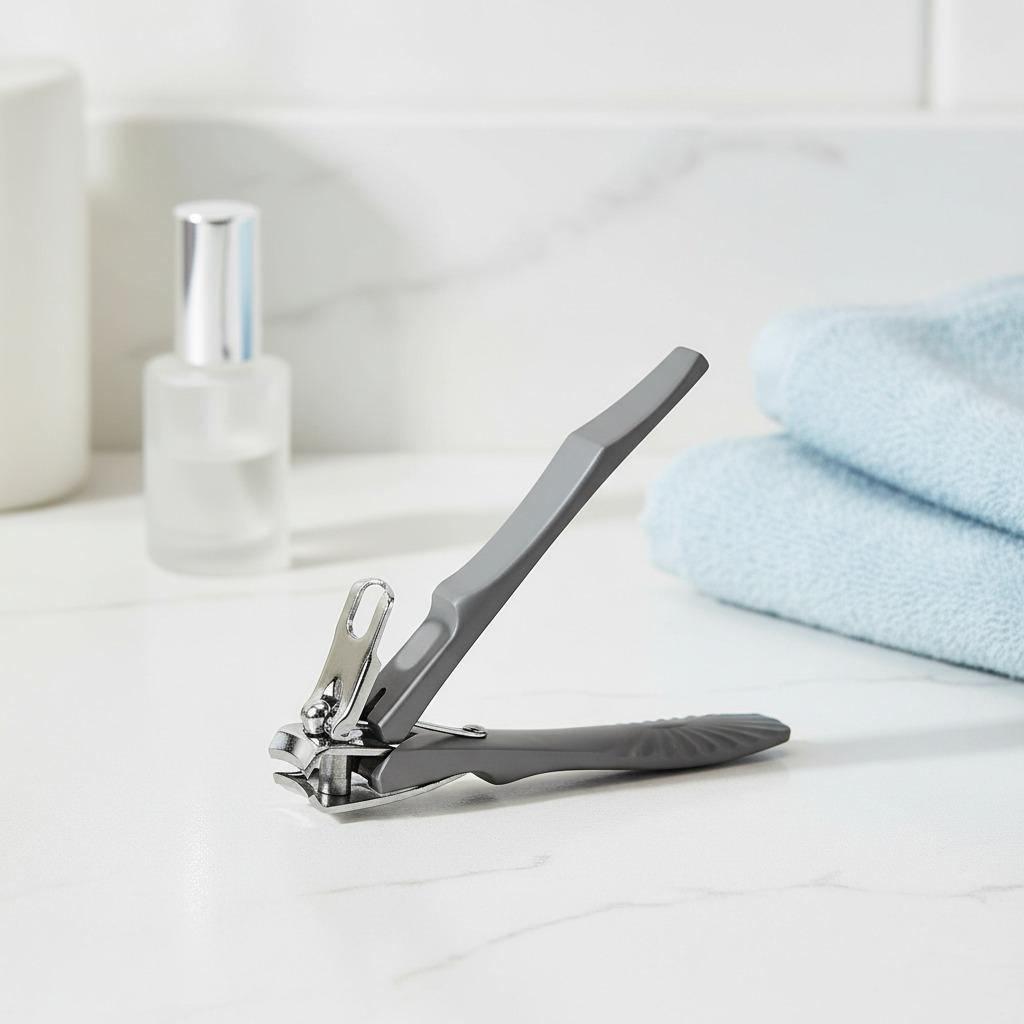
The blade is the heart of a nail clipper. A polished appearance is not enough if the cutting edge lacks proper alignment. Buyers should test samples on different nail thicknesses where appropriate, including fingernail and toenail use if the model is intended for both. A good clipper should close evenly from one side of the blade to the other. Uneven contact can leave ragged edges or force the user to cut the same area several times.
Stainless steel nail clippers are commonly chosen because they are associated with durability and easy cleaning. However, the buyer should still inspect the edge finish, surface treatment, and resistance to visible blemishes during handling. Avoid focusing only on mirror shine; a highly polished surface does not automatically prove that the blade geometry is correct.
For retail buyers, it is useful to create a small evaluation checklist before approving a sample. This keeps decisions objective and makes it easier to compare products from different suppliers.
| Inspection point | What to look for | Why it matters |
|---|---|---|
| Blade alignment | Both cutting edges meet evenly | Supports a clean cut and reduces nail tearing |
| Lever action | Smooth pressure without wobbling | Improves comfort and control during use |
| Edge finish | No burrs on contact areas | Helps prevent rough handling and poor user experience |
| Surface appearance | Consistent finish with no obvious defects | Supports retail presentation and brand trust |
| Packaging fit | Clipper held securely inside the pack | Reduces movement, scratches, and damage in transit |
Ergonomic Design: Small Differences Customers Notice
Nail clippers are operated with fingertip pressure, so comfort is influenced by leverage, grip area, handle angle, and body size. A clipper that looks attractive online may still feel awkward if the lever is too narrow or the pressure point is uncomfortable. This is especially important for grooming kits, salon supplies, travel sets, and giftable personal care items, where repeat use influences reviews and reorder potential.
Curved blades are often used to follow the natural shape of nails, while wider or heavy-duty styles may be preferred for thicker nails. If a product line includes both fingernail and toenail clippers, buyers should avoid treating them as interchangeable. A compact clipper may be convenient for travel but may not deliver the same leverage expected for toenail grooming. Likewise, a larger clipper may feel excessive for a small manicure kit.
Before confirming a design, consider the intended user. A salon may value durability and easy cleaning. A travel kit may prioritize compact size and secure packaging. A retail display item may need a finish and shape that communicates quality at first glance. Matching the clipper to the end use is one of the simplest ways to reduce returns and improve customer satisfaction.
Custom Made Nail Clipper Options for Brand Buyers
A custom made nail clipper can help a beauty brand, retailer, or distributor create a more coherent product line. Customization may involve appearance, packaging, finish direction, logo placement, handle details, or inclusion in a broader grooming set. The best approach is to begin with the function of the clipper and then build branding around it, rather than sacrificing usability for decoration.
When exploring customization with Olimor Beauty, prepare a clear brief. Include the target market, retail channel, preferred price positioning, packaging style, and whether the clipper will be sold alone or as part of a set. Buyers can also review related product collections to think about how nail clippers may fit alongside other grooming tools.
- Define the user: personal care, salon use, travel, men’s grooming, manicure kit, or general household use.
- Confirm the size category: compact, standard, or larger styles depending on the grooming purpose.
- Review branding needs: logo position, packaging artwork, color direction, and display format.
- Evaluate samples: test cutting performance, comfort, finish, and package protection before bulk confirmation.
- Set inspection priorities: agree on the most important visible and functional checks for production consistency.
Not every idea is suitable for production. Deep decorative changes, unusual handle shapes, or complex packaging structures may influence tooling, timing, cost, or product performance. A practical supplier will help identify which changes add value and which ones may create unnecessary risk.
Why Many Buyers Consider a Nail Clipper Manufacturer in China
Many global beauty tool buyers consider a nail clipper manufacturer in China because the region has broad experience in personal care accessories, metal tool production, packaging coordination, and export-oriented sourcing. For buyers, the advantage is not simply access to production; it is the ability to compare designs, develop packaging, and coordinate product assortments for retail or distribution.
That said, sourcing success depends on careful evaluation. Buyers should look beyond broad claims such as “high quality” and focus on sample testing, communication, packaging suitability, and consistency between approved samples and finished goods. The phrase best nail clipper manufacturer in China should be treated as a sourcing goal rather than a label. The right partner is the one whose product, service, and production discipline match your market requirements.
Olimor Beauty focuses on beauty tool supply and product presentation for grooming categories. If you are comparing nail clippers with other personal care tools, you can contact Olimor with your intended use, sales channel, and packaging direction so the discussion starts with practical requirements rather than guesswork.
Packaging and Retail Presentation Matter More Than Many Buyers Expect
Packaging is often the first quality signal a customer sees. A sturdy nail clipper can still feel low value if it is packaged loosely, scratched during transit, or displayed without clear product information. For online sales, packaging must also survive handling before it reaches the end customer. For physical retail, hanging holes, blister cards, boxes, or set packaging may influence shelf appearance and theft resistance.
Buyers should evaluate whether the packaging protects the cutting edge and surface finish. If the clipper moves inside the pack, it may arrive with scratches or an uneven presentation. Packaging artwork should also match the market: professional salon buyers may prefer clean product information, while consumer retail may benefit from usage cues and a polished visual layout.
For private-label projects, prepare packaging references and branding files early. This helps align the clipper design with the final retail format. It also prevents the common problem of approving a good tool sample but later discovering that the package does not fit the display plan or shipping method.
Maintenance Guidance That Adds Value for End Users
A useful nail clipper article, product insert, or retail page should include simple care guidance. Customers do not need complicated instructions, but they appreciate practical advice that helps the tool perform longer. This is especially helpful for brands selling grooming kits, where product care can reduce negative reviews.
- Keep the clipper dry after use and avoid storing it in constantly damp conditions.
- Wipe the blades clean after clipping to remove nail residue.
- Do not use the clipper for materials other than nails, as this may damage the edge.
- Store it in a pouch, case, or package compartment when included in a travel or manicure set.
- Replace the clipper if the blade becomes visibly damaged, misaligned, or difficult to close.
Providing clear maintenance notes is a small step that supports the customer’s experience and reinforces the buyer’s brand positioning. It also shows that the product has been selected for real use, not only for appearance.
Building a Better Nail Clipper Sourcing Brief
The more specific your sourcing brief is, the easier it is to identify a reliable nail clipper supplier. Instead of asking only for a price list, describe your business need. Are you building a budget-friendly retail line, a salon-focused grooming range, a travel kit, or a premium personal care set? Do you need a single clipper or a family of coordinated tools? Will the product be sold in stores, online, or as part of a promotional kit?
A strong brief should include target users, expected sales channel, preferred packaging type, branding requirements, sample evaluation criteria, and any market restrictions your business must follow. When you are ready to discuss a project, you can send an inquiry with these details so the response can focus on practical options.
A dependable nail clipper program is built through careful selection, not guesswork. By checking blade alignment, ergonomic comfort, finish quality, packaging protection, and customization feasibility, buyers can create a product that feels reliable in daily use and presents well in the market. Olimor Beauty supports beauty tool buyers with sourcing discussions that focus on function, presentation, and long-term product consistency.
Tag: