Reliable Nail Clipper Supplier: How to Source Quality Clippers with Confidence
A nail clipper is a small grooming tool, but buyers know that small tools can create large quality problems when sourcing is not handled carefully. A weak cutting edge, uncomfortable lever, rough finishing, loose rivet or inconsistent packaging can quickly affect customer satisfaction. For retailers, distributors, salons, promotional buyers and personal care brands, choosing a reliable nail clipper supplier is less about finding the lowest unit price and more about finding stable workmanship, repeatable inspection and a product that feels right in the hand.
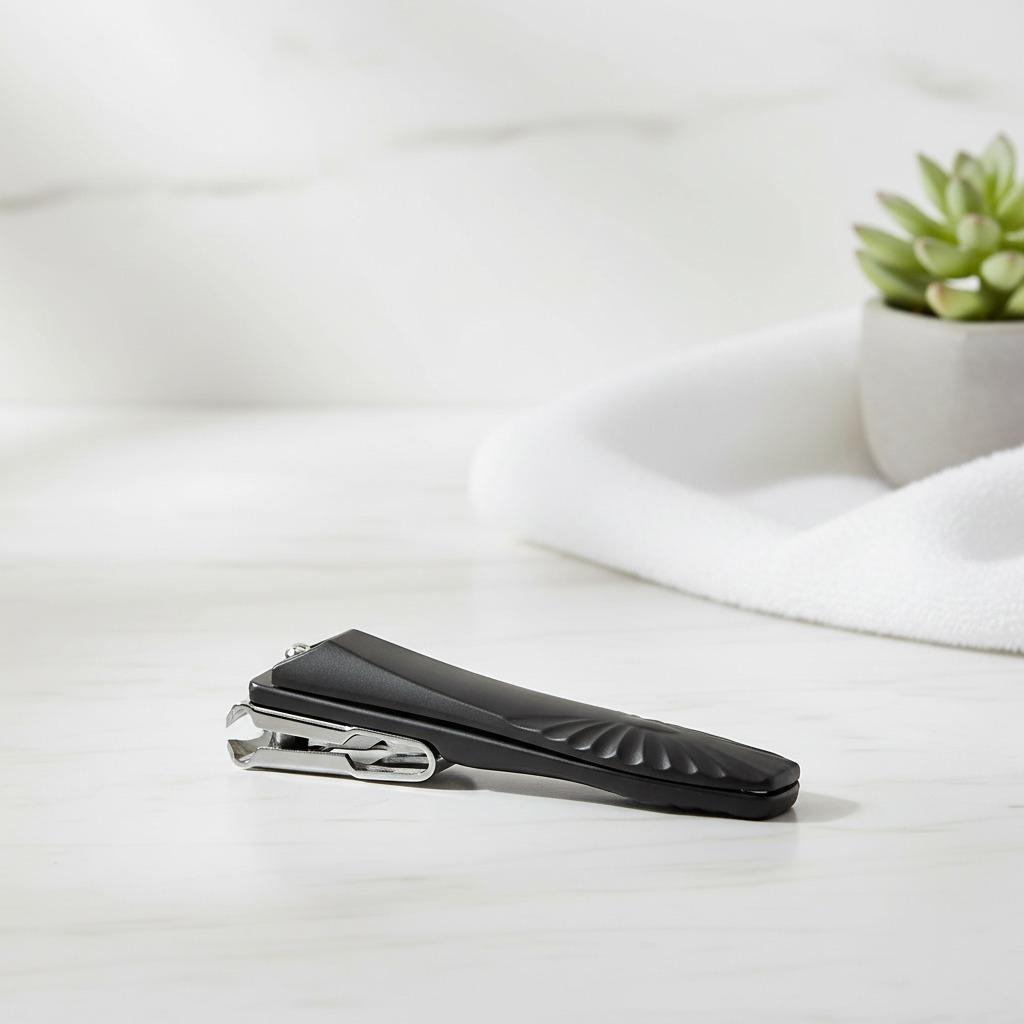
Olimor Beauty supplies nail clippers designed for everyday grooming, including a sleek matte black nail clipper with sharp stainless steel blades, an ergonomic grip and a portable form suitable for home use, travel kits and retail personal care assortments. This guide explains how to evaluate that type of product, what details matter during supplier selection, and how buyers can make more informed sourcing decisions before placing an inquiry.
What Buyers Should Expect from a Reliable Nail Clipper Supplier
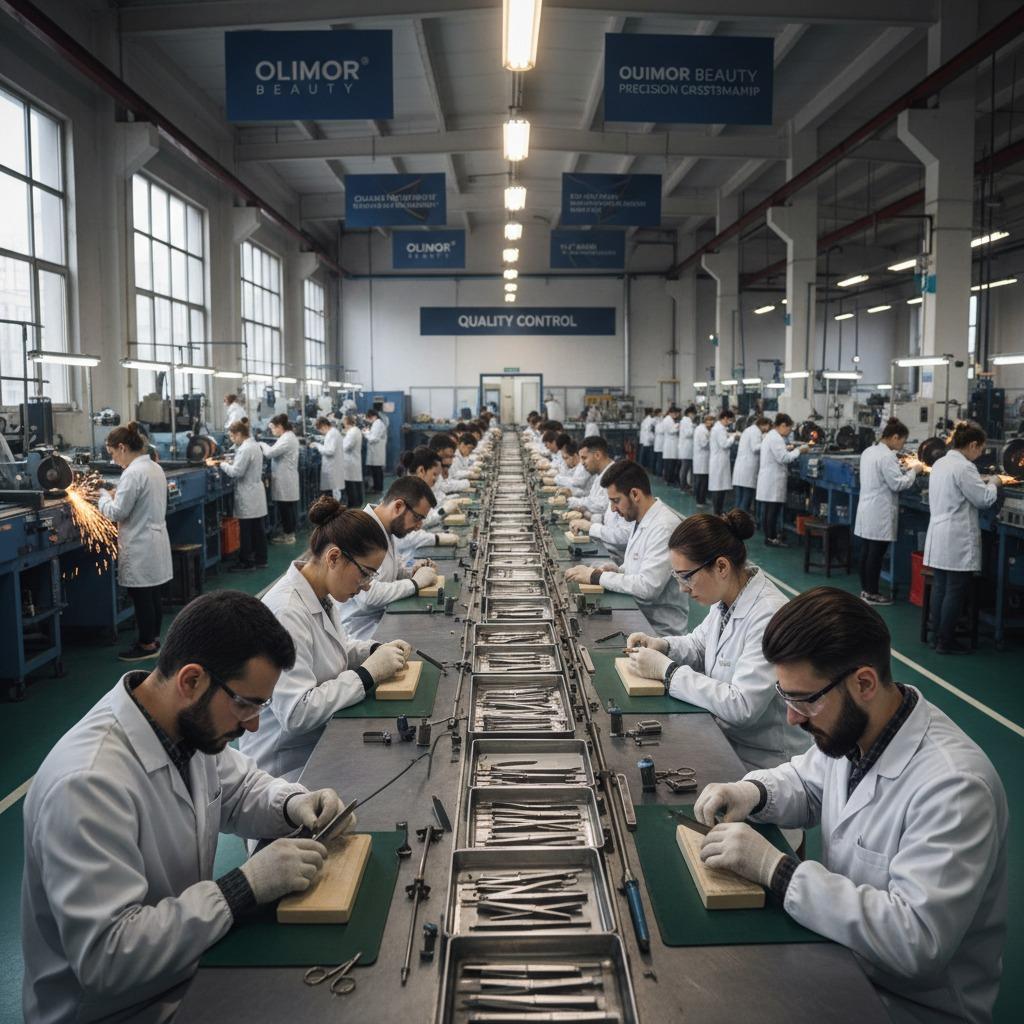
A reliable supplier should be able to provide consistency across three areas: product performance, visual finish and order handling. Nail clippers are often purchased in volume, so one approved sample is not enough if later production looks or performs differently. Buyers should look at whether the supplier controls the basic quality factors from raw material inspection through final packaging, because those steps influence how the clipper cuts, feels and appears on shelf.
For a nail clipper, reliability is easy to test in practical ways. The jaws should align cleanly. The cutting edge should trim without tearing. The lever should press smoothly without feeling unstable. Edges that touch the fingers should feel comfortable, not sharp or unfinished. The finish should look consistent across the visible surface, especially for a matte black design where scratches, uneven coating or fingerprints may be noticeable.
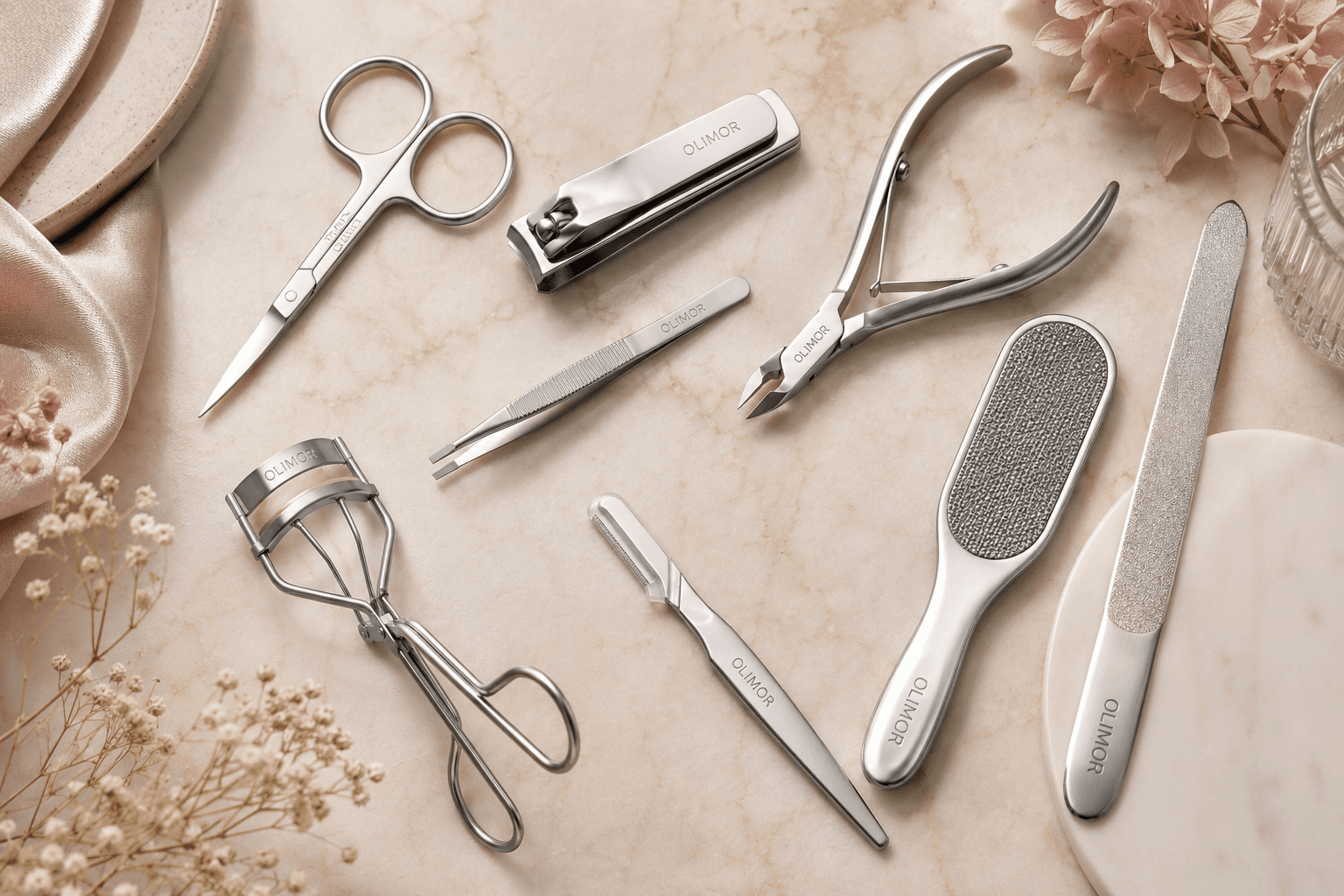
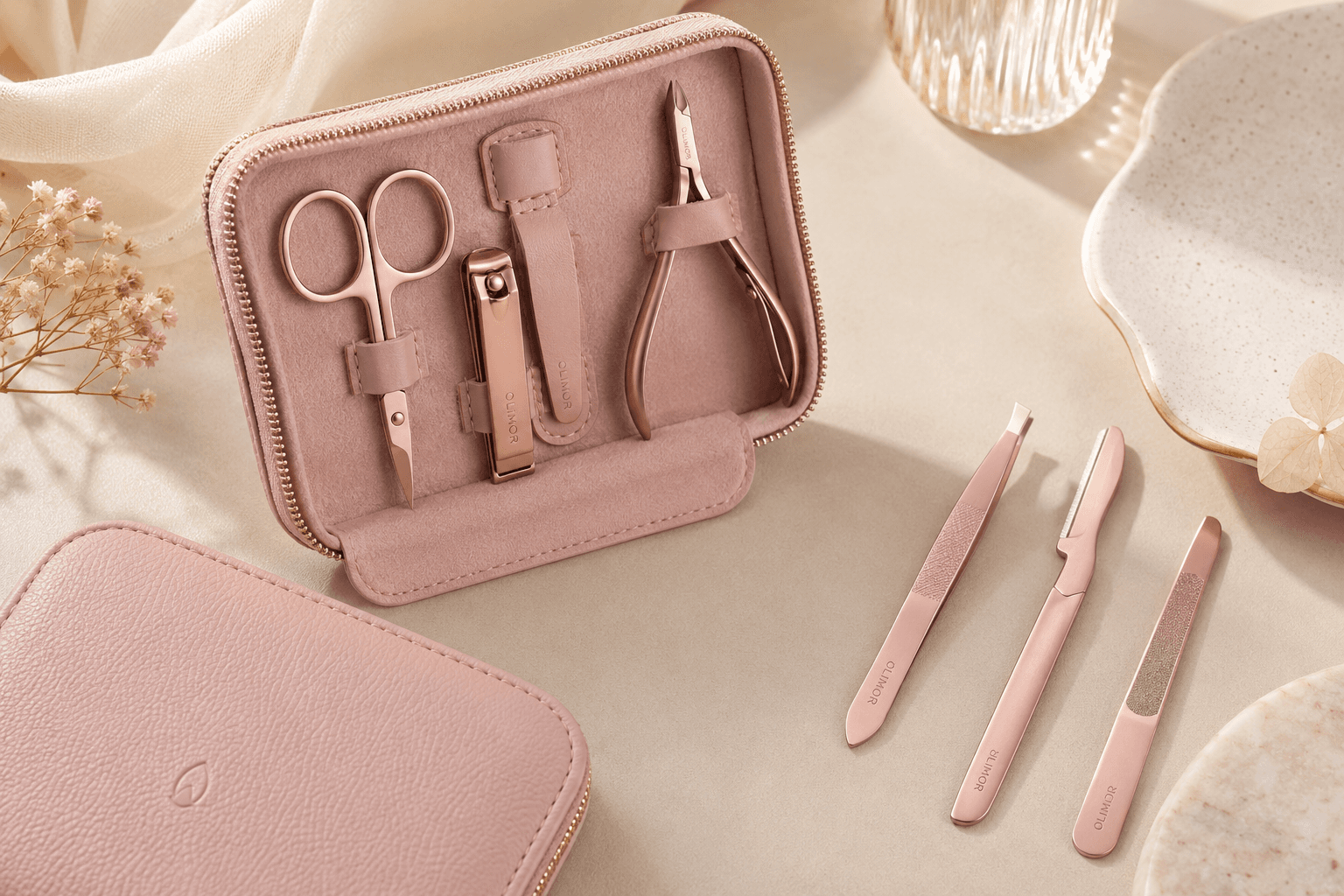
Olimor Beauty focuses on precision manufacturing steps and quality checks for its grooming tools. When reviewing options, buyers can compare nail clippers with other beauty tool products to understand how the supplier approaches design, finish and practical use across a wider product range.
Why Stainless Steel Blades Matter for Clean Grooming
The blade is the most important part of a nail clipper. A good-looking product will still disappoint if the cutting edge feels dull or leaves a rough nail edge. The supplied Olimor Beauty nail clipper uses sharp stainless steel blades, a practical choice for grooming tools because stainless steel is commonly selected where cutting performance and resistance to everyday moisture exposure matter.
Buyers should evaluate blade quality with simple, repeatable checks rather than relying only on appearance. The upper and lower cutting edges should meet evenly across the curve. There should be no visible burrs near the cutting line. The cutting action should feel controlled, not springy or loose. If samples are available, test them on different nail thicknesses and note whether the clipper cuts cleanly in one press.
For retail buyers, blade performance is also a returns issue. Customers rarely forgive a nail clipper that crushes instead of cuts. For travel kits or personal care sets, the nail clipper may be one item among many, but it still affects the perceived quality of the full kit. That is why sourcing decisions should include performance testing, not only price negotiation and packaging review.
Matte Black Finish and Ergonomic Grip: More Than Appearance
The matte black finish described for the Olimor Beauty nail clipper gives the product a modern, understated look. In retail and giftable grooming assortments, finish can influence first impressions. However, finish should also be assessed from a user perspective. A surface that provides a comfortable ergonomic grip is easier to control, especially when trimming nails carefully or when using the clipper while traveling.
Ergonomics in a nail clipper does not require complicated features. It depends on small details: the lever angle, the contact surface for the thumb, the stability of the grip and the overall balance. A clipper that feels too slippery, too thin or too stiff may be used less often, even if the blades are sharp. Buyers should handle samples with dry hands and slightly damp hands to understand how the product feels in real use.
For a matte finish, also check surface consistency under different light. Look for patchiness, coating marks, dents or areas where the finish may wear quickly from contact. A portable tool may spend time inside toiletry bags, makeup pouches or travel cases, so visible surfaces should be able to maintain a clean appearance during normal handling.
Practical Sourcing Checklist for Nail Clipper Buyers
Before confirming a nail clipper supplier, create a checklist that covers the product itself, the inspection process and the way the item will be presented to customers. The list below can help purchasing teams, brand managers and import buyers compare suppliers in a more structured way.
- Cutting alignment: Confirm that the upper and lower blades meet evenly without gaps or offset edges.
- Blade sharpness: Test for clean trimming action without crushing, splitting or excessive pressure.
- Lever stability: Press the lever multiple times and check for wobble, stiffness or uneven resistance.
- Hand feel: Evaluate whether the ergonomic grip feels comfortable and controlled during use.
- Surface finish: Inspect the matte black finish for scratches, uneven color, fingerprints or coating flaws.
- Edge finishing: Touch non-cutting edges carefully to ensure there are no rough or uncomfortable areas.
- Portability: Check whether the size and shape are suitable for travel kits, personal care pouches or compact retail sets.
- Packaging condition: Review final packaging for cleanliness, protection and consistent presentation.
- Batch consistency: Compare several pieces, not only one sample, to identify variation in feel or appearance.
This checklist does not replace formal inspection, but it helps buyers communicate expectations clearly and avoid vague quality standards. If you are building a grooming assortment, you can also review Olimor Beauty product collections to compare how different personal care tools might fit the same customer segment.
Quality Control Points from Raw Materials to Packaging
Olimor Beauty states that quality controls cover stages from raw materials to final packaging. For buyers, this matters because defects can enter the process at many points. A material issue may affect blade performance. A shaping issue may affect alignment. A finishing issue may affect appearance. A packaging issue may affect retail presentation even if the clipper itself is acceptable.
When discussing an order, it is useful to separate inspection into stages. Incoming material review focuses on whether the components are suitable before production continues. In-process checks help catch alignment, assembly or surface issues while corrections are still possible. Final checks confirm that the clipper functions correctly, looks consistent and is packed in a way that supports the intended selling channel.
Buyers should also define what is unacceptable. For example, a tiny internal mark may not matter if it is not visible and does not affect performance, while a visible scratch on the matte black top surface may be unacceptable for retail. Similarly, a slightly firm lever may be acceptable if the cut is clean and controlled, but a loose lever can create a poor user experience. Clear criteria make supplier communication more efficient.
Matching the Nail Clipper to Your Sales Channel
The right nail clipper specification depends on how and where the product will be sold. A compact, portable design may be a strong fit for travel kits, hotel amenities, personal care pouches, online grooming bundles or everyday retail displays. The matte black appearance may suit buyers looking for a clean, modern design rather than a highly decorative item.
Retailers may prioritize shelf appeal, packaging consistency and low return rates. Distributors may focus on repeatable supply and carton-level consistency. Salons and grooming service providers may care most about clean cutting performance and hand comfort. Brand owners may evaluate how the clipper fits with other tools in a private assortment, while promotional buyers may pay close attention to the balance between visual impact and practical usefulness.
Because one product can serve several channels, buyers should define the primary use case before comparing quotes. A clipper intended for a premium personal care set may require stricter visual finish standards than one sold as a basic utility item. A travel-focused assortment may prioritize compact dimensions and secure packaging. These decisions should be made early, before artwork, cartons or order quantities are discussed.
Questions to Prepare Before Sending an Inquiry
A strong inquiry saves time for both the buyer and the supplier. Instead of sending only a general request for nail clippers, prepare details that help the supplier understand your target market, expected quality level and packaging needs. This does not require knowing every technical detail in advance, but it does require a clear commercial direction.
- Who is the target customer: retail shopper, salon user, travel kit buyer, distributor or promotional recipient?
- Is the matte black finish required, or are you comparing multiple finish options?
- What packaging format is preferred for your sales channel?
- Do you need samples for cutting tests, visual review and hand-feel evaluation?
- What inspection points are most important for your customer complaints history or market expectations?
- Will the nail clipper be sold alone or combined with other grooming tools?
Once these points are clear, buyers can send an inquiry with more useful context. If you need help clarifying product fit or comparing nail clippers with other beauty tools, you can also contact Olimor for direct communication.
Choosing a Supplier for Long-Term Nail Clipper Programs
For one-time purchases, buyers may focus mainly on sample approval and price. For long-term programs, supplier consistency becomes more important. A reliable nail clipper supplier should help reduce surprises across repeat orders by maintaining stable workmanship, practical inspection routines and clear communication about product details.
The Olimor Beauty nail clipper described here combines several useful sourcing attributes: sharp stainless steel blades, a sleek matte black finish, ergonomic handling and portable design. Those features make it suitable for buyers who want a grooming tool that looks polished while remaining practical for everyday use. The best sourcing decision will still come from hands-on sample evaluation, defined quality criteria and a clear understanding of your sales channel.
When nail clippers are sourced carefully, they become more than a basic accessory. They support customer trust in the full grooming category. By focusing on cutting performance, grip comfort, finish consistency and inspection discipline, buyers can select nail clippers that perform reliably and present well from the first sample to repeat supply.
Tag: