











Reliable Nail Clipper Supplier: How to Source Quality Stainless Steel Clippers with Custom Options
For retailers, distributors, gift-set buyers, and beauty brands, a nail clipper is not just a small grooming accessory. It is a product customers judge immediately by feel, cutting performance, finish, and durability. A reliable nail clipper supplier should therefore help you balance three practical needs: consistent product quality, usable customization options, and clear communication before production begins.
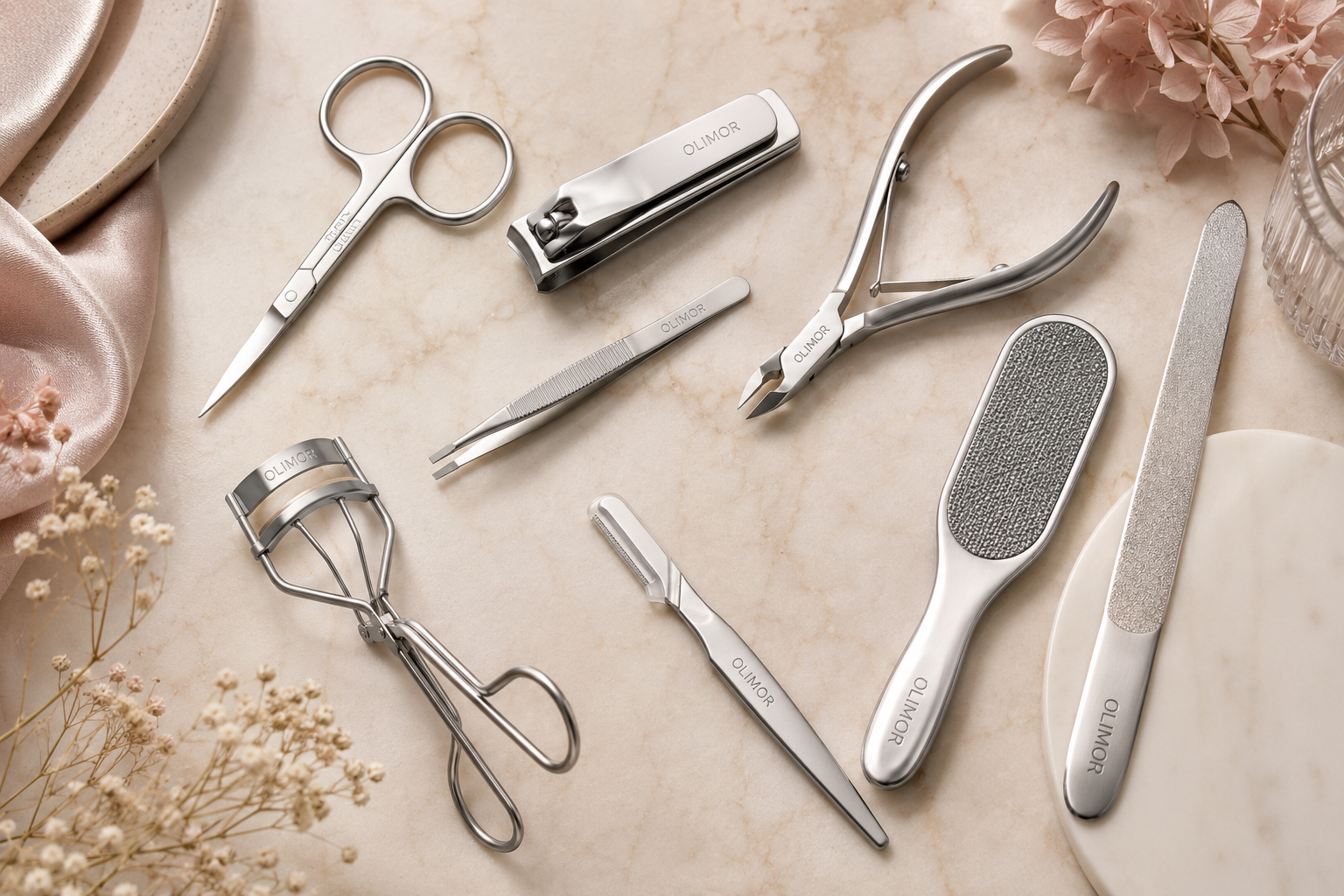
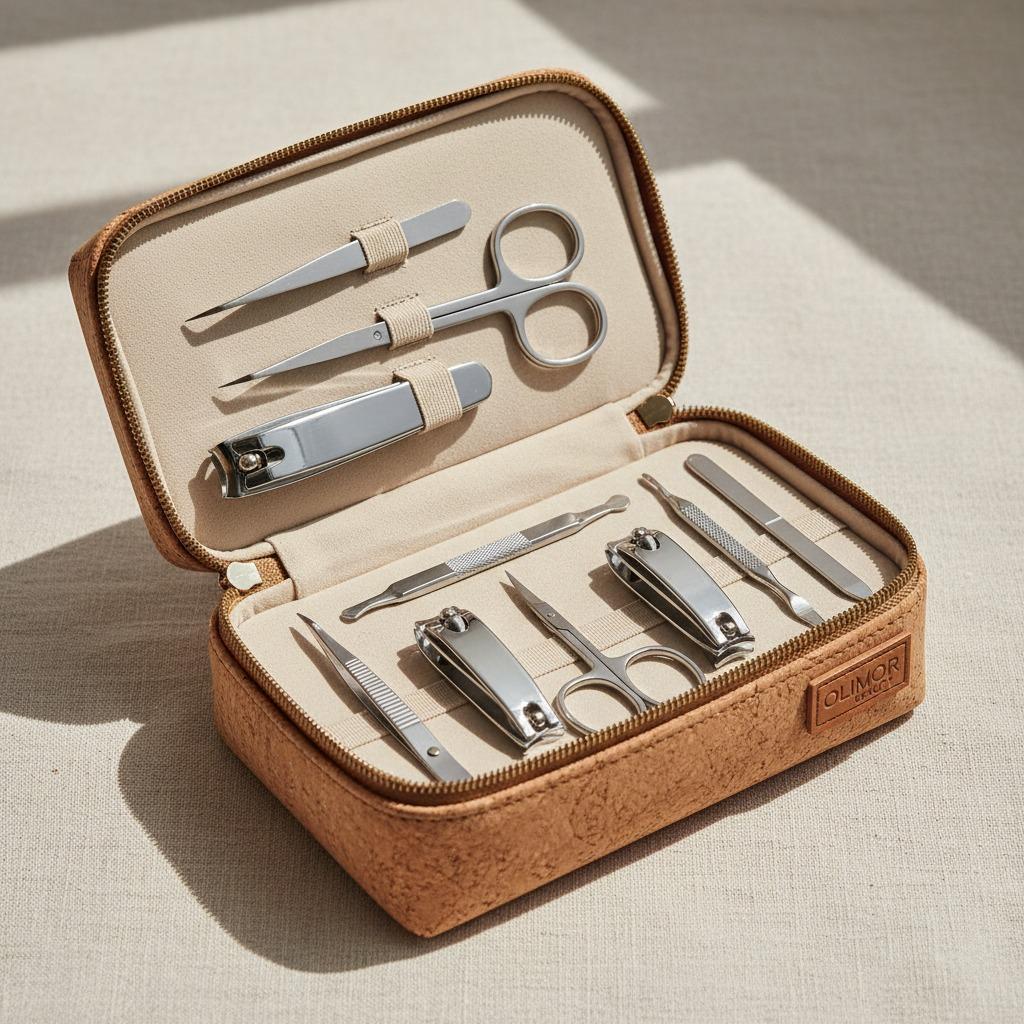
Olimor Beauty supplies stainless steel nail clippers designed for everyday grooming, retail assortments, travel kits, and branded personal care programs. The product focus is straightforward: clean trimming, comfortable handling, and a compact format that suits home use or travel. If you are comparing suppliers, the right questions will help you avoid weak blades, uncomfortable handles, rough finishing, or decoration choices that do not match your market positioning.
What Makes a Nail Clipper Supplier Reliable?
Reliability in nail clipper sourcing is measured by repeatability. A sample that looks good is only the first step; the larger question is whether bulk production can maintain the same cutting feel, alignment, surface finish, and packaging standard. For a grooming tool that is used close to the skin, even small defects can affect customer satisfaction.
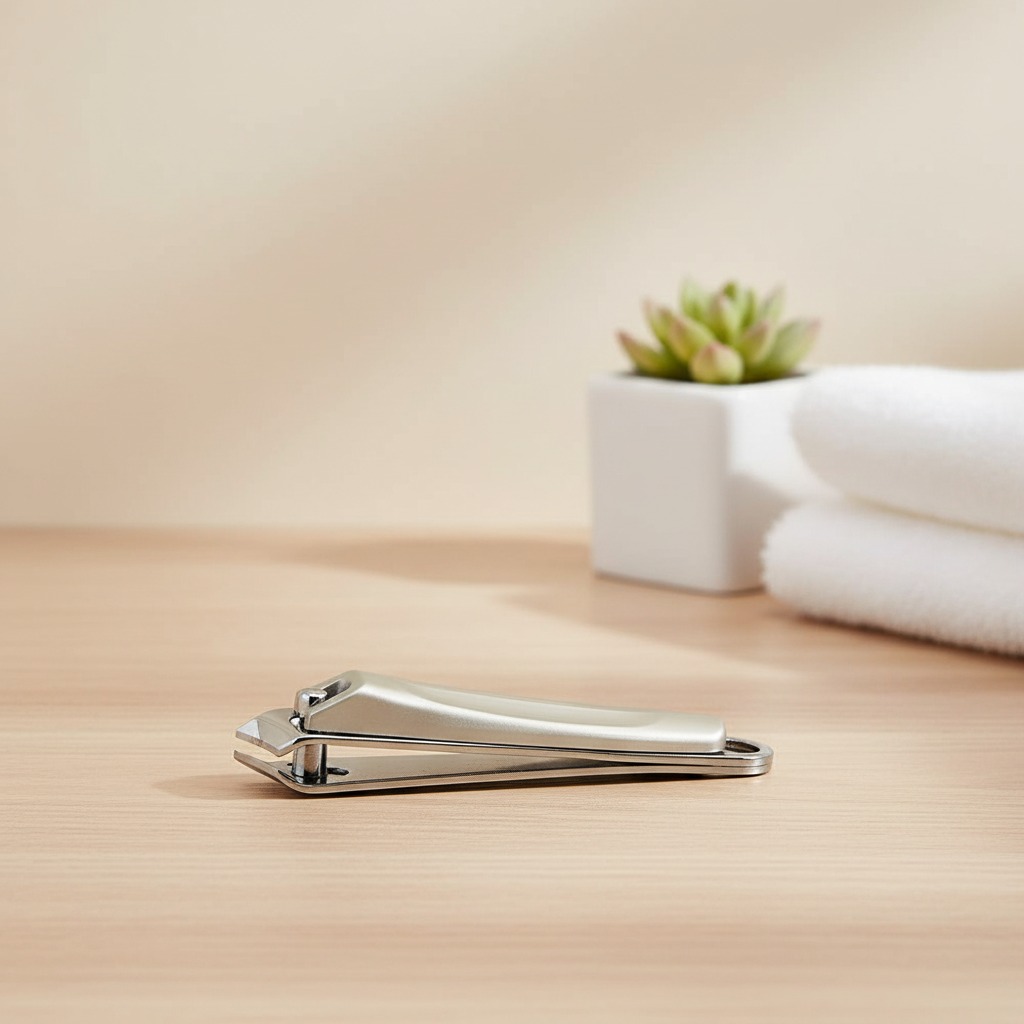
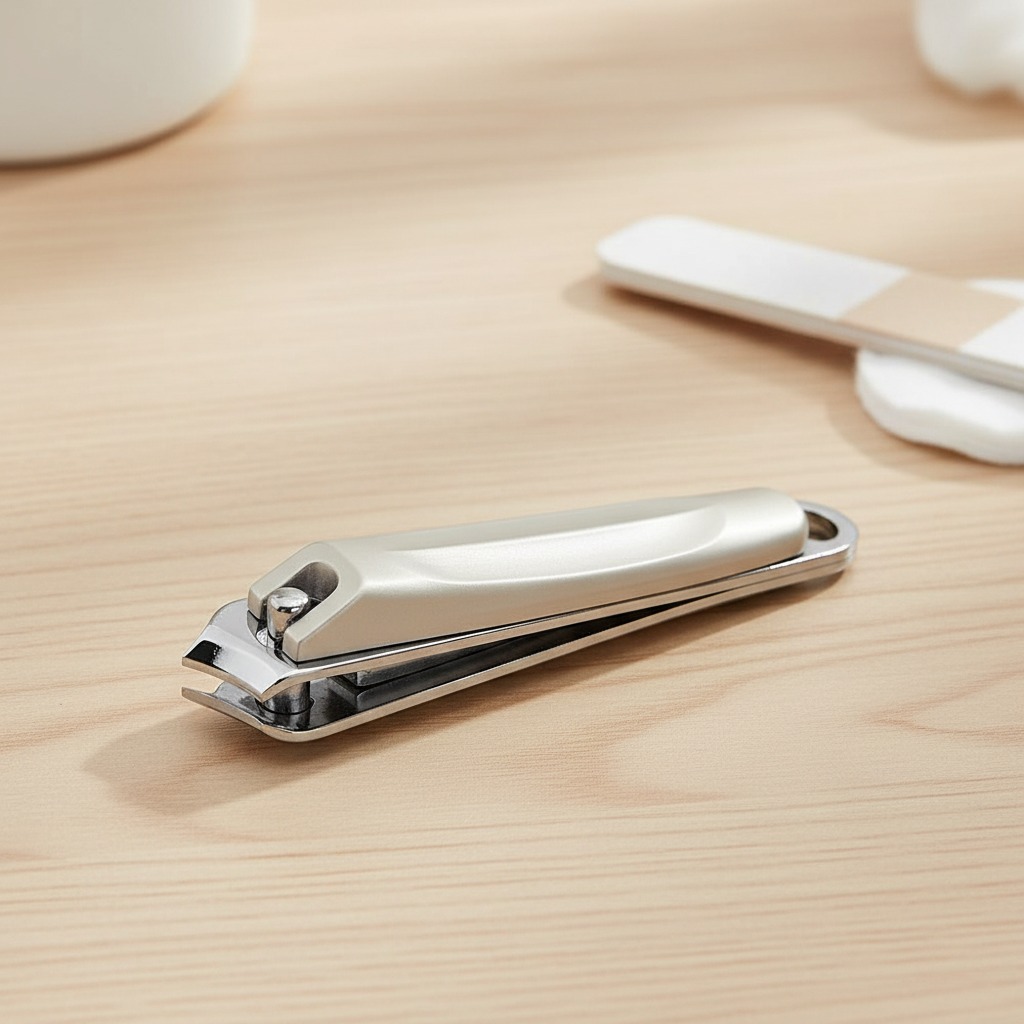
When reviewing a potential supplier, focus on the factors that directly influence the user experience. Stainless steel construction is valued because it supports strength, cleaning convenience, and a neat appearance. Ergonomic handles help users maintain control while trimming, especially when the clipper is used frequently. A matte finish can create a clean, modern look, but it should also be inspected for uniformity so the final product feels consistent across the order.
A dependable supplier should also be able to discuss inspection points in plain terms. Useful checks include blade alignment, cutting edge consistency, opening and closing action, handle comfort, surface marks, and final packaging appearance. For buyers comparing beauty tool products, these criteria make it easier to judge whether a nail clipper belongs in a basic retail range, a travel kit, or a higher presentation gift set.
Quality Details Buyers Should Check Before Ordering
A nail clipper may look simple, but it includes several quality-sensitive details. The cutting edges need to meet evenly so the nail is trimmed cleanly rather than bent or torn. The lever should press smoothly without feeling loose or overly stiff. The body should feel stable in the hand, and any edges that contact the fingers should be comfortable enough for regular use.
Before confirming an order, build a sample review process around real use rather than appearance alone. Test the clipper on different nail thicknesses where appropriate, check whether the cut feels controlled, and examine whether the edge leaves rough splitting. Look closely at the pivot area and lever action, because this is where a low-quality tool often begins to feel unstable.
- Blade contact: The cutting edges should meet accurately across the trimming area.
- Lever movement: Pressing should feel smooth and predictable, without rattling or excessive resistance.
- Handle comfort: The ergonomic shape should help users keep a secure grip during trimming.
- Surface finish: A matte finish should appear even, with no obvious scratches, stains, or patchy areas.
- Compact usability: The clipper should be easy to store in a travel pouch, grooming kit, or retail package.
- Final presentation: Decoration, logo placement, and packaging should match the intended sales channel.
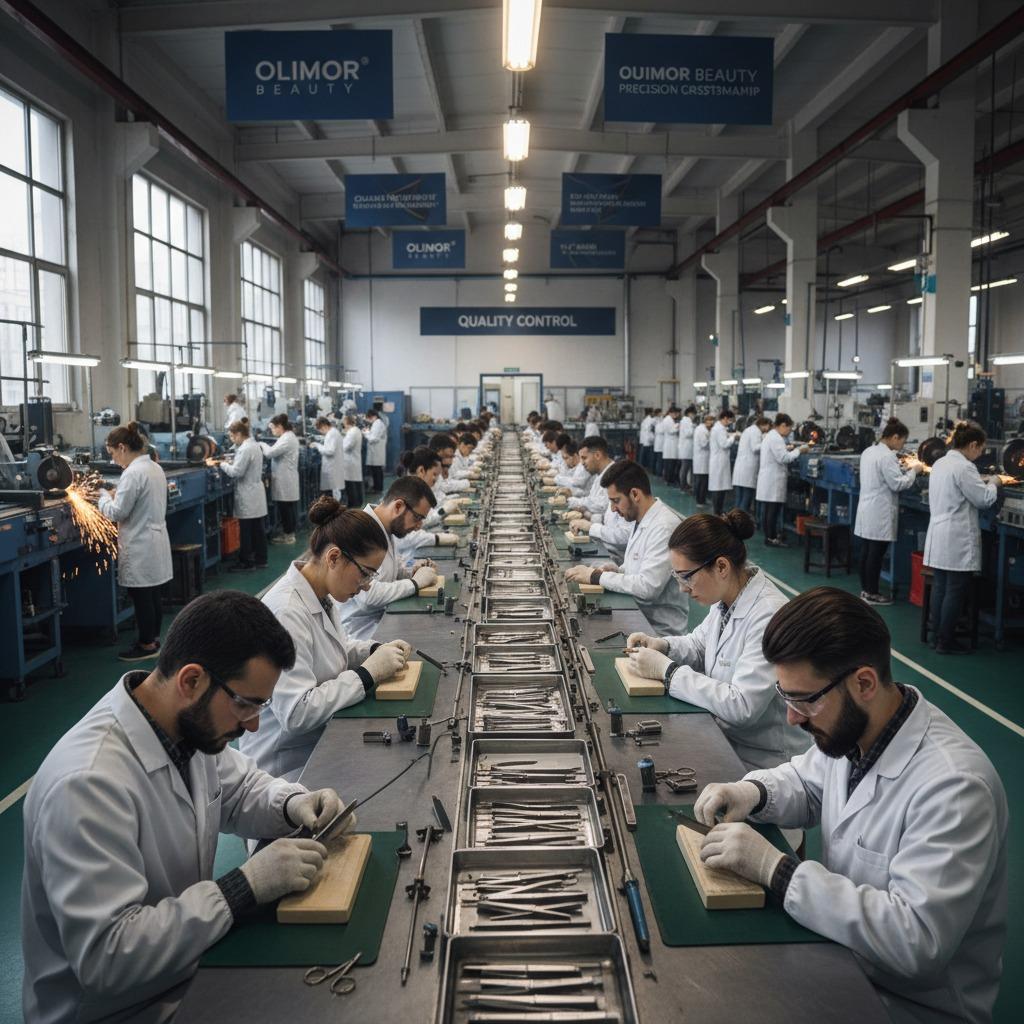
Olimor Beauty emphasizes quality checks from raw material review through finished product inspection. For buyers, this is valuable because nail clipper defects are often small but highly visible to end users. A rough edge, misaligned blade, or uneven finish can make a customer question the entire grooming set.
Custom Made Nail Clipper Options for Brand Programs
Customization is often the reason buyers look beyond off-the-shelf grooming tools. A custom made nail clipper can support a retail private label, hotel amenity program, promotional gift, subscription box, or coordinated grooming set. The most useful custom options are those that improve brand recognition without interfering with the clipper’s function.
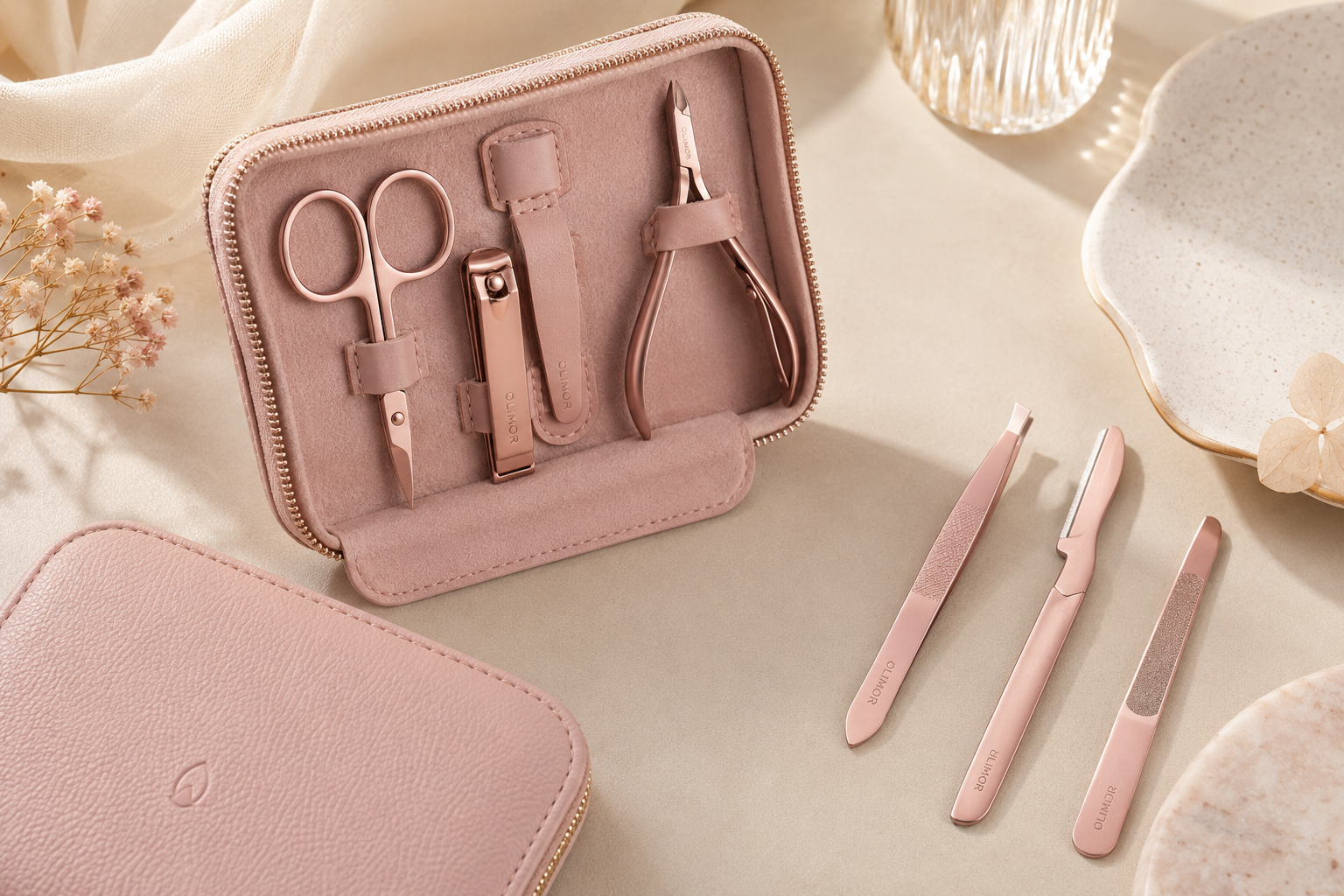
Olimor Beauty can support personalized touches such as engravings and color variations on ergonomic handles. These options can help a simple grooming tool feel more aligned with a brand identity. However, decoration should be planned carefully. A logo that is too small may be hard to read, while a finish that is too delicate may not suit a product handled frequently. The best approach is to confirm the decoration method, placement, contrast, and expected appearance on a physical sample before moving into full production.
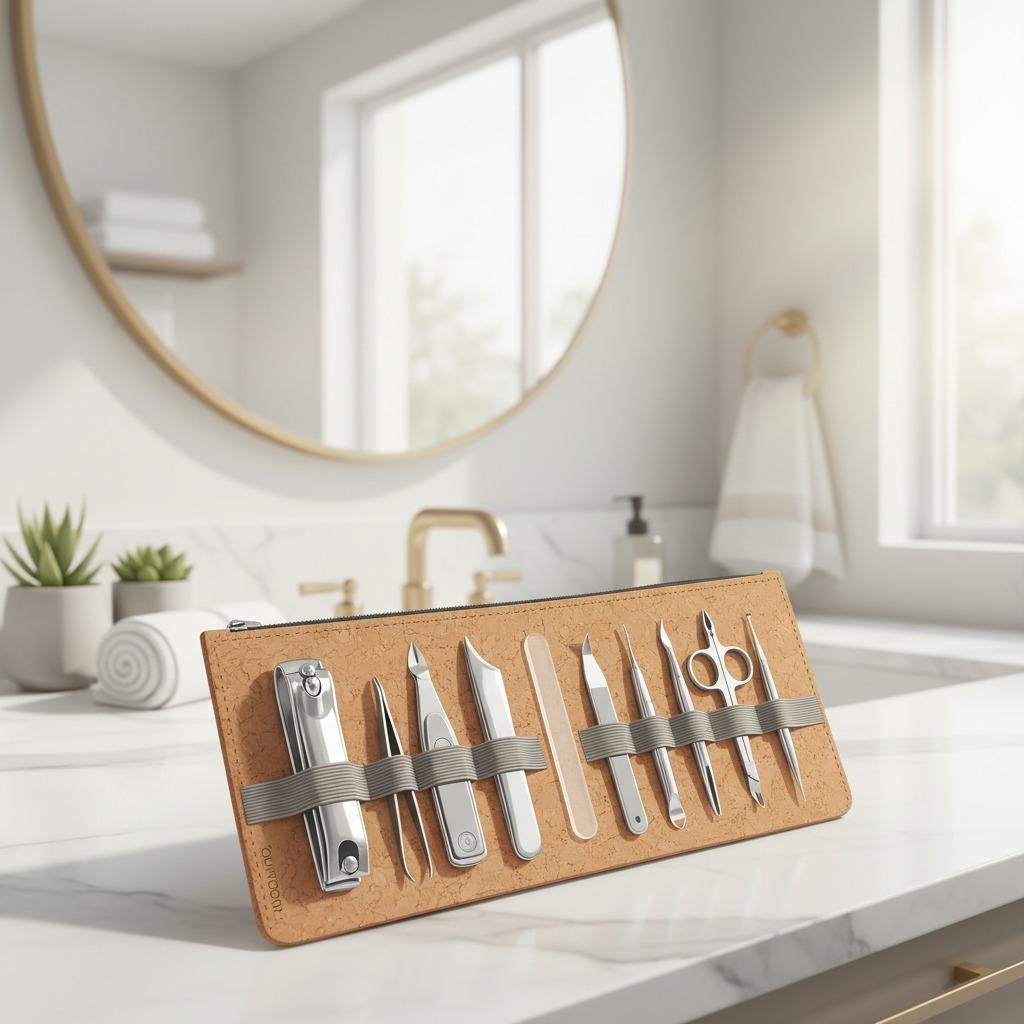
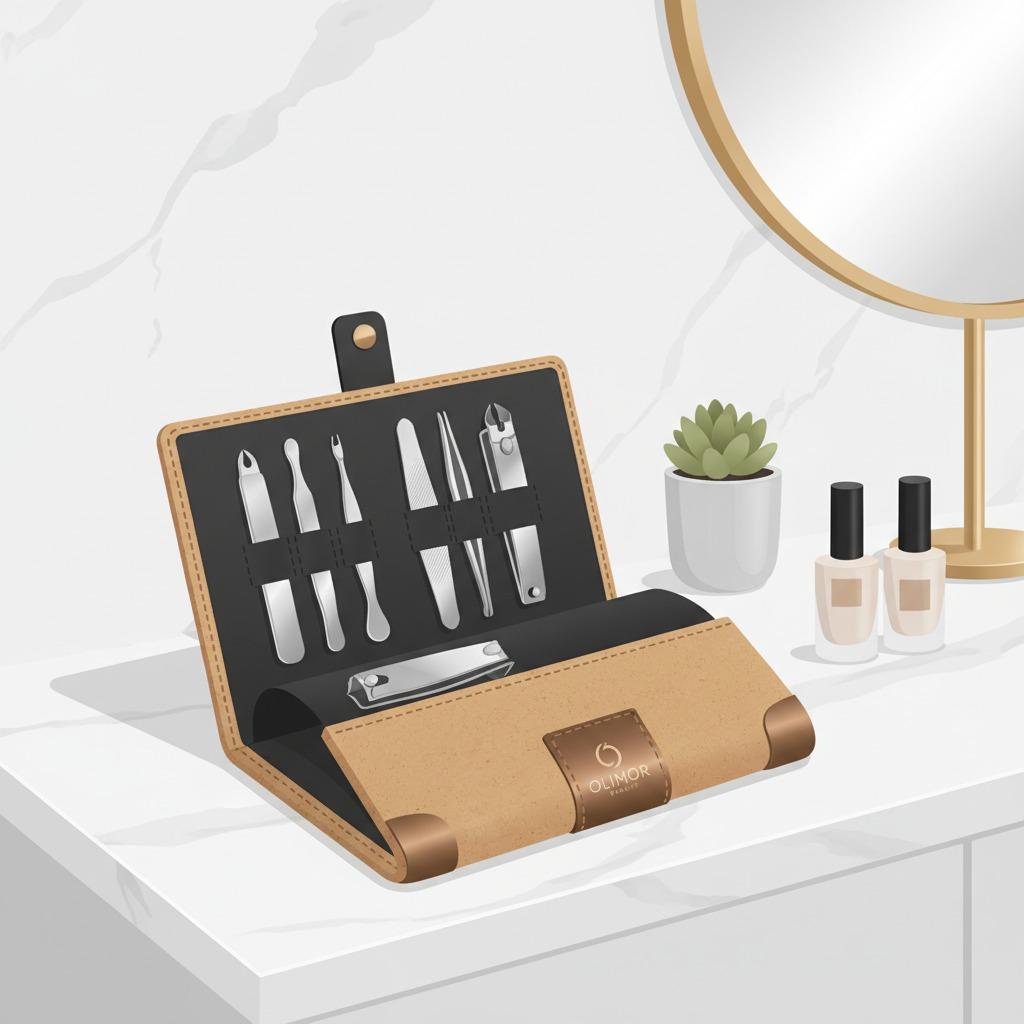
Buyers should also consider where the nail clipper will be sold or distributed. A minimalist matte finish may suit modern beauty retail. A compact stainless steel clipper with a clean logo may work well in a travel grooming set. A bolder handle color may help a product stand out in promotional or seasonal assortments. If you are building a broader sourcing plan, browsing Olimor product collections can help you think about how the nail clipper fits with tweezers, scissors, or other personal care tools.
How to Compare Suppliers Without Relying on Price Alone
Price matters, but it should not be the only comparison point. Nail clippers are low-effort products for customers to replace, which means poor performance can quickly lead to returns, negative reviews, or lost repeat purchases. A lower unit cost may not be a saving if the product has inconsistent cutting action or an appearance that does not match the promised retail position.
| Evaluation Area | What to Review | Why It Matters |
|---|---|---|
| Material and construction | Stainless steel body, stable lever, compact form | Supports durability, usability, and customer confidence |
| Cutting performance | Blade alignment, clean trim, resistance to nail splitting | Directly affects product reviews and repeat purchases |
| Finish quality | Matte surface consistency, smooth edges, visible marks | Influences shelf appeal and perceived value |
| Customization | Engraving, handle color variation, logo placement | Helps the product support private label or promotional goals |
| Communication | Clear sampling, artwork confirmation, inspection expectations | Reduces misunderstandings before production |
This comparison framework keeps the discussion practical. Instead of asking only for the cheapest quote, buyers can evaluate whether the supplier understands how the product will be used, packaged, and judged by customers.
Packaging, Retail Use, and End-User Expectations
The right nail clipper specification depends on the sales channel. A product for mass retail may need simple packaging that displays the clipper clearly. A gift set may require a more coordinated presentation. A travel kit may prioritize compact size and secure placement inside a pouch or box. In each case, the clipper should arrive ready to present cleanly, with no unnecessary handling marks or packaging issues that create extra work for the buyer.
End users generally want a tool that is sharp enough to trim cleanly, comfortable enough to control, and easy to store. They may not know the manufacturing details, but they notice the result immediately. If the clipper feels awkward, slips in the hand, or leaves nails ragged, they will not value the product even if the packaging looks attractive. For this reason, sourcing decisions should always connect appearance with function.
For brands that sell multiple grooming items, consistency is also important. A matte stainless steel nail clipper should visually fit with the rest of the range. Logo size, finish tone, and packaging language should feel intentional rather than assembled from unrelated components.
Maintenance Guidance to Improve Customer Satisfaction
Good product pages and packaging can help customers use and maintain nail clippers correctly. Even a well-made clipper benefits from basic care. Simple guidance can reduce complaints and encourage longer product life.
- Wipe the clipper after use to remove nail dust and moisture.
- Store it in a dry place, especially when used in bathrooms or travel bags.
- Avoid using a fingernail clipper on materials other than nails, as this can affect the cutting edge.
- Check that the lever is positioned correctly before use to maintain stable pressure.
- Keep the clipper away from young children unless supervised by an adult.
Including practical care instructions is especially useful for private label orders. It shows attention to the customer experience after purchase and can help distinguish a serious grooming tool range from generic accessories.
Working with Olimor Beauty on Nail Clipper Sourcing
Olimor Beauty focuses on stainless steel nail clippers with ergonomic handling, compact usability, matte finish options, and customization possibilities such as engraving or handle color variation. For buyers, the goal is to define the product clearly before production: intended use, desired finish, logo requirements, packaging direction, and inspection priorities.
If you are preparing a new grooming line or comparing suppliers for an upcoming order, organize your requirements around samples, artwork, finish expectations, and packaging needs. Clear early decisions reduce later adjustments and make it easier to approve a final product that matches your market.
To discuss a sourcing project, you can contact Olimor with your product direction, target channel, and customization ideas. If your order is already defined, you can also send an inquiry so the team can review the details and help you move toward the next step.
A reliable nail clipper supplier should make a small grooming tool feel carefully considered. By focusing on stainless steel construction, cutting performance, ergonomic control, consistent finishing, and suitable customization, buyers can create a nail clipper that works well for both the brand and the end user.