How to Choose a Reliable Nail Clipper Supplier for Retail and Private Label Programs
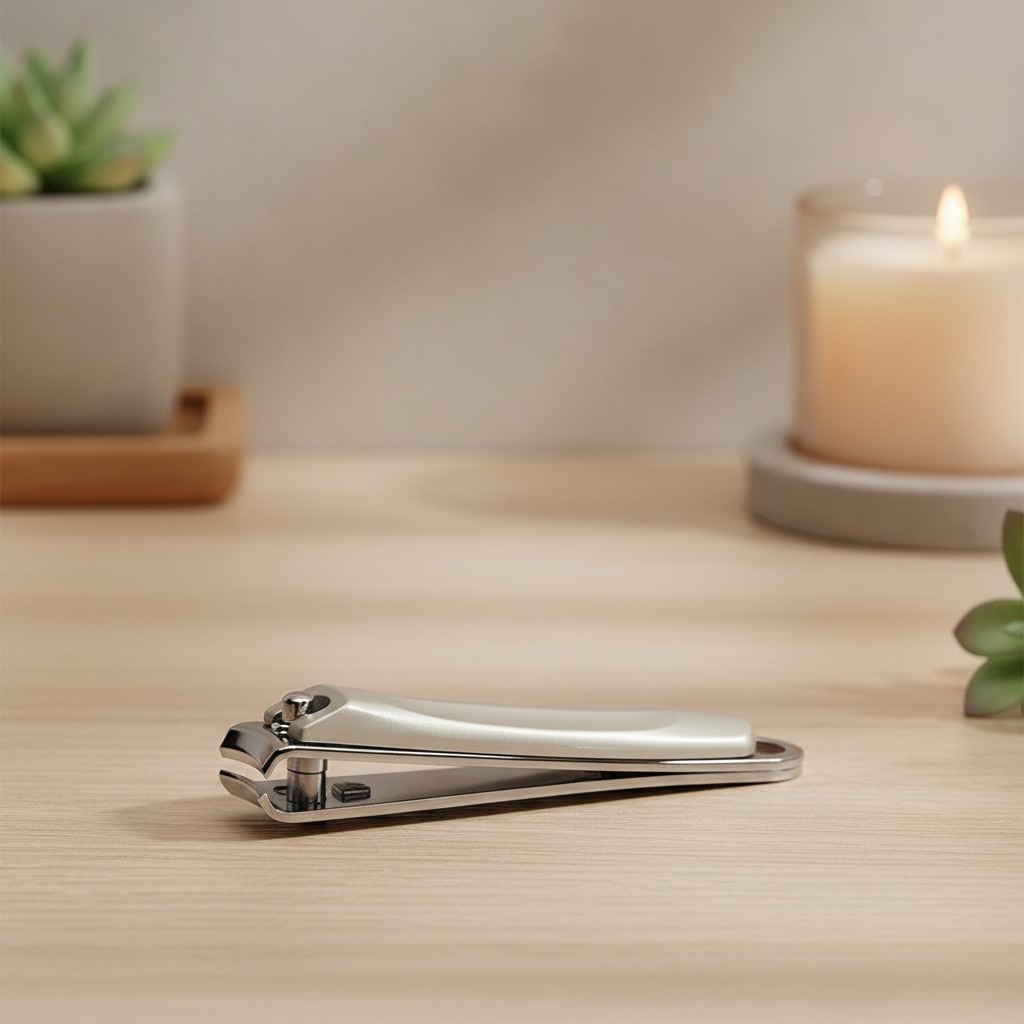
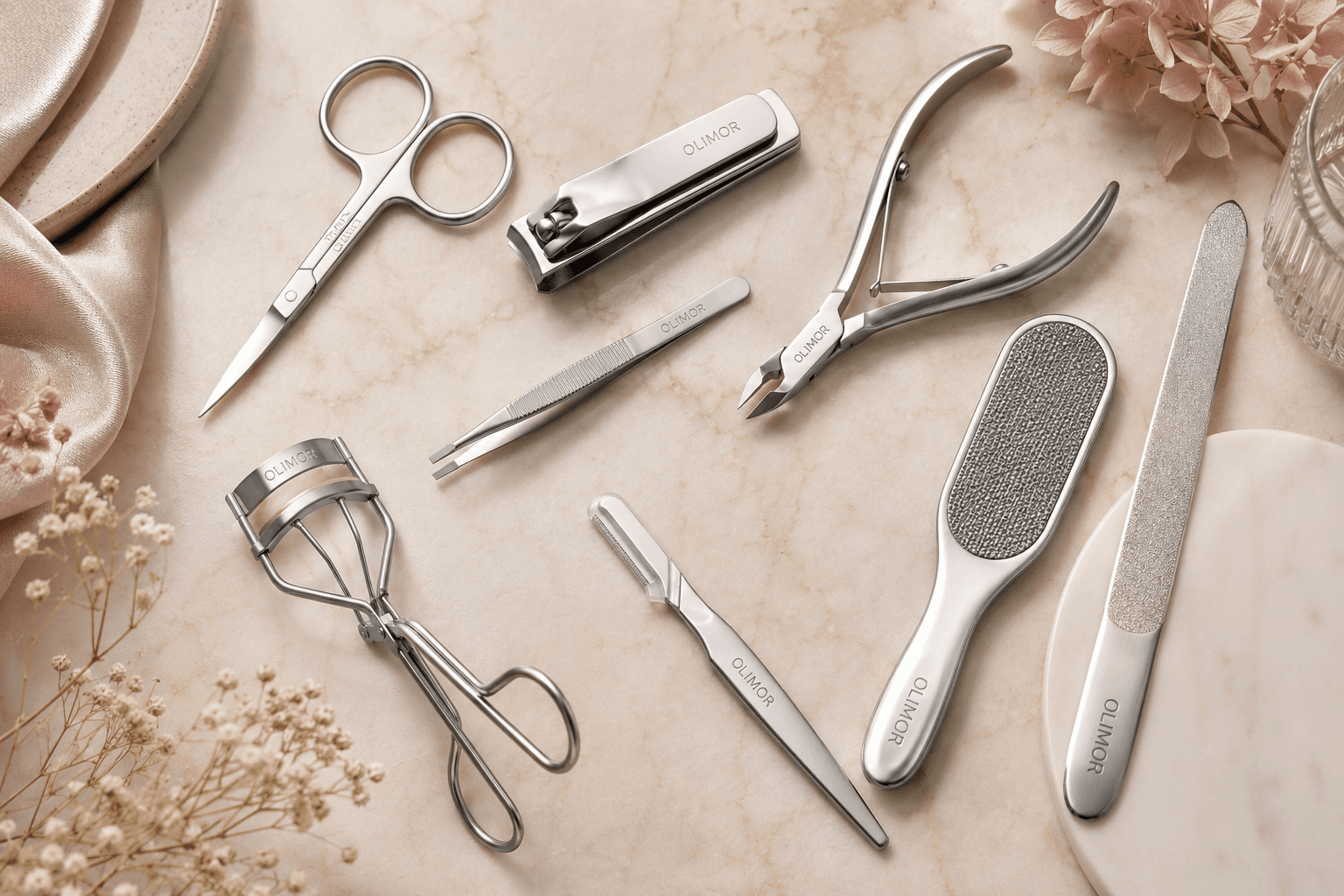
For retail buyers, distributors, grooming brands, and private label programs, a reliable nail clipper supplier is one that can deliver consistent cutting performance, clean appearance, and packaging protection from sample to repeat order. If you are comparing a nail clipper manufacturer in China or planning a custom made nail clipper for a grooming kit, start with product quality, sample approval, and packing discipline. You can also review current nail grooming tools to see how a supplier presents its range.
Olimor Beauty supplies beauty and personal care tools for business customers who need practical sourcing support. The goal is not just to find the lowest unit price. The real goal is to source a product that cuts cleanly, looks consistent on the shelf, and arrives ready for retail or kit assembly.
What reliability means in nail clipper sourcing
A nail clipper may look simple, but small details decide whether customers keep using it or complain after the first cut. Reliability starts with how the supplier thinks about the product. A serious supplier should understand the intended sales channel, user group, and presentation level before discussing price.
For a basic household clipper, the priority may be simple function and efficient supply. For a travel set, the priorities may be compact size and protective packaging. For a private label grooming range, visual finish, logo placement, and repeatable quality become more important. A dependable partner should be able to discuss all of that in practical terms.
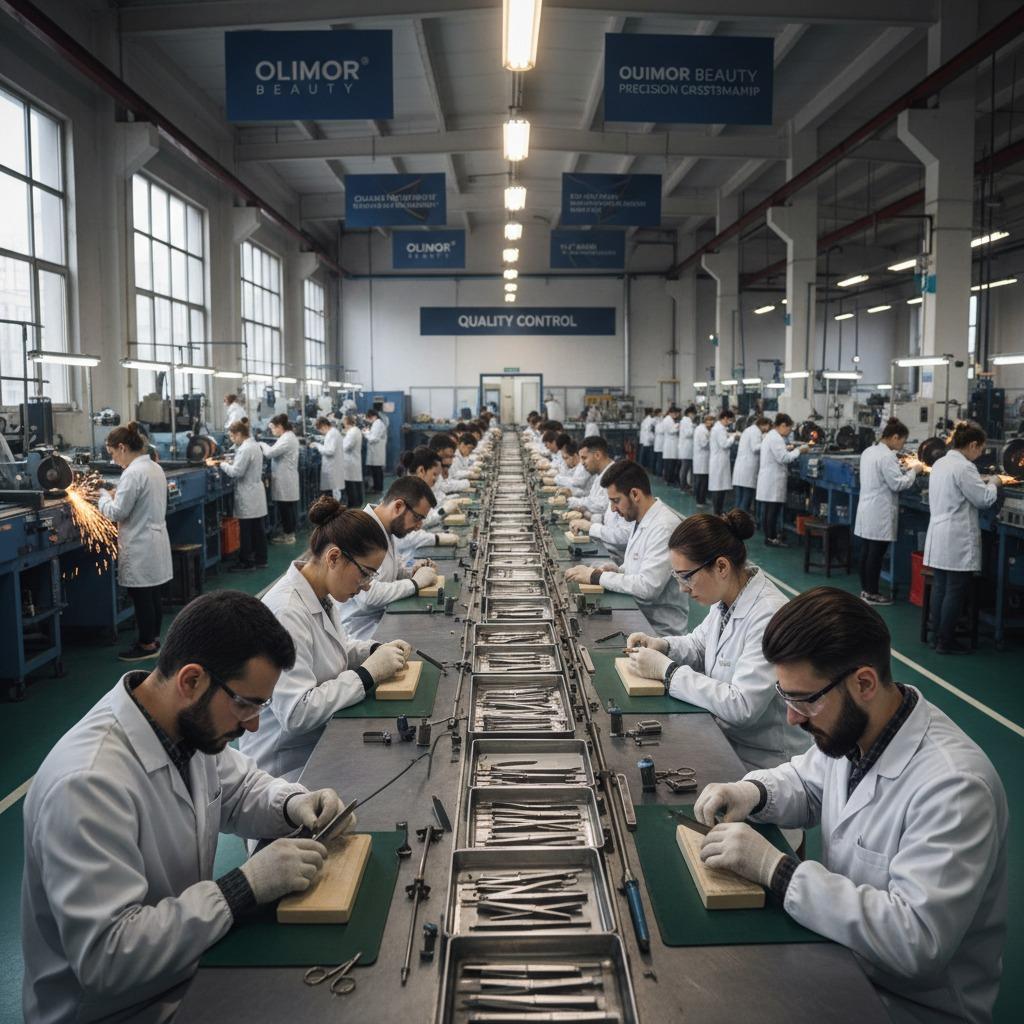
When you evaluate suppliers, look for evidence of process control rather than vague promises. Useful discussions cover material selection, blade alignment, lever movement, surface finishing, cosmetic inspection, and how finished clips are protected from scratches or deformation before shipment.
Product details buyers should inspect before ordering
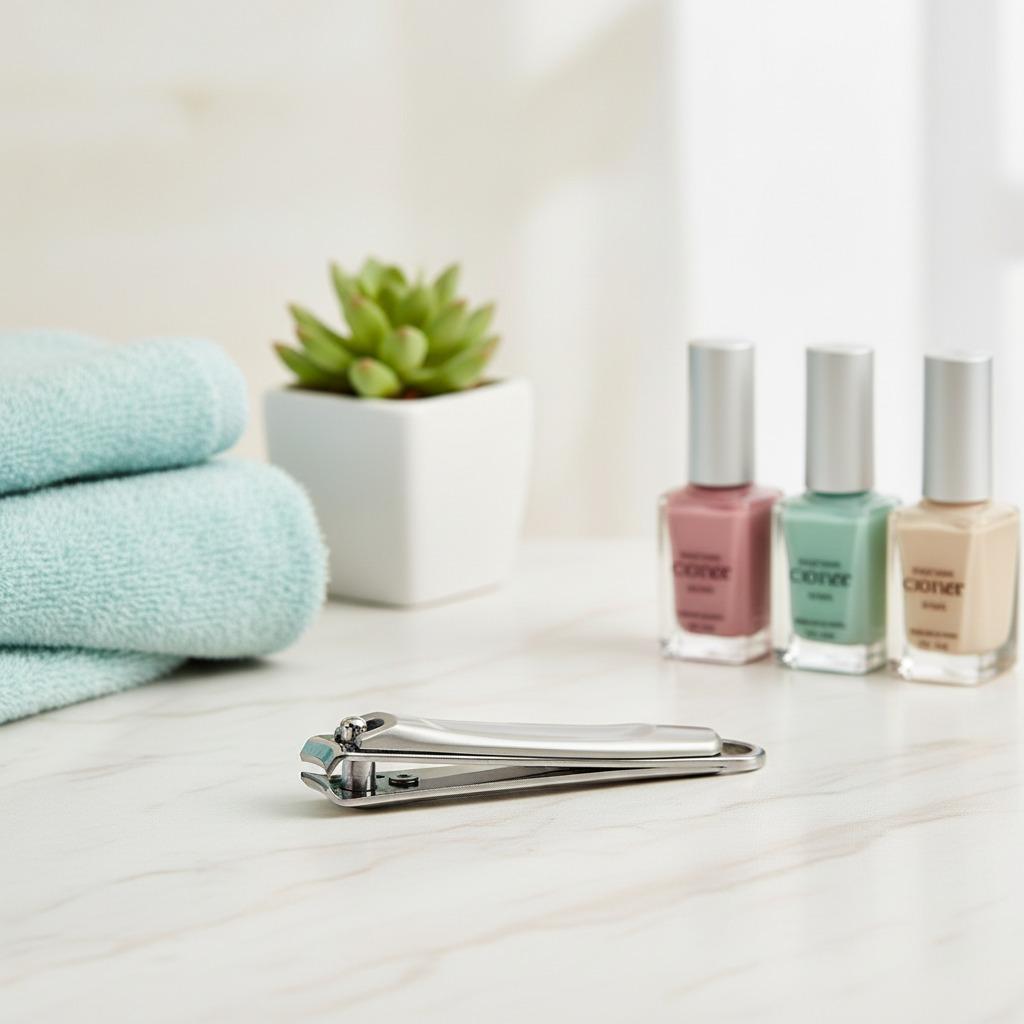
The best way to judge a nail clipper is to handle samples the same way your customers will. Test the product on different nail types and ask whether it is meant for fingernails, toenails, or general household use. A sample that looks acceptable in photos may still feel awkward in hand or cut unevenly in real use.
- Blade alignment: The upper and lower cutting edges should meet evenly. Misalignment can cause splitting, pinching, or extra pressure during trimming.
- Sharpness and edge finish: The clipper should cut cleanly without crushing the nail. Edges should be finished safely so the tool is effective but not rough to handle.
- Lever tension: The lever should move smoothly and return correctly. A loose lever can feel cheap, while a stiff lever can be uncomfortable.
- Stainless steel construction: Stainless steel is commonly preferred for nail tools because it supports durability and a clean appearance. Buyers should still verify finish quality and the corrosion resistance expectations for their market.
- Ergonomic handling: Handles or lever shapes should give stable grip, especially for repeated use in household, travel, or grooming kit applications.
- Surface finishing: Polished, matte, or coated surfaces should be consistent. Scratches, stains, and uneven color can reduce perceived value.
- Size and portability: Compact clippers suit travel sets, while larger designs may fit home grooming or men’s care ranges better.
One Olimor grooming-tool example highlights a matte black finish, sharp curved blades, a built-in nail file, and an ergonomic grip designed to reduce slipping. Details like these matter because they shape both user comfort and shelf appeal.
Standard nail clippers versus custom made options
Some buyers need a straightforward product that can be sourced efficiently. Others need a custom made nail clipper that supports a brand identity, a set concept, or a specific retail position. Customization can help a product stand out, but cosmetic changes should never reduce cutting performance or make production less stable.
| Decision area | Standard nail clipper | Custom made nail clipper | Buyer focus |
|---|---|---|---|
| Best fit | Fast product line extension, general retail, promotional sets | Private label programs, branded grooming kits, differentiated retail ranges | Match the product to the sales channel and target user |
| Design control | Existing size, finish, and structure | Options may include handle appearance, color direction, packaging, and branding details | Keep the design practical and repeatable |
| Main risk | Choosing only by price and missing quality differences | Adding decorative features that complicate production or affect comfort | Protect function first, then refine appearance |
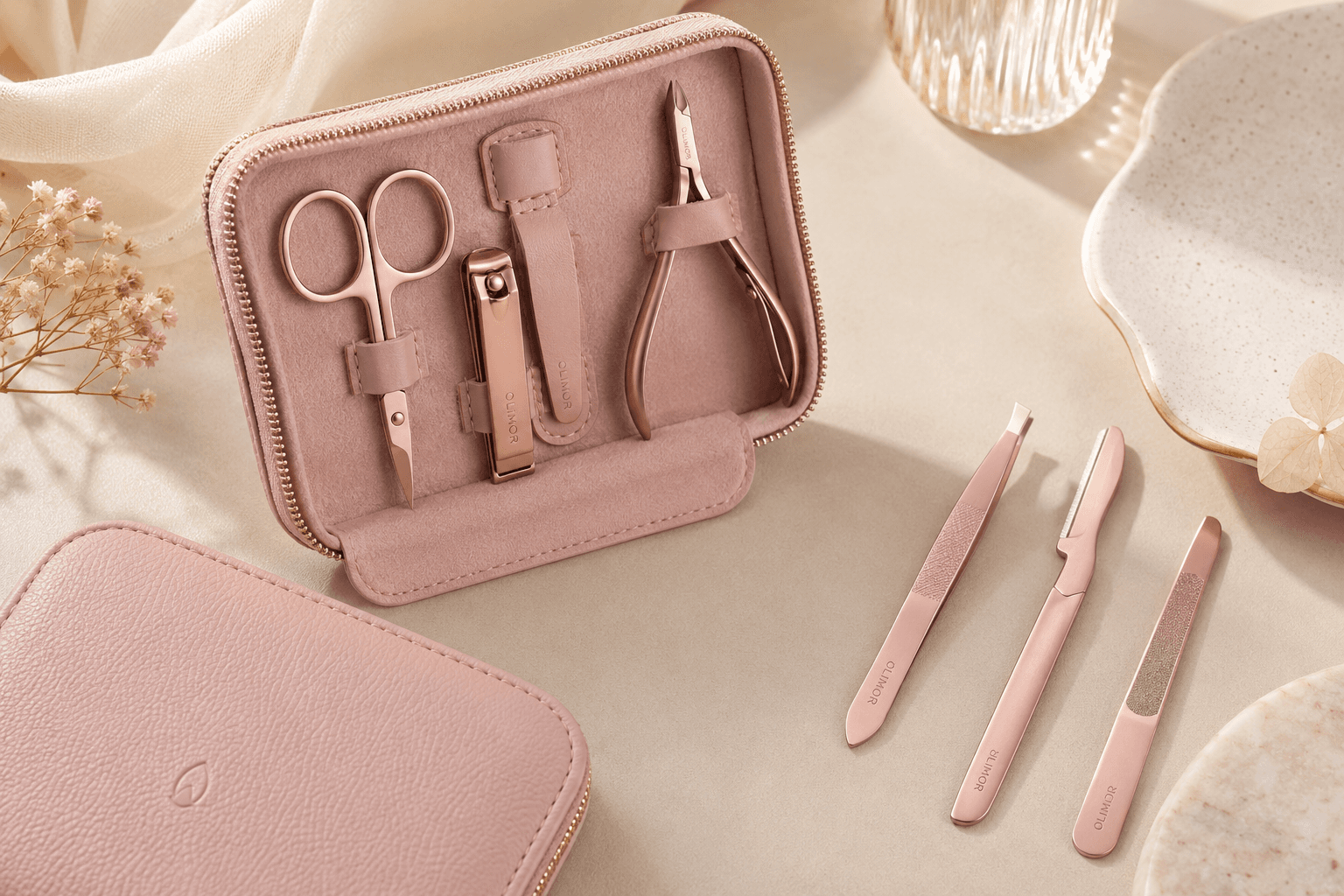
For private label development, start with the customer experience. Will the clipper be sold alone, included in a manicure set, placed in a travel kit, or displayed as a premium grooming accessory? The answer affects the size, finish, handle treatment, and packaging style.
If you are still defining the range, it can help to explore the broader beauty tool collection and compare how different grooming items may sit together in the same program.
How to evaluate a nail clipper manufacturer in China
Many buyers search for a nail clipper manufacturer in China because the country has an established supply base for beauty tools and grooming accessories. The more useful question is not where the supplier is located, but whether the supplier can support your target quality level, presentation style, and repeat order requirements.
A structured supplier review keeps the conversation focused. Ask how the supplier handles sample approval, production checks, packaging, and documentation. The answers should be specific enough for you to compare one supplier with another.
Questions that help separate good suppliers from weak ones
- What sample will represent bulk production, and how is that sample recorded?
- How are blade alignment, sharpness, and lever movement checked during production?
- How are cosmetic defects such as scratches, spots, or uneven finishing controlled?
- What packaging formats are available for retail, set packing, or protective bulk packing?
- How are artwork, logo placement, and packaging proofs approved before mass production?
- How are products packed to reduce movement, rubbing, and moisture exposure during transit?
These questions are practical because they move the discussion away from general claims and toward the actual work that protects product quality.
Why consistency matters more than a single good sample
One attractive sample does not guarantee a reliable order. Nail clippers require repeatable forming, sharpening, assembly, and finishing. If one batch cuts well but the next batch has misaligned blades or uneven tension, the buyer may face returns, complaints, and unnecessary repacking costs.
For retail shelves, consistency also affects presentation. A matte black clipper with a visible surface defect can look lower value next to a clean unit from the same order. For online brands, inconsistent quality often shows up in customer photos and reviews. For distributors, even small defect rates can create extra sorting and after-sales work.
When reviewing a supplier, ask not only whether the sample looks good, but whether the supplier can keep the same feel, finish, and cutting result across the order. That is the real test of reliability.
Packaging and presentation decisions that affect sell-through
Packaging is more than a protective layer. It tells the customer whether the clipper belongs in a premium grooming set, a daily essentials range, or a travel-friendly accessory section. A supplier should be able to support the packaging format that fits your channel without overcomplicating the build.
- Retail shelves: Packaging should show the product clearly, protect the finish, and present branding cleanly.
- Set packing: The clipper should sit securely with the other tools and not shift during transit.
- Travel formats: Compact protection matters, especially when the clipper may sit in a pouch with other items.
- Bulk packing: Protective packing should reduce scratches, rubbing, and deformation before the goods are repacked or assembled.
Good packaging support is especially useful for private label buyers because it affects both retail appeal and warehouse handling.
Cost factors that change the landed price
Buyers often want to understand what drives cost before they request quotations. The answer is usually a mix of material, process, packaging, and order structure. A lower quoted price is not always the better choice if it comes with weak finishing or poor packing protection.
- Material choice: Stainless steel is common, but finish expectations and processing requirements can vary.
- Design complexity: Curved blades, grip shaping, or added features such as a built-in nail file can increase production steps.
- Surface finish: Matte, polished, or coated looks may require different finishing controls.
- Branding and artwork: Logo placement, color references, and packaging text add approval steps.
- Packaging: Individual boxes, cards, inserts, and protective bulk packing all affect handling.
- Quality control effort: More inspection points can improve consistency but also add process work.
- Order structure: The size and mix of an order can affect how efficiently the supplier runs production.
For commercial buyers, the better question is not “What is the cheapest clipper?” but “Which supplier can deliver the right balance of appearance, function, and packing quality for this channel?”
Documentation and quality checks to request
For beauty tools and personal care items, buyers should ask what documents and checks the supplier can provide before mass production. Depending on your market and finish requirements, that may include quality-control records, packing confirmation, and documents relevant to applicable standards or rules.
If your buying team works to formal supplier requirements, it is reasonable to ask whether the supplier follows generally recognized quality management practices such as ISO 9001 principles, or whether the product needs market-specific documentation related to REACH or other local chemical rules. Buyers should verify the applicable version and request the supplier’s own documentation rather than assuming compliance.
That approach keeps the conversation accurate. It also helps avoid confusion between marketing language and real production control.
Common sourcing problems and how to prevent them
- Misaligned blades: Prevent this by approving a sample and asking how alignment is checked during production.
- Loose or stiff lever movement: Ask how lever tension is monitored and whether finished units are function-tested.
- Visible scratches or stains: Confirm how surface defects are handled and how the product is packed for transit.
- Sample and bulk mismatch: Make sure the approved sample is documented clearly for finish, size, and packaging.
- Over-customization: Keep the design practical so branding does not interfere with comfort or cutting performance.
These are the issues that typically matter most in retail and private label programs because customers notice them immediately.
A simple supplier evaluation checklist
- Confirm the target use: fingernails, toenails, travel kit, household use, or premium grooming range.
- Review samples for alignment, sharpness, lever feel, grip comfort, and surface finish.
- Ask how the supplier controls production consistency from forming to packing.
- Decide whether standard or custom made nail clipper options are the better fit.
- Check packaging choices for retail display, set packing, or protective bulk shipment.
- Request artwork proofing, sample approval, and any relevant documentation before mass production.
- Compare suppliers on communication clarity, not just on unit price.
If you are building a grooming range, this checklist also helps you compare nail clippers alongside other beauty tool products without losing focus on quality control.
FAQ
Can I request samples before placing a bulk order?
Yes. Sample approval is one of the most important steps in sourcing a nail clipper. Use the sample to confirm cutting performance, finish, lever feel, and packaging fit before committing to larger production.
What should I ask about MOQ?
Ask how MOQ changes with standard versus custom options, packaging type, and branding requirements. The exact answer depends on the supplier’s production setup, so compare options early.
How much customization is reasonable for a private label program?
Reasonable customization usually includes finish, logo placement, packaging format, and sometimes added features such as a built-in nail file. The best approach is to keep the design functional and production-friendly.
What quality checks should a supplier be able to explain?
At minimum, ask about blade alignment, cutting sharpness, lever movement, cosmetic defect control, sample locking, and packaging protection. The supplier should be able to describe these checks clearly.
How do I judge lead time without guessing?
Ask the supplier to explain the production steps that affect lead time, including sampling, artwork approval, material preparation, production, inspection, and packing. Avoid assuming a timeline until those steps are clear.
Talk with Olimor about your nail clipper program
If you need a standard nail clipper, a custom made nail clipper, or a broader grooming assortment, Olimor Beauty can discuss practical options for retail, distributor, and private label programs. Use the inquiry form to share your product brief, or contact the team directly if you want to discuss packaging, branding, or sample review first.
For buyers comparing multiple formats, it can also help to revisit the full beauty tool collection and decide where the nail clipper should sit in your range.
Tag: