Nail Clipper Factory OEM Guide for Bulk Buyers
For a beauty tool buyer, a nail clipper is not a simple commodity. It is a small product that must feel precise in the hand, cut cleanly, resist daily wear and arrive with consistent finishing across every carton. When the purchase is for retail shelves, salon resale, travel kits or e-commerce bundles, small quality differences can affect reviews, returns and repeat orders.
Olimor Beauty works in the beauty tools category with a focus on practical manufacturing decisions for buyers who need wholesale nail clippers or nail clipper OEM support. The goal is not only to source a low-cost item, but to define a reliable product that fits the target customer, brand positioning and sales channel. This guide explains what to review when selecting a nail clipper factory, how OEM projects should be prepared and which quality checkpoints matter before placing a bulk order.
What Bulk Buyers Should Expect from a Nail Clipper Factory
A capable nail clipper factory should be able to support more than basic production. Buyers often need help comparing shapes, finishes, grip styles, packaging formats and inspection requirements. Because nail clippers are frequently purchased in volume, consistency is as important as the design itself.
For distributors and retailers, the key factory questions usually include: Can the factory keep the cutting edge consistent? Are the products comfortable enough for repeated use? Does the packaging protect the product during transport? Can the same item be supplied for future replenishment orders without obvious changes in appearance?
Olimor Beauty positions its nail clipper production around precision manufacturing, functional design and customer-focused development. The original production approach emphasizes stainless steel, ergonomic designs and internal quality checks from raw material inspection to final packaging. Those points are especially relevant for wholesale buyers because they reduce the risk of inconsistent batches and poorly finished tools reaching end users.
Product Details That Influence User Experience
When comparing wholesale nail clippers, buyers should not rely only on appearance. A good product specification should describe how the clipper will be used and by whom. Nail clippers for salon resale may prioritize a professional feel and clean finishing. Nail clippers for travel kits may need compact storage and portable design. E-commerce products may need packaging that explains the product clearly and protects it from scratching during shipping.
Useful selection criteria include:
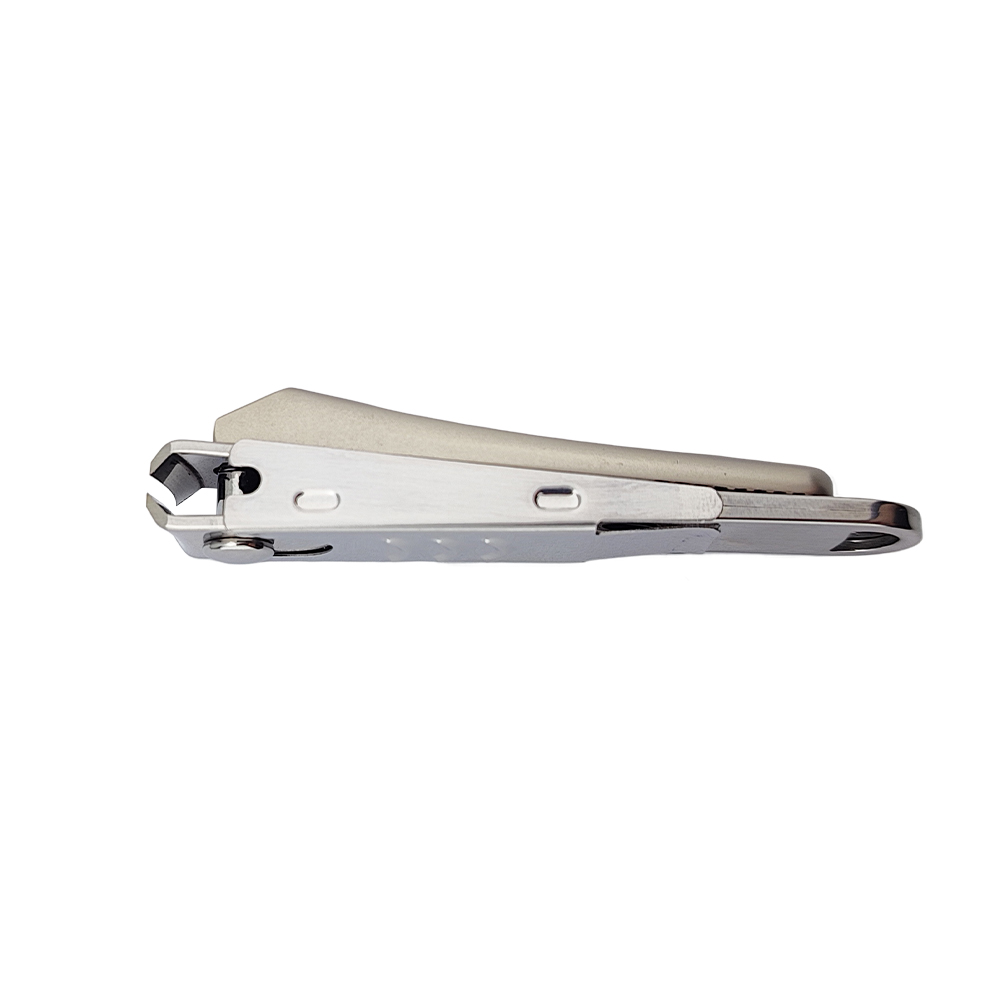
- Material direction: Stainless steel is commonly preferred for durability and hygiene in grooming tools. Confirm the intended finish, corrosion-resistance expectations and cleaning instructions for the market.
- Cutting performance: The cutting edge should align evenly and close smoothly. Uneven blades can pinch, tear or require too much pressure.
- Ergonomic handling: The lever, body width and grip area should feel stable. Comfortable grips can be important for daily use and for customers with reduced hand strength.
- Portability: Foldable or compact designs suit travel, gift sets and multipurpose grooming kits. Check that the folded profile is secure and does not snag packaging.
- Surface finish: Polished, matte or coated appearances should be checked for scratches, burrs and visual consistency.
- Packaging fit: Blister cards, boxes, pouches or set packaging should match the sales channel and protect the cutting edges during transit.
These details help buyers avoid vague specifications. Instead of asking for a “good nail clipper,” prepare a clear brief based on the intended customer and channel.
How OEM Nail Clipper Projects Are Usually Defined
Nail clipper OEM services are useful for brands that want a product aligned with their own packaging, design language and market positioning. An OEM request can be simple, such as a standard clipper with branded packaging, or more involved, such as a specific foldable design, finish preference or set configuration.
A productive OEM project normally begins with a written product brief. The brief should identify the target user, order purpose, expected price position, preferred material direction, appearance, packaging concept and inspection standard. If the product is part of a wider grooming range, it is also helpful to share the visual style of related items so the nail clipper does not look disconnected from the rest of the line.
Buyers can review available beauty tool products to understand the broader tool category before deciding whether the nail clipper should stand alone or be included in a grooming set. For larger programs, browsing product collections can also help buyers plan coordinated retail or e-commerce assortments.
Quality Control Points from Raw Material to Packaging
The original production process for Olimor Beauty nail clippers includes quality assurance from raw material inspection through final packaging. That sequence matters because defects can appear at several stages. A clipper may look acceptable after forming, but problems with edge alignment, spring feel, surface scratches or packaging pressure can still appear later.
For bulk nail clipper sourcing, a practical inspection plan should cover the following stages:
- Incoming material review: Check whether the material matches the agreed product direction and whether visible defects are present before production begins.
- In-process inspection: Review shape, lever movement, alignment and surface condition during manufacturing rather than waiting until the full order is packed.
- Cutting function check: Confirm that the cutting edges meet cleanly and operate with reasonable pressure. The clipper should not feel loose, jammed or misaligned.
- Finish inspection: Look for burrs, rough edges, discoloration, scratches and inconsistent polishing.
- Packaging inspection: Confirm the product sits securely, branding elements are correct and cartons are suitable for transport.
- Final random inspection: Before shipment, review packed goods against the approved sample and purchase order requirements.
This kind of structured quality plan is especially valuable for international retailers, salons and e-commerce sellers because the products may pass through multiple warehouses before reaching the final customer.
Wholesale Nail Clippers for Different Sales Channels
Different channels require different priorities. A nail clipper for a salon counter may not need the same packaging as a clipper sold through a marketplace listing. A travel-focused product may emphasize compact storage, while a distributor may prioritize carton efficiency and reorder stability.
| Sales channel | Useful product focus | Buyer considerations |
|---|---|---|
| Salon resale | Comfortable grip, clean cutting, professional appearance | Choose packaging that displays the product clearly and protects the finish. |
| Retail stores | Consistent finishing, easy-to-understand packaging, durable construction | Confirm barcode, labeling and shelf presentation requirements early. |
| E-commerce | Reliable function, compact shipping size, strong product photos | Packaging should reduce scratches and survive parcel handling. |
| Travel kits | Foldable or portable design, compact storage, light packaging | Check size compatibility with the full kit before approving the sample. |
| Distributor bulk orders | Stable repeat production, carton consistency, clear specifications | Keep approved samples and written standards for future replenishment. |
By matching the product to the sales channel, buyers can avoid over-specifying features that do not matter while protecting the details that affect customer satisfaction.
Questions to Prepare Before Buying Nail Clippers in Bulk
Before sending an inquiry, buyers should prepare information that helps the factory respond accurately. This is especially important for OEM work because a small change in finish, packaging or design can affect sampling and production planning.
A useful buyer checklist includes:
- Target market and sales channel, such as salon, retail, distributor, travel kit or online store.
- Preferred clipper type, including standard, foldable, compact or set-based formats.
- Material and finish expectations, including whether stainless steel is required.
- Branding needs, such as logo placement, packaging artwork or neutral packaging.
- Packaging format, carton requirements and any labeling needs for the destination market.
- Quality expectations, including inspection method, approved sample procedure and functional checks.
- Estimated order volume and repeat order plan, if available.
- Target delivery schedule and whether sampling is required before production approval.
Clear information helps avoid repeated revisions and makes comparisons between suppliers more meaningful. If you are preparing a project brief, you can send an inquiry with the main requirements or contact Olimor to discuss the best starting point for a wholesale or OEM nail clipper order.
Why Sourcing Discipline Matters for a Small Grooming Tool
Nail clippers are often sold at accessible prices, but they carry the same sourcing risks as larger beauty tools. Poor alignment, weak leverage, rough edges or inconsistent packaging can quickly create customer complaints. For brands, the product may be small, but it still represents the buyer’s quality promise.
A disciplined sourcing process gives buyers more control. Start with the use case, define the product standard, approve samples carefully and keep a record of the approved construction, finish and packaging. For repeat orders, compare new production against the original approved sample rather than relying on memory or photos alone.
Olimor Beauty’s role as a nail clipper factory and nail clipper OEM partner is most valuable when buyers approach the project with clear commercial goals and practical quality expectations. Whether the order is intended for salons, retailers, e-commerce platforms or travel-friendly grooming sets, the best result comes from aligning product design, manufacturing control and packaging from the beginning.